Your sump pump is the only thing standing between your basement and thousands of dollars in flood damage. Here's what you need to know to keep it working.
Share:
Request a Callback
Want to skip the wait?
Simply enter your contact details, and we’ll call you when a Go Rooter Advisor becomes available.

Summary:
Calumet City sits in a flood zone that’s seen more than its share of disasters. The Little Calumet River, aging sewer systems that date back decades, and soil that doesn’t drain well all work against you. When a storm dumps several inches of rain in just a couple of hours—which happened multiple times in recent years—the water has nowhere to go but into the lowest point it can find. That’s usually your basement.
The city’s infrastructure wasn’t built for the kind of weather we’re seeing now. Storms that used to be once-in-a-lifetime events are happening every few years. Your neighbors in Cook County have dealt with it. Maybe you have too. And if you haven’t yet, you’re not immune—you’re just waiting for the right combination of rainfall and bad timing.
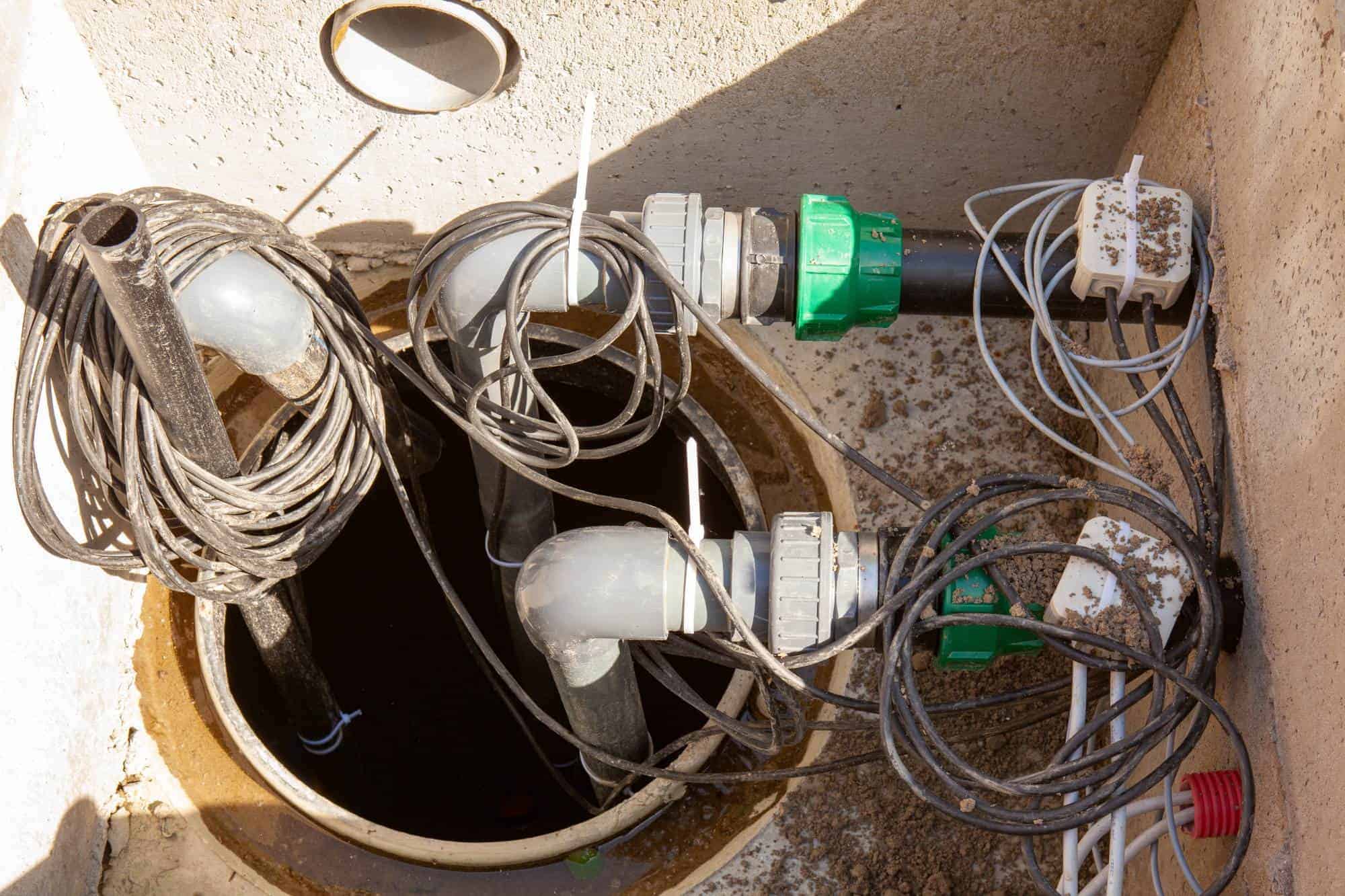
A sump pump sits in a pit at the lowest point of your basement. As water seeps through your foundation or comes up through the floor, it flows into this pit instead of spreading across your basement floor. When the water level gets high enough, a float switch triggers the pump to turn on. The pump then pushes that water out through a discharge pipe that carries it away from your house—usually at least 10 to 20 feet from your foundation.
It’s a simple system, which is both good and bad. Good because there aren’t a lot of parts to break. Bad because when one of those parts does break, the whole thing stops working. And unlike your furnace or water heater, you might not notice your sump pump has failed until water is already coming in.
The pump only runs when it needs to, which means it could sit dormant for weeks or months between heavy rains. That’s why testing it regularly matters. You pour water into the pit, watch the float rise, and make sure the pump kicks on and pushes the water out. If it doesn’t, you’ve just caught a problem before the next storm instead of during it.
Most pumps can handle typical rainfall without issue. The problem comes during those intense storms—the ones that drop more water in two hours than your system was designed to handle in a day. Or when the power goes out right when you need the pump most. Or when the pump is seven years old and hasn’t been maintained, and it finally gives up during the worst possible moment.
That’s why having a sump pump isn’t the same as having flood prevention. You need a pump that’s the right size for your home, properly installed, regularly maintained, and backed up for when things go wrong. Most people have the pump. Not everyone has the rest.
A sump pump sits in a pit at the lowest point of your basement. As water seeps through your foundation or comes up through the floor, it flows into this pit instead of spreading across your basement floor. When the water level gets high enough, a float switch triggers the pump to turn on. The pump then pushes that water out through a discharge pipe that carries it away from your house—usually at least 10 to 20 feet from your foundation.
It’s a simple system, which is both good and bad. Good because there aren’t a lot of parts to break. Bad because when one of those parts does break, the whole thing stops working. And unlike your furnace or water heater, you might not notice your sump pump has failed until water is already coming in.
The pump only runs when it needs to, which means it could sit dormant for weeks or months between heavy rains. That’s why testing it regularly matters. You pour water into the pit, watch the float rise, and make sure the pump kicks on and pushes the water out. If it doesn’t, you’ve just caught a problem before the next storm instead of during it.
Most pumps can handle typical rainfall without issue. The problem comes during those intense storms—the ones that drop more water in two hours than your system was designed to handle in a day. Or when the power goes out right when you need the pump most. Or when the pump is seven years old and hasn’t been maintained, and it finally gives up during the worst possible moment.
That’s why having a sump pump isn’t the same as having flood prevention. You need a pump that’s the right size for your home, properly installed, regularly maintained, and backed up for when things go wrong. Most people have the pump. Not everyone has the rest.
Want live answers?
Connect with a Go-Rooter Emergency Plumbers expert for fast, friendly support.
Maintaining a sump pump isn’t complicated, but it does need to happen regularly—not just when you remember or when you hear a storm is coming. Twice a year is the minimum. Before spring rains and before winter freezes. Those are the times when your pump is most likely to be needed and most likely to fail if something’s wrong.
Testing your pump takes about five minutes. You pour a bucket of water into the sump pit and watch what happens. The float should rise, the pump should kick on, and the water should drain out through the discharge pipe. If any part of that doesn’t happen, you’ve got a problem that needs fixing before the next heavy rain hits Cook County.
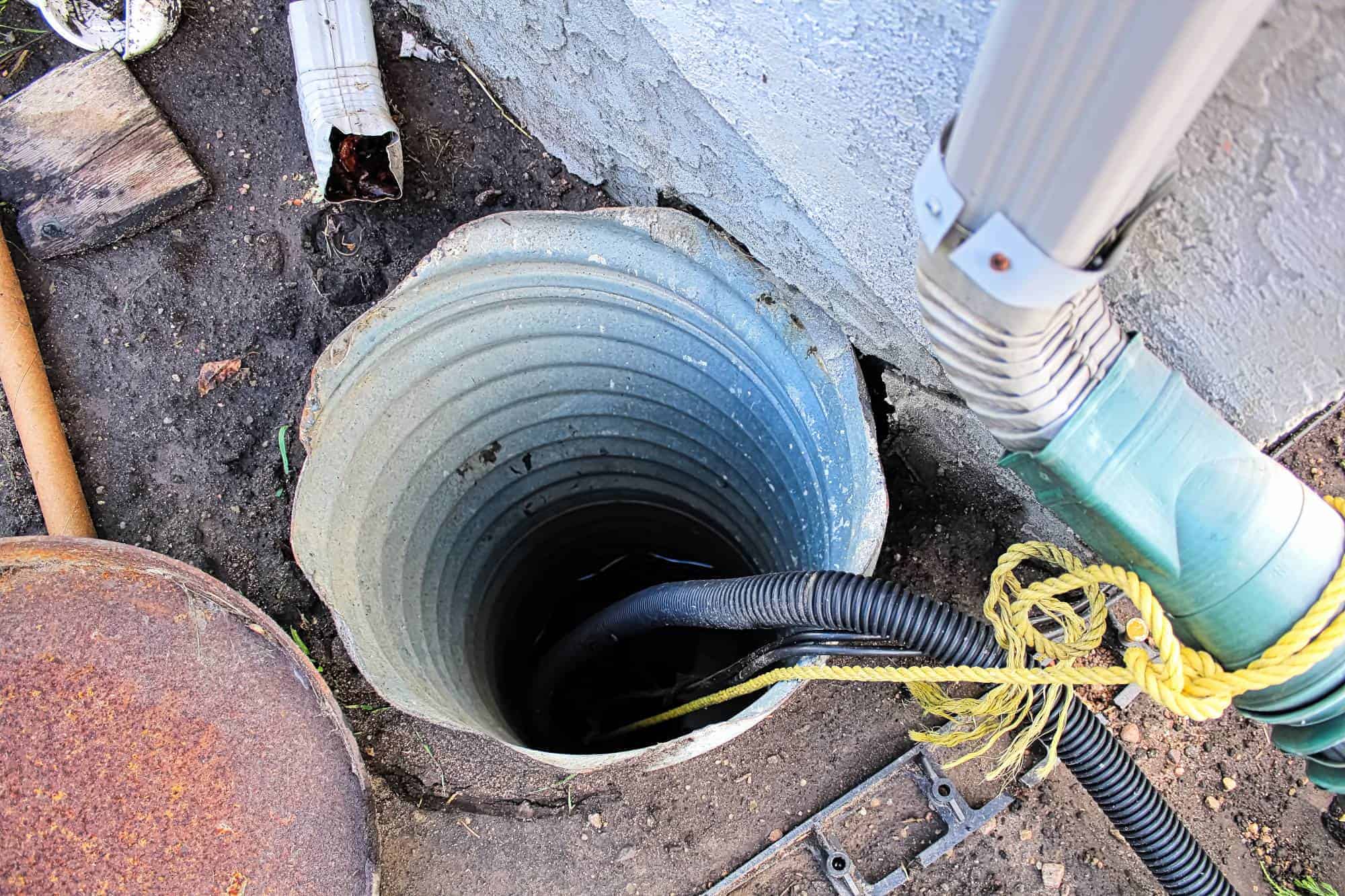
Start with the basics. Make sure the pump is plugged in. It sounds obvious, but people unplug pumps to use the outlet for something else and forget to plug them back in. Check that the power cord isn’t damaged and that the GFCI outlet is working properly. Test the outlet by pressing the test button—it should trip and then reset.
Look inside the sump pit. Is there debris floating around? Dirt, gravel, small rocks? Any of that can clog the pump’s intake or jam the float switch. Clean out the pit if you see buildup. While you’re at it, check that the pump is sitting upright. Pumps can shift over time, especially if they’re not installed on a stable base. If it’s tilted or lying on its side, it won’t work right.
The discharge pipe needs attention too. Go outside and find where it empties. Is water actually coming out when the pump runs? Is the pipe cracked or disconnected? Is the end of the pipe buried in snow or blocked by leaves? Any of those problems means the pump is working but the water isn’t going where it’s supposed to. In winter, make sure the discharge line isn’t frozen. A frozen line can cause the pump to run continuously, burn out the motor, or back water up into your basement.
Check valves are small but critical. They sit in the discharge line and prevent water from flowing backward into the pit after the pump shuts off. If the check valve is broken or missing, the pump has to work two or three times as hard because it’s pumping the same water over and over. You’ll hear the pump cycling on and off constantly, even when it’s not raining. That’s a sign the check valve needs replacing.
Battery backup systems need their own maintenance. If you have one, test it at least twice a year. Disconnect the primary pump and make sure the backup kicks on. Check the battery connections for corrosion. Most backup batteries need replacing every two to three years, even if they’ve never been used. A dead backup battery is no better than not having a backup at all.
Finally, listen to your pump when it runs. Strange noises—grinding, rattling, humming without pumping—usually mean something’s wrong inside the pump itself. Motors wear out. Impellers break. Bearings fail. If your pump sounds different than it used to, don’t wait to see if it gets worse. It will, and it’ll probably happen during the next storm.
Here’s a scenario that plays out constantly in Calumet City: a severe storm rolls through with heavy rain and high winds. The power flickers, then goes out completely. Your sump pump, which was just starting to work overtime because of all the rain, goes silent. Water keeps coming in. The pit fills up. And within an hour or two, you’ve got a flooded basement—not because your pump was broken, but because it had no power.
Battery backup sump pumps solve this exact problem. They’re separate pumps that run off a battery when the power goes out or when your primary pump fails. The battery stays charged through a trickle charger connected to your home’s electrical system. When the power cuts out, the backup pump takes over automatically. You don’t have to do anything. You might not even know the power went out until you get home and see the backup pump did its job.
The cost of a battery backup system is a fraction of what you’ll pay for water extraction services and flood damage cleanup. We’re talking a few hundred dollars for the equipment and installation versus several thousand dollars to clean up a flooded basement, replace damaged drywall, and deal with mold remediation. Insurance might not cover the flood damage, especially if it’s determined that lack of maintenance or backup systems contributed to the problem.
Some people ask if they can just use a generator instead. You can, but generators have their own issues. You have to be home to start them. You have to keep fuel on hand. They require maintenance. And if the power goes out while you’re at work or on vacation, a generator doesn’t help you. A battery backup system works whether you’re home or not, awake or asleep, prepared or caught off guard.
The peace of mind alone makes backup systems worth it. You stop worrying every time the forecast calls for severe weather in Cook County. You don’t rush home from work when storm warnings pop up on your phone. You know that even if the power goes out at 2 AM while you’re sleeping, your basement is protected. For people who’ve already dealt with one flood, that peace of mind is priceless. For people who haven’t flooded yet, it’s insurance against an almost inevitable problem.
Homes with dual pump systems—a primary pump and a battery backup—experience significantly fewer flooding incidents during severe weather. The backup doesn’t just protect against power outages. It also covers you if the primary pump fails mechanically, if it can’t keep up with heavy inflow, or if something blocks the discharge line. Two pumps give you redundancy. In a place like Calumet City, where flooding isn’t a matter of if but when, redundancy is smart planning.
Flood prevention in Calumet City isn’t about hoping your sump pump works when you need it. It’s about making sure it will. That means regular testing, seasonal maintenance, and having backup systems in place for when things go wrong. It means not waiting until you hear thunder to check if your pump still runs.
The next major storm is coming. We don’t know when, but based on the last few years, it’s not a question of if. Your sump pump is the only thing standing between your basement and thousands of dollars in water damage. Make sure it’s ready.
If you haven’t tested your pump recently, if you don’t have a battery backup, or if you’re not sure when your system was last inspected, now is the time to take care of it. We provide sump pump service, maintenance, and emergency plumbing repairs throughout Calumet City and Cook County, IL. We’re available around the clock because we know floods don’t wait for business hours.
Article details:
Share:
Continue learning:
Request a Callback
Want to skip the wait?
Simply enter your contact details, and we’ll call you when a NY Spine Advisor becomes available.