Discover what water heater replacement really costs in Chicago and Cook County, including equipment, labor, permits, and the hidden fees most homeowners don't expect.
Share:
Request a Callback
Want to skip the wait?
Simply enter your contact details, and we’ll call you when a Go Rooter Advisor becomes available.
Summary:
Your water heater just failed. Cold shower. Basement puddle. And now you need answers that actually matter—not vague national averages, but real Chicago numbers.
What’s this going to cost in Cook County, where labor runs 12% above national rates and permits aren’t optional? Most replacements happen exactly like this—zero time to research, just an urgent need and whoever picks up the phone first. That’s when pricing games hurt most. This guide breaks down what water heater replacement actually costs here, what drives those numbers, and which fees are legitimate versus which ones signal trouble.
The total cost to replace a water heater in Chicago isn’t just the tank price. You’re paying for equipment, labor, permits, disposal of your old unit, and potentially code upgrades that weren’t required when your current system went in a decade ago.
Chicago homeowners typically spend between $1,000 and $3,850 for complete replacement, with most landing around $2,000. A straightforward 40-gallon gas tank swap in an accessible basement costs far less than upgrading to tankless, which might need new gas lines, electrical work, and venting modifications.
Labor alone eats roughly half your total. Chicago’s 12% higher cost of living directly impacts what licensed plumbers charge. You’re paying for licensing, insurance, proper permitting, code knowledge, and the expertise that prevents gas leaks and flooded basements—not just the installation hours.
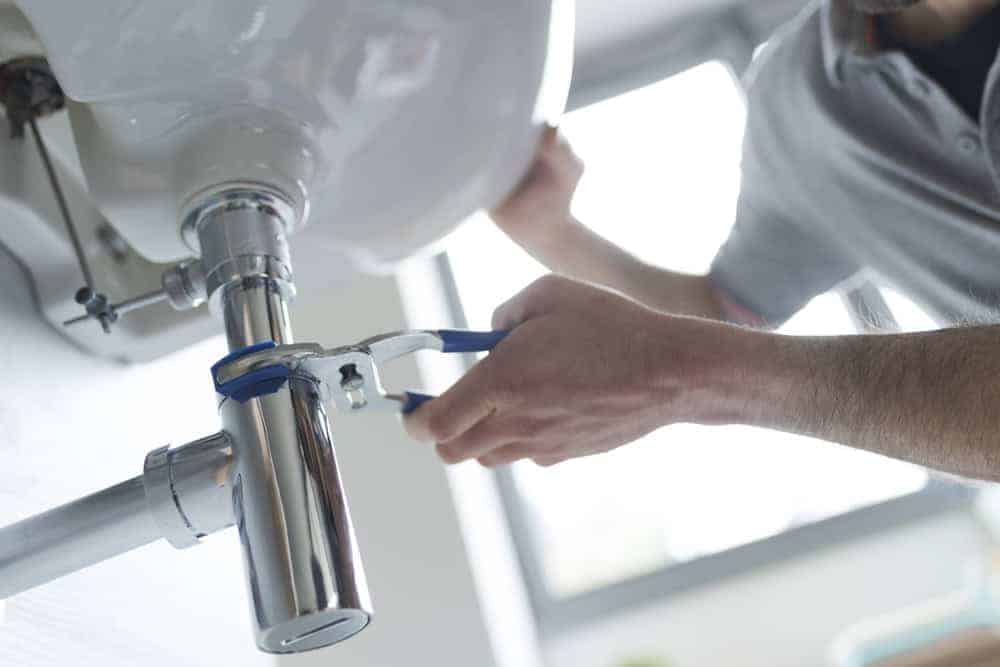
Labor for water heater installation in Chicago runs $200 to $1,000 for standard tank replacements. Plumbers charge $45 to $200 per hour depending on experience and job complexity. A straightforward replacement—new 50-gallon gas tank goes exactly where the old one sat—typically takes 3 to 4 hours and hits the lower end.
Tankless installations cost significantly more for labor: $800 to $3,000. The work is more involved. Your plumber might upgrade gas lines to handle higher BTU demands, install new venting systems, add electrical circuits for ignition, or relocate the unit closer to an exterior wall for proper venting.
Accessibility matters more than most homeowners expect. A water heater tucked in a tight crawlspace or third-floor closet takes longer to access than one sitting in an open basement. Older homes often need work to meet current building codes—expansion tanks, upgraded pressure relief piping, seismic straps.
Converting fuel types increases labor substantially. Electric to gas requires new gas lines and venting, adding $500 to $2,000. Gas to electric means electrical panel upgrades and dedicated circuits, typically $250 to $900.
The labor you’re paying for includes more than installation. Professional plumbers handle permit applications, coordinate inspections, remove and dispose of your old unit properly, test all connections for leaks, and ensure everything meets Cook County code. Skipping these steps might save money initially but creates liability issues and safety hazards that cost far more later.
Chicago’s hard water creates another labor consideration most don’t anticipate. Mineral buildup makes removing old water heaters more difficult, especially if the unit hasn’t been maintained. Corroded connections sometimes require extra time and specialized tools to remove without damaging surrounding plumbing.
Gas water heater replacement in Chicago typically costs $1,600 to $2,500 for a standard 50-gallon tank, including equipment and installation. That assumes you’re replacing an existing gas unit with a similar model in the same location, no major plumbing or venting modifications required.
Gas systems dominate Chicago’s market for good reason. Around 80% of homes here use natural gas for heating, making gas water heaters the natural choice. Gas units heat water faster than electric models, recover more quickly when the tank runs low, and cost less to operate monthly despite higher upfront installation costs.
The equipment itself—just the tank—runs $400 to $1,200 for most residential gas models. Size impacts price directly. Chicago’s average household size of 2.2 people means most residents do fine with 40 to 50-gallon tanks, keeping equipment costs in the middle of that range.
Installation complexity for gas systems centers on venting requirements and gas line capacity. Your new water heater needs proper ventilation to safely expel combustion gases. Older homes with chimney venting can sometimes reuse existing venting, but newer high-efficiency models often require power venting or direct venting through an exterior wall. Power vent installations add $300 to $600 for specialized equipment, plus $300 to $500 for electrical work.
Gas line sizing matters more than many realize. If your existing gas line was sized for an older, lower-BTU water heater, upgrading to a more powerful unit might require increasing the gas line diameter. This work typically adds $500 to $1,500, depending on distance from your gas meter and routing complexity.
Permits for gas water heater installation in Cook County typically run $200 to $425. You need permits for installing gas appliances and altering plumbing systems. Professional plumbers handle permit applications as part of their service, but some lower-cost contractors skip this step. That creates problems later—unpermitted installations complicate insurance claims if your water heater causes damage, and they raise red flags during home sale inspections.
Disposal of your old gas water heater adds another $250 to $800, depending on your contractor’s policies and local disposal fees. Some companies include removal and haul-away in their quoted price; others charge separately. Always clarify what’s included before agreeing to any estimate.
Want live answers?
Connect with a Go-Rooter Emergency Plumbers expert for fast, friendly support.
The type of water heater you choose creates the biggest swing in total replacement cost. A basic electric tank might cost $1,600 installed, while a whole-house tankless gas system can push past $5,000 once you factor in infrastructure upgrades.
Each system type serves different needs and budgets. Tank systems store heated water in an insulated tank, ready when you need it. Tankless systems heat water on demand as it flows through the unit, eliminating standby energy losses but requiring higher upfront investment and more complex installation.
Your home’s existing infrastructure plays a major role in which option makes financial sense. If you have natural gas service and adequate venting, a gas tank replacement is usually most cost-effective. Homes with electric-only service face higher operating costs with electric tanks but avoid the expense of running new gas lines.
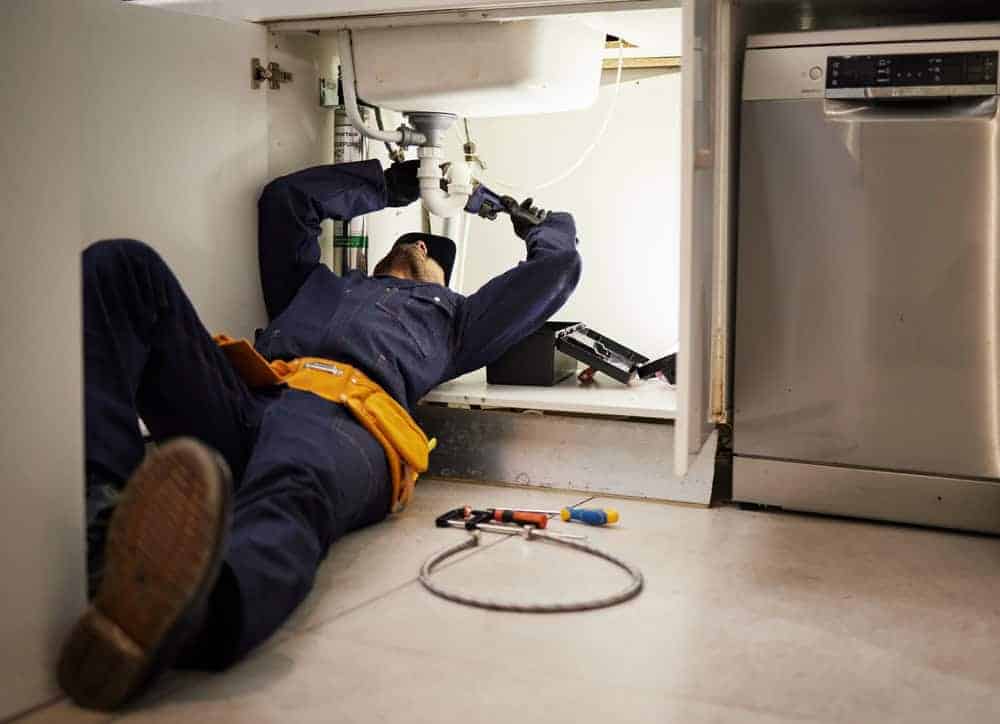
Electric water heaters cost $1,600 to $2,200 installed for a standard 50-gallon tank in Chicago—typically $200 to $500 less than comparable gas models upfront. That lower initial cost makes electric systems attractive for homeowners on tight budgets or properties without natural gas service.
Installation simplicity explains much of the cost difference. Electric units don’t require venting systems, gas line connections, or combustion air supply. Your plumber connects water lines, hooks up electrical supply, and you’re done. No permits for gas work, no venting modifications, no carbon monoxide concerns.
Operating costs tell a different story. Electric water heaters cost significantly more to run monthly compared to gas systems. Natural gas prices in the Chicago area make gas units roughly 10-15% cheaper to operate despite gas systems’ lower efficiency ratings. Over the typical 10 to 12-year lifespan of a tank water heater, those operating cost differences add up to hundreds or thousands of dollars.
Gas water heaters heat water faster and recover more quickly. If you’ve run out of hot water mid-shower, you know recovery time matters. Gas units can reheat a full tank in 60 to 70 minutes, while electric models take closer to 120 minutes. For larger households or homes with high hot water demands, that performance difference justifies the higher installation cost.
Converting from electric to gas requires substantial additional investment. You’ll need to run new gas lines from your meter to the water heater location, install proper venting, and potentially modify your home’s structure to accommodate vent pipes. These modifications typically add $1,000 to $3,000, making conversion expensive unless you’re planning to stay in your home long enough to recoup costs through lower operating expenses.
Chicago’s hard water impacts both system types, but in different ways. Electric water heaters have heating elements that can become coated with mineral scale, reducing efficiency and eventually causing element failure. Gas units develop sediment buildup at the bottom of the tank, creating hot spots that can damage the tank lining. Both issues shorten lifespan—Chicago’s hard water can reduce a tank system’s life by 2 to 3 years without regular maintenance like annual flushing.
Energy efficiency considerations favor electric tanks slightly in how efficiently they convert energy to heat. Electric resistance heating is nearly 100% efficient at the point of use, while gas water heaters lose some energy through venting. However, when you account for the full energy chain—including power plant efficiency and transmission losses for electricity—gas systems often come out ahead in overall efficiency and environmental impact in areas with natural gas infrastructure like Chicago.
Tankless water heater cost in Chicago runs $2,000 to $5,600 for whole-house systems, with higher prices reflecting substantial infrastructure modifications these systems often require. The units themselves cost $1,000 to $3,000, but installation complexity drives total price significantly higher than traditional tank replacements.
The appeal is clear. Endless hot water on demand, 15 to 20-year lifespan compared to 10 to 12 for tanks, and 24 to 34% lower energy consumption for households using 41 gallons or less daily. That efficiency translates to 8 to 14% lower household energy costs annually—roughly $95 per year for an average family, adding up to $1,800 or more over the system’s lifespan.
Installation costs run higher because tankless systems demand more from your home’s infrastructure. Gas tankless units require larger gas lines to deliver the high BTU input needed for on-demand heating. If your existing gas line was sized for a traditional tank heater, you’ll likely need to upgrade to 3/4-inch pipe, adding $500 to $2,000 depending on distance and routing complexity.
Venting requirements for gas tankless systems differ substantially from traditional tanks. Most tankless units need power venting or direct venting through an exterior wall rather than chimney venting. This means cutting through your home’s exterior, installing specialized PVC or stainless steel vent pipes, and ensuring proper condensate drainage. Venting modifications alone can add $500 to $1,500.
Electric tankless systems avoid gas line and venting complications but create different challenges. Whole-house electric tankless units draw 100 to 160 amps—40 to 50% of a typical 200-amp electrical panel’s capacity. Most homes need electrical panel upgrades and new dedicated circuits to support these demands, potentially adding $2,000 to $3,000.
Location flexibility is both an advantage and a complication. The compact size—roughly 28 inches tall, 20 inches wide, 10 inches deep—means you can mount them on walls and free up floor space. However, getting optimal performance often means relocating the unit closer to point-of-use locations or installing multiple smaller units for different areas of your home, which increases installation costs.
Replacing an existing tankless system with a new tankless unit costs substantially less—typically $1,400 to $3,000—because the infrastructure is already in place. Gas lines, venting, and electrical supply are already sized correctly, so installation time and complexity drop significantly.
Chicago’s 80% natural gas penetration makes gas tankless systems more practical here than in areas without gas infrastructure. You’re leveraging existing energy infrastructure rather than forcing electric solutions that strain your electrical system and cost more to operate. That doesn’t mean tankless makes sense for every Chicago homeowner.
Consider your actual hot water usage patterns before committing. If you frequently run multiple showers simultaneously, run dishwashers while someone’s bathing, or have high peak demands, you might need a larger, more expensive tankless unit—or multiple units—to keep up. A properly-sized tank system might serve your needs better at lower cost.
Water heater replacement costs in Chicago and Cook County depend on more variables than most homeowners initially realize—equipment type, fuel source, installation complexity, labor rates, permits, disposal fees, code compliance requirements. Understanding these components before you’re standing in a flooded basement gives you the information you need to make decisions under pressure without getting taken advantage of.
The cheapest quote isn’t the best value. A contractor quoting $800 for complete replacement is cutting corners somewhere—skipping permits, rushing installation, using substandard equipment, or planning to hit you with “unexpected” charges once work begins. Quality installation by licensed, insured professionals costs more upfront but prevents the safety hazards, code violations, and premature failures that make cheap installations expensive.
When you need water heater replacement with transparent pricing and no surprise charges, we handle the entire process for Chicago and Cook County homeowners. Our 24/7 availability means you get same-day service when your water heater fails, and our focus on long-term solutions means honest recommendations based on your actual needs—not whatever generates the biggest invoice.
Article details:
Share:
Continue learning:
Request a Callback
Want to skip the wait?
Simply enter your contact details, and we’ll call you when a NY Spine Advisor becomes available.