Dealing with a clogged shower drain? Discover safe DIY unclogging methods and learn when standing water means it's time to call a professional plumber.
Share:
Request a Callback
Want to skip the wait?
Simply enter your contact details, and we’ll call you when a Go Rooter Advisor becomes available.
Summary:
You’re five minutes into your shower when you notice it. Water pooling around your feet. Rising higher. That moment when relaxation turns into standing in your own dirty bathwater.
A clogged shower drain doesn’t just ruin your morning—it’s a warning sign that shouldn’t be ignored. Hair, soap scum, and mineral buildup from Cook County’s notoriously hard water combine to create stubborn blockages that slow drainage and, if left unchecked, can lead to bigger plumbing problems.
The good news? Many shower drain clogs can be cleared safely at home without harsh chemicals or expensive service calls. But the key word is safely. Using the wrong method can damage your pipes, void insurance coverage, or turn a simple clog into a costly repair. Let’s start with what’s actually causing that backup.
Most shower drain clogs don’t happen overnight. They build gradually as multiple substances accumulate inside your pipes.
Hair is the primary culprit. Every shower sends loose strands down the drain, and those strands don’t break down like soap or shampoo. They stick to pipe walls, tangle together, and create a net that traps everything else flowing through.
But hair alone isn’t the whole story. Soap scum—the sticky film formed when soap mixes with minerals in hard water—acts like glue. It coats your pipes and gives hair something to cling to. Add in body oils, shampoo residue, and the mineral deposits from Chicago’s hard water (measured at about 8 grains per gallon), and you’ve got the perfect recipe for a stubborn clog that gets worse with every shower.

If you live in Cook County, your plumbing is fighting an uphill battle. The region’s hard water contains high levels of calcium and magnesium—minerals that don’t just leave spots on your dishes. They build up inside your pipes, narrowing the passage and creating rough surfaces where hair and soap scum easily catch.
Many Chicago-area homes were built in the 1970s or earlier. That means decades-old plumbing systems with galvanized or cast-iron pipes that corrode over time. These aging pipes develop rough interior surfaces and sometimes lose their proper slope, making clogs more frequent and harder to clear.
The clay-heavy soil common in this area doesn’t help either. It retains water and shifts with Chicago’s freeze-thaw cycles, putting stress on underground pipes. Mature trees—beautiful in your yard, problematic for your plumbing—send roots searching for moisture, and old, fragile sewer lines make easy targets.
This combination of hard water, aging infrastructure, and environmental factors means Cook County homeowners deal with more frequent drain issues than residents in newer developments or areas with softer water. What works as a quick fix in other parts of the country might only provide temporary relief here. That’s why understanding the right approach matters more than just knowing a few tricks.
Clogs rarely announce themselves all at once. They send warning signs first, and catching them early can save you from bigger headaches down the line.
Slow drainage is usually the first clue. Water that takes longer than usual to disappear, or pools around your feet during a shower, means something is restricting flow. You might not think much of it at first, but slow drainage today often becomes standing water tomorrow.
Gurgling sounds coming from your drain are another red flag. That noise indicates trapped air in your pipes—air that’s being displaced by water trying to move past a blockage. If you hear gurgling when you’re not even using the shower, or if it happens in other drains when you flush the toilet, you’re likely dealing with a clog in your main sewer line, not just your shower drain.
Foul odors are a clear sign that organic material—hair, soap, skin cells—is decomposing inside your pipes. A musty or sewage-like smell near your drain means the clog has been there long enough to start breaking down. This isn’t just unpleasant; it indicates bacteria growth that won’t resolve on its own.
Water backing up in other fixtures is the biggest warning sign. If your shower drain causes your toilet to bubble, or if your bathroom sink backs up when you run the washing machine, you’re not dealing with a simple shower clog. You’ve got a blockage in your main drain line, and DIY methods won’t fix it. That requires professional diagnosis and specialized equipment to clear properly.
Want live answers?
Connect with a Go-Rooter Emergency Plumbers expert for fast, friendly support.
Before you reach for harsh chemicals or call a plumber, there are several safe, effective methods you can try at home to unclog your shower drain. The key is knowing which approach matches your situation and how to avoid making things worse.
Start with the simplest solution: manual removal. Remove your drain cover (usually held by a screw or two) and look inside with a flashlight. You’d be surprised how often the clog is visible right there—a clump of hair wrapped around the crossbars. Put on gloves, pull it out with your fingers or needle-nose pliers, and you’re done. Run water to confirm it’s draining properly.
If the clog sits deeper, you’ll need to use one of the mechanical or natural methods below. Each has its place, and understanding when to use which approach will help you clear the drain without damaging your pipes.
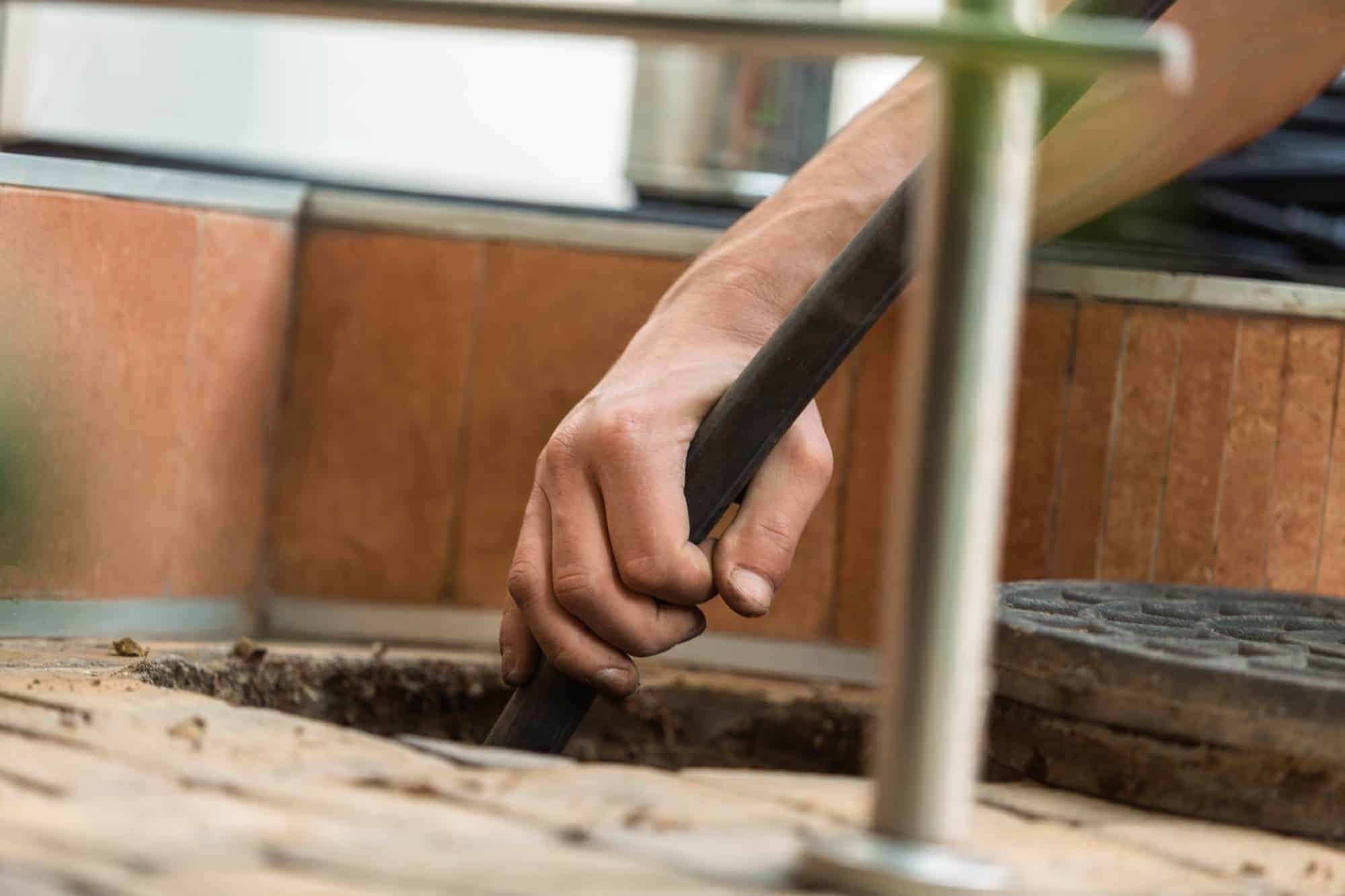
The baking soda and vinegar method is popular for good reason. It’s safe for your pipes, uses ingredients you probably already have, and works well for minor clogs caused by soap scum and light hair buildup.
Here’s how to do it right. Pour about half a cup of baking soda directly down the drain. Follow it with one cup of white vinegar. You’ll see it fizz and bubble—that’s the chemical reaction breaking down organic material and soap residue. Cover the drain with a plug or wet cloth to keep the reaction contained in your pipes where it’s actually doing work.
Let it sit for 30 minutes. Some people recommend overnight for tougher clogs. Then flush with hot water—not boiling, especially if you have PVC pipes, which can warp at high temperatures. Hot tap water works fine and won’t risk damaging your plumbing.
This method works best as regular maintenance or for early-stage clogs. If your drain is completely blocked with standing water that won’t go down at all, baking soda and vinegar won’t have enough power to clear it. You’ll need a more aggressive approach.
One important note: never mix baking soda and vinegar with commercial drain cleaners or bleach. Combining different chemicals can create toxic fumes or dangerous reactions. If you’ve already used a chemical cleaner and it didn’t work, flush your drain thoroughly with water before trying natural methods.
When natural solutions don’t cut it, mechanical tools give you more clearing power without the risks that come with chemical drain cleaners.
A plunger isn’t just for toilets. It works on shower drains too, though you’ll want to use a cup plunger (the one with a flat rubber cup) rather than a flange plunger. Remove the drain cover first. Add enough water to cover the plunger cup—you need water, not air, to create the pressure that dislodges clogs. Press down firmly to create a seal, then use quick, forceful up-and-down motions. Six to ten good plunges usually do the trick. If water starts draining, you’ve cleared it. If not, try a few more times before moving on.
A drain snake (also called a plumbing auger) reaches clogs that sit deeper in your pipes. You can pick one up at any hardware store for under twenty dollars, or make a temporary version with a wire coat hanger straightened out with a small hook bent at one end. Feed the snake into the drain slowly, twisting as you go. When you hit resistance, that’s your clog. Keep twisting to break it up or hook onto it, then slowly pull back out. You’ll likely bring hair and gunk with it—gross, but effective.
Be gentle with drain snakes. Forcing them too hard or twisting too aggressively can scratch your pipes or push the clog deeper instead of removing it. If you encounter resistance that won’t budge after a few attempts, stop. You might be hitting a bend in the pipe rather than the actual clog, and continued force could cause damage.
Both methods work well for typical hair and soap clogs. They’re mechanical solutions that physically remove the blockage rather than trying to dissolve it. That makes them more reliable than chemical cleaners for stubborn clogs, and safer for your pipes in the long run.
DIY methods handle many shower drain clogs successfully. But some situations require professional equipment, expertise, and diagnosis that you can’t get from a hardware store.
If you’ve tried the methods above and your drain still won’t clear, the clog is either deeper in your line than home tools can reach, or it’s caused by something other than hair and soap—mineral buildup, tree roots, or a damaged pipe. Continuing to try DIY fixes at that point just wastes your time and risks making the problem worse.
Multiple drains backing up at once means you’re dealing with your main sewer line, not individual fixtures. That requires camera inspection to locate the blockage and professional-grade equipment like hydro jetting to clear it properly. Recurring clogs that come back within weeks despite your best efforts also point to a deeper issue that needs expert diagnosis.
For Cook County homeowners, we understand the unique challenges your plumbing faces—hard water, aging pipes, and the environmental factors that make clogs more frequent here. With 24/7 availability, upfront pricing, and camera inspection technology that identifies the real problem, we provide long-term solutions instead of temporary fixes. When your shower drain won’t cooperate, knowing when to call in expertise saves you time, money, and the frustration of standing in dirty water tomorrow morning.
Article details:
Share:
Continue learning:
Request a Callback
Want to skip the wait?
Simply enter your contact details, and we’ll call you when a NY Spine Advisor becomes available.