Choosing between french drain installation and a sump pump for your Cook County basement? This comparison breaks down costs, performance, and when each system works best.
Share:
Request a Callback
Want to skip the wait?
Simply enter your contact details, and we’ll call you when a Go Rooter Advisor becomes available.
Summary:
Your basement flooded again last month. You spent the weekend hauling out ruined boxes and running fans, and now you’re done dealing with it. You’ve heard french drain installation and sump pumps both prevent flooding, but nobody’s explained which one you actually need. Some neighbors swear by their French drains. Others say sump pumps saved their basements during the last storm. The truth is, they work differently, cost differently, and solve different problems. This breakdown shows you exactly how each system protects your home, what you’ll pay, and which approach makes sense for your property in Cook County, IL.
French drains and sump pumps tackle basement water from opposite angles. A french drain system intercepts water before it reaches your foundation, redirecting it away through underground trenches filled with gravel and perforated pipe. Think of it as preventative defense—stopping the problem at the source.
Sump pumps work as your emergency response team. They sit in a pit in your basement floor and actively pump out water that’s already collected. When groundwater rises or heavy rain overwhelms your property, the pump kicks on and pushes that water away from your home.
The biggest difference? French drains are passive and run on gravity. Sump pumps are active and need electricity. Neither one is automatically “better”—what matters is matching the right system to your specific water problem.
A french drain system is basically a trench filled with gravel and a perforated pipe that catches water and moves it somewhere else. The pipe has small holes that let water flow in while keeping soil and debris out. Gravity does all the work—water naturally flows downhill through the pipe to a safe discharge point away from your foundation.
You can install French drains in two places. Exterior systems run around the outside of your foundation, catching water before it ever touches your basement walls. These work great for surface water and steady groundwater issues. Interior systems install along the inside perimeter of your basement floor, collecting water that seeps through cracks or the cove joint where your floor meets the wall.
The gravel layer serves as a filter, preventing the pipe from clogging with mud and sediment. Most residential installations use 4-inch perforated PVC pipe surrounded by at least 12 inches of washed gravel, all wrapped in landscape fabric to keep soil from washing into the system.
In Cook County, IL, where heavy clay soil doesn’t drain well, French drains give that water a clear path instead of letting it pool against your foundation. The system works 24/7 without electricity, pumps, or moving parts. As long as gravity can pull water downhill, your French drain keeps working.
The discharge point matters. Your French drain needs somewhere to send the water—either to a lower area of your yard, a storm drain, a dry well, or even a sump pump basin. Without a proper outlet, you’re just moving water around instead of getting rid of it.
Installation depth varies based on your needs. Shallow French drains (12-24 inches deep) handle surface water and yard drainage. Deep footing drains (installed at foundation level) intercept groundwater before it can create hydrostatic pressure against your basement walls. The deeper you go, the more excavation work you’re paying for.
Sump pump installation starts with a pit—a hole dug at the lowest point of your basement floor, typically 18-24 inches in diameter and at least 30 inches deep. This pit collects water from your basement floor, foundation cracks, or connected drainage pipes. When water fills the pit to a certain level, a float switch activates the pump.
The pump then pushes water up through a discharge pipe that carries it outside, away from your foundation. Most systems discharge at least 10 feet from your home to prevent water from cycling back to your basement. In Chicago’s freeze-thaw climate, discharge lines often need to be buried below frost depth or include freeze protection to prevent winter blockages.
Two main pump types dominate residential installations. Submersible pumps sit underwater in the pit, sealed against moisture. They run quieter and handle higher volumes but cost more upfront. Pedestal pumps mount the motor above the pit on a column, making them easier to service and longer-lasting but noisier during operation.
Horsepower determines how much water your pump can move and how high it can push it. A 1/3 HP pump handles most residential needs, moving 2,000-3,000 gallons per hour. Homes with high water tables or frequent flooding often need 1/2 HP or larger pumps for adequate protection.
The discharge system needs a check valve to prevent water from flowing backward into the pit after the pump shuts off. Without this valve, your pump works twice as hard and wears out faster. Many installations also include an alarm that alerts you if water rises too high, giving you warning before flooding occurs.
Power dependency is the biggest vulnerability. When storms knock out electricity—which happens frequently during the heavy weather that causes flooding—your sump pump stops working right when you need it most. That’s why battery backup systems have become essential in Cook County, IL, where power outages often coincide with severe storms.
A sump pump battery backup keeps your system running during outages, typically providing 6-24 hours of protection depending on battery capacity and pump usage. These systems automatically detect power loss and switch to battery mode, ensuring continuous water removal even when the grid goes down.
Want live answers?
Connect with a Go-Rooter Emergency Plumbers expert for fast, friendly support.
Sump pump installation in Cook County, IL typically runs $800-$2,500 for a complete system. That price includes the pump, pit excavation, discharge piping, and labor. Standard submersible pumps cost $600-$1,200 installed, while pedestal models run $400-$800. Battery backup systems add another $900-$1,500 to your total investment.
The math makes sense when you compare installation costs to flood damage. The average basement flood restoration in Chicago costs $4,500-$12,000. Even minor water damage from a failed pump during a storm can easily exceed $2,000 in cleanup and repairs. Your sump pump pays for itself the first time it prevents flooding.
Chicago-specific factors affect your costs. Homes built before 1970 often need electrical upgrades, adding $200-$400. Crawl space installations run 25-35% more than basement installations due to limited access. Cook County requires permits for most sump pump installations, typically $50-$150.
Power outages and flooding go hand-in-hand in Cook County. When severe storms hit, they often knock out electricity right when your sump pump needs to work hardest. Cook County recorded 2,095 basement flooding reports in July 2025, and 76% occurred during or immediately after power outages.
A sump pump battery backup solves this vulnerability. The system uses deep-cycle marine batteries connected to an inverter that powers your pump when the grid fails. When your primary pump loses power, the backup automatically takes over within seconds, preventing water from accumulating while you’re without electricity.
Most battery backup systems provide 6-24 hours of continuous operation, depending on how frequently the pump cycles and battery capacity. During a typical Chicago storm with intermittent pumping, a quality backup system can protect your basement for an entire day or longer. That coverage spans most power outages, which typically last 4-12 hours during severe weather.
The peace of mind factor matters too. You can leave for work or vacation without worrying that a summer thunderstorm will flood your basement while you’re away. You don’t have to rush home during every storm to check on your pump. The backup system handles it automatically.
Installation costs for battery backup systems range from $900-$1,500, including batteries, inverter, and labor. That investment prevents an average of $7,500 in flood damage over the system’s 7-10 year lifespan. When you’re already spending $1,200-$1,500 on sump pump installation, adding backup protection for another $900-$1,500 makes financial sense.
Battery maintenance is minimal but necessary. You’ll want to test your backup system every few months and replace batteries every 3-5 years depending on usage. Most systems include monitoring features that alert you when batteries need replacement or if the backup activates, so you’re never caught off guard.
Some insurance companies offer discounts for homes equipped with battery backup sump pumps, recognizing the reduced flood risk. Check with your provider to see if you qualify for savings that offset some of your installation costs.
Sump pumps excel in situations where water needs active removal from below-grade spaces. If you have a high water table—meaning groundwater sits close to your basement floor—gravity-based French drains often can’t move water away fast enough. The pump provides the mechanical force needed to lift water up and out.
Homes with finished basements or valuable storage below grade need the immediate response a sump pump provides. When water starts entering your basement, you want it removed within minutes, not hours. The pump activates automatically and handles sudden surges that passive drainage can’t match.
Properties without good French drain discharge options benefit from sump pumps. If your lot is flat or your basement sits lower than surrounding grade, you may not have anywhere for a French drain to send water via gravity. A sump pump can push water uphill and away from your home regardless of terrain.
Existing homes with established landscaping often find sump pump installation less disruptive. Interior sump pump installation requires cutting a section of basement floor and installing the pit and discharge line. Exterior French drain installation means digging trenches around your foundation, potentially destroying landscaping, patios, or driveways.
The speed of installation matters during emergencies. We can install a sump pump in 4-6 hours in most cases. French drain installation takes 1-3 days depending on length and complexity. If you’re dealing with active flooding and need immediate protection, sump pumps deliver faster results.
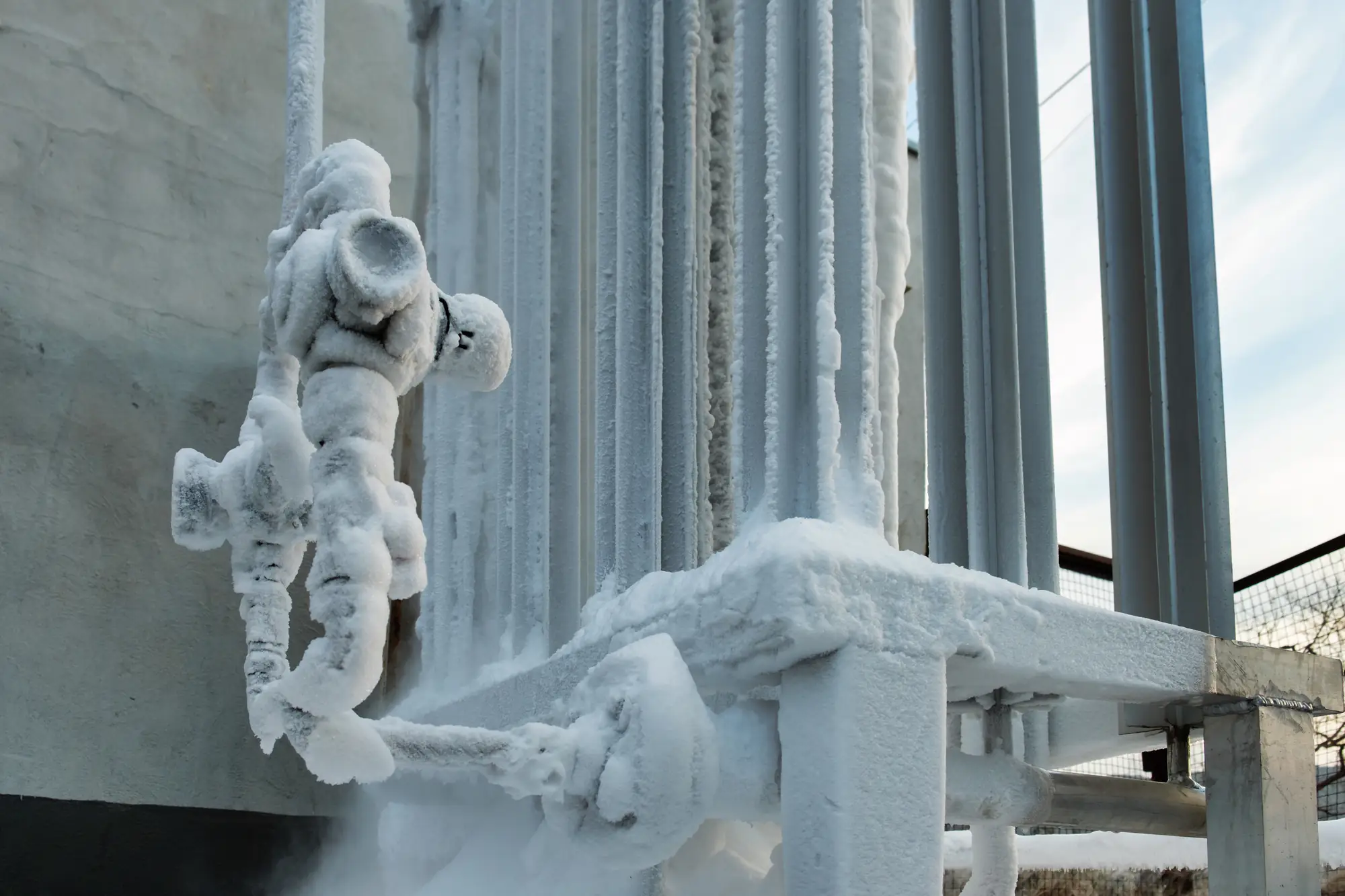
Sump pumps also work better in extremely cold climates when paired with proper discharge line protection. While French drains can experience ice buildup in their discharge areas during winter, a properly installed sump pump with freeze-protected discharge continues working year-round.
For homes that already have interior perimeter drains or footer drains collecting water, a sump pump becomes the necessary endpoint. These existing drainage systems channel water to a collection point, and the pump provides the muscle to remove it. Without the pump, you’re just collecting water with nowhere for it to go.
The french drain installation versus sump pump debate isn’t about picking a winner—it’s about matching the right solution to your specific water problem. French drains prevent water from reaching your foundation, working passively through gravity. Sump pumps actively remove water that’s already collected, providing mechanical force when gravity isn’t enough.
Many Cook County, IL homes benefit from both systems working together. A French drain collects and channels water while a sump pump provides the removal power, creating comprehensive protection against Chicago’s unpredictable storms and aging drainage infrastructure. The combined approach addresses both steady groundwater seepage and sudden heavy rainfall events.
Your property’s unique characteristics determine the best approach. Water table height, soil type, lot grading, and flooding patterns all factor into the decision. A professional assessment identifies where water enters, how it moves around your property, and which system—or combination—provides reliable long-term protection.
If you’re dealing with basement water issues in Cook County, we can evaluate your situation and recommend the right flood control solution. With 24/7 availability, upfront pricing, and a focus on permanent fixes rather than temporary patches, you’ll get the protection your home needs before the next storm hits.
Article details:
Share:
Continue learning:
Request a Callback
Want to skip the wait?
Simply enter your contact details, and we’ll call you when a NY Spine Advisor becomes available.