Confused about plumbing permit requirements in Cook County? Learn which projects need permits, how to apply, inspection timelines, and what happens if you skip this critical step.
Share:
Request a Callback
Want to skip the wait?
Simply enter your contact details, and we’ll call you when a Go Rooter Advisor becomes available.
Summary:
You’re planning a plumbing project. Maybe it’s a bathroom remodel, a water heater replacement, or fixing that persistent leak that’s been driving you crazy. Before you or your contractor touch a single pipe, there’s one question you need to answer: does this work require a permit?
In Cook County, the answer matters more than you think. Unpermitted plumbing work doesn’t just risk fines—it can void your homeowner’s insurance, tank your property value, and create legal headaches when you try to sell. But the permit process doesn’t have to be confusing or overwhelming.
Let’s walk through exactly what Cook County requires, which projects need permits, and how to navigate the process without delays or surprises.
Cook County takes plumbing permits seriously. Whether you’re in Chicago or one of the unincorporated areas, any installation, alteration, or repair of plumbing fixtures and systems requires a permit application. This includes sewerage systems, water systems, and everything in between.
The distinction between Chicago and unincorporated Cook County matters. Chicago has its own Department of Buildings and follows the Chicago Plumbing Code. Unincorporated areas fall under the Cook County Department of Building and Zoning, which handles all permit applications for those properties.
Both jurisdictions share the same core principle: if you’re changing how water comes in or waste goes out, you probably need a permit. The only real exceptions are simple repairs that don’t involve replacing pipes or fixtures.
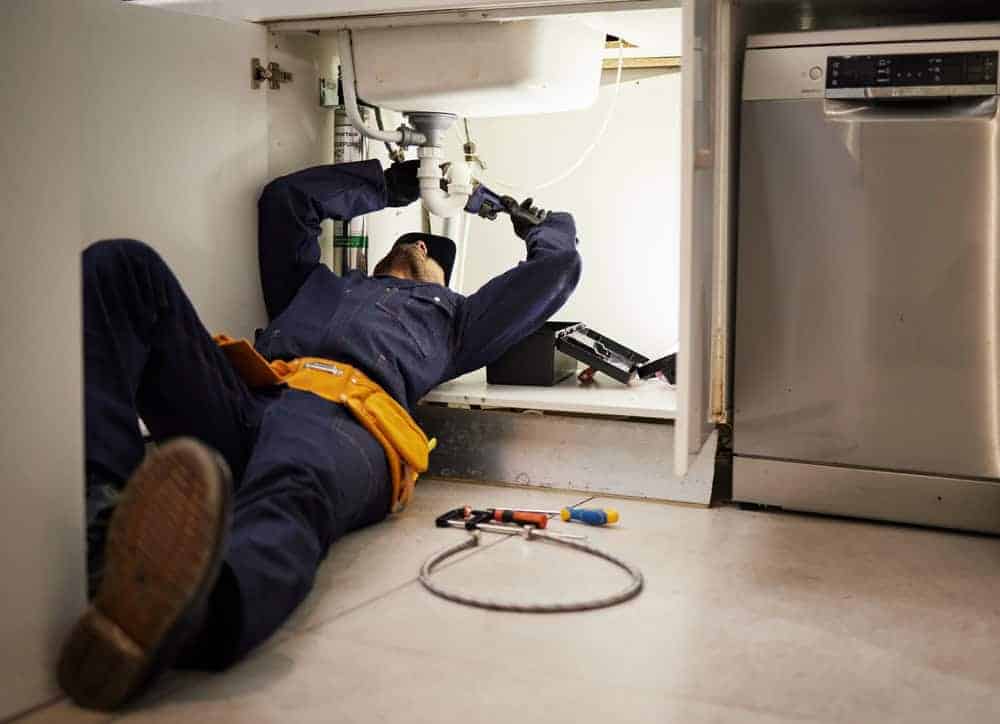
Here’s where most homeowners get confused. Not every plumbing task requires a permit, but the line between permitted and non-permitted work is specific.
You need a permit for installing new plumbing fixtures like sinks, toilets, showers, or bathtubs. You need one for relocating existing fixtures. Water heater installations and replacements require permits. Any work involving sewer lines, water supply lines, or drain systems needs approval. If you’re adding a bathroom, remodeling a kitchen, or extending plumbing to a new addition, permits aren’t optional.
You also need permits for less obvious projects. Lawn sprinkler systems require permits. Gas piping work requires permits. Even well installations fall under permit requirements. Basically, if it connects to your water supply or drainage system in any permanent way, assume you need approval.
On the flip side, some repairs don’t require permits. Stopping a leak in an existing pipe doesn’t need one, as long as you’re not replacing the pipe itself. Clearing a clogged drain is fine. Repairing a leak in a valve or fixture without replacing it doesn’t require paperwork. But here’s the catch: the moment you start removing and replacing pipes, even to fix that leak, you’ve crossed into permit territory.
The Cook County Building Code specifically exempts “ordinary repairs” that don’t involve structural changes or affect safety features. But that’s a narrow exception. Most real plumbing work—the kind that actually solves problems long-term—requires going through proper channels.
This is where working with a registered contractor makes life easier. We know exactly which projects need permits and which don’t. We’re not going to waste your time pulling permits for a simple faucet repair, but we’re also not going to skip permits on work that requires them. That knowledge alone is worth the cost of hiring a pro.
Let’s talk about what actually happens when you skip the permit process. It’s not just a slap on the wrist.
First, there’s the money. In Illinois, working without proper licensing or contractor registration can cost you up to $5,000 per offense. That’s not a one-time fine—it’s per violation. If you’ve done unpermitted work on multiple systems or over time, those fines stack up fast. Cook County can also issue stop-work orders, forcing you to halt construction until you get proper permits and approvals.
But the financial hit doesn’t stop at fines. Your homeowner’s insurance might not cover damage related to unpermitted plumbing work. Think about that for a second. If unpermitted plumbing causes water damage, a fire, or structural issues, your insurance company can deny your claim. You’re on the hook for everything—the original damage, the repairs, and potentially liability if someone gets hurt.
Then there’s the resale problem. When you sell your home, buyers and their inspectors will ask about permits for major work. If you can’t produce permit records, you’ve got three bad options: disclose the unpermitted work and watch buyers walk away, lie about it and risk legal action later, or pay to bring everything up to code retroactively. Retroactive permits cost significantly more than doing it right the first time—we’re talking $2,000 to $8,000 in some cases, plus the cost of any corrections needed to pass inspection.
Cook County can also place liens on your property for unpermitted work. That means you can’t sell or refinance until you resolve the violation. The longer you wait, the worse it gets. Abandoned work under an expired permit terminates all rights after 12 months, meaning you have to start over completely.
Beyond the legal and financial mess, there’s the safety issue. Permits exist because plumbing done wrong can introduce pathogens into your drinking water, allow toxic gases into your home, or cause structural damage from leaks you didn’t even know existed. Inspections catch these problems before they become disasters. Skipping permits means skipping that safety net.
Want live answers?
Connect with a Go-Rooter Emergency Plumbers expert for fast, friendly support.
Chicago maintains its own plumbing code, separate from the rest of Cook County. If you’re within city limits, you’re dealing with the Chicago Plumbing Code, which is known for being one of the most stringent in the nation.
The city’s unique infrastructure—a mix of historic buildings and modern high-rises—drives these strict requirements. For years, Chicago required specific materials like cast-iron pipes for certain applications. Recent updates have allowed more flexibility, including expanded use of PVC for drain, waste, and vent piping in residential buildings, but the code still demands precision.
Chicago requires licensed and bonded plumbing contractors for most work. The only exception is owner-occupants of single-family residences, who can perform their own plumbing work—but even then, the work must comply with all code requirements and pass inspection. You also can’t hire anyone except a licensed contractor to help you.
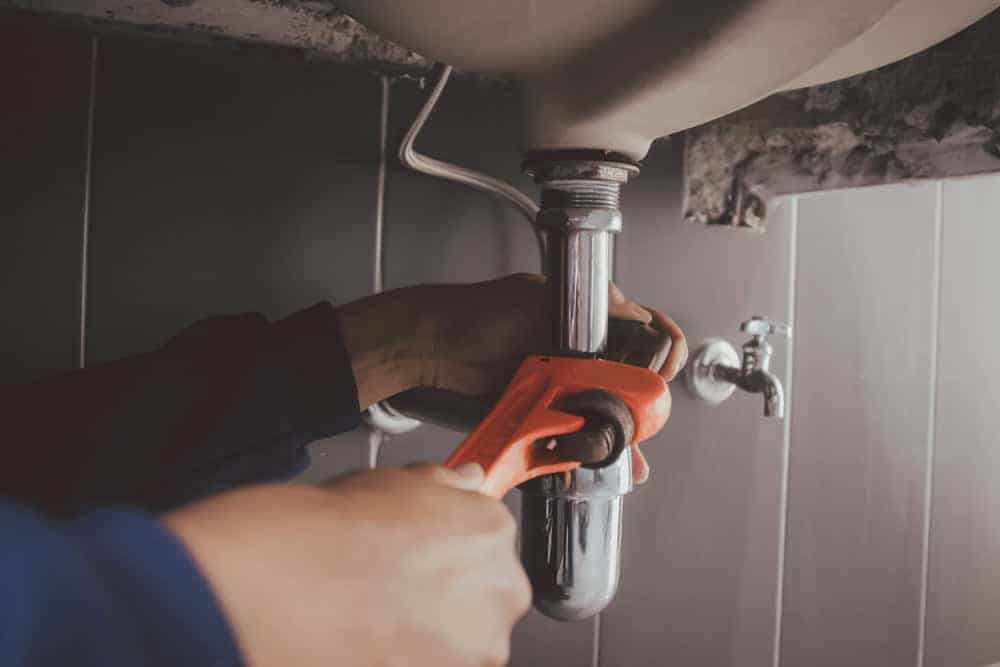
Once you’ve got your permit, the inspection process kicks in. This isn’t a formality—it’s the whole point of the permit system.
Inspections happen at specific stages of your project. For most plumbing work, you’ll need a rough-in inspection after pipes are installed but before walls close up. This is when inspectors verify that everything is properly connected, properly sloped, and meets code requirements. They’re checking for cross-connections that could contaminate drinking water, making sure fixtures are properly trapped to prevent sewer gas from entering your home, and confirming that materials and installation methods match approved standards.
You can’t just cover up the work and hope for the best. Inspectors need to see the guts of the system. If you’ve already closed up walls before inspection, you’ll be opening them back up. That’s expensive and frustrating, which is why contractors who know the process schedule inspections at the right time.
After rough-in approval, work continues. Final inspections happen once everything is complete and functional. The inspector verifies that the finished installation matches the approved plans, operates correctly, and meets all code requirements. Only after passing final inspection does your permit close, giving you documentation that the work was done right.
Inspection scheduling requires advance notice—typically 2-3 days in Cook County. You can’t just call the morning of and expect an inspector to show up. Registered contractors know how to schedule inspections efficiently, keeping your project moving without unnecessary delays.
Failed inspections are common when work doesn’t meet code. Maybe drain slopes are wrong, materials don’t match what was approved, or connections aren’t secure. Whatever the issue, you’re making corrections before the inspector signs off. This is another reason to use experienced contractors—we know what inspectors look for and get it right the first time.
The inspection process also creates a paper trail that protects you. When you sell your home, you can show buyers that all plumbing work was properly permitted and inspected. That documentation adds value and prevents deals from falling apart over permit questions.
Here’s the reality: most homeowners don’t pull their own plumbing permits. They hire contractors who handle the entire process. But not all contractors are created equal when it comes to permits.
In Cook County, contractors must be registered with the Department of Building and Zoning before they can pull permits. Registration requires an Illinois Plumbing Contractor’s Registration license from the Illinois Department of Public Health, plus a state plumber license or Chicago Journeyman Plumber’s license. We need to carry a minimum of $1,000,000 in general liability insurance naming Cook County as certificate holder. We also need to provide references and proof of completed installations.
When you’re hiring a plumber, ask for their Cook County registration card. If they’re registered, the county already has copies of their licenses and insurance on file. A registered contractor knows the procedure for handling permits in emergency situations and routine projects alike.
Good contractors build permit costs into their quotes upfront. We don’t surprise you with permit fees after the fact. We know how long the approval process takes and factor that into project timelines. We schedule inspections at the right stages and make sure work is ready when inspectors arrive.
The permit application itself requires specific documentation. For Cook County, you’ll need a completed plumbing permit application, a letter of intent on company letterhead detailing the scope of work, and sometimes diagrams showing the plumbing layout. All electronic submissions require a $100 deposit for residential projects, which gets deducted from the final permit fee. Total permit costs typically range from $55 to $440 in Chicago, depending on project complexity.
Contractors also handle the Child Support Enforcement Declaration Form that Cook County requires from every permit applicant. It’s an odd requirement, but it’s mandatory—everyone applying for building, plumbing, or electrical permits must submit this form regardless of whether they have children.
Working with a registered contractor means you’re not navigating this bureaucracy alone. We submit applications, track approval status, schedule inspections, and handle any corrections or questions that come up. That’s not just convenience—it’s protection against costly mistakes and delays.
Plumbing permits in Cook County aren’t red tape for the sake of red tape. They’re your assurance that work is safe, legal, and won’t come back to bite you when you need insurance coverage or try to sell your home.
The key takeaways: most plumbing installations and alterations require permits, simple repairs usually don’t, and the consequences of skipping permits are expensive and long-lasting. Working with a registered contractor who knows Cook County requirements eliminates the guesswork and keeps your project moving smoothly.
If you’re facing a plumbing project in Cook County and want it done right—with proper permits, professional installation, and none of the headaches that come from cutting corners—we handle everything from emergency repairs to major installations. We’re registered, licensed, and know exactly how to navigate Cook County’s permit requirements while keeping your project on track.
Article details:
Share:
Continue learning:
Request a Callback
Want to skip the wait?
Simply enter your contact details, and we’ll call you when a NY Spine Advisor becomes available.