Sewer repair costs in Chicago vary widely based on damage severity, repair method, and pipe condition. Understanding pricing factors helps you make informed decisions and avoid overpaying.
Share:
Request a Callback
Want to skip the wait?
Simply enter your contact details, and we’ll call you when a Go Rooter Advisor becomes available.
Summary:
You’re standing in your basement watching water creep across the floor, or you’ve noticed your drains backing up for the third time this month. Now you’re wondering what it’s going to cost to fix your sewer line. That number matters because sewer work isn’t cheap, and you need to know if you’re looking at a $300 drain cleaning or a $10,000 replacement before you make any calls.
The truth is, sewer repair costs in Chicago vary dramatically based on what’s actually wrong underground. A camera inspection might reveal a simple blockage, or it might show a 60-year-old clay pipe that’s cracked in multiple places. The difference between those two scenarios is thousands of dollars and a completely different repair approach.
This breakdown walks through real sewer repair pricing in Cook County, what affects those costs, and how to make sure you’re paying for what you actually need.
The price you pay for sewer work depends on factors you can see and plenty you can’t. Damage severity matters most. A clog caused by grease buildup costs a fraction of what you’ll pay to fix a collapsed pipe section.
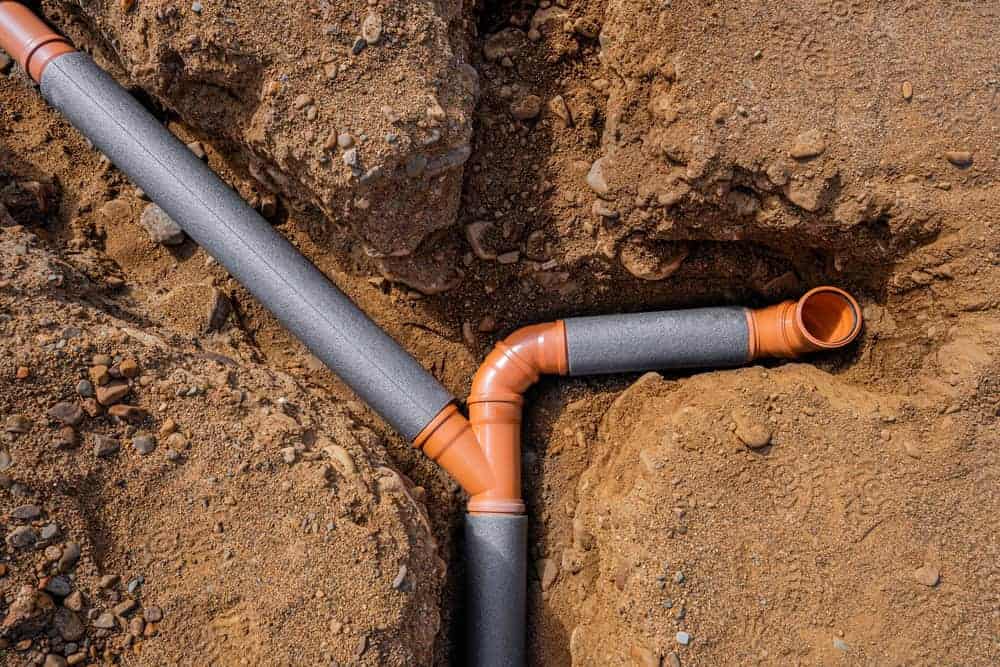
Pipe depth and accessibility come next. Chicago’s frost line sits 5 to 6 feet underground, which means digging deeper and working harder than in warmer climates. If your sewer line runs under a driveway or finished basement, expect higher labor costs.
The repair method makes a significant difference too. Traditional excavation involves digging up your yard, removing the damaged section, and restoring everything afterward. Trenchless methods work through small access points, which saves on restoration but uses specialized equipment. Material choice, permit requirements, and whether you’re calling at 2 PM or 2 AM all factor into your final bill.
Emergency sewer service costs more than scheduled work, and for good reason. When sewage backs into your home, you can’t wait until Monday morning for a callback. We staff crews around the clock, stock trucks with diagnostic equipment, and respond within hours instead of days.
After-hours emergency rates in Chicago typically run $100 to $450 per hour, compared to standard rates of $45 to $200. That premium covers the inconvenience of middle-of-the-night service and the overhead of maintaining 24/7 availability. Weekend calls often double standard rates. Holiday emergencies can triple them.
The question isn’t whether emergency service costs more—it’s whether your situation qualifies as an actual emergency. Sewage backing up into your basement creates immediate health hazards. Multiple drains backing up simultaneously usually indicates a main line blockage that won’t resolve itself. These situations justify emergency pricing because the alternative is property damage, health risks, and a mess that gets worse by the hour.
Slow drains or minor clogs rarely constitute true emergencies. If you can still use your plumbing and nothing’s backing up into living spaces, scheduling service during regular hours saves you significant money. Our emergency crews can clear blockages and provide temporary solutions until permanent repairs happen during normal business hours, which helps you avoid the highest pricing tiers while still addressing urgent problems.
The key is knowing what you’re paying for. Emergency service should include rapid response, diagnostic equipment, and the ability to at least stabilize the situation immediately. If a company quotes emergency rates but can’t arrive for 24 hours or doesn’t carry the tools to diagnose the problem, you’re paying premium prices without getting premium service.
Camera inspections run $125 to $500 for most residential properties in Cook County, with the average falling around $250 to $350. That might feel like an unnecessary expense when you’re already facing a repair bill. It’s not. It’s the difference between guessing and knowing.
A high-definition camera travels through your sewer line and transmits real-time video showing exactly what’s happening inside your pipes. You see cracks, root intrusions, corrosion, blockages, and structural problems that would otherwise remain hidden until a plumber starts digging. More importantly, you see where problems are located, how severe they are, and whether they’re isolated issues or system-wide failures.
This information changes everything about your repair decision. Without a camera inspection, a plumber might recommend full replacement based on symptoms alone. With footage showing a single crack in an otherwise healthy pipe, you can opt for a targeted spot repair that costs thousands less. Conversely, if the camera reveals extensive damage throughout the line, you avoid wasting money on temporary fixes that won’t last.
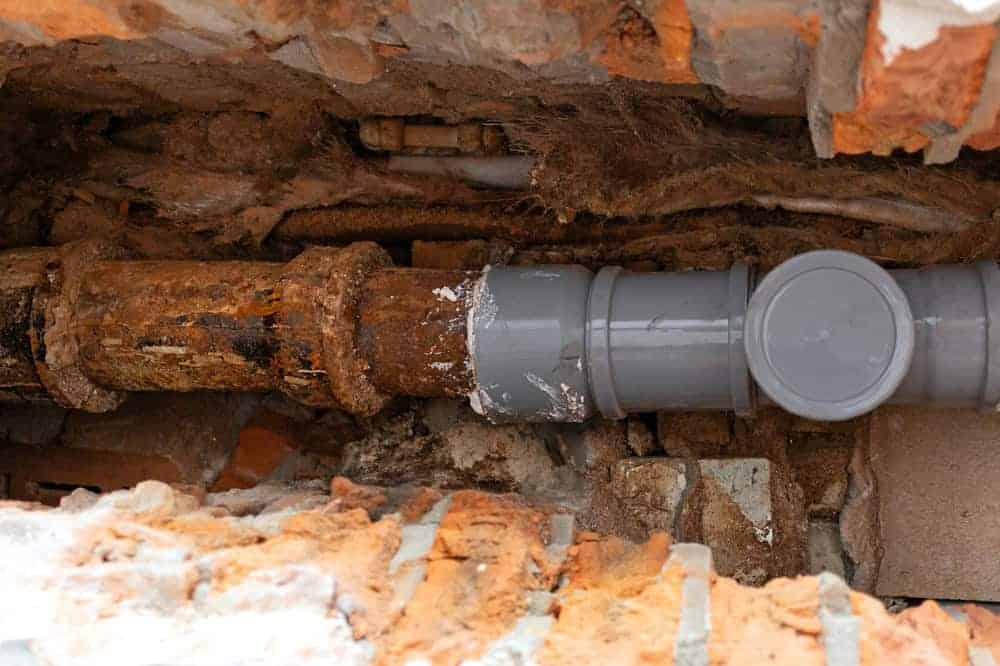
Camera inspections also document pipe condition before and after repairs, which matters for warranties and future reference. The footage shows pipe material, diameter, and depth, helping us plan the most effective repair approach without exploratory digging. For older homes in Chicago with clay or cast-iron pipes, this diagnostic step often reveals problems before they cause catastrophic failures.
The inspection cost typically gets rolled into your total repair bill if you proceed with the same company. We offer transparent pricing on inspections, and either way, spending a few hundred dollars to see what you’re actually dealing with prevents the expensive mistakes that come from working blind underground.
Want live answers?
Connect with a Go-Rooter Emergency Plumbers expert for fast, friendly support.
Full sewer line replacement in Chicago runs $3,500 to $7,500 for average residential properties, though costs can reach $15,000 or more depending on length, depth, and complications. That’s a significant investment, which is why understanding when replacement makes sense versus repair matters so much.
Replacement costs break down into several components. Labor typically accounts for 50% of the total, with rates ranging from $45 to $200 per hour depending on the complexity and contractor. Materials vary by pipe type—PVC costs $4.50 per linear foot while more durable options run higher. Permits add $300 to $900 depending on project scope. Excavation, disposal of old materials, and site restoration round out the bill.
The per-linear-foot pricing model means longer sewer lines cost more. Chicago properties average 40 to 50 feet from the house to the city connection, but some run much longer. At $80 to $300 per linear foot installed, a 100-foot replacement can easily hit $10,000 or more before permits and restoration.
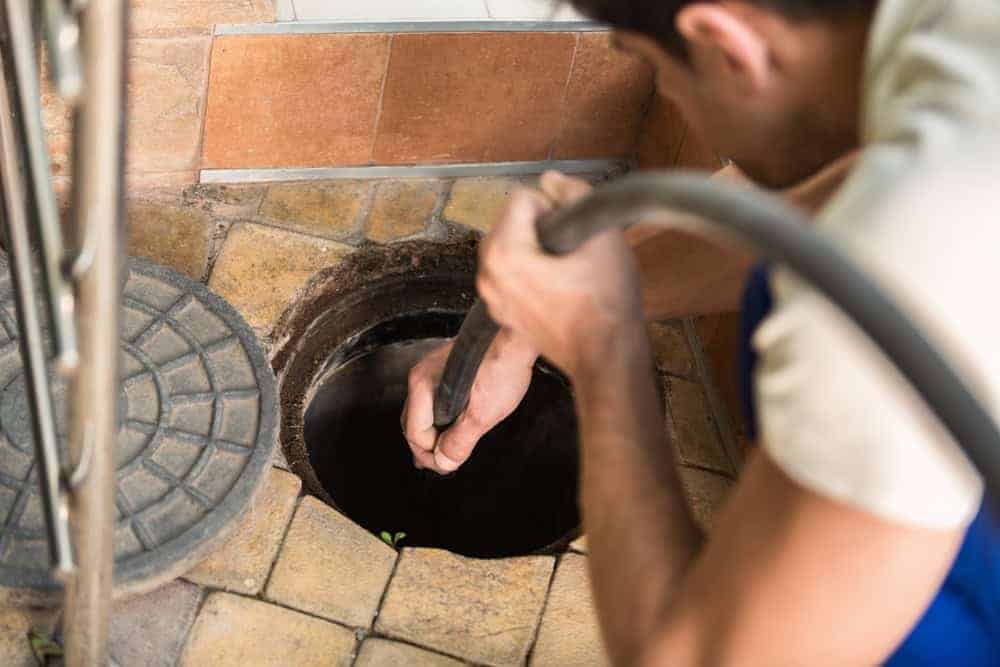
The repair versus replacement decision isn’t about which costs less today. It’s about which costs less over the next 10 to 20 years while keeping your sewer system functional.
Spot repairs make sense when damage is localized and the rest of your pipe remains structurally sound. A single crack, a root intrusion at one joint, or a small section of corrosion can be fixed for $1,200 to $2,800 without touching the entire line. If your pipe is relatively new or made of durable materials like PVC, targeted repairs often provide years of reliable service.
Full replacement becomes the smarter choice when your sewer line is over 40 to 50 years old, especially if it’s made of clay or cast iron. These materials deteriorate in multiple places simultaneously. Fixing one section doesn’t prevent the next section from failing six months later. Homeowners who repeatedly repair aging pipes often spend more cumulatively than replacement would have cost upfront.
The camera inspection footage tells you which direction makes sense. If you see one problem area in an otherwise healthy pipe, repair it. If the camera shows cracks, corrosion, and deterioration throughout the line, replacement prevents the cycle of repeated emergency calls and escalating costs. A 40-year-old clay pipe repaired for $4,000 might fail again in three to five years, requiring another $4,000 repair plus potential water damage in between.
Material matters significantly in this decision. Clay pipes installed before the 1980s have useful lives of 50 to 60 years. If your home was built in the 1960s or 70s, your sewer line is approaching or past its expiration date. Cast iron lasts 75 to 100 years but corrodes from the inside out, making age a critical factor. Modern PVC can function for a century, which means repairs on newer systems make more financial sense than on aging infrastructure.
Location affects the calculation too. If the damaged section sits under landscaping, a repair might be straightforward. If it’s under your driveway, garage, or deck, excavation costs jump significantly. Trenchless methods can access pipes through small entry points, but they work best on certain pipe materials and damage types. Sometimes the location makes replacement the only practical option even when the damage seems minor.
Think about your timeline in the property as well. If you’re planning to sell within a few years, a repair might get you through until closing. If you’re staying long-term, replacement eliminates the sewer line as a future concern and can actually increase property value by removing a major selling point objection.
The quoted price for sewer work rarely tells the complete story. Permits, excavation complications, and restoration costs can add thousands to your final bill if you’re not prepared.
Chicago requires permits for sewer line work, and the cost depends on project scope. Smaller sewer lateral replacements run $300 to $400 in permit fees. Complex projects requiring drawings and inspections can hit $900 or more. Your contractor should handle the permitting process, but you’re paying for it either way. Some companies include permits in their quotes, while others add them as separate line items. Ask upfront.
Excavation costs vary dramatically based on what sits above your sewer line. Digging through grass is straightforward. Breaking through concrete driveways, removing decks, or working around mature landscaping multiplies labor hours and equipment needs. Restoration after excavation adds another expense—repaving driveways, replacing landscaping, and repairing sidewalks can cost $2,000 to $5,000 on top of the actual sewer work.
Soil conditions affect pricing too. Chicago’s freeze-thaw cycles create ground movement that complicates digging. Rocky soil or high water tables require specialized equipment and more time. If excavation reveals additional damage or utility conflicts, the scope expands and so does the cost.
Trenchless methods reduce many of these hidden expenses by eliminating extensive excavation. While trenchless repair materials cost 15 to 25% more than traditional pipes, you save on restoration work. No driveway to repave, no landscaping to replace, no deck to rebuild. For properties where excavation would be particularly disruptive or expensive, trenchless options often cost less overall despite higher material prices.
Sales tax in Cook County adds 10.25% to the materials portion of your project, though labor typically isn’t taxed. Some contractors purchase materials outside the city to avoid certain taxes, while others factor everything into their pricing. Ask how tax is structured in your quote to avoid surprises.
The most expensive hidden cost is the one you don’t discover until work begins. Contractors who skip camera inspections and quote based on assumptions leave room for “unexpected complications” that inflate bills mid-project. We insist on video documentation before providing any quote, and we make sure the estimate clearly states what’s included and what might trigger additional charges.
Sewer repair costs in Chicago range from a few hundred dollars for drain cleaning to $15,000 for full replacement, but the number that matters is the one based on your actual situation. Camera inspections show you what’s really happening underground, which prevents both overpaying for unnecessary work and underpaying for repairs that won’t last.
The repair versus replacement decision comes down to pipe age, damage extent, and long-term cost effectiveness. Spot repairs work when problems are isolated and pipes have useful life remaining. Replacement makes sense when you’re dealing with aging infrastructure that will continue failing in multiple places.
Understanding what drives sewer line repair cost in Cook County—permit requirements, excavation depth, material choices, and labor rates—helps you evaluate quotes accurately and ask the right questions. When you need sewer work done right with transparent pricing and no surprise fees, we provide camera inspections, upfront estimates, and 24/7 availability throughout Chicago and Cook County.
If you want the overview rather than the cost detail, here is how we work across our Chicago plumbing services.
Article details:
Share:
Continue learning:
Request a Callback
Want to skip the wait?
Simply enter your contact details, and we’ll call you when a NY Spine Advisor becomes available.