Not every plumbing issue needs a pro, but some definitely do. Learn which repairs are safe to tackle yourself and when calling Go-Rooter saves you time, money, and headaches.
Share:
Request a Callback
Want to skip the wait?
Simply enter your contact details, and we’ll call you when a Go Rooter Advisor becomes available.
Summary:
That dripping faucet keeping you up at night. The toilet that won’t stop running. The sink drain that’s slower than rush hour traffic on the Kennedy Expressway. You’re standing there wondering if you should grab a wrench or grab your phone.
Here’s the truth: some plumbing repairs are genuinely manageable for a handy homeowner. Others? They’re disasters waiting to happen. The difference between the two can mean saving $150 or spending $5,000 fixing water damage, mold, and the original problem you tried to fix.
This isn’t about scaring you away from every repair. It’s about helping you understand which jobs are in your wheelhouse and which ones need someone with years of training, proper tools, and an Illinois plumbing license. Let’s start with what actually makes a plumbing job suitable for DIY.
Before you attempt any plumbing repair, you need the right equipment. Not the “I’ll just use this rusty pipe wrench from 1987” approach. Actual tools designed for the specific job you’re tackling.
The basics include a quality plunger—both cup and flange styles since they serve different purposes. An adjustable wrench for tightening nuts and bolts without damaging finishes. Plumber’s tape (that thin white Teflon tape) for creating watertight seals on threaded connections. A basin wrench for reaching those impossible spaces under sinks. And a drain snake for clogs that laugh at your plunger.
Here’s what most homeowners discover too late: buying these tools for a one-time repair often costs more than calling a professional who already owns them. A quality pipe wrench runs $30-50. A drain snake costs $25-40. Tubing cutters, hacksaws, pipe cutters, and other specialized equipment add up quickly. We invest thousands in professional-grade tools because we use them daily. You’re buying them for one Saturday afternoon project.
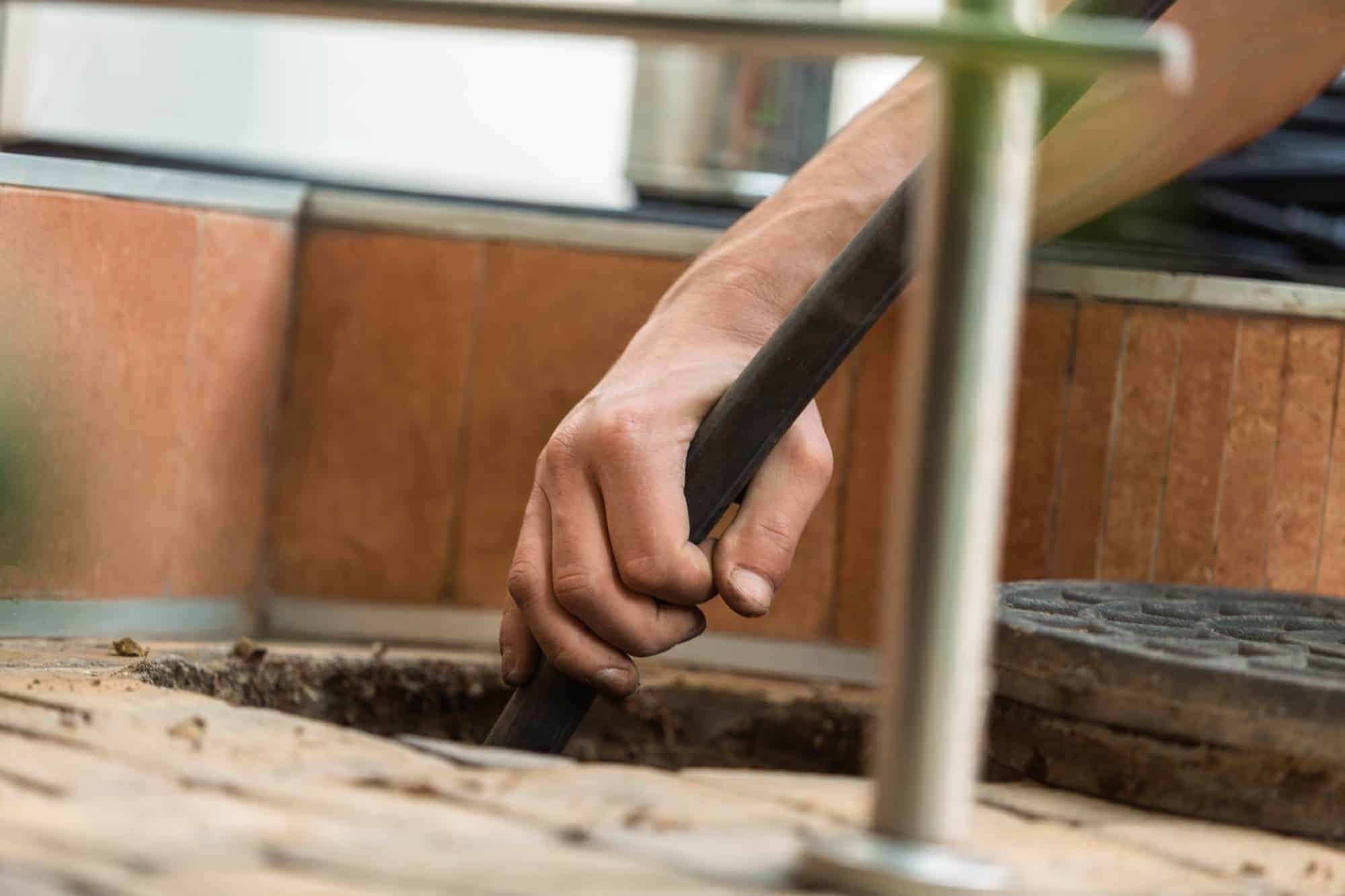
Let’s be realistic about what qualifies as a manageable DIY plumbing repair. We’re talking about surface-level issues that don’t involve cutting into walls, working with gas lines, or dealing with your home’s main water supply.
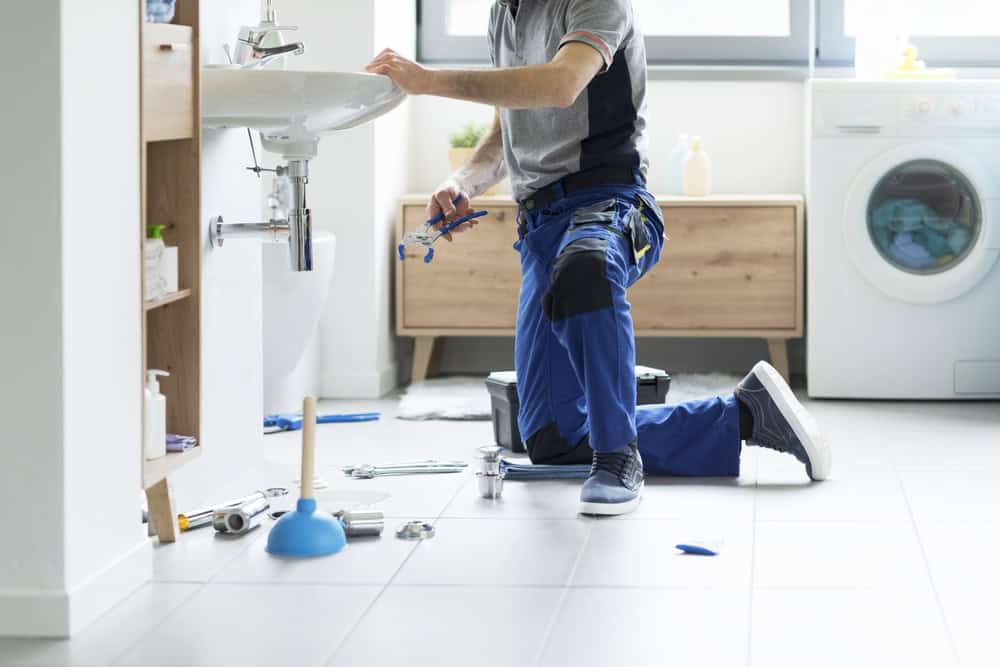
Unclogging a slow-draining sink usually falls into DIY territory. Remove the drain stopper, clean out the hair and gunk, use a plunger, maybe run a small drain snake down there. If that doesn’t work, you can carefully remove the P-trap under the sink (with a bucket underneath to catch water), clean it out, and reassemble everything. Just make sure you tighten connections properly without over-tightening, which we’ll get to in a minute.
Replacing a showerhead or faucet aerator? That’s straightforward. Unscrew the old one, wrap some plumber’s tape clockwise around the threads, screw on the new one. Don’t crank it down with all your strength—hand-tight plus a quarter turn with a wrench is usually sufficient.
Fixing a running toilet often involves replacing the flapper or adjusting the float. These are inexpensive parts available at any hardware store, and the installation is genuinely simple. You’re not cutting pipes or dealing with pressurized water systems. You’re swapping out a rubber piece or bending a metal rod.
Clearing a clogged toilet with a plunger is probably the most common DIY plumbing task. As long as you’re dealing with a simple blockage and not sewage backing up from multiple fixtures, this is manageable. But here’s the key: if plunging doesn’t work after a few attempts, stop. Repeated plunging or using a toilet auger incorrectly can damage the porcelain or push the clog deeper into your system.
The common thread with all these repairs? They’re isolated, accessible, and don’t require cutting into your plumbing system. The moment you need to solder pipes, work behind walls, or deal with anything involving your main water line or sewer system, you’ve crossed into professional territory.
Everyone starts a DIY plumbing project thinking they’ll save money. Sometimes that’s true. Often, it’s not even close.
Let’s walk through what actually happens. You watch a YouTube video that makes it look easy. You head to the hardware store and spend $75 on tools and parts. You get home and realize you bought the wrong size fitting. Back to the store. You start the repair and discover the problem is more complicated than the video showed. You try to fix it anyway. Water starts spraying everywhere because you forgot to shut off the water supply (or didn’t know where the shutoff valve was). Now you’re frantically trying to stop the leak while water soaks into your flooring.
By the time you call us, you’ve wasted a Saturday, spent money on tools you may never use again, and created additional damage that needs repair. That “simple” faucet replacement just cost you $800 in water damage restoration plus our fee to fix what you started.
This scenario plays out constantly. Nearly 25% of DIY plumbing attempts result in property damage or require professional intervention to fix the original problem plus the new damage. A study of homeowner insurance claims shows that DIY plumbing mistakes are among the most expensive home repair errors.
Water damage doesn’t mess around. It spreads fast, soaks into subfloors and drywall, and creates perfect conditions for mold growth. What starts as a small leak behind a wall can require cutting out sections of drywall, replacing insulation, treating for mold, and repairing structural damage. We’re talking thousands of dollars for a repair that would have cost a few hundred if you’d called us from the start.
Then there’s the time factor. We diagnose and fix problems in hours because we’ve seen the same issues hundreds of times. You’re troubleshooting from scratch, making multiple trips to the hardware store, and spending your entire weekend on a repair that still might not work. Your time has value. Spending 12 hours on a repair that saves you $150 in labor costs means you just worked for $12.50 an hour—and that’s if everything goes perfectly.
The real cost calculation isn’t just our hourly rate versus doing it yourself. It’s our rate versus your time, the risk of making mistakes, the cost of tools you’ll rarely use, and the potential for causing damage that costs exponentially more to fix. When you factor in all those elements, professional plumbing services often cost less than DIY attempts for anything beyond the most basic repairs.
Want live answers?
Connect with a Go-Rooter Emergency Plumbers expert for fast, friendly support.
Here’s the decision framework that actually works: if the repair involves your home’s main plumbing system, requires cutting into walls, deals with gas lines, or could flood your house if something goes wrong, call us. Everything else, you can at least consider attempting yourself.
Major leaks and burst pipes require immediate professional attention. Turn off your main water valve and call us for emergency service. Period. The water damage from a burst pipe compounds every minute you wait, and attempting to fix it yourself while water pours into your home is not a realistic option.
Anything involving your sewer line or main drain needs professional equipment and expertise. If multiple drains are backing up simultaneously, you’re dealing with a main line blockage that requires specialized tools like motorized drain snakes and possibly camera inspection to locate the problem. This is not a job for a $25 hand snake from the hardware store.
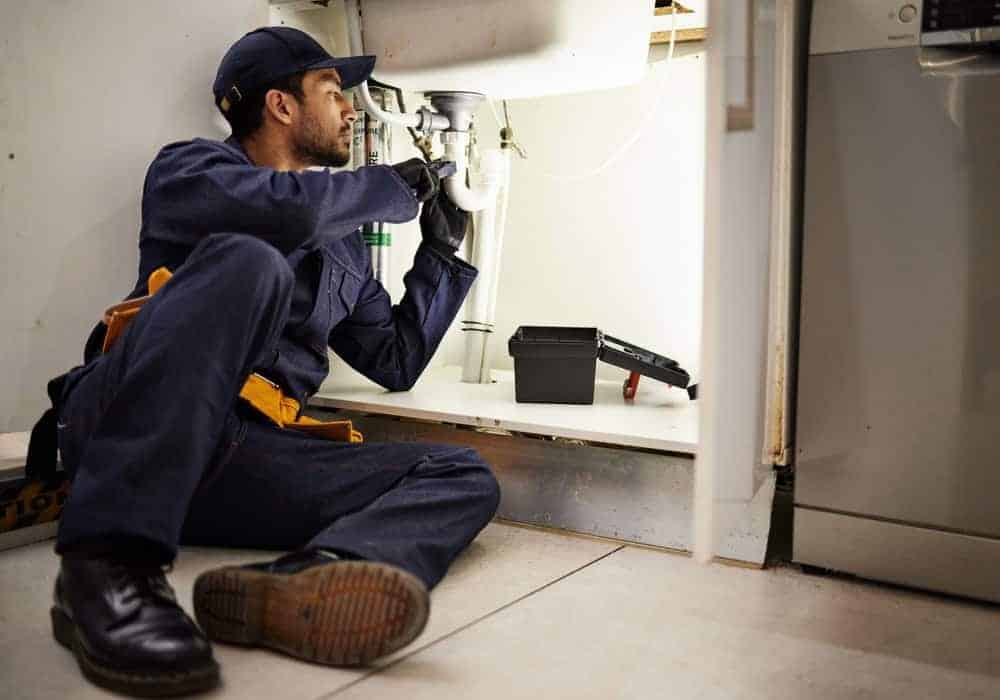
Let’s talk about the mistakes that turn minor repairs into major disasters. These are the errors we see constantly when we’re called to fix DIY attempts gone wrong.
Over-tightening connections tops the list. It seems logical—tighter means less chance of leaks, right? Wrong. Over-tightening cracks plastic fittings, strips threads on metal pipes, and distorts rubber washers. That creates leaks where none existed before. The correct approach is hand-tight plus a quarter to half turn with a wrench. If it still leaks after that, the problem isn’t tightness—it’s a worn washer, damaged threads, or the wrong size fitting.
Using chemical drain cleaners might be the most expensive mistake homeowners make regularly. These products contain harsh chemicals that corrode pipes, especially older metal pipes common in Cook County homes. They create toxic fumes, can splash back and cause chemical burns, and often only burn a small hole through the clog rather than actually removing it. The drain works temporarily, then clogs again worse than before. Meanwhile, the chemicals have weakened your pipes, leading to leaks and eventual replacement needs. We use mechanical methods like snaking or hydro jetting that actually remove clogs without damaging your plumbing system.
Not shutting off the water supply before starting repairs causes more flooding than any other single mistake. Every plumbing repair should start with locating and closing the appropriate shutoff valve. For sink and toilet repairs, use the fixture shutoff valves. For anything more involved, shut off the main water supply to your home. Test that the water is actually off before you start disassembling anything. This one simple step prevents the majority of DIY plumbing disasters.
Mixing incompatible pipe materials creates long-term problems that might not show up immediately. Connecting copper pipes directly to galvanized steel causes galvanic corrosion that eats through the pipes. You need special dielectric unions to join dissimilar metals. Homeowners who don’t know this create connections that look fine but fail within months, often inside walls where the leak goes unnoticed until significant damage occurs.
Ignoring building codes might seem like it doesn’t matter for a simple repair, but it creates serious problems down the line. In Illinois, most plumbing work requires permits and inspections to ensure it meets safety standards. DIY work that doesn’t comply with code can result in fines during home inspections, complications when selling your property, and denied insurance claims if the faulty plumbing causes damage. We know current codes and ensure all work meets requirements. You probably don’t, unless you’ve spent time studying Illinois plumbing regulations.
Attempting repairs you’re not qualified for is perhaps the most expensive mistake because it encompasses all the others. There’s no shame in recognizing that gas line work, sewer line repairs, water heater installation, and main line plumbing require specialized training and equipment. These aren’t skills you pick up from watching videos. We’ve completed years of apprenticeship and ongoing education for good reason. Attempting these repairs yourself puts your home and family at serious risk.
Some situations don’t allow time for debate about DIY versus professional help. These are the red flags that mean you need to call us immediately, not after you’ve tried fixing it yourself.
No water coming from your taps indicates a problem with your main water line or a significant blockage. This isn’t something you troubleshoot with YouTube videos. It requires professional diagnosis to determine whether you’re dealing with a frozen pipe, a main line break, or a municipal supply issue.
Water backing up into multiple fixtures simultaneously means your main sewer line is blocked or damaged. When you flush the toilet and water comes up through the shower drain, or when running the washing machine causes your kitchen sink to overflow, you’re dealing with a serious blockage in the main line. This requires professional equipment like motorized snakes or hydro jetting to clear, plus often a camera inspection to identify the cause and ensure it’s fully resolved.
Discolored water—brown, yellow, or rust-colored—coming from your taps signals corrosion in your pipes or water heater. This isn’t just an aesthetic issue. Corroded pipes can fail suddenly, and the contamination in your water supply needs professional assessment. Trying to fix this yourself means guessing at the source when we can diagnose it accurately with proper testing.
Persistent low water pressure throughout your home indicates problems in your main supply line, pressure regulator, or hidden leaks. A single fixture with low pressure might just need a new aerator. Every fixture having weak pressure means something significant is wrong with your system.
Sewage odors in your home never indicate a simple DIY fix. These smells mean sewer gases are entering your living space, which happens when drain traps dry out, vent pipes are blocked, or sewer lines are damaged. Sewer gases contain methane and hydrogen sulfide—both dangerous. This requires immediate professional attention to identify and fix the source.
Visible water damage like stains on ceilings or walls, bubbling paint, or warped flooring means water is leaking somewhere inside your walls or above your ceiling. The visible damage is just the tip of the iceberg. We use moisture meters and thermal imaging to locate hidden leaks and assess the full extent of damage. Trying to fix this yourself means cutting into walls blindly and hoping you find the source.
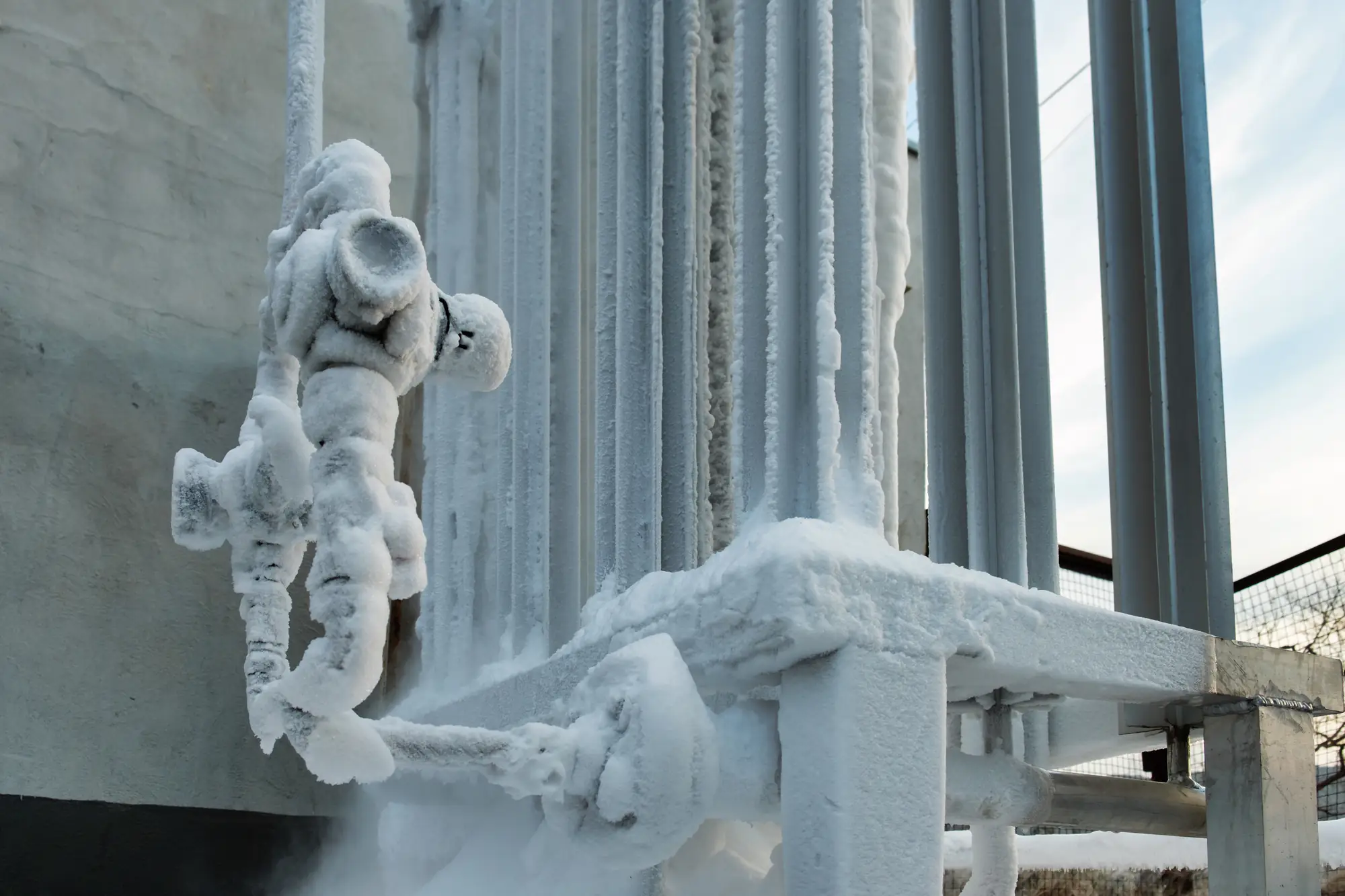
Frozen pipes during Chicago’s brutal winters require careful professional handling. You might think you can thaw them with a hair dryer, and sometimes that works for easily accessible pipes. But frozen pipes often crack as they freeze, and you won’t know until they thaw and start spraying water everywhere. We know how to safely thaw pipes and test for damage before the water starts flowing again.
The goal isn’t to scare you away from every plumbing repair. It’s to help you make informed decisions that protect your home and your wallet. Some repairs genuinely are manageable for a handy homeowner with the right tools and realistic expectations. Others require professional expertise, specialized equipment, and years of training to handle safely.
The key is honest assessment. Can you realistically complete this repair correctly with the tools you have or can afford to buy? Do you understand what could go wrong and how to handle those situations? Does this repair involve your home’s main plumbing systems, gas lines, or anything that could cause significant damage if mistakes happen? If you’re hesitating or uncertain about any of those questions, that’s your answer.
Professional plumbing services aren’t just about fixing problems. They’re about preventing the disasters that happen when repairs go wrong, ensuring work meets building codes, and providing warranties that protect you if something fails. When you call us at Go-Rooter Emergency Plumbers, you’re getting licensed professionals who handle Cook County’s unique plumbing challenges every day—from century-old pipe systems to harsh winter emergencies. That expertise and peace of mind is worth far more than the cost of a service call.
Article details:
Share:
Continue learning:
Request a Callback
Want to skip the wait?
Simply enter your contact details, and we’ll call you when a NY Spine Advisor becomes available.