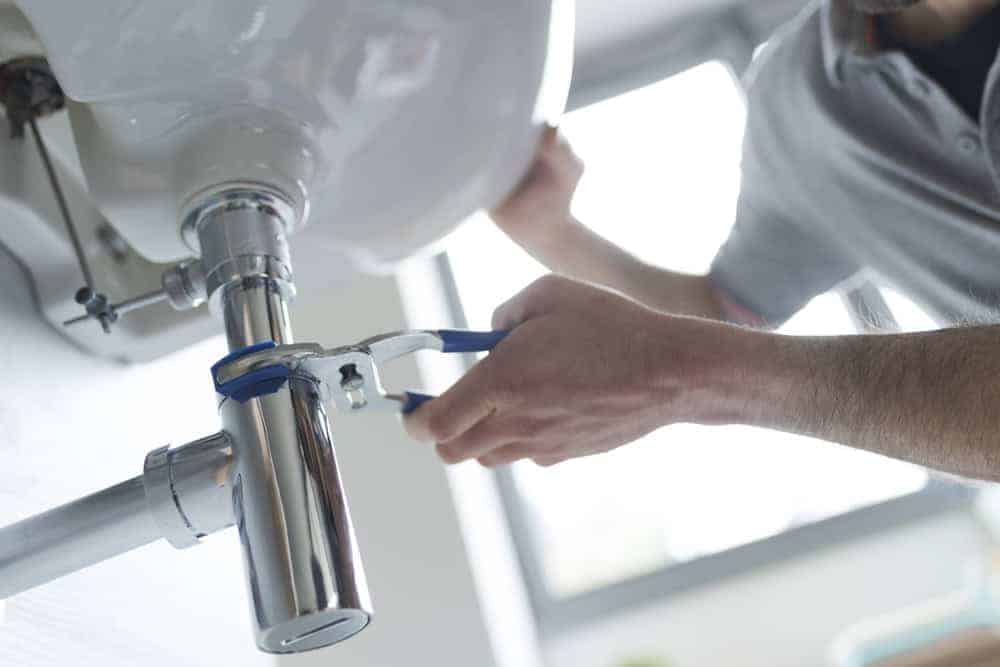
Facing a plumbing emergency in Cook County? Understand what emergency plumbers actually charge, what's included in service fees, and how to avoid price surprises when you need help most.
Share:
Request a Callback
Want to skip the wait?
Simply enter your contact details, and we’ll call you when a Go Rooter Advisor becomes available.
Summary:
It’s 2 AM. Water is spreading across your basement floor. Your first call is to an emergency plumber. Your second thought? How much is this going to cost me?
That question hits different when you’re standing in water, watching the damage spread. You need help now, but you also need to know you’re not about to get hit with a bill that doubles your mortgage payment.
Here’s what emergency plumber cost actually looks like in Cook County—the real numbers, what drives them up or down, and what you’re paying for when that truck pulls up at an inconvenient hour.
Emergency plumbing doesn’t follow the same pricing as a scheduled Tuesday morning appointment. The average emergency plumbing cost in Cook County falls between $349 and $504 for most jobs, though you could see anywhere from $119 to $864 depending on the problem and timing.
That range exists because emergency pricing isn’t just about the repair itself. It’s about when you need it done, how fast you need someone there, and what’s required to stop the damage right now—not tomorrow morning.
Most emergency plumbers charge between $100 and $500 per hour, with the highest rates hitting on major holidays, followed by weekends, then after-hours weekdays. The more inconvenient the timing for the plumber, the higher the rate climbs.
After hours plumber rates run higher because you’re asking someone to drop everything, leave their family dinner, or get out of bed at 3 AM to fix your problem. That urgency costs more than a scheduled appointment.
After-hours weeknight calls typically cost 1.5 times the normal rate. Weekend calls often run 2 to 3 times standard pricing. Most emergency plumbers also charge a separate service call fee of $150 to $250 on top of their hourly rate.
Let’s say a regular plumber charges $100 per hour during business hours. That same plumber might charge $150 for a weeknight emergency, $200 for a Saturday call, and $250 to $300 for a Christmas morning disaster. The service call fee covers their time to get to you, assess the situation, and provide an estimate before any wrench turns.
We structure this differently. We charge the same rate whether it’s 2 PM or 2 AM—no overtime charges for emergency calls. You pay for the work, not the clock. That’s not standard across the industry, which is why asking about emergency rates before you’re ankle-deep in water matters.
The service call fee itself typically ranges from $100 to $300 in the Chicago area. Some plumbers credit this toward your total bill if you approve the work. Others treat it as a separate diagnostic fee. Always ask which model they use before they arrive.
Here’s what you’re actually paying for with that emergency premium. You’re getting someone who maintains on-call availability, which means they’re not taking other jobs during those hours. You’re getting a truck stocked with parts for immediate repairs, not a “we’ll order that and come back next week” situation. You’re getting someone who knows how to work in basements, crawl spaces, and tight utility areas at any hour, under pressure, while water is actively damaging your property.
That’s the difference between emergency service and a scheduled repair. One stops damage from spreading. The other fixes a problem at a convenient time.
Weekend plumber rates sit in the middle of the emergency pricing spectrum. You’re paying more than a weekday appointment but usually less than a middle-of-the-night call. Expect either a fixed surcharge of $75 to $100, or a multiplier of 1.5 to 3 times the standard hourly rate.
A service that costs $120 on a Tuesday might run $180 to $360 on Saturday morning. The exact structure varies by company. Some apply flat weekend packages. Others use per-hour rate increases.
Holiday rates command the steepest surcharges. Thanksgiving, Christmas, and New Year’s Day see emergency hourly rates of $250 to $450 in major metro markets, with midsize cities landing in the $150 to $300 range. Licensed plumbers in Cook County report holiday rates at the higher end of that spectrum because demand spikes when families gather, kitchens work overtime, and older plumbing systems face unusual stress.
Here’s why holidays cost more. Plumbers who work holidays are giving up time with their own families. They’re maintaining availability when most of their industry shuts down. They’re responding to problems that often stem from houses full of guests, multiple showers running, garbage disposals grinding through turkey bones, and toilets handling more use than they see all month.
The timing matters because water damage doesn’t pause for holidays. A burst pipe on Christmas morning causes the same flooding as one on a random Wednesday. But finding someone willing to respond immediately on Christmas morning requires paying for that availability.
Some situations genuinely require emergency rates. Burst pipes demand immediate attention to prevent flooding and property damage. Sewage backups create health hazards that can’t wait. Complete water shut-offs halt daily activities like cooking, cleaning, and running a business. These justify emergency pricing because the alternative—waiting until Monday—creates far more expensive problems.
Other situations might not. A slow drain that’s been getting worse for weeks doesn’t become a true emergency just because you finally decided to call on Saturday. A dripping faucet you’ve ignored for months won’t cause catastrophic damage if you wait until Monday. Knowing the difference helps you decide whether emergency rates make sense or whether you can schedule regular service and save the premium.
Want live answers?
Connect with a Go-Rooter Emergency Plumbers expert for fast, friendly support.
The plumbing service call fee covers more than just showing up. It pays for the plumber’s time to travel to your property, assess the situation, diagnose the problem, and provide an accurate estimate before any repair work begins.
This fee typically ranges from $50 to $200 for standard calls, and $100 to $300 for emergency or after-hours dispatches. The fee structure varies—some companies credit it toward your total bill if you proceed with repairs, while others treat it as a separate, non-refundable diagnostic charge.
That distinction matters. A $200 fee that counts toward your repair effectively becomes free if you approve the work. A $200 fee that doesn’t count adds $200 flat to your bill regardless of the repair cost. Always ask which model applies before the plumber arrives.
Several factors push emergency plumber cost up or down beyond just the time of day. Understanding these helps you anticipate what you’ll actually pay when that truck pulls up.
Timing sits at the top. After-hours weekdays, weekends, and holidays each carry different multipliers. The severity and complexity of the problem matters too. A simple leak repair costs less than a burst pipe or sewer line backup. Location plays a role—if you’re more than 10 miles outside the plumber’s service area, expect travel fees of $50 to $300 added to your bill.
The age and condition of your plumbing affects cost. Older Chicago homes built before 1950 often have galvanized pipes, cast iron sewer lines, and vintage fixtures requiring special parts or techniques. Common issues in older homes include low water pressure from corroded pipes, frequent repairs due to outdated mechanisms, and leak repairs where modern connections meet original plumbing. Plumbers who carry adapters and specialty parts charge accordingly.
Chicago’s infrastructure creates unique challenges. The city’s plumbing infrastructure is over 100 years old. Harsh winters freeze uninsulated pipes, leading to leaks, bursts, and water damage. Winter freezes crack pipes, while aging water mains fail without warning. Summer storms overwhelm drainage systems, causing backups that flood basements across the city.
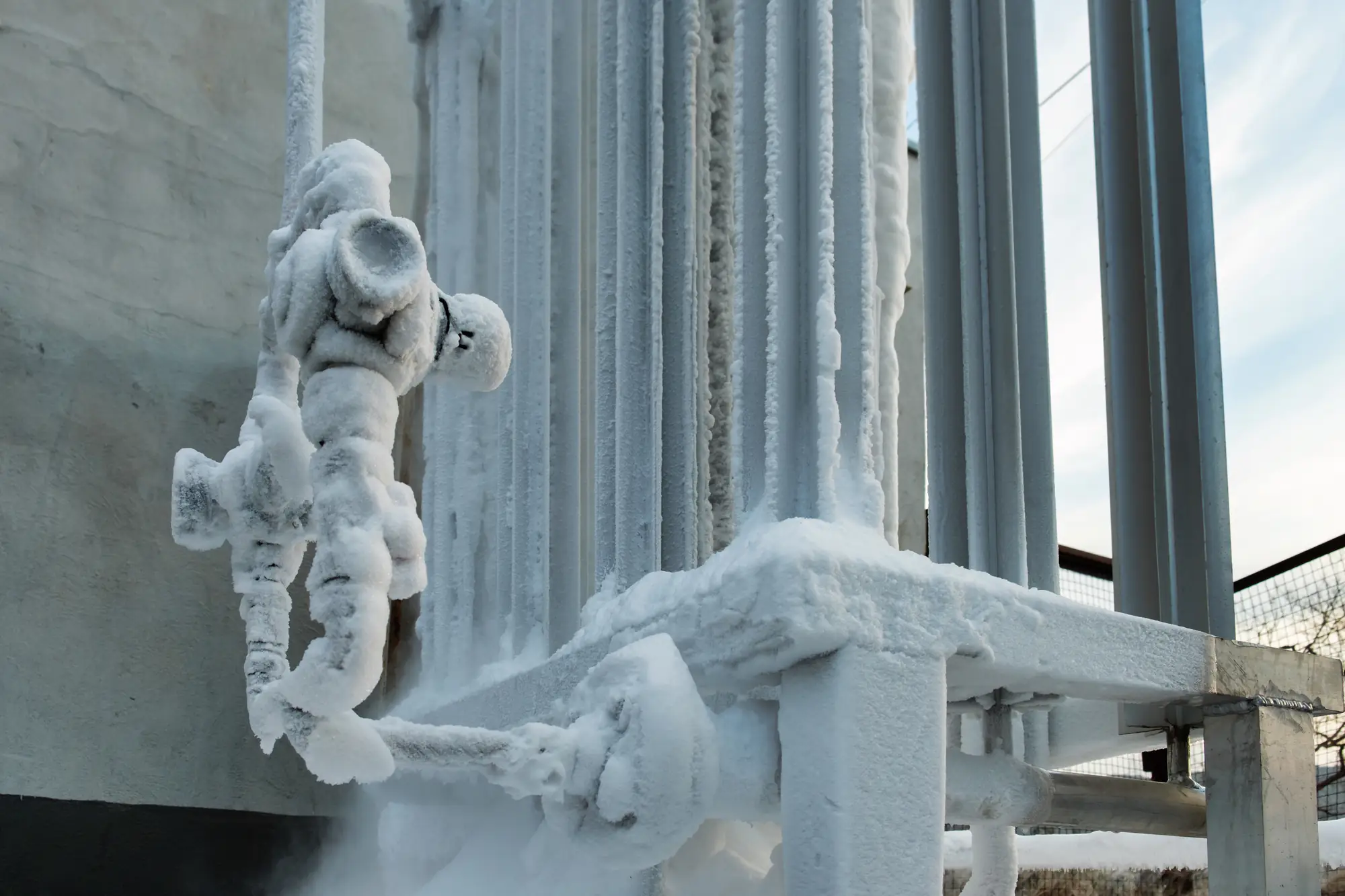
Chicago’s brutal winters make burst pipes the most common plumbing emergency in Cook County. A burst pipe can release up to 250 gallons of water a day, often without warning. Every year, thousands of Chicago-area homes fall victim to frozen pipes bursting, sending water flooding through buildings.
Materials and parts add to the final cost. Parts and supplies are typically marked up 15 to 30 percent above retail. A $40 valve fitting may appear as $55 to $70 on your invoice. This is standard industry practice but worth clarifying upfront.
Minimum labor charges also apply. Many plumbers bill a minimum of one to two hours even if the repair takes 30 minutes. At emergency rates, a two-hour minimum at $200 per hour means $400 before any parts are included. Some companies add a separate fuel or travel surcharge of $25 to $75 for after-hours dispatches, particularly in suburban areas where the plumber may travel 30 or more miles.
Understanding emergency plumber cost matters most when you’re figuring out how to pay for it. Emergency plumbing expenses hit when you’re least prepared financially. Most plumbers understand this and offer multiple payment options to help you get urgent repairs done without draining your savings account.
You can finance plumbing work through payment plans offered by plumbers or third-party financing solutions. Financing is commonly used for larger repairs, replacements, or emergency services where upfront costs may be too high. Many plumbing companies now partner with financing providers to offer payment plans that spread costs over time.
Common financing options include 0% interest for promotional periods, typically 12 months through partners like Synchrony and GreenSky. This structure makes emergency projects more manageable since interest doesn’t accrue during the promotional period. After that window closes, interest rates apply, so understanding the terms matters.
Personal loans from banks, credit unions, or online lenders provide another option. These loans offer funds upfront with fixed monthly payments over a set period. Approval typically happens quickly—sometimes same-day—which helps when you need work done immediately. Personal loans don’t require your home as collateral, unlike home equity options.
Credit cards work for smaller emergencies and lower balances you can pay when your statement arrives. Using a credit card gives you control over repayment timing and may earn rewards like cashback. The downside hits if you can’t pay the full balance quickly—high interest rates and potential credit score impacts make this option expensive for long-term financing.
Many plumbers accept multiple payment methods including cash, credit cards, checks, and digital payments. Some offer in-house payment plans that let you pay over several months without involving third-party lenders. These plans vary by company, so ask about terms, interest rates, and whether approval requires credit checks.
Payment plans help reduce the financial stress of emergency plumbing repairs. Instead of worrying about a large, unexpected bill, you can approve the work quickly and pay over time. This allows urgent repairs to proceed without delay while giving you a more manageable payment experience.
We provide upfront transparent pricing before any work begins, so you know exactly what you’ll pay. That clarity helps you determine which payment option makes sense for your situation. Whether you pay in full, use financing, or arrange a payment plan, knowing the total cost upfront eliminates surprises when the work is done.
The key is addressing emergency plumbing problems quickly before damage spreads. Water damage restoration costs can quickly reach thousands of dollars, making that emergency service call a smart investment compared to the alternative. A few hundred dollars in emergency plumbing repairs beats several thousand in water damage cleanup, mold remediation, and structural repairs.
Emergency plumber cost doesn’t have to be a mystery, even when you’re dealing with a crisis. Understanding the pricing structure—service call fees, after-hours rates, weekend and holiday multipliers—helps you make informed decisions when water is actively damaging your property.
The most important takeaway is this: transparent, upfront pricing protects you during vulnerable moments. Companies that tell you exactly what you’ll pay before starting work eliminate the anxiety of surprise bills. Companies that charge the same rate at 2 AM as they do at 2 PM save you from inflated emergency premiums.
When you’re facing a plumbing emergency in Cook County, you need fast response, honest pricing, and long-term solutions that prevent the same problem from happening again. We deliver all three with 24/7 availability, no overtime charges, and upfront transparent pricing across Chicago and all of Cook County.
Article details:
Share:
Continue learning:
Request a Callback
Want to skip the wait?
Simply enter your contact details, and we’ll call you when a NY Spine Advisor becomes available.