Winnetka homes face unique sewer challenges due to aging infrastructure and mature trees. Recognize the warning signs before minor issues become expensive emergencies.
Share:
Request a Callback
Want to skip the wait?
Simply enter your contact details, and we’ll call you when a Go Rooter Advisor becomes available.
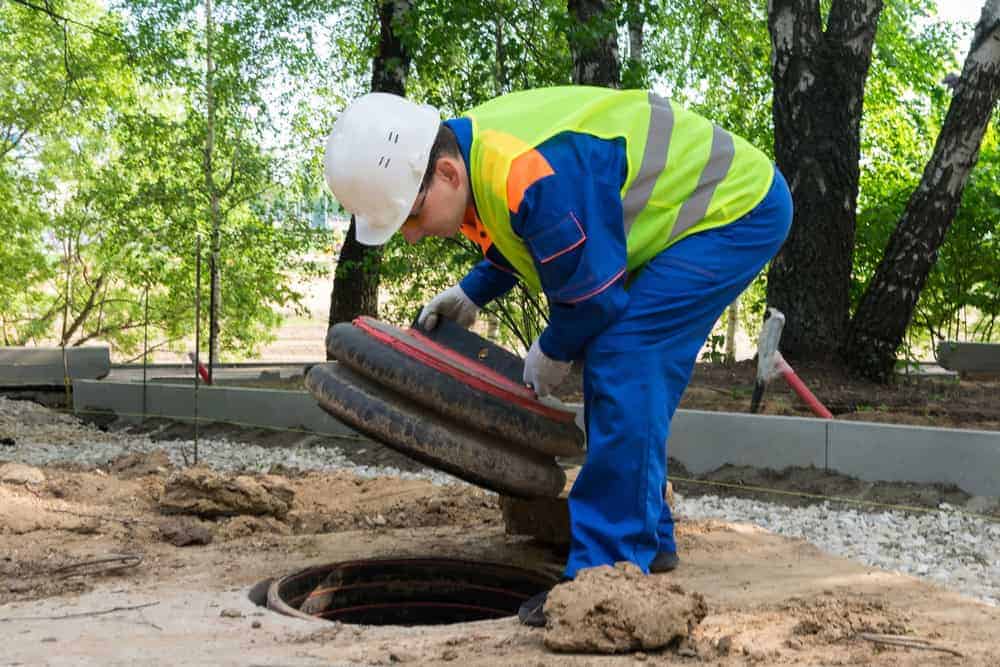
Summary:
Sewer problems don’t just appear out of nowhere. There’s always a reason, and in Winnetka, a few culprits show up more than others.
Tree roots top the list. Those beautiful mature trees lining your street? Their roots are searching for water, and your sewer line is like a beacon. Even a hairline crack is enough for roots to work their way in, and once they’re inside, they expand. Over time, they create blockages that slow everything down or stop flow completely.
Age is the other big factor. Many Winnetka homes were built before 1970, and back then, clay and cast-iron pipes were standard. Those materials break down. Clay cracks, cast iron corrodes from the inside out, and joints separate as the ground shifts through decades of freeze-thaw cycles. It’s not a question of if these pipes will fail—it’s when.

Here’s what most people don’t realize: tree roots don’t break into your pipes. They find openings that already exist—tiny cracks, loose joints, small gaps where sections connect. Your sewer line carries warm, moist, nutrient-rich wastewater, and that vapor escapes through any weak point in the pipe. Roots follow that vapor trail straight to the source.
Once a root finds its way inside, it’s got everything it needs to thrive. The environment inside your sewer line is ideal for growth. What starts as a thin, hair-like strand thickens as it absorbs water and nutrients from the waste flowing past. These roots don’t just sit there. They expand, multiply, and form dense masses that trap debris and slow drainage.
The real problem is that roots don’t stop growing. Even if you clear them out, they’ll come back unless you address the opening they used to get in. That’s why you see some homeowners dealing with the same backup every year or two. They’re treating the symptom, not the cause. Older clay pipes are especially vulnerable because they have joints every few feet, and each joint is a potential entry point. Cast iron isn’t much better once it starts to corrode. Modern PVC pipes have fewer joints and tighter seals, which is why they resist root intrusion better, but even they aren’t completely immune if there’s damage.
The other issue is location. If you’ve got large trees close to your house, their root systems can extend two to three times the height of the tree. That means a 40-foot oak could have roots reaching 80 to 120 feet in every direction, and your sewer line sits right in that zone. You can’t always see the problem developing because it’s happening underground, but the signs show up inside your home first—slow drains, gurgling toilets, and eventually, backups.
Here’s what most people don’t realize: tree roots don’t break into your pipes. They find openings that already exist—tiny cracks, loose joints, small gaps where sections connect. Your sewer line carries warm, moist, nutrient-rich wastewater, and that vapor escapes through any weak point in the pipe. Roots follow that vapor trail straight to the source.
Once a root finds its way inside, it’s got everything it needs to thrive. The environment inside your sewer line is ideal for growth. What starts as a thin, hair-like strand thickens as it absorbs water and nutrients from the waste flowing past. These roots don’t just sit there. They expand, multiply, and form dense masses that trap debris and slow drainage.
The real problem is that roots don’t stop growing. Even if you clear them out, they’ll come back unless you address the opening they used to get in. That’s why you see some homeowners dealing with the same backup every year or two. They’re treating the symptom, not the cause. Older clay pipes are especially vulnerable because they have joints every few feet, and each joint is a potential entry point. Cast iron isn’t much better once it starts to corrode. Modern PVC pipes have fewer joints and tighter seals, which is why they resist root intrusion better, but even they aren’t completely immune if there’s damage.
The other issue is location. If you’ve got large trees close to your house, their root systems can extend two to three times the height of the tree. That means a 40-foot oak could have roots reaching 80 to 120 feet in every direction, and your sewer line sits right in that zone. You can’t always see the problem developing because it’s happening underground, but the signs show up inside your home first—slow drains, gurgling toilets, and eventually, backups.
Want live answers?
Connect with a Go-Rooter Emergency Plumbers expert for fast, friendly support.
Sewer line problems don’t usually announce themselves with a dramatic failure. They give you warnings first, and if you know what to look for, you can address them before they turn into emergencies.
Slow drains are the first clue. One slow sink might just be a local clog. But when multiple drains throughout your house are slow—your kitchen sink, your shower, your basement floor drain—that points to a problem in the main sewer line. The blockage is downstream from all those fixtures, which is why they’re all affected.
Gurgling sounds are another telltale sign. When you flush a toilet and hear gurgling from a nearby shower drain, or when you run the washing machine and the basement sink starts bubbling, that’s air trapped in the line. It means water isn’t flowing smoothly, and something’s blocking the path. That air has to go somewhere, so it comes up through other drains.
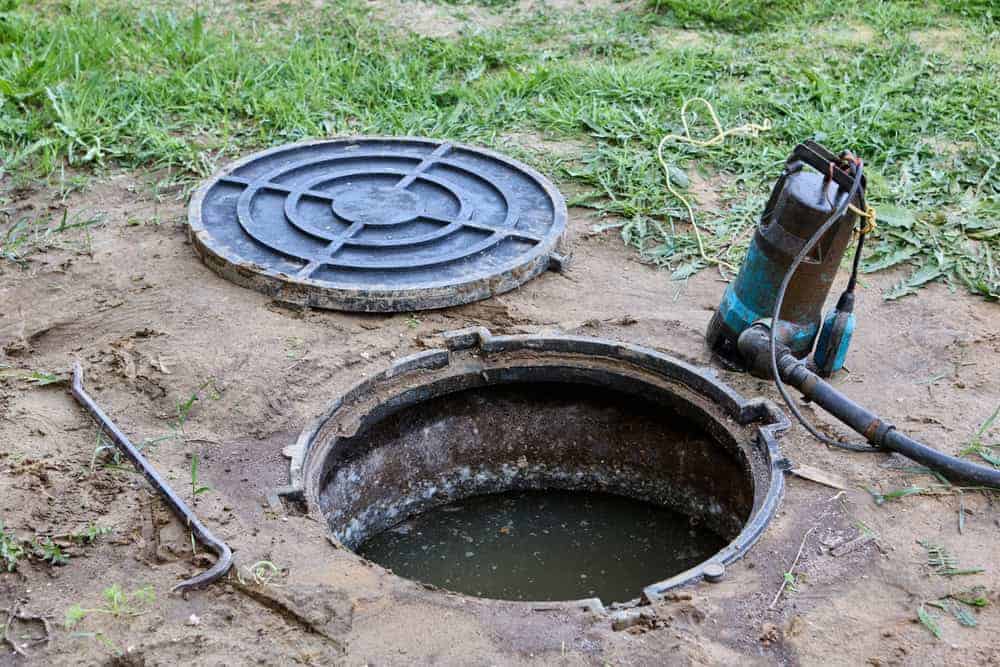
Not every plumbing issue is an emergency, but sewer line problems escalate fast. If you’re seeing sewage backing up into your home—coming up through floor drains, overflowing from toilets, or pooling in your basement—that’s an emergency. Sewage contains bacteria, viruses, and parasites that pose serious health risks. You need an emergency plumber immediately, and you need to keep people and pets away from the contaminated area.
Foul odors are another red flag. If your home smells like sewage and you can’t pinpoint a dried-out drain trap or a toilet issue, the smell is likely coming from your sewer line. That means gases are escaping through cracks or backups, and it’s not something you want to ignore. Sewer gas isn’t just unpleasant—it can be hazardous in high concentrations.
Multiple clogged drains also warrant a call. If plunging or snaking one drain doesn’t help, or if clearing one drain just shifts the problem somewhere else, you’re dealing with a main line issue. Trying to fix it yourself with chemical drain cleaners won’t work and can actually damage your pipes further. Those chemicals are harsh, and they don’t clear root blockages or structural problems.
Soggy spots in your yard, especially if they’re accompanied by unusually green or lush grass, can indicate a leaking sewer line. Sewage acts as fertilizer, so plants in that area grow faster. But that also means untreated wastewater is leaking into your soil, which is both a health hazard and a sign that your pipe is compromised. If you notice these patches, particularly near where your sewer line runs, it’s time to have it inspected.
Even if you’re not experiencing an active problem, it’s smart to schedule a camera inspection if your home is more than 50 years old and still has its original sewer line. Proactive inspections catch issues early—before they become backups. You get to see the condition of your pipes, identify weak spots, and plan for repairs on your terms rather than in the middle of an emergency. That’s the difference between a manageable repair and a middle-of-the-night disaster that costs twice as much.
A camera inspection is straightforward. We insert a small, waterproof camera attached to a flexible cable into your sewer line through an access point—usually a cleanout or a drain. The camera travels through the pipe, sending back real-time video that shows the interior condition. You can see cracks, root intrusion, blockages, corrosion, and any other issues that might be affecting flow.
This isn’t guesswork. The camera pinpoints exactly where problems are located and how severe they are. If there’s a crack at a joint 30 feet from your house, we know. If roots have infiltrated near the property line, that shows up too. This information is critical for deciding on the right repair method. Some issues can be addressed with spot repairs. Others require more extensive work. The camera inspection gives you the full picture so you can make informed decisions.
The process is non-invasive. There’s no digging, no tearing up your yard, and no disruption to your daily routine. It typically takes less than an hour, and at the end, you’ll have a clear understanding of your sewer line’s condition. We can even provide you with a recording of the inspection so you can see what we’re seeing and understand our recommendations.
Camera inspections are also useful for preventative maintenance. Even if you’re not experiencing problems, an inspection can reveal early signs of trouble—small cracks, minor root intrusion, areas where the pipe is starting to sag. Catching these issues early means you can address them before they lead to backups or failures. It’s like getting a checkup for your sewer line, and it’s especially valuable for older homes where the pipes are nearing the end of their expected lifespan.
If you’re buying a home in Winnetka, especially an older one, a sewer line inspection should be part of your due diligence. You don’t want to move in and discover that the sewer line is on the verge of failure. An inspection gives you leverage during negotiations and helps you avoid unexpected repair costs down the road. It’s a small investment that can save you thousands.
Once you know what’s wrong with your sewer line, the next step is deciding how to fix it. Traditional excavation works, but it’s disruptive. Trenchless sewer repair methods like pipe lining and pipe bursting offer less invasive alternatives that preserve your landscaping and get the job done faster. The right choice depends on the extent of the damage, the condition of your existing pipe, and what you want for the long term.
Working with us gives you flexibility because we offer multiple repair options. You’re not locked into one approach. You get recommendations based on what actually makes sense for your situation, not just what’s easiest for us. And when you address sewer line problems early—before they turn into emergencies—you have more options and better control over the process.
If you’re dealing with slow drains, strange smells, or any of the warning signs we’ve covered, don’t wait. The longer you put it off, the worse it gets and the more it costs. We can inspect your sewer line, identify the problem, and walk you through your repair options with upfront pricing and honest recommendations. Your home deserves solutions that actually last.
Article details:
Share:
Continue learning:
Request a Callback
Want to skip the wait?
Simply enter your contact details, and we’ll call you when a NY Spine Advisor becomes available.