Chicago homeowners face unique drain challenges. Recognize these 5 warning signs before minor issues become expensive emergencies.
Share:
Request a Callback
Want to skip the wait?
Simply enter your contact details, and we’ll call you when a Go Rooter Advisor becomes available.
Summary:
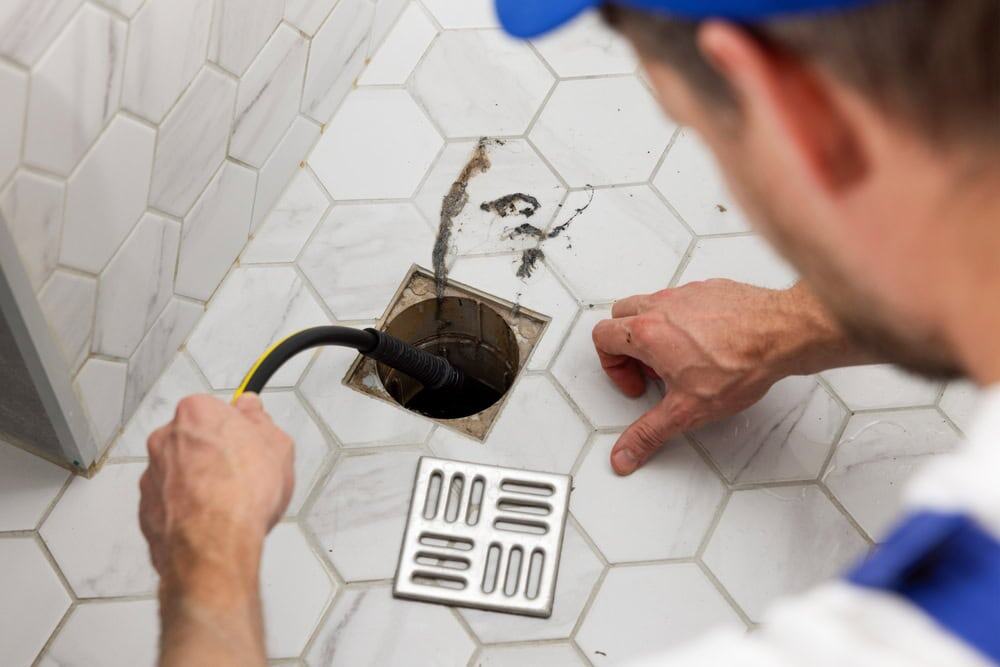
When one drain runs slow, you might have a simple clog. When multiple drains throughout your home start backing up simultaneously, you’re looking at something bigger. This is often your first clue that the main sewer line has a serious blockage.
In Chicago, this problem is particularly common due to our city’s infrastructure and environmental factors. Tree roots seeking moisture can penetrate small cracks in sewer pipes, gradually growing and restricting water flow. What starts as slightly slower drainage quickly escalates to complete blockages affecting your entire plumbing system.
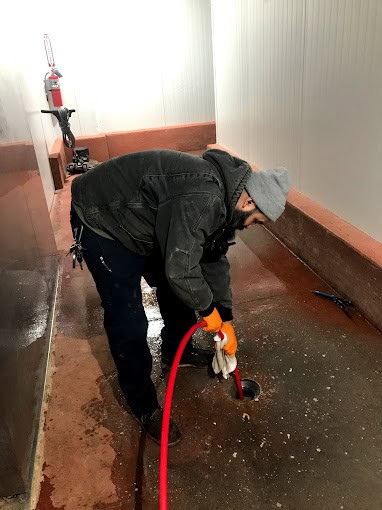
Chicago’s unique combination of older infrastructure and environmental conditions creates perfect conditions for widespread drain problems. Many of our beautiful vintage homes feature outdated plumbing systems, including u-shaped house traps that modern homes don’t use because they’re extremely challenging to unblock.
The city’s abundant tree coverage, while gorgeous, presents ongoing challenges for sewer lines. Tree roots are naturally drawn toward the water and nutrients flowing through your pipes. They slowly extend small fibers into the pipes, then grow and break through them over time. Once roots establish themselves in your sewer line, they create an ongoing cycle of blockages that affect multiple drains simultaneously.
Galvanized pipes, common in homes from the 1950s, add another layer of complexity. Recent research shows these pipes release lead as they rust, and their deteriorating condition makes them more susceptible to clogs and blockages. When combined with Chicago’s variable weather patterns—including heavy rainfall and snowmelt—these aging systems become overwhelmed.
The interconnected nature of your home’s plumbing means that when your main sewer line develops problems, you’ll notice issues throughout the house. Kitchen and laundry room drains are often connected, so lint from the washing machine meets grease and food buildup from the kitchen, creating clogs that impact both areas.
Chicago’s unique combination of older infrastructure and environmental conditions creates perfect conditions for widespread drain problems. Many of our beautiful vintage homes feature outdated plumbing systems, including u-shaped house traps that modern homes don’t use because they’re extremely challenging to unblock.
The city’s abundant tree coverage, while gorgeous, presents ongoing challenges for sewer lines. Tree roots are naturally drawn toward the water and nutrients flowing through your pipes. They slowly extend small fibers into the pipes, then grow and break through them over time. Once roots establish themselves in your sewer line, they create an ongoing cycle of blockages that affect multiple drains simultaneously.
Galvanized pipes, common in homes from the 1950s, add another layer of complexity. Recent research shows these pipes release lead as they rust, and their deteriorating condition makes them more susceptible to clogs and blockages. When combined with Chicago’s variable weather patterns—including heavy rainfall and snowmelt—these aging systems become overwhelmed.
The interconnected nature of your home’s plumbing means that when your main sewer line develops problems, you’ll notice issues throughout the house. Kitchen and laundry room drains are often connected, so lint from the washing machine meets grease and food buildup from the kitchen, creating clogs that impact both areas.
Want live answers?
Connect with a Go-Rooter Emergency Plumbers expert for fast, friendly support.
Your nose and ears are powerful diagnostic tools when it comes to drain problems. Foul odors and strange sounds from your drains signal issues that require professional attention. These warning signs often appear before visible problems, giving you the opportunity to address issues before they become emergencies.
Gurgling sounds typically indicate air bubbles trying to escape through water that should be draining freely. Sewer-like smells suggest waste isn’t passing through your system properly, creating health and safety concerns for your family.
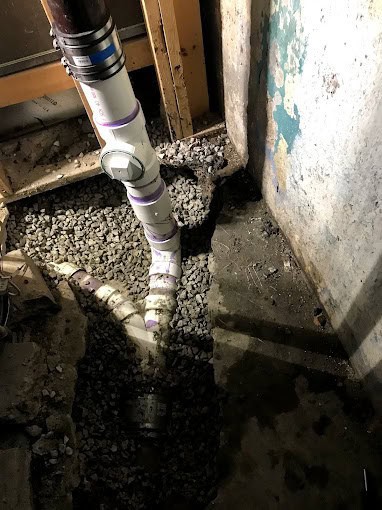
That gurgling sound coming from your toilet, shower, or sink isn’t normal—it’s your plumbing system struggling to move water and air through blocked passages. When water flows down your drain, it should move smoothly and quietly. Gurgling occurs when air gets trapped and bubbles up through standing water, creating that distinctive sound.
In Chicago homes, gurgling often starts in one fixture but gradually spreads to others as blockages worsen. You might first notice it when using the washing machine, then hear similar sounds from the kitchen sink or bathroom drains. This progression indicates that the blockage is in your main drain line rather than individual fixture drains.
The underground nature of sewer lines makes these problems challenging to diagnose without professional equipment. Tree root intrusion, a common issue in Chicago due to our mature urban forest, often creates partial blockages that cause gurgling before complete failure. Roots don’t just block pipes—they create rough surfaces that catch debris and accelerate clog formation.
Temperature changes in Chicago can worsen gurgling issues. Cold weather can cause pipes to contract and existing blockages to become more restrictive. Conversely, spring thaws can shift soil around pipes, potentially crushing older clay or cast iron sewer lines and creating new restrictions.
We use specialized listening equipment and video inspection tools to pinpoint the exact location of problems causing gurgling sounds. This precision prevents unnecessary digging and allows for targeted repairs that address root causes rather than just symptoms.
Sewer-like smells coming from your drains represent more than just unpleasant odors—they signal potential health and safety risks that require immediate professional attention. These smells indicate that waste isn’t passing freely through your system, creating conditions where harmful bacteria and gases can accumulate and enter your living space.
The smell may not be constant, which often leads homeowners to ignore the problem. However, intermittent sewer odors typically indicate partial blockages that worsen over time. As debris accumulates and restricts flow, anaerobic bacteria begin breaking down organic matter in your pipes, producing hydrogen sulfide and other dangerous gases.
Chicago’s older plumbing systems are particularly susceptible to these issues. Vintage homes often have deteriorating pipe joints and connections that allow sewer gases to escape into basements and living areas. Cast iron pipes, common in pre-1970s construction, develop rough interior surfaces as they age, creating perfect conditions for debris accumulation and bacterial growth.
Blocked drains can also create negative pressure in your plumbing system, potentially pulling sewer gases through floor drains and fixture traps. This is especially problematic in Chicago basements, where floor drains may dry out during winter months when heating systems reduce humidity levels.
Professional drain cleaning addresses both the immediate blockage and underlying conditions that allow odors to develop. High-pressure water jetting removes not just clogs but also the biofilm and bacterial buildup that creates persistent odors. Video inspection identifies damaged pipe sections that may need repair to prevent future gas infiltration.
Don’t ignore persistent drain odors, especially if family members experience headaches, nausea, or respiratory irritation. These symptoms can indicate exposure to sewer gases and require immediate professional intervention to protect your family’s health.
Recognizing these warning signs early gives you the power to prevent expensive emergency repairs and protect your family’s health and safety. Multiple slow drains, unusual sounds, and persistent odors all indicate that your plumbing system needs professional attention before minor issues become major disasters.
Chicago’s unique plumbing challenges—from vintage infrastructure to tree root intrusion—require expertise that goes beyond basic drain snaking. We use advanced technology like video camera inspection and hydro jetting to address root causes, not just symptoms. When you notice any of these warning signs, don’t wait for a complete blockage or sewage backup. Contact Go-Rooter Emergency Plumbers for fast, reliable drain cleaning that keeps your Chicago home’s plumbing system running smoothly year-round.
Article details:
Share:
Continue learning:
Request a Callback
Want to skip the wait?
Simply enter your contact details, and we’ll call you when a NY Spine Advisor becomes available.