Choosing between trenchless and traditional sewer repair in Winnetka? Learn which method protects your property value and delivers lasting results.
Share:
Request a Callback
Want to skip the wait?
Simply enter your contact details, and we’ll call you when a Go Rooter Advisor becomes available.
Summary:
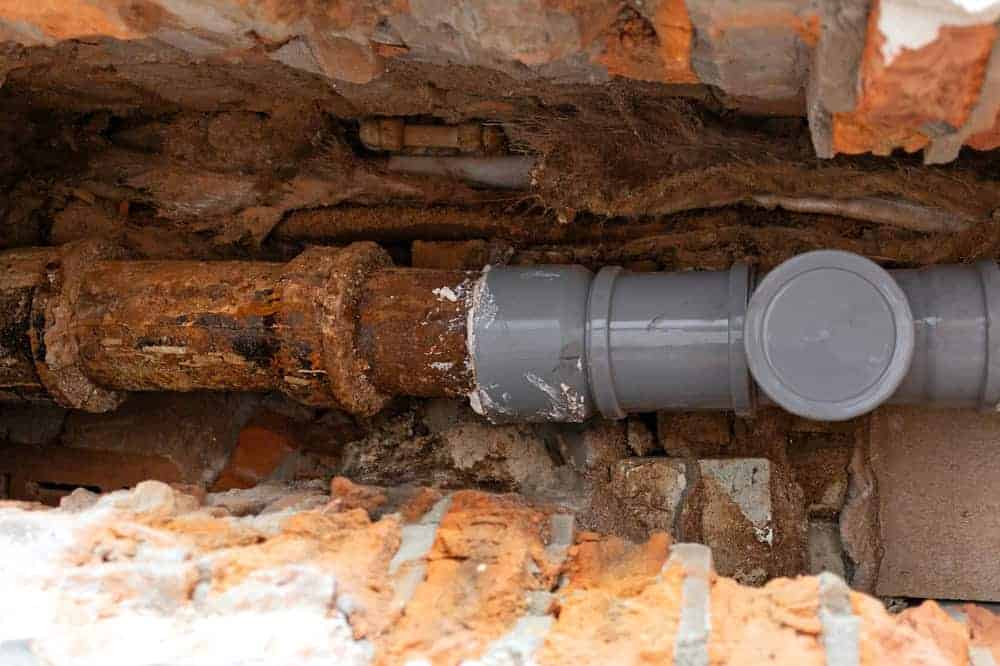
Trenchless sewer repair fixes or replaces your underground sewer line without tearing up your entire yard. Instead of digging a trench from your house to the street, we access the pipe through one or two small entry points.
Think of it like fixing a pipe from the inside rather than ripping everything out. The technology uses your existing pipe as a guide, either reinforcing it with a new liner or replacing it entirely while breaking up the old one. Your driveway stays intact. Your landscaping survives. The work happens underground, where it should.
This isn’t experimental. The method has been refined over decades and now delivers repairs that outlast many traditional replacements. For Winnetka homeowners with mature trees, established gardens, or driveways over their sewer lines, it’s often the smarter play.
The process starts with a camera inspection. We feed a small video camera through your sewer line to see exactly what’s wrong and where. Cracks, root intrusion, bellied sections—the camera shows it all. This step matters because not every situation works for trenchless methods, and you need to know before anyone starts work.
If trenchless sewer line repair is viable, there are two main approaches. Pipe lining, also called CIPP (cured-in-place pipe), involves inserting a flexible liner coated with epoxy resin into your damaged pipe. Once positioned, the liner inflates to fit snugly against the pipe walls, then hardens. You’re left with a smooth, seamless pipe inside your old one. The liner is resistant to roots, corrosion, and the shifting soil common in older Winnetka neighborhoods.
Pipe bursting takes a different route for complete sewer pipe replacement. When your existing pipe is too damaged for lining, a bursting head gets pulled through the old line, breaking it apart while simultaneously pulling a new pipe into place. The fractured pieces of the old pipe get pushed into the surrounding soil. What you end up with is a brand new sewer line installed along the exact path of the old one.
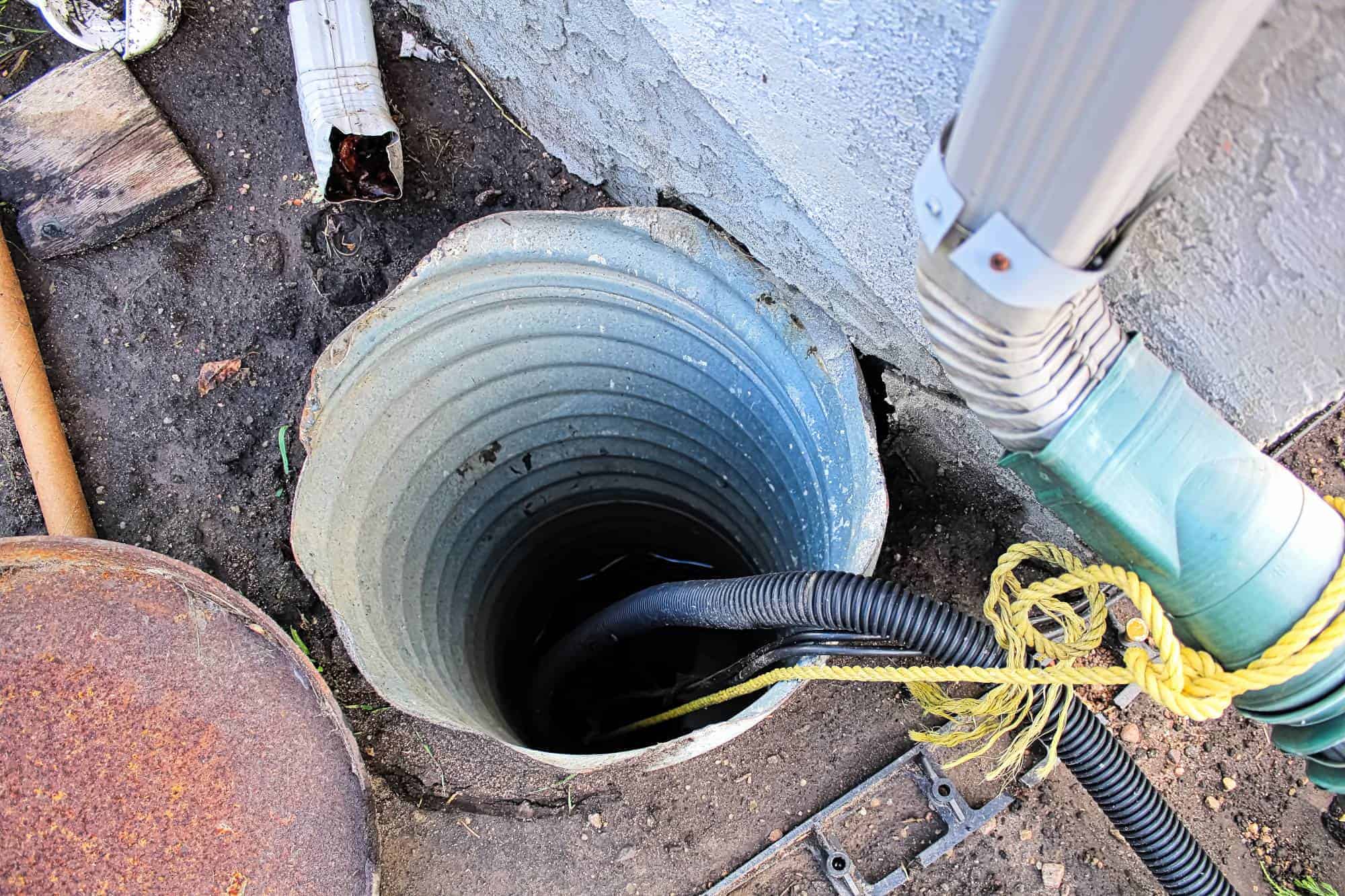
Both methods need access points—typically at the start and end of the problem section. These are small excavations, nothing like the trenches required for traditional work. We might dig a hole near your foundation and another near the street connection. Everything else stays untouched.
The work itself usually wraps up in a day. Longer runs or complications can stretch it to two days, but you’re not looking at a week-long disruption. The new pipe or liner is designed to last 50 to 100 years. That’s longer than most of us will own our homes.
One limitation: trenchless methods work best when your existing pipe still has some structural integrity. If the line has completely collapsed, is severely misaligned, or was installed incorrectly from the start, you might need traditional excavation. That’s why the camera inspection comes first.
The process starts with a camera inspection. We feed a small video camera through your sewer line to see exactly what’s wrong and where. Cracks, root intrusion, bellied sections—the camera shows it all. This step matters because not every situation works for trenchless methods, and you need to know before anyone starts work.
If trenchless sewer line repair is viable, there are two main approaches. Pipe lining, also called CIPP (cured-in-place pipe), involves inserting a flexible liner coated with epoxy resin into your damaged pipe. Once positioned, the liner inflates to fit snugly against the pipe walls, then hardens. You’re left with a smooth, seamless pipe inside your old one. The liner is resistant to roots, corrosion, and the shifting soil common in older Winnetka neighborhoods.
Pipe bursting takes a different route for complete sewer pipe replacement. When your existing pipe is too damaged for lining, a bursting head gets pulled through the old line, breaking it apart while simultaneously pulling a new pipe into place. The fractured pieces of the old pipe get pushed into the surrounding soil. What you end up with is a brand new sewer line installed along the exact path of the old one.
Both methods need access points—typically at the start and end of the problem section. These are small excavations, nothing like the trenches required for traditional work. We might dig a hole near your foundation and another near the street connection. Everything else stays untouched.
The work itself usually wraps up in a day. Longer runs or complications can stretch it to two days, but you’re not looking at a week-long disruption. The new pipe or liner is designed to last 50 to 100 years. That’s longer than most of us will own our homes.
One limitation: trenchless methods work best when your existing pipe still has some structural integrity. If the line has completely collapsed, is severely misaligned, or was installed incorrectly from the start, you might need traditional excavation. That’s why the camera inspection comes first.
Want live answers?
Connect with a Go-Rooter Emergency Plumbers expert for fast, friendly support.
Traditional sewer repair is exactly what it sounds like: digging a trench to expose your damaged pipe, removing the broken section, and installing new pipe in its place. This is how sewer work was done for generations, and it’s still necessary in certain situations.
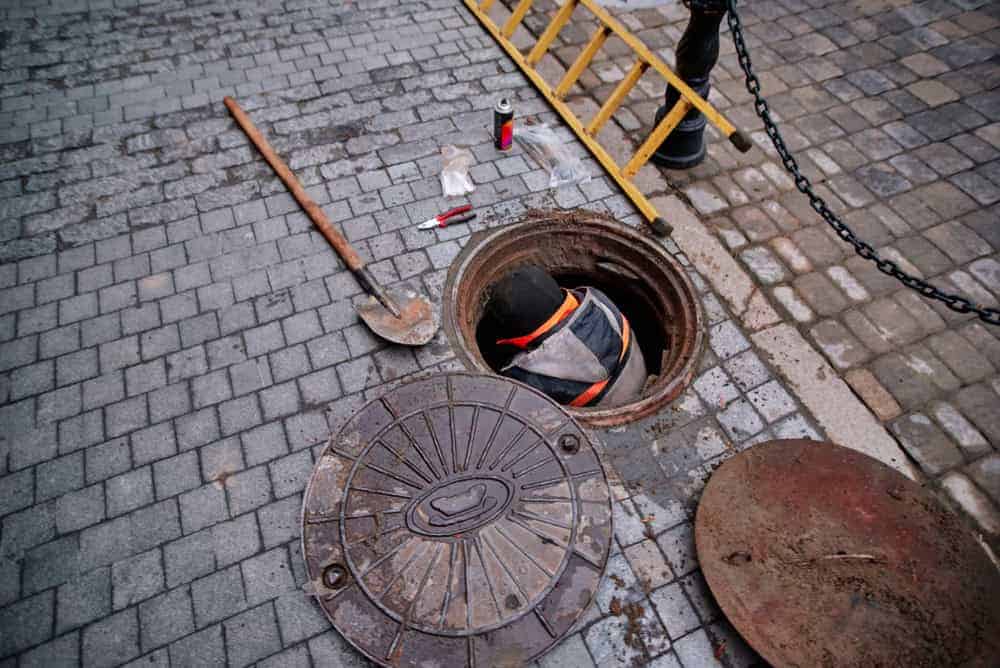
The process requires heavy equipment—a backhoe or excavator—to dig down to your sewer line. Depending on how deep the pipe sits and where the damage is located, that could mean a trench running from your house to the street. Everything above the pipe has to be removed: soil, landscaping, driveways, sidewalks, whatever’s in the way.
Once the pipe is exposed, the damaged section gets cut out and replaced. Then comes backfilling the trench and restoring whatever was there before. That’s where costs and timelines balloon. You’re not just paying for pipe replacement—you’re paying to put your property back together.

Traditional excavation starts with locating your sewer line and mapping out where the damage is. This might involve a camera inspection, or in older systems, some educated guessing based on where problems are surfacing. Once the route is determined, the digging begins.
We bring in excavation equipment and start removing everything above the sewer line. If your line runs under your driveway, that driveway gets torn up. If it’s under landscaping, those plantings come out. The trench needs to be wide enough for workers to access the pipe safely, and deep enough to reach lines that might be six feet down or more.
After the trench is open, we remove the damaged pipe section. New pipe—typically PVC or another durable material—gets installed, connected, and tested for proper flow. The trench is then backfilled with soil, compacted to prevent settling, and whatever was on top gets restored or replaced.
This restoration phase is where traditional main sewer line replacement gets expensive and time-consuming. If a concrete driveway was removed, it needs to be repoured and allowed to cure. If landscaping was disturbed, you’re replanting and waiting for things to grow back. Even with careful work, your property won’t look the same immediately. You’re waiting weeks or months for everything to settle and recover.
The timeline for traditional sewer repair typically runs three to five days for the actual pipe work, but restoration can stretch much longer. And while the work is happening, portions of your property are inaccessible. You might have equipment parked in your driveway, barriers around open trenches, and dirt piles taking up space.
One advantage traditional excavation has: complete visibility. When the pipe is fully exposed, we can see everything—the condition of surrounding pipes, the soil, any unexpected complications. There’s no guessing. If multiple issues exist, they can all be addressed at once.
Traditional digging is also the right call when trenchless methods won’t work. Severely collapsed pipes, major rerouting needs, or situations where the existing pipe can’t serve as a guide all require excavation. In these cases, there’s no shortcut. The work has to be done the hard way.
For Winnetka homeowners, traditional repair makes sense in specific scenarios: when the damage is too extensive for trenchless methods, when the line needs significant rerouting, or when other underground work is already planned and it makes sense to handle everything at once. It’s not the first choice for most situations, but it’s sometimes the only choice that actually solves the problem.
Not every sewer problem can be fixed from the inside. Traditional excavation becomes necessary when the pipe’s condition has deteriorated past the point where trenchless methods will hold. A completely collapsed section, for example, can’t be lined or burst—there’s nothing left to work with.
Severe misalignment is another trigger. If your sewer line has shifted significantly due to soil movement or settling, trying to run equipment through it won’t work. The pipe needs to be accessed directly, repositioned or replaced, and properly supported. That requires digging.
Improper installation from decades ago sometimes creates situations where the only fix is starting over. If the original line was installed with inadequate slope, used incompatible materials, or was poorly connected, patching it with trenchless methods just delays the inevitable. Better to excavate once and do it right.
There are also cases where the sewer line needs to be rerouted entirely. Maybe you’re adding onto your home and the current line is in the way. Maybe the original path is no longer viable due to new construction or landscape changes. Rerouting requires excavation—you can’t change a pipe’s path from the inside.
Cost sometimes factors in, but not the way you’d expect. If you’re already planning major landscaping work, driveway replacement, or other projects that involve digging, coordinating traditional sewage line replacement at the same time can actually save money. You’re disturbing the property anyway, so handling multiple projects together reduces overall disruption and labor costs.
In Winnetka and throughout Cook County, where many properties have older sewer systems installed when the homes were built, traditional excavation occasionally reveals other issues that need attention—connections to the main line, cleanout access, or outdated materials throughout the system. When that happens, the visibility that comes with excavation becomes valuable. You’re not just fixing one problem; you’re addressing the whole system.
The key is knowing which method your situation actually requires. A camera inspection should always come first. Any plumber who recommends a repair method without first looking at the pipe is guessing. And when it comes to sewer work, guessing costs you money and time.
Traditional excavation isn’t the enemy. It’s a tool that works in specific situations. For most Winnetka homeowners dealing with typical aging-pipe issues—cracks, root intrusion, minor bellying—trenchless handles it with less disruption. But when the situation calls for excavation, that’s what should happen. The goal is solving the problem correctly, not avoiding digging just to avoid digging.
Your sewer line situation is specific to your property, your pipes, and what’s actually wrong underground. There’s no one-size-fits-all answer, but there is a right answer for your home.
Start with a camera inspection. That’s non-negotiable. Anyone recommending a repair method without looking inside your pipes first is guessing, and you shouldn’t pay for guesses. The camera shows the real condition of your line, where the damage is, and whether trenchless methods will actually work.
From there, the choice becomes clearer. If your pipes can be repaired or replaced without excavation, and you want to preserve your property and minimize disruption, trenchless makes sense. If the damage is too severe, or the line needs rerouting, traditional excavation is the way forward. Both methods work when applied to the right situation.
What matters most is working with a plumber who’ll give you straight answers about what your property actually needs. We serve Winnetka with camera inspections, trenchless repairs, and traditional excavation when that’s what the job requires. Reach out when you’re ready to figure out what’s really happening with your sewer line.
Article details:
Share:
Continue learning:
Request a Callback
Want to skip the wait?
Simply enter your contact details, and we’ll call you when a NY Spine Advisor becomes available.