Your home is trying to tell you something. Multiple slow drains, strange odors, and wet spots in your yard aren't random—they're warning signs your sewer line needs attention.
Share:
Request a Callback
Want to skip the wait?
Simply enter your contact details, and we’ll call you when a Go Rooter Advisor becomes available.
Summary:
Your drains connect to one main sewer line that carries everything away from your house. When that line develops problems, your drains start acting strange. Not just one drain—multiple drains throughout your home.
A clogged kitchen sink is usually just a clogged kitchen sink. But when your toilet backs up every time you run the washing machine, or your shower drain gurgles when someone flushes downstairs, that’s different. That’s your main sewer line struggling to handle the flow.
You’ll notice it most with your lowest drains first. Basements and first-floor bathrooms show symptoms before upstairs fixtures because water follows gravity. If your basement toilet is the first to back up during heavy water use, your main line is likely blocked or damaged somewhere between your house and the street.
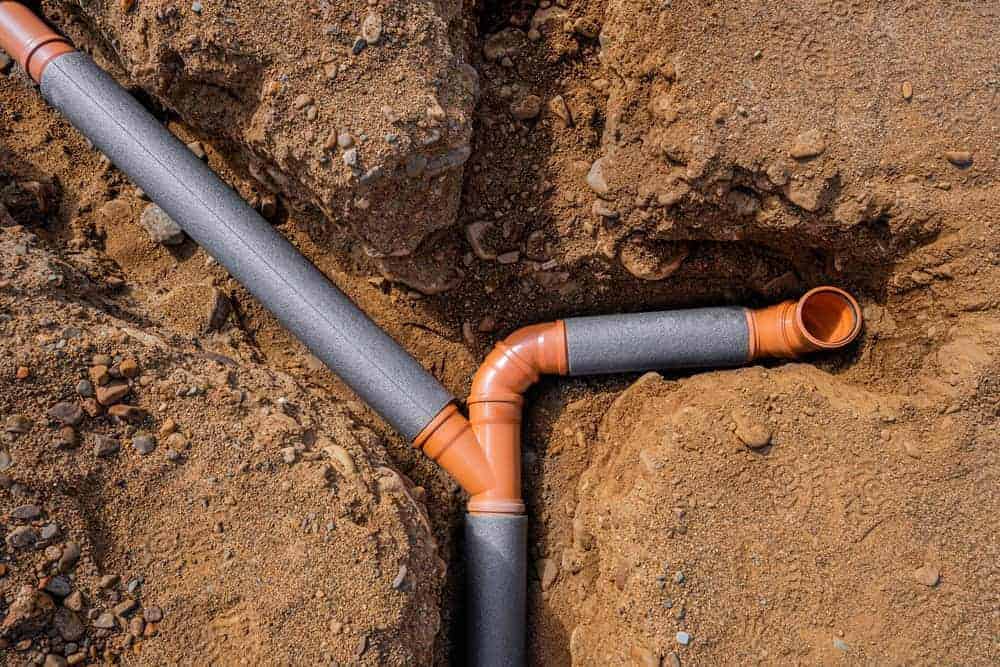
One slow drain is a localized problem. Multiple slow drains happening simultaneously point to your main sewer line.
Think about how your plumbing works. Every sink, toilet, shower, and appliance in your home drains into branch lines that eventually feed into one main sewer line. When that main line gets blocked or damaged, nothing can drain properly. The blockage affects everything downstream from that point.
You might notice your kitchen sink backing up when you run the dishwasher. Or your bathtub filling with water when someone uses the bathroom sink. These connected symptoms mean the problem isn’t in your individual fixtures—it’s in the shared line they all depend on.
In Winnetka’s older homes, this often happens because of tree root intrusion. Roots seek out water sources and find their way into sewer pipes through tiny cracks or loose joints. Once inside, they grow into dense masses that catch toilet paper, grease, and other materials. Over time, this creates a blockage that affects your entire system.
Clay pipes and cast-iron lines, common in homes built before the 1970s, are especially vulnerable. The joints between sections can separate as the ground shifts over decades. Roots exploit these weak points. Even small root intrusions can grow into major blockages within months.
Traditional drain cleaning might clear the symptoms temporarily, but if roots or structural damage caused the blockage, it’ll come back. That’s when you need a camera inspection to see what’s actually happening inside your pipes. Modern sewer cameras can identify exactly where the problem is, what’s causing it, and whether you need repair or just cleaning.
One slow drain is a localized problem. Multiple slow drains happening simultaneously point to your main sewer line.
Think about how your plumbing works. Every sink, toilet, shower, and appliance in your home drains into branch lines that eventually feed into one main sewer line. When that main line gets blocked or damaged, nothing can drain properly. The blockage affects everything downstream from that point.
You might notice your kitchen sink backing up when you run the dishwasher. Or your bathtub filling with water when someone uses the bathroom sink. These connected symptoms mean the problem isn’t in your individual fixtures—it’s in the shared line they all depend on.
In Winnetka’s older homes, this often happens because of tree root intrusion. Roots seek out water sources and find their way into sewer pipes through tiny cracks or loose joints. Once inside, they grow into dense masses that catch toilet paper, grease, and other materials. Over time, this creates a blockage that affects your entire system.
Clay pipes and cast-iron lines, common in homes built before the 1970s, are especially vulnerable. The joints between sections can separate as the ground shifts over decades. Roots exploit these weak points. Even small root intrusions can grow into major blockages within months.
Traditional drain cleaning might clear the symptoms temporarily, but if roots or structural damage caused the blockage, it’ll come back. That’s when you need a camera inspection to see what’s actually happening inside your pipes. Modern sewer cameras can identify exactly where the problem is, what’s causing it, and whether you need repair or just cleaning.
Want live answers?
Connect with a Go-Rooter Emergency Plumbers expert for fast, friendly support.
Sewage smells shouldn’t exist in or around your home. Your sewer line is designed to be sealed, with traps that prevent gases from backing up into your living space. When you smell sewage, something’s broken.
The smell might show up in your yard, in your basement, or even in specific rooms upstairs. Location matters because it can help identify where the problem is. But regardless of where you smell it, the message is the same: your sewer line is leaking or venting where it shouldn’t.
Outdoor sewage odors often indicate a break in your sewer line. Waste is escaping into the soil around your pipes. You might notice the smell near your foundation, in your yard, or around your driveway. Sometimes you’ll see wet spots or unusually lush grass in the same area—sewage acts as fertilizer, creating green patches that stand out from the rest of your lawn.
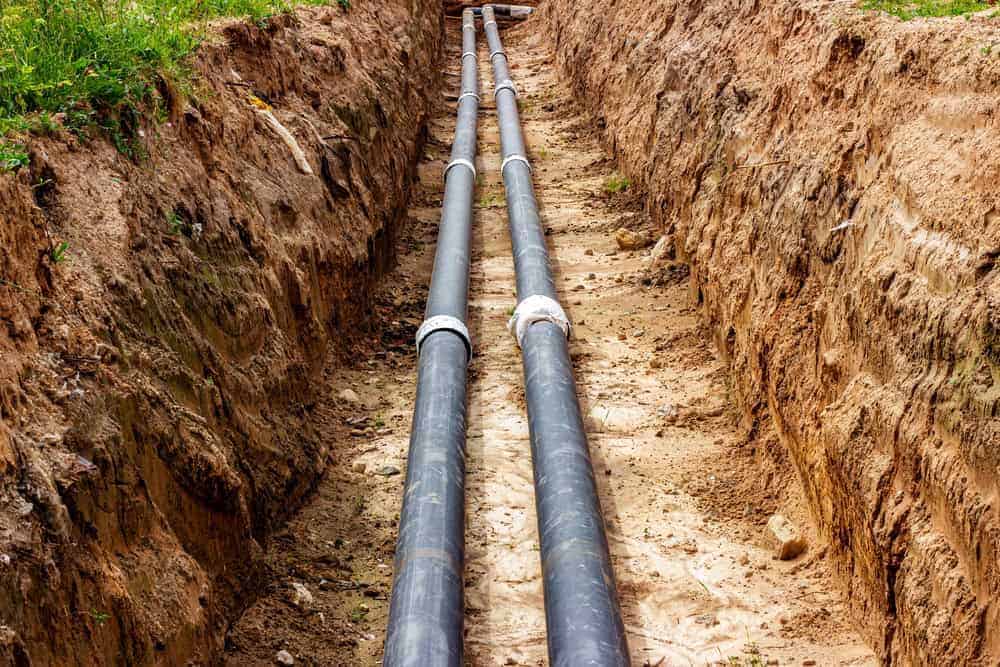
When you smell sewage outside, you’re likely dealing with a broken or cracked sewer line. The pipe has developed an opening that’s allowing waste to leak into the surrounding soil.
This happens for several reasons in Winnetka’s older homes. Clay pipes deteriorate over time, developing cracks that expand. Cast-iron pipes corrode, especially at the bottom where waste sits. Tree roots can crack pipes as they grow. Ground movement can break or disconnect pipe sections. Whatever the cause, the result is the same: raw sewage leaking into your property.
You might notice the smell is stronger after heavy water use—after showers, laundry, or running the dishwasher. That’s because more waste flowing through the pipe means more leaking through the break. The smell might also intensify after rain, as groundwater saturates the soil around the damaged pipe and carries the odor to the surface.
Look for other signs in the same area. Is the grass unusually green in one spot? Is the ground soft or sunken? Do you see standing water that doesn’t drain? These physical symptoms combined with sewage odor strongly indicate a sewer line leak.
Left unaddressed, these leaks get worse. The break expands. More waste escapes. The soil around your foundation can become saturated, potentially causing settlement or structural issues. The leak can also contaminate groundwater and create health hazards for your family and neighbors.
Modern camera inspection can pinpoint the exact location of the break without excavating your entire yard. The camera shows the crack or separation, identifies the pipe material and condition, and helps determine whether you need spot repair or more extensive work. Many breaks can be fixed with trenchless methods that don’t require digging up your landscaping.
Sewage odors inside your home indicate problems with your drain traps, vent system, or an actual backup beginning to develop. The smell might come from specific drains, or it might be more general and hard to pinpoint.
Every drain in your home has a P-trap—that curved section of pipe under your sink or in your toilet. These traps hold water that creates a seal, preventing sewer gases from coming back up through your drains. When a trap dries out, usually because a fixture isn’t used regularly, the seal breaks and gases enter your home.
Guest bathrooms and basement floor drains often cause this problem. If you haven’t used that shower in months, the trap water evaporates. Pour some water down the drain to refill the trap and the smell should disappear. If it doesn’t, the problem is deeper.
Damaged or improperly installed vent pipes can also cause indoor sewage odors. Your plumbing system includes vent pipes that extend through your roof, allowing gases to escape and air to enter the system. When these vents are blocked or damaged, gases can’t escape properly and may back up into your home.
But the most concerning cause of indoor sewage smell is an actual backup developing in your main sewer line. When your line is severely blocked or broken, waste can’t exit your home properly. It backs up in your lowest drains, creating odors before you see actual sewage. This is an emergency situation that needs immediate attention.
If you smell sewage inside and can’t identify an obvious cause like a dry trap, call for a professional inspection. The problem could be minor, or it could be a major sewer line issue hours away from becoming a catastrophic backup. Camera inspection can quickly identify the source and severity of the problem.
Once you’ve identified a sewer line problem, you need to fix it. The question is how. Traditional excavation used to be the only option, but trenchless technology has changed the equation for many homeowners in Winnetka.
Traditional sewer repair means digging a trench from your house to the problem area, exposing the damaged pipe, and replacing the broken section. This works, but it’s disruptive. Your landscaping gets torn up. Your driveway might need to be excavated. The repair takes days, and you’ll need additional contractors to restore everything afterward.
Trenchless methods fix your sewer line without extensive digging. Pipe lining inserts a new pipe inside your existing one. Pipe bursting breaks the old pipe while simultaneously pulling a new one into place. Both methods require only small access points rather than a full trench. Your yard stays intact. The work typically completes in a day. Total costs are often lower because you’re not paying for excavation and restoration.
Not every situation qualifies for trenchless repair. Severely collapsed pipes or certain configurations may require traditional methods. But for many common problems—cracks, root intrusion, moderate deterioration—trenchless options provide faster, less invasive solutions. A camera inspection and professional evaluation will determine which approach makes sense for your specific situation.
The key is acting before minor damage becomes major failure. Small cracks can be lined. Moderate root intrusion can be cleared and the pipe reinforced. But once a section collapses completely, your options narrow and costs increase. Pay attention to those warning signs—the multiple clogs, the strange smells, the gurgling sounds. They’re telling you to investigate before you’re dealing with sewage in your basement.
If you’re experiencing any of these warning signs in Winnetka, IL, contact us at Go-Rooter Emergency Plumbers for a camera inspection and honest assessment of your options. We provide fast response, upfront pricing, and long-term solutions—that’s how sewer problems should be handled.
Article details:
Share:
Continue learning:
Request a Callback
Want to skip the wait?
Simply enter your contact details, and we’ll call you when a NY Spine Advisor becomes available.