Bellwood basements face serious flooding risks. Learn why a reliable sump pump system is essential and how to protect your home year-round.
Share:
Request a Callback
Want to skip the wait?
Simply enter your contact details, and we’ll call you when a Go Rooter Advisor becomes available.

Summary:
Cook County has a flooding problem. Since 1981, it’s been declared a major disaster area for flooding multiple times. That’s not ancient history—in August 2025, severe storms caused enough damage that federal assessment teams went door-to-door evaluating basement flooding across the county.
The numbers tell the story. An estimated 42% of Cook County is now covered in impervious surfaces—driveways, streets, parking lots, roofs. Water that used to soak into the ground now has nowhere to go except into storm sewers and, when those systems get overwhelmed, into basements. Add Chicago’s 100-year-old combined sewer system that mixes stormwater with sewage, and you’ve got a recipe for backup during heavy rains.
Bellwood sits right in the middle of this. Your home might have been fine for years, but conditions are changing. Heavier rainfall events, more development reducing natural drainage, aging infrastructure—these factors make basement flooding more likely now than it was a decade ago.

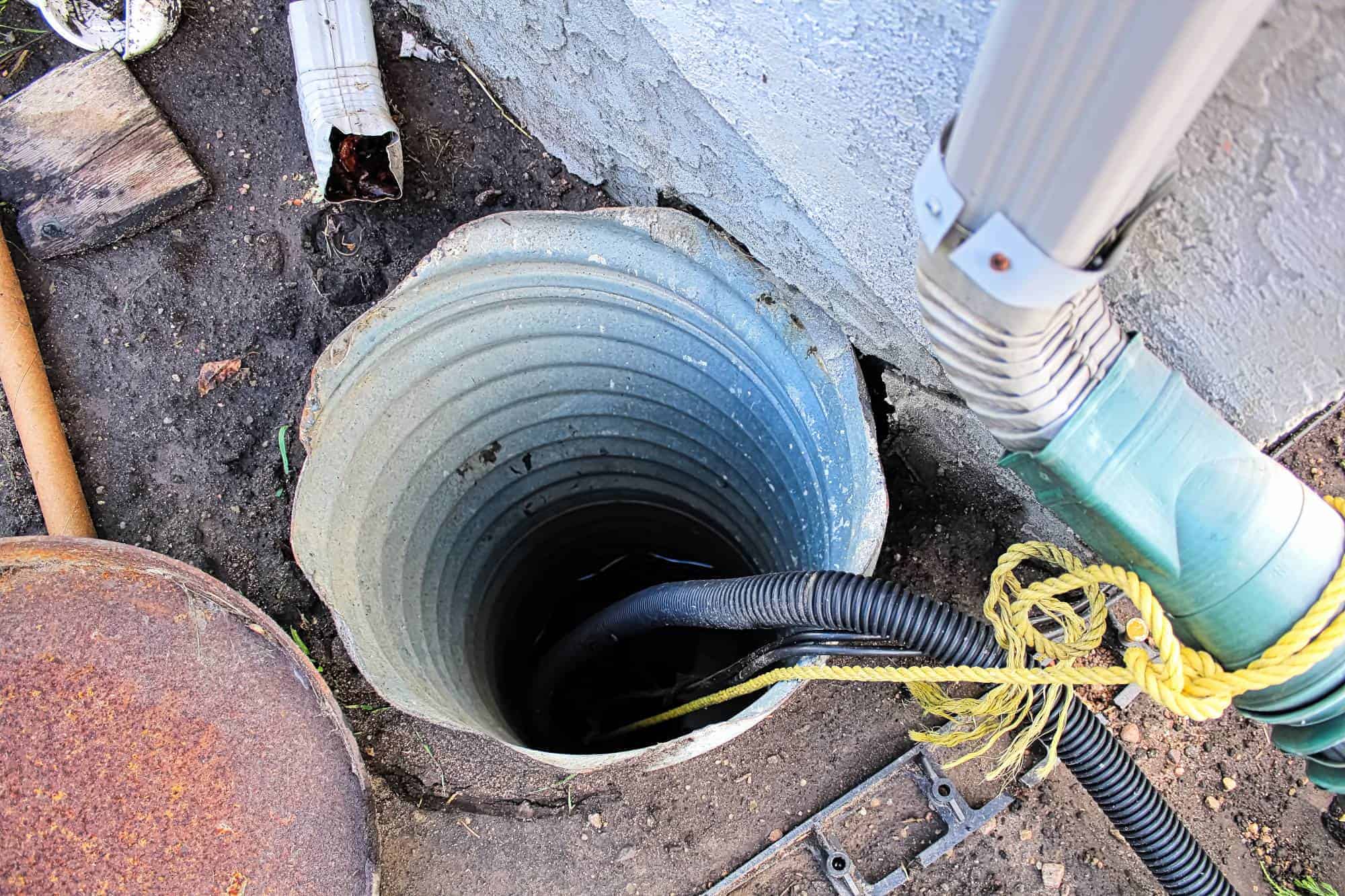
A sump pump system does one job: it moves water out of your basement before it causes problems. The system includes a pit (called a sump basin) installed at the lowest point of your basement floor, a pump that sits in or above that pit, and discharge pipes that carry water away from your foundation.
Here’s how it works in practice. Water seeps through your foundation walls or floor—this is normal, especially during heavy rain. That water flows toward the sump pit through drainage channels or simply by following gravity. As the pit fills, a float switch activates the pump. The pump then pushes that water through discharge pipes that carry it at least 20 feet away from your house, usually to a storm drain or lower ground where it can’t flow back.
Without this system, that water just sits in your basement. It soaks into drywall, damages flooring, ruins stored belongings, creates mold conditions, and over time can actually compromise your foundation’s structural integrity. The cost of drying out a flooded basement in Bellwood ranges from $3,855 to $4,494, and that’s before you factor in replacing damaged items or repairing structural issues.
A working sump pump handles this automatically. You don’t need to be home. You don’t need to do anything. The system detects rising water and removes it before it becomes a problem. That’s why it’s not really optional in areas with high water tables or frequent heavy rain—it’s the difference between a dry basement and a disaster.
Most Bellwood homes already have sump pumps, but having one and having a reliable one are two different things. Pumps fail. They wear out after 7 to 10 years of use. Float switches get stuck. Motors burn out. Discharge lines freeze in winter. And the most common failure happens during power outages, which tend to occur during the exact storms when you need the pump most.
A sump pump system does one job: it moves water out of your basement before it causes problems. The system includes a pit (called a sump basin) installed at the lowest point of your basement floor, a pump that sits in or above that pit, and discharge pipes that carry water away from your foundation.
Here’s how it works in practice. Water seeps through your foundation walls or floor—this is normal, especially during heavy rain. That water flows toward the sump pit through drainage channels or simply by following gravity. As the pit fills, a float switch activates the pump. The pump then pushes that water through discharge pipes that carry it at least 20 feet away from your house, usually to a storm drain or lower ground where it can’t flow back.
Without this system, that water just sits in your basement. It soaks into drywall, damages flooring, ruins stored belongings, creates mold conditions, and over time can actually compromise your foundation’s structural integrity. The cost of drying out a flooded basement in Bellwood ranges from $3,855 to $4,494, and that’s before you factor in replacing damaged items or repairing structural issues.
A working sump pump handles this automatically. You don’t need to be home. You don’t need to do anything. The system detects rising water and removes it before it becomes a problem. That’s why it’s not really optional in areas with high water tables or frequent heavy rain—it’s the difference between a dry basement and a disaster.
Most Bellwood homes already have sump pumps, but having one and having a reliable one are two different things. Pumps fail. They wear out after 7 to 10 years of use. Float switches get stuck. Motors burn out. Discharge lines freeze in winter. And the most common failure happens during power outages, which tend to occur during the exact storms when you need the pump most.
Want live answers?
Connect with a Go-Rooter Emergency Plumbers expert for fast, friendly support.
Installing a sump pump isn’t a weekend DIY project, despite what some YouTube videos might suggest. Proper installation requires cutting through your basement floor, excavating a pit deep enough to collect water effectively, installing drainage if it’s not already there, ensuring the pump is level and secured, running discharge lines that won’t freeze or clog, and connecting everything to your electrical system safely.
Get any of these steps wrong and you’ll have a system that doesn’t work when you need it. The pump might sit at an angle, causing the float switch to malfunction. The discharge line might be too small or routed incorrectly, causing backflow. The pit might be too shallow to handle heavy water volume. Professional installation eliminates these problems because experienced installers have seen what fails and what works.
Replacement is usually simpler than first-time installation since the pit and drainage are already there, but it still requires knowing which pump is right for your specific situation. Homes vary in how much water they deal with, how high the pump needs to lift that water, and whether they need additional features like battery backup. We assess your home’s needs and recommend the right system instead of just swapping in whatever’s cheapest.

Two main types of sump pumps exist: pedestal and submersible. Pedestal pumps sit above the water with a motor mounted on a column, while submersible pumps sit inside the sump pit and operate underwater. Submersible pumps are more common in residential settings because they’re quieter, more powerful, and out of sight. They cost more upfront—usually $300 to $900 for the unit versus $150 to $400 for pedestal pumps—but they’re worth it for most homeowners.
Pump capacity matters more than most people realize. It’s measured in gallons per hour (GPH) at different heights. A pump might move 3,500 GPH at zero feet but only 2,200 GPH when lifting water 10 feet up and out of your basement. If your discharge point is high or far away, you need a more powerful pump. Undersized pumps run constantly trying to keep up and burn out faster. Oversized pumps cycle on and off too frequently, which also shortens their lifespan. Getting this right requires understanding your home’s specific drainage situation.
Battery backup systems are worth serious consideration, especially in Bellwood where summer storms often cause power outages. A battery backup pump kicks in automatically when your primary pump loses power. Quality systems can pump over 11,000 gallons on a single charge—enough to protect your basement through most outages. The backup isn’t just for power failures, either. If your primary pump fails mechanically, the backup takes over. If water volume overwhelms your primary pump during an extreme rain event, the backup assists.
The cost difference is significant. A basic sump pump installation might run $600 to $1,000 total, while adding battery backup can push that to $1,500 to $2,500. But compare that to the cost of basement flooding. Water damage restoration starts at several thousand dollars and can easily reach five figures if you have finished space or significant belongings in the basement. The backup system isn’t an expense—it’s insurance that actually works when you need it.
We also assess your drainage system during installation. The best pump in the world won’t keep your basement dry if water can’t reach the sump pit efficiently. Many homes benefit from interior drain tile—perforated pipes installed along the basement perimeter that collect water and channel it to the pump. If your home doesn’t have this, or if the existing drainage is clogged or improperly pitched, we address that during installation.
Sump pumps need maintenance. Not constant attention, but regular checks that catch small problems before they become failures. Most homeowners never think about their pump until it stops working, which is exactly when you don’t want to discover it needed maintenance.
Test your pump at least twice a year, ideally before spring rains and again before winter. Pour about five gallons of water into the sump pit and watch what happens. The float should rise, the pump should activate within seconds, and the water should drain quickly. If there’s any delay, strange noise, or the water doesn’t drain completely, you’ve found a problem while you can still fix it on your schedule instead of during an emergency.
Clean the sump pit every few months. Debris, dirt, and sediment accumulate over time and can clog the pump’s inlet screen or jam the impeller. Remove the pump, clear out any buildup from the pit, and rinse the pump itself. Check the inlet screen at the pump’s base and clean it if it’s clogged. This simple maintenance extends pump life significantly.
Inspect the discharge line regularly, especially in winter. Make sure it’s directing water at least 20 feet from your foundation and that the water is actually flowing out, not pooling near the house. In cold weather, discharge lines can freeze, causing water to back up into the pump and potentially burning out the motor. If your discharge line freezes regularly, you might need to extend it or add a freeze-resistant discharge system.
Check the float switch operation. This is the mechanism that tells the pump when to turn on and off. Make sure it moves freely and isn’t tangled with anything in the pit. In cheaper pump models, float switches are a common failure point. If your pump is older and the float seems sticky or unreliable, replacing just the switch can be cheaper than waiting for complete pump failure.
Battery backup systems need their own maintenance. Check the battery charge level every few months. Most backup systems have indicators showing battery status. Batteries typically last three to five years before they need replacement. Don’t wait until you need the backup to discover the battery is dead. Test the backup system the same way you test your primary pump—pour water in the pit, but disconnect power to the primary pump first to see if the backup activates.
Professional maintenance is worth considering if you’re not comfortable doing these checks yourself. Annual inspections typically cost $100 to $300 and include testing both pumps, cleaning the system, checking all electrical connections, inspecting discharge lines, and identifying any wear that might cause future problems. It’s cheaper than emergency repairs and far cheaper than water damage.
Basement flooding isn’t a question of if—it’s when. Cook County’s flooding challenges aren’t going away. Heavy rains are becoming more common, not less. Infrastructure that’s already struggling will continue aging. The impervious surfaces that prevent water from soaking into the ground aren’t disappearing.
A reliable sump pump system is the most effective protection you have. It works automatically, handles water before it becomes visible flooding, and costs a fraction of what you’d spend recovering from even one basement flood. But reliability is the key word. An old pump, a system without backup power, or a pump that hasn’t been maintained isn’t really protecting you—it’s giving you false confidence until it fails.
If your pump is over seven years old, making strange noises, running constantly, or if you’re not sure when it was last serviced, now is the time to address it. Not during the next storm when your basement is taking on water. We handle sump pump installation, replacement, and maintenance throughout Bellwood and Cook County. We understand local flooding challenges, respond quickly when you need help, and focus on long-term solutions that actually keep your basement dry.
Article details:
Share:
Continue learning:
Request a Callback
Want to skip the wait?
Simply enter your contact details, and we’ll call you when a NY Spine Advisor becomes available.