Catching a main sewer line backup early can save you thousands in damage. Learn the 5 warning signs Chicago homeowners need to watch for.
Share:
Request a Callback
Want to skip the wait?
Simply enter your contact details, and we’ll call you when a Go Rooter Advisor becomes available.
Summary:
Your main sewer line is the largest drain pipe in your home. Every sink, toilet, shower, and appliance drains into it. When it fails, nothing in your house drains properly.
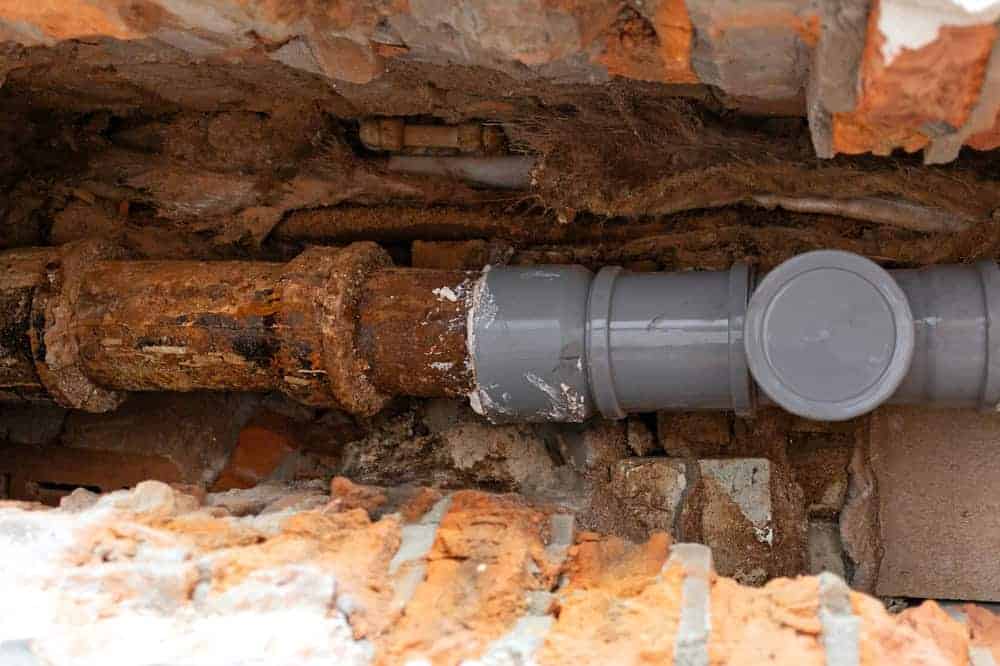
Chicago homes face a perfect storm of sewer line threats. Older properties built before the 1970s often have clay or cast iron pipes that crack and deteriorate over time. Tree roots seek out moisture and nutrients, infiltrating even the smallest cracks in your sewer line. Ground shifting, freeze-thaw cycles, and decades of use all take their toll.
When your main line starts to clog or collapse, wastewater can’t leave your home the way it should. Instead, it backs up into the lowest fixtures first—usually basement floor drains, bathtubs, or toilets on the first floor.
One clogged drain is a localized problem. Hair in the shower. Grease in the kitchen sink. These happen.
But when multiple drains throughout your house start acting up simultaneously, you’re dealing with something bigger. This is one of the clearest signs that your main sewer line has a blockage or is starting to fail.
Here’s how it typically shows up. You run the washing machine and notice the toilet starts gurgling. You flush upstairs and water backs up in the basement floor drain. You take a shower and the kitchen sink gurgles. These aren’t coincidences. They’re symptoms of the same problem.
Your home’s plumbing works like a tree. Individual drains are the branches. The main sewer line is the trunk. When the trunk gets blocked, everything upstream starts to back up. Water has to go somewhere, and it’s going to take the path of least resistance—which is often back up through your drains.
The pattern matters too. If you notice backup starting in the lowest drains first, that’s a strong indicator the main line is restricted. Gravity pulls water down, so when your main line can’t handle the flow, the lowest points in your plumbing system show symptoms first.
In Chicago homes with basements, this often means floor drains are the first to show water or sewage seepage. Don’t wait until you’re dealing with a basement full of sewage. Multiple slow drains mean it’s time to call a plumber for a camera inspection.
One clogged drain is a localized problem. Hair in the shower. Grease in the kitchen sink. These happen.
But when multiple drains throughout your house start acting up simultaneously, you’re dealing with something bigger. This is one of the clearest signs that your main sewer line has a blockage or is starting to fail.
Here’s how it typically shows up. You run the washing machine and notice the toilet starts gurgling. You flush upstairs and water backs up in the basement floor drain. You take a shower and the kitchen sink gurgles. These aren’t coincidences. They’re symptoms of the same problem.
Your home’s plumbing works like a tree. Individual drains are the branches. The main sewer line is the trunk. When the trunk gets blocked, everything upstream starts to back up. Water has to go somewhere, and it’s going to take the path of least resistance—which is often back up through your drains.
The pattern matters too. If you notice backup starting in the lowest drains first, that’s a strong indicator the main line is restricted. Gravity pulls water down, so when your main line can’t handle the flow, the lowest points in your plumbing system show symptoms first.
In Chicago homes with basements, this often means floor drains are the first to show water or sewage seepage. Don’t wait until you’re dealing with a basement full of sewage. Multiple slow drains mean it’s time to call a plumber for a camera inspection.
Want live answers?
Connect with a Go-Rooter Emergency Plumbers expert for fast, friendly support.
If you smell sewage inside your home, something’s wrong. Drains are designed to move wastewater away from your house, not let odors seep back in.
That sewage smell means wastewater isn’t flowing out like it should. It’s sitting in your pipes, decomposing, and releasing gases that work their way back into your living space. Sometimes it’s a faint odor that comes and goes. Other times it’s unmistakable and gets worse over time.
The smell often shows up before you see any visible backup. It’s an early warning that your main sewer line is compromised. Pay attention to where the smell is strongest—that can help pinpoint whether it’s a localized drain issue or something affecting your whole system.
This is one of the most alarming warning signs, and for good reason. When you flush the toilet and water rises in your bathtub or shower drain, your main sewer line is seriously restricted.
Here’s what’s happening. When you flush, wastewater rushes down through your toilet drain and into the main line. If that main line is blocked, the water can’t continue its path out to the city sewer. Instead, it looks for the next easiest opening—which is often your tub or shower drain since they’re typically at a lower elevation than the toilet.
This symptom is urgent. It means your main line is so clogged that wastewater is being forced sideways through your plumbing system instead of flowing out. You’re one step away from a full sewage backup.
In Chicago homes, this often happens in basement bathrooms first because they’re the lowest fixtures in the house. But it can show up anywhere. Some homeowners notice their kitchen sink filling with water when they run the washing machine. Others see their bathtub filling when someone flushes upstairs.
The key indicator is cross-fixture backup. Water from one drain appearing in another drain means they share a common blockage downstream—and that blockage is almost always in your main sewer line.
Don’t try to plunge your way out of this one. You’re dealing with a main line problem that needs professional equipment. Camera inspection will show exactly where the blockage is. Depending on what’s causing it—tree roots, collapsed pipe, grease buildup—you might need hydro jetting to blast through the clog or sewer line repair if the pipe is damaged.
Your basement floor drain is often the first place a main line problem shows itself. It’s the lowest point in your drainage system, so when pressure builds in your sewer line, that’s where it’s going to surface.
You might see a small amount of water pooling around the drain. Or you might smell sewage even if you don’t see standing water yet. Either way, it’s a red flag. Your main sewer line can’t handle the flow, and wastewater is backing up into your home instead of flowing out to the city sewer.
This doesn’t always mean you have a complete blockage. Sometimes it happens during heavy water use—like when someone’s doing laundry, running the dishwasher, and taking a shower all at once. That surge of wastewater overwhelms a partially blocked main line, and the excess comes up through the floor drain.
But even if it only happens occasionally, it’s a problem. A healthy sewer line should be able to handle normal household water use without any backup. If yours can’t, there’s a restriction somewhere in the line that’s only going to get worse.
Tree root infiltration is a major cause of this issue in Chicago. Roots work their way into clay pipes through the joints, then expand and create a partial blockage. Over time, debris catches on those roots and builds up. Eventually, you’re dealing with a full clog.
Ignoring floor drain backup is a gamble you don’t want to take. That small seepage can turn into a basement full of sewage the next time you have guests over or run multiple appliances. A camera inspection can show you what’s blocking your line and how severe the damage is. From there, you’ll know whether you need drain cleaning, hydro jetting, or sewer line replacement.
Your main sewer line won’t fix itself. The longer you wait, the worse it gets—and the more expensive the repair becomes.
If you’re seeing any of these warning signs, especially multiple symptoms at once, it’s time to call us. A camera inspection can show you exactly what’s happening inside your sewer line without any guesswork. From there, you’ll know whether you need a simple drain cleaning, hydro jetting to clear out tree roots, or a more extensive sewer line repair.
The good news is that catching these problems early usually means simpler, less expensive solutions. Wait until sewage is flooding your basement, and you’re looking at emergency repairs, property damage, and potential health hazards.
We provide fast, reliable sewer line repair throughout Chicago and Cook County. With 24/7 availability, same-day service, and upfront pricing, you’ll know exactly what you’re dealing with and what it’ll cost to fix it right.
Article details:
Share:
Continue learning:
Request a Callback
Want to skip the wait?
Simply enter your contact details, and we’ll call you when a NY Spine Advisor becomes available.