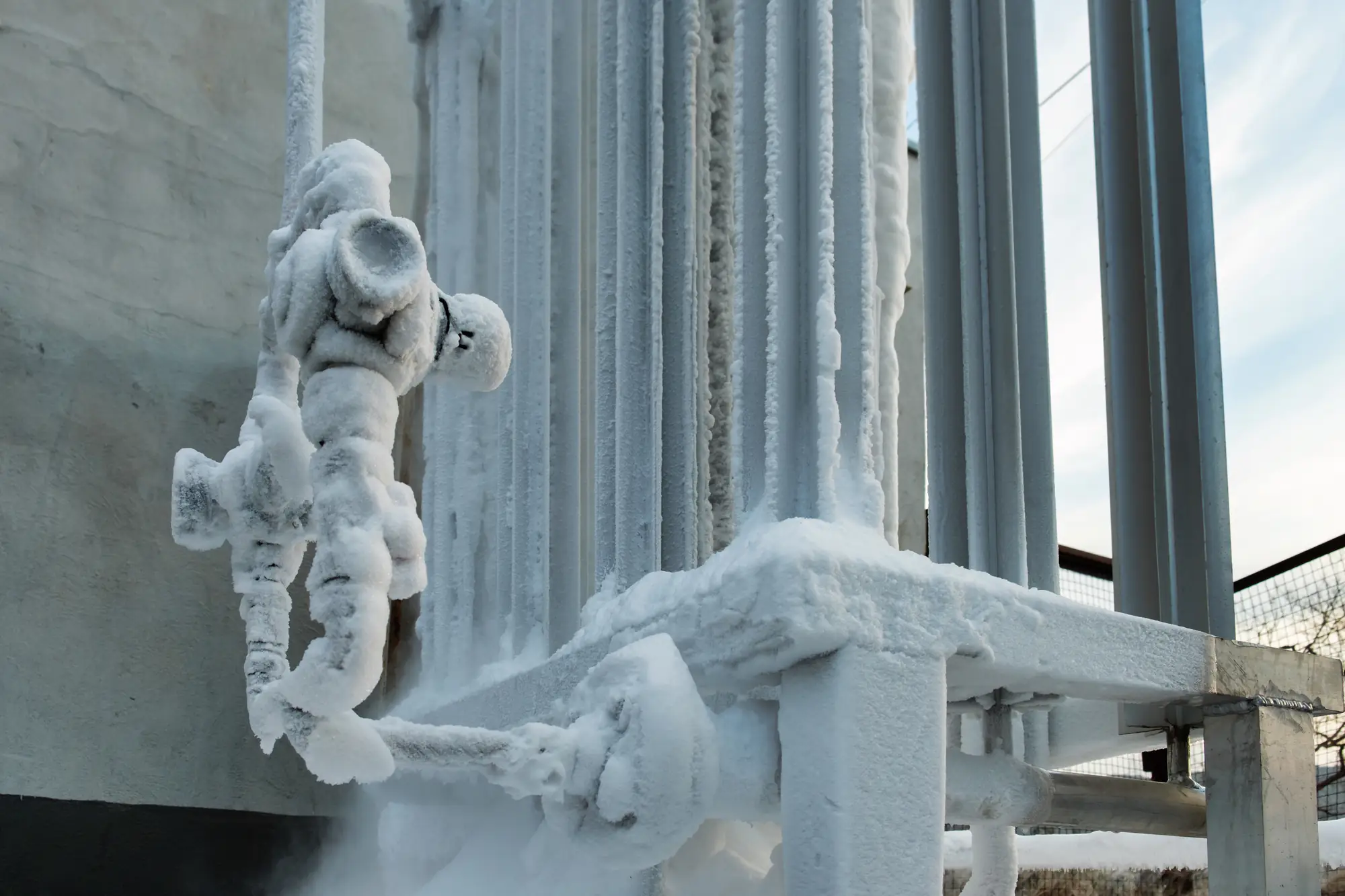
Chicago's brutal winters put your pipes at serious risk. Discover how to prevent frozen water pipes and what to do when temperatures plummet below 20°F.
Share:
Request a Callback
Want to skip the wait?
Simply enter your contact details, and we’ll call you when a Go Rooter Advisor becomes available.

Summary:
Turn on the faucet. Nothing. Maybe a trickle. It’s 6 AM, 18 degrees outside, and you’ve got frozen pipes somewhere in your walls or basement. Now you’re wondering if they’ve already cracked—and whether you’re about to deal with a flood you can’t afford.
Chicago winters don’t mess around. Temperatures drop into the teens and stay there for days. Pipes freeze faster than you think, and once they burst, you’re looking at hundreds of gallons of water, ruined drywall, and repair bills that climb into the thousands. But here’s the thing: most of it’s preventable if you know what to watch for and what to do before the deep freeze hits. You’ll learn how to spot the warning signs early, protect vulnerable pipes in your home, and handle a freeze safely without making it worse.
Prevention beats panic every time. Chicago’s climate makes frozen pipes a real threat from November through March, with daytime highs barely scraping above freezing and nighttime lows that can hit single digits. Your pipes—especially those in basements, crawl spaces, attics, and along exterior walls—are sitting ducks when cold air finds its way in. If issues do arise, timely frozen pipe repair can help prevent costly damage.
The goal isn’t to eliminate risk entirely. It’s to reduce it enough that your plumbing survives the season without bursting. That means insulation, consistent heat, and a few smart habits that keep water moving when temperatures drop. Most freeze-ups happen in the same spots year after year, so if you’ve had trouble before, you already know where to focus.

Pipes don’t freeze because it’s cold outside. They freeze because cold air reaches them and stays there long enough to drop the water temperature below 32 degrees. Insulation slows that process down and buys you time.
Start with pipes in your basement, crawl space, attic, and garage—anywhere that doesn’t get consistent heat from your furnace. Foam pipe sleeves are cheap, easy to install, and available at any hardware store. You just cut them to length and snap them around the pipe. For pipes along exterior walls or near drafty areas, consider heat tape or heat cable. These products plug into a GFCI outlet and warm the pipe automatically when temperatures drop.
Don’t forget about the gaps. Cold air sneaks in through cracks around windows, doors, vents, and where pipes enter your home. Seal those openings with caulk or spray foam. Even a small draft can drop the temperature around a pipe enough to cause problems. If you have a crawl space, block off vents with foam board during the coldest months to keep frigid air from blowing directly onto your plumbing.
Outdoor faucets and hose bibs are especially vulnerable. Disconnect your garden hoses before winter, shut off the indoor valve that feeds the outdoor spigot, and open the outdoor faucet to let any remaining water drain out. Leaving water trapped in that section of pipe is asking for a freeze.
Your thermostat is your first line of defense. Keep it set to at least 55 degrees, even when you’re not home. That includes overnight and especially during vacations. A lot of freeze-ups happen when people turn the heat down to save money, only to come home to burst pipes and water damage that costs thousands to repair.
Consistency matters more than you think. Don’t let the temperature swing. Keep it steady day and night. Opening cabinet doors under sinks—especially those on exterior walls—lets warm air circulate around the pipes. It’s a small move that makes a real difference when temperatures drop below 20 degrees for hours at a time.
Let your faucets drip when a hard freeze is forecast. You don’t need a stream—just a slow, steady drip from both hot and cold taps. Running water is much harder to freeze than standing water, and the slight movement relieves pressure inside the pipe. That pressure relief is critical because it’s not the ice itself that bursts pipes—it’s the pressure buildup between the ice blockage and a closed faucet.
If you’re leaving town during winter, don’t just lower the heat and hope for the best. Ask a neighbor to check on your house daily, or consider draining your plumbing system entirely if you’ll be gone for an extended period. Vacant homes with low heat are prime targets for frozen pipes, and you won’t know there’s a problem until you get back and find the damage.
Want live answers?
Connect with a Go-Rooter Emergency Plumbers expert for fast, friendly support.
You turned on the faucet and got nothing. Or maybe just a trickle. That’s your first clue that somewhere between the main line and that fixture, water has frozen solid. What you do in the next hour determines whether this stays a manageable inconvenience or turns into a flooding disaster.
First, shut off your main water valve. If the pipe has already cracked, thawing it will release water fast, and you don’t want hundreds of gallons pouring into your walls or basement. Open the affected faucet and leave it open—this relieves pressure and gives melted water somewhere to go as you work. Then you need to locate the frozen section and warm it up slowly and safely.
Never use an open flame. No blowtorches, no propane heaters, no candles. High heat can damage the pipe, cause it to burst from thermal shock, or start a fire. You’re trying to thaw ice, not boil water.
The safest method is a hairdryer set on low or medium. Start at the faucet end and work your way back toward the frozen section. Keep the dryer moving and don’t hold it in one spot too long. This gives you complete control and works well on accessible pipes under sinks or in basements. If you don’t have a hairdryer, wrap the pipe with towels soaked in hot water. Replace the towels as they cool. It’s slower, but it’s gentle and effective.
For pipes you can’t reach—those inside walls or under floors—turn up the heat in that room and give it time. A space heater placed nearby (but not touching anything flammable) can raise the ambient temperature enough to thaw the pipe from the outside in. Just don’t leave it unattended.
Thawing takes time. Expect 30 minutes to a few hours depending on how cold it is, how long the pipe’s been frozen, and where it’s located. Don’t rush it. As water starts to flow, keep the faucet open and continue applying gentle heat until full pressure returns. Once it’s thawed, check all your other faucets. If one pipe froze, others nearby might be at risk too.
Some situations are beyond DIY. If you can’t locate the frozen section, if the pipe is buried in a wall or underground, or if you see cracks, bulging, or water leaking from the pipe, stop and call a professional immediately. Trying to thaw a pipe that’s already cracked can turn a small leak into a major flood the second ice melts and pressure returns.
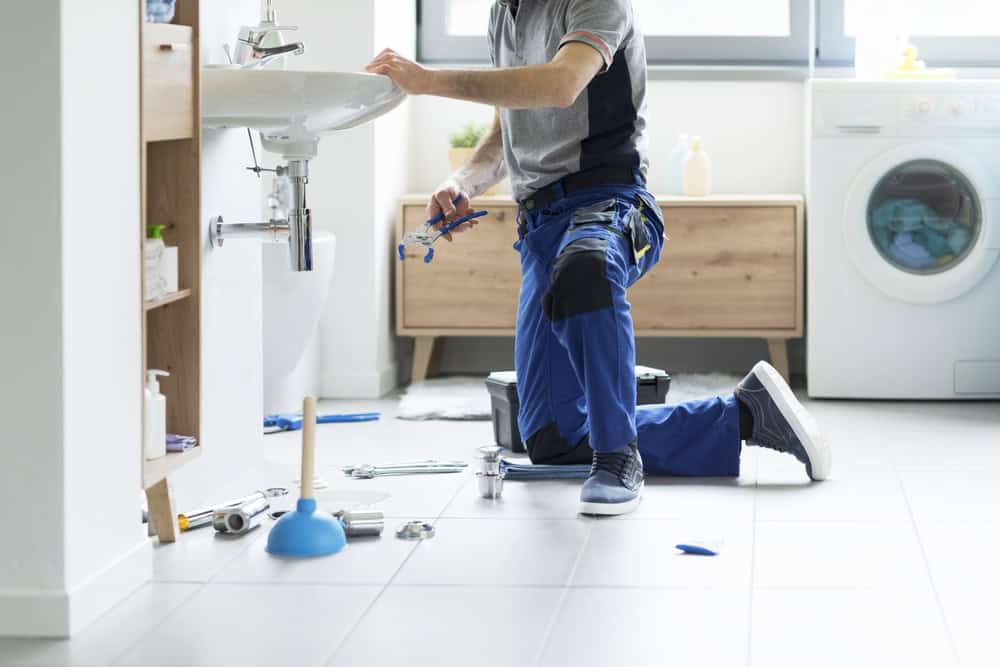
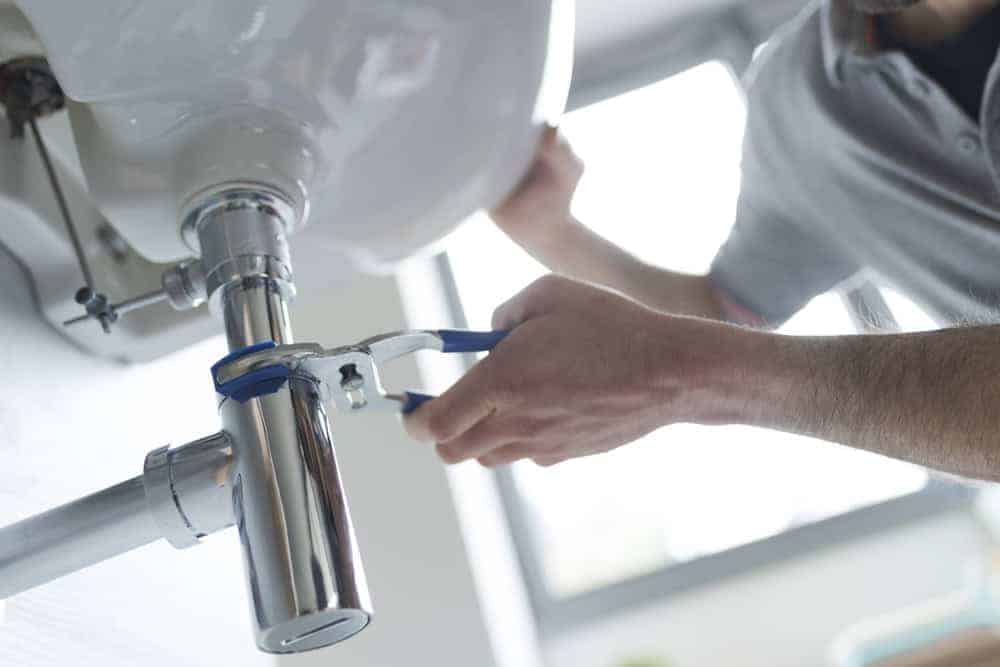
We have specialized equipment that thaws pipes safely from the inside out, even when they’re inaccessible. Electric thawing machines warm the pipe gradually without the thermal shock that causes cracks. We can also inspect the entire system to find other vulnerable spots and recommend permanent solutions—better insulation, heat tape installation, or even relocating pipes away from exterior walls.
Time matters. The longer a pipe stays frozen, the higher the chance it cracks. And if it does burst, you’re racing the clock to prevent water damage. Drywall, flooring, insulation, and framing can all be ruined in a matter of hours. Mold starts growing within 24 to 48 hours of water exposure. What starts as a $500 pipe repair can quickly become a $5,000 restoration project.
We offer 24/7 service throughout Cook County with fast response times, upfront pricing, and the equipment to handle frozen pipes safely. Whether it’s 2 PM or 2 AM, if you’re dealing with frozen pipes and can’t thaw them yourself—or if you suspect they’ve already burst—calling for professional help protects your home and your wallet. Our team understands Chicago winters and knows exactly where pipes are most vulnerable in local homes.
Frozen water pipes aren’t just an inconvenience. They’re a threat to your home, your belongings, and your budget. But they’re also largely preventable when you know what to watch for and take action before temperatures drop into the danger zone.
Insulate vulnerable pipes, keep your heat consistent, let faucets drip during hard freezes, and seal up drafts that let cold air reach your plumbing. If pipes do freeze, thaw them slowly and safely—or call for professional help if they’re inaccessible or already damaged. The cost of prevention is a fraction of what you’ll pay to repair burst pipes and water damage.
We’re available 24/7 throughout Chicago and Cook County to help with frozen pipe prevention, safe thawing, and emergency repairs. Fast response, upfront pricing, and a focus on long-term solutions mean you’re not just fixing today’s problem—you’re protecting your home all winter long.
Article details:
Share:
Continue learning:
Request a Callback
Want to skip the wait?
Simply enter your contact details, and we’ll call you when a NY Spine Advisor becomes available.