Choosing the right garbage disposal means understanding your kitchen's needs, Chicago's unique plumbing challenges, and what features actually matter for your household.
Share:
Request a Callback
Want to skip the wait?
Simply enter your contact details, and we’ll call you when a Go Rooter Advisor becomes available.
Summary:
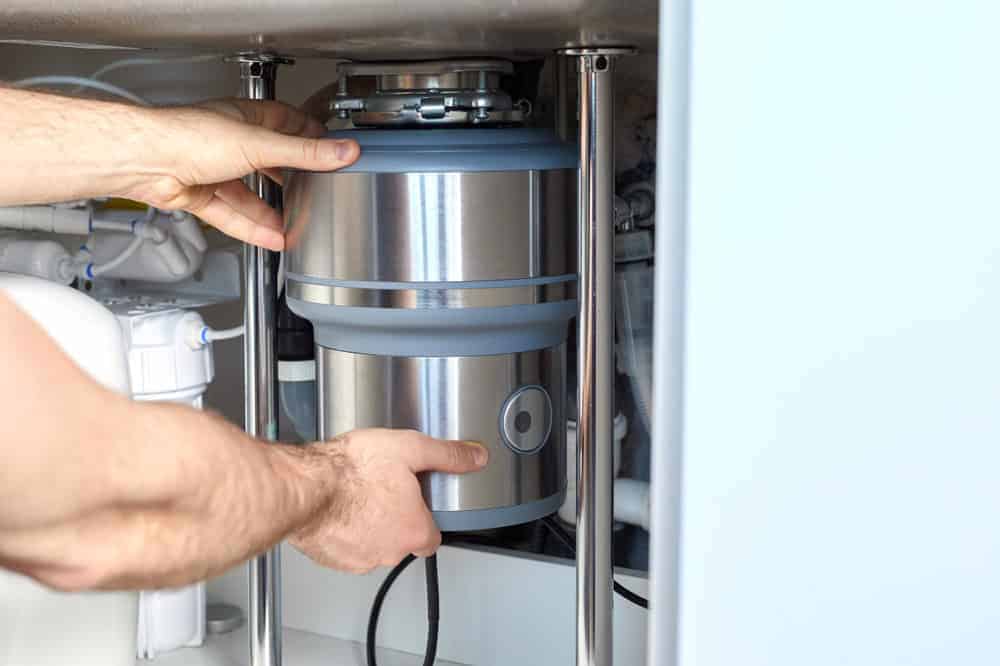
You’ll encounter two main types when shopping for a garbage disposal. Continuous feed models are what most people think of when they picture a disposal. You flip a switch, and it runs until you turn it off.
These are the most common choice for good reason. They’re typically less expensive and offer more variety across different price points. You can add food scraps while they’re running, which makes cleanup faster when you’re dealing with large meal prep or entertaining.
Batch feed disposals work differently. They only operate when you place a special stopper over the drain opening. This makes them inherently safer since there’s no way to accidentally turn them on while your hand is near the opening.

Continuous feed models dominate the market because they solve the most common kitchen workflow problems. When you’re cleaning up after dinner or meal prep, you want to scrape plates and rinse dishes without stopping to load a disposal chamber.
The convenience factor is significant. You can run water, flip the switch, and gradually feed waste into the disposal as you clean. This works especially well in busy households where multiple people might be using the kitchen.
However, there are safety considerations. You need to be careful about what goes down the drain when the disposal is running. Silverware, jewelry, or small kitchen tools can cause expensive damage if they fall in while the unit is operating.
Installation typically requires a wall switch, which means electrical work. Some models offer air switches as an alternative, but you’ll still need an electrical outlet under the sink. The air switch uses a burst of air pressure to activate the disposal, eliminating the need for hardwired electrical connections to a wall switch.
Chicago’s older homes sometimes present challenges with electrical access. If you’re dealing with limited electrical options under your sink, discuss alternatives with your plumber during the planning phase. We can often suggest solutions that work with your existing setup without requiring major electrical modifications.
For most households, the convenience and variety of continuous feed models outweigh the safety advantages of batch feed units. The key is using them properly and making sure everyone in your household understands basic safety practices.
Continuous feed models dominate the market because they solve the most common kitchen workflow problems. When you’re cleaning up after dinner or meal prep, you want to scrape plates and rinse dishes without stopping to load a disposal chamber.
The convenience factor is significant. You can run water, flip the switch, and gradually feed waste into the disposal as you clean. This works especially well in busy households where multiple people might be using the kitchen.
However, there are safety considerations. You need to be careful about what goes down the drain when the disposal is running. Silverware, jewelry, or small kitchen tools can cause expensive damage if they fall in while the unit is operating.
Installation typically requires a wall switch, which means electrical work. Some models offer air switches as an alternative, but you’ll still need an electrical outlet under the sink. The air switch uses a burst of air pressure to activate the disposal, eliminating the need for hardwired electrical connections to a wall switch.
Chicago’s older homes sometimes present challenges with electrical access. If you’re dealing with limited electrical options under your sink, discuss alternatives with your plumber during the planning phase. We can often suggest solutions that work with your existing setup without requiring major electrical modifications.
For most households, the convenience and variety of continuous feed models outweigh the safety advantages of batch feed units. The key is using them properly and making sure everyone in your household understands basic safety practices.
Want live answers?
Connect with a Go-Rooter Emergency Plumbers expert for fast, friendly support.
Horsepower determines how effectively your disposal handles different types of food waste. More power means finer grinding, fewer jams, and better performance with tougher materials.
Most residential disposals range from 1/3 HP to 1 HP. The right choice depends on your household size, cooking habits, and the types of food waste you typically generate. Chicago’s hard water conditions also factor into this decision since mineral buildup can affect motor performance over time.
Higher horsepower units typically last longer and operate more quietly. They’re also less likely to jam when dealing with challenging waste like fibrous vegetables or small bones.
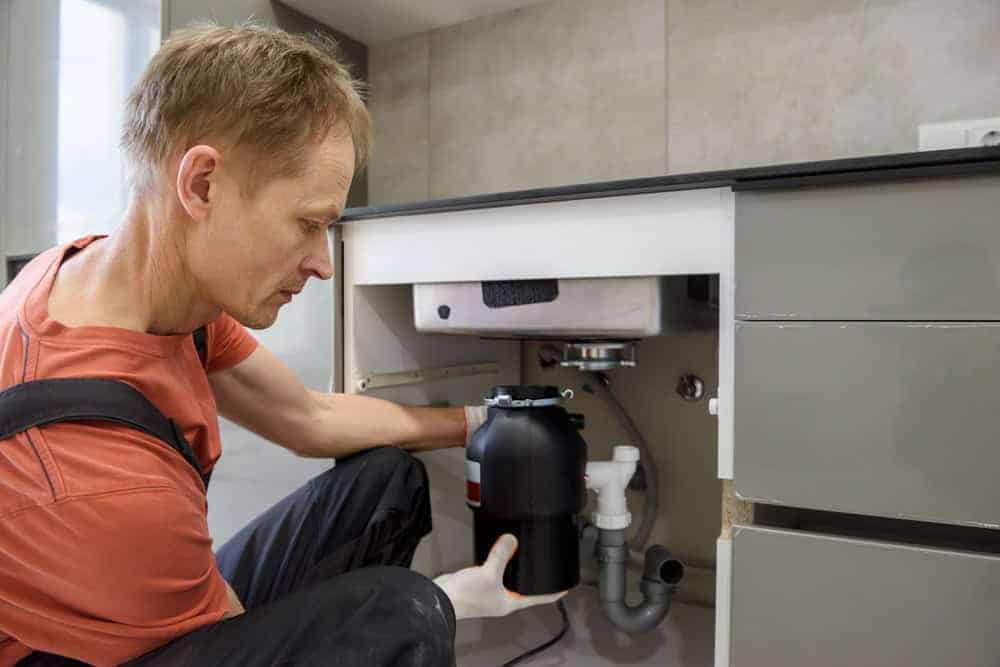
For small households with light usage, 1/3 HP disposals can handle basic food scraps like vegetable peels and soft leftovers. These are the most budget-friendly option, typically costing under $100. However, they’re prone to jamming and may struggle with anything beyond very soft food waste.
Most plumbing professionals recommend starting with 1/2 HP as the minimum for typical home use. These units offer a better balance of power and affordability, typically ranging from $100-200. They can handle moderate amounts of food waste and are less likely to jam than 1/3 HP models.
3/4 HP disposals represent the sweet spot for most Chicago homes. They offer significantly more power while still fitting in standard under-sink spaces. These units typically include stainless steel components that resist Chicago’s hard water better than lower-end models. Expect to invest $200-400 for a quality 3/4 HP disposal.
1 HP models are ideal for large families or households that cook frequently. They can handle tougher waste materials and larger volumes without strain. The higher power also means finer grinding, which reduces the risk of downstream clogs in your plumbing system. These premium units typically cost $400-600 but offer the best long-term value for heavy users.
Consider your cooking patterns when making this decision. If you frequently prepare meals with fibrous vegetables, citrus peels, or other challenging materials, the extra power pays for itself in reduced maintenance and fewer service calls.
Chicago’s aging plumbing infrastructure is another factor. Older drain lines benefit from finer grinding, which 3/4 HP and 1 HP models provide. The investment in a more powerful disposal can prevent expensive drain cleaning or pipe repairs down the line.
Chicago’s municipal water supply contains significant mineral content that affects garbage disposal performance and longevity. Hard water deposits can build up inside the disposal chamber and on grinding components, reducing efficiency over time.
Higher horsepower models typically include stainless steel grinding chambers and components that resist mineral buildup better than basic models with galvanized or composite materials. This becomes especially important if you’re planning to keep your disposal for the typical 10-12 year lifespan.
The extra power also helps compensate for any efficiency loss due to mineral deposits. A 3/4 HP or 1 HP disposal will maintain better performance even as some buildup occurs, while lower-powered units may struggle earlier in their service life.
Regular maintenance becomes more critical in hard water areas. Running ice cubes through your disposal monthly helps remove mineral buildup and keeps the grinding chamber clean. Citrus peels can also help, though you should avoid overdoing acidic materials that might corrode metal components.
Consider the total cost of ownership when evaluating horsepower options. A more powerful disposal with stainless steel components might cost more upfront but could save money on repairs and premature replacement. Chicago’s hard water makes this investment more valuable than in areas with softer water.
Professional installation also becomes more important with hard water conditions. Proper electrical connections and plumbing integration help ensure your disposal operates efficiently despite challenging water conditions. We can also recommend maintenance practices specific to your water quality and disposal model.
The right garbage disposal protects your kitchen plumbing while handling your household’s daily food waste efficiently. For most Chicago homes, a 3/4 HP continuous feed model with stainless steel components offers the best balance of performance, durability, and value.
Remember that professional installation ensures your disposal works properly with Chicago’s unique plumbing challenges. Proper electrical connections, appropriate mounting, and integration with your existing drain system prevent problems that could cost thousands to repair later.
When you’re ready to upgrade your kitchen’s waste disposal system, we can help you select and install the right unit for your specific needs and budget.
Article details:
Share:
Continue learning:
Request a Callback
Want to skip the wait?
Simply enter your contact details, and we’ll call you when a NY Spine Advisor becomes available.