Chicago winters don't give your pipes a break. Learn exactly when temperatures become dangerous, which pipes freeze first, and the prevention steps that actually work in this climate.
Share:
Request a Callback
Want to skip the wait?
Simply enter your contact details, and we’ll call you when a Go Rooter Advisor becomes available.
Summary:
Pipes don’t freeze the instant temperatures hit 32°F. Your outdoor pipes can handle brief cold snaps. Indoor pipes have your heating system protecting them. But Chicago winters don’t play fair—they bring sustained cold that gives the freeze time to work its way through your home’s defenses.
Outdoor pipes start freezing when temps drop below 32°F and stay there for six to eight hours. Indoor pipes become vulnerable around 20°F, especially during multi-day cold snaps. When you’re looking at three to five days of sub-zero temperatures with wind chills hitting -20°F or lower, even protected pipes are at risk.
Here’s what makes Chicago particularly brutal: the cold doesn’t just hit hard, it sticks around. Water inside your pipes gradually loses heat. Cold air finds every crack and gap in your home. Pipes in vulnerable spots—and older Chicago homes have plenty of those—lose their battle against the cold.
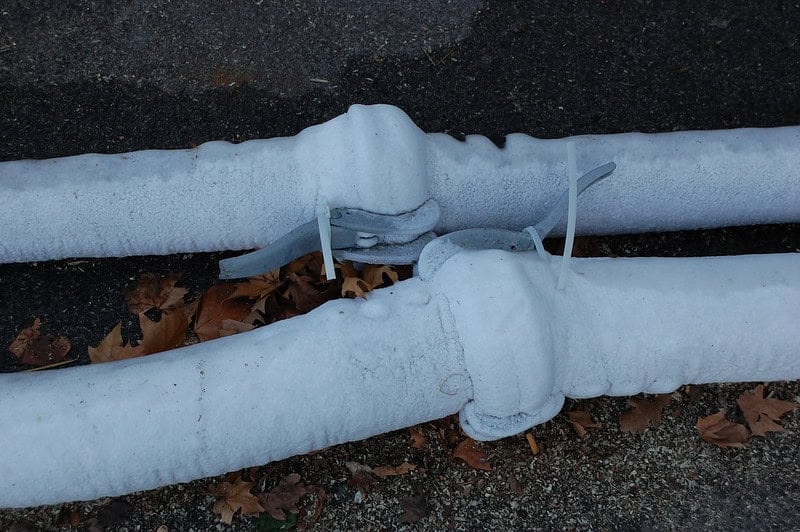
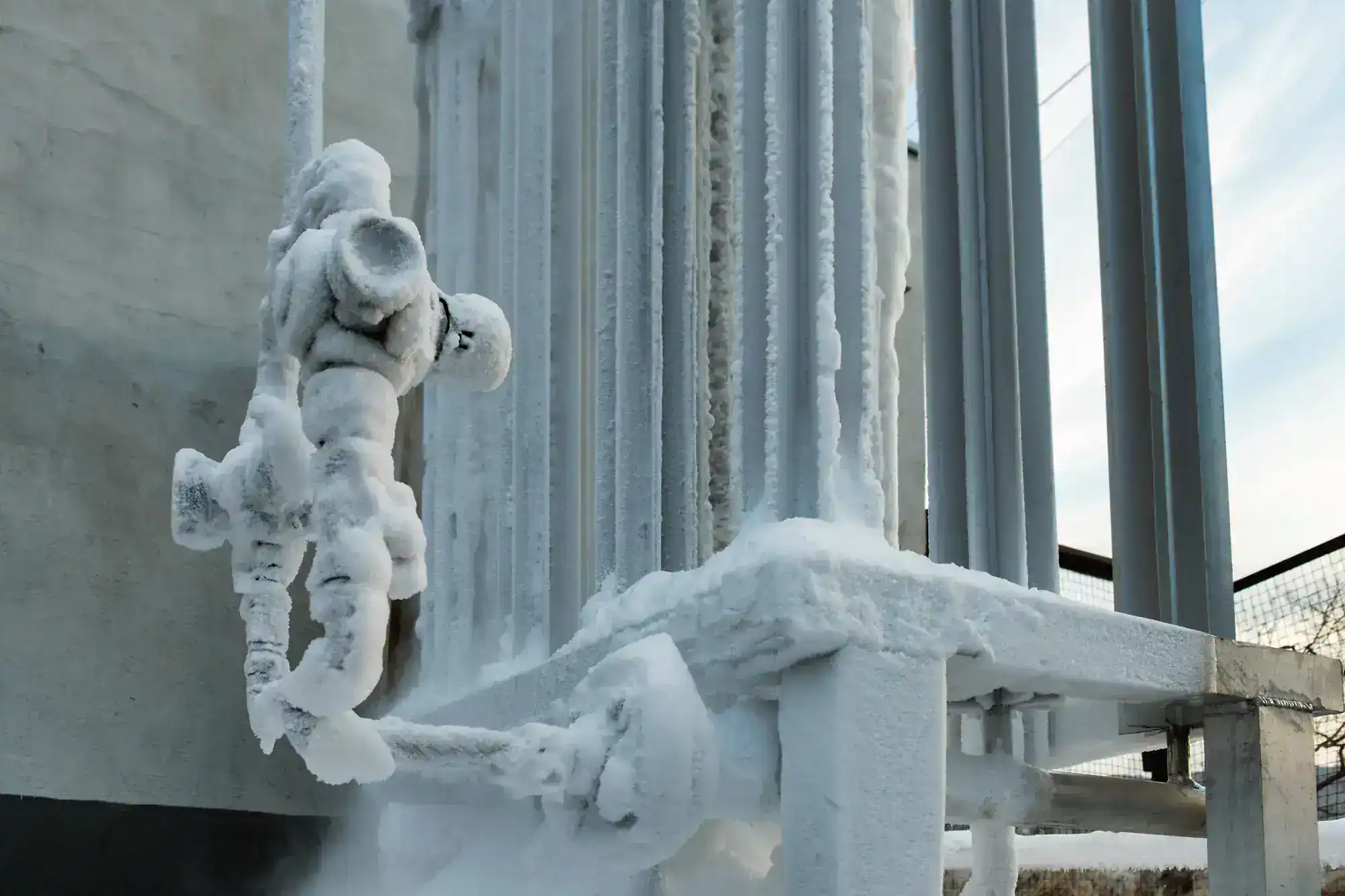
Your outdoor plumbing takes the first hit. Hose bibs, sprinkler lines, and pipes running through exterior walls face direct exposure to freezing temperatures and wind. These can freeze within hours once temperatures drop low enough.
If water stays in these lines, it freezes and expands. The pressure travels back through the pipe, potentially causing it to burst inside your wall or under your foundation—exactly where you don’t want plumbing problems.
Basement and crawl space pipes come next. These areas rarely get adequate heat, and if you’ve got foundation cracks or poor insulation, cold air flows right in. Pipes along exterior walls in these spaces get hit from both sides: freezing temps outside and insufficient warmth inside.
Attic pipes face similar problems. Most attics aren’t heated, and if your roof insulation isn’t doing its job, those pipes are basically sitting in outdoor temperatures. Garage pipes fall into this category too, especially in detached or poorly insulated garages.
Even pipes inside your living space aren’t completely safe. Kitchen and bathroom pipes running through cabinets against exterior walls can freeze when those cabinet doors stay closed, blocking warm air from reaching the pipes. This happens constantly in older Chicago homes where exterior walls have minimal insulation.
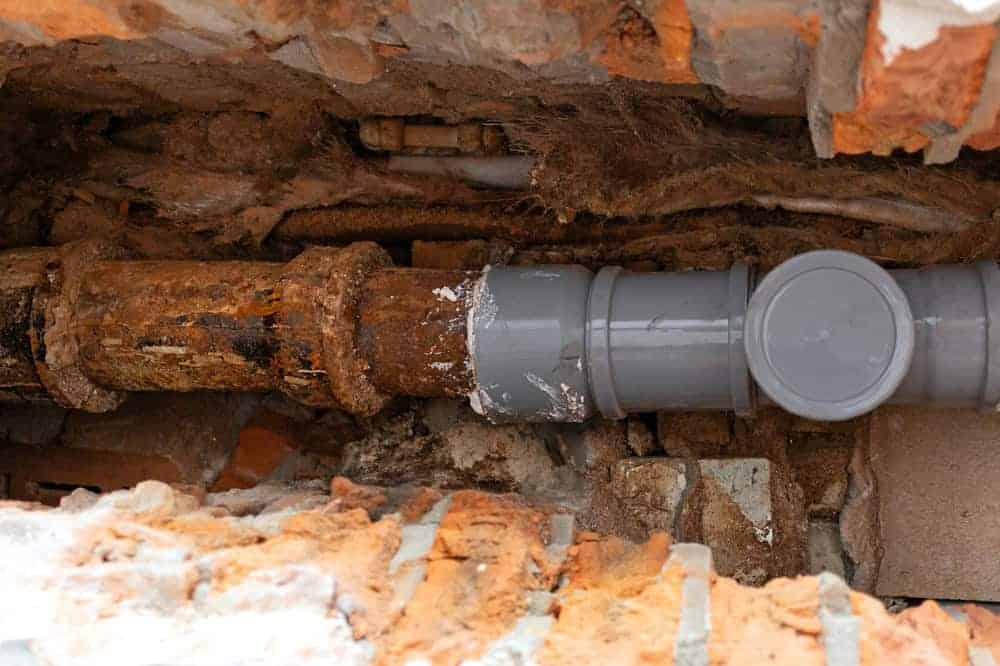
Many Chicago homes were built before modern insulation standards existed. If your house dates back to the early or mid-1900s, your pipes might be running through spaces that offer almost no protection. Galvanized pipes in these older homes also narrow from corrosion, creating restriction points where ice forms first and pressure builds fastest.
Your outdoor plumbing takes the first hit. Hose bibs, sprinkler lines, and pipes running through exterior walls face direct exposure to freezing temperatures and wind. These can freeze within hours once temperatures drop low enough.
If water stays in these lines, it freezes and expands. The pressure travels back through the pipe, potentially causing it to burst inside your wall or under your foundation—exactly where you don’t want plumbing problems.
Basement and crawl space pipes come next. These areas rarely get adequate heat, and if you’ve got foundation cracks or poor insulation, cold air flows right in. Pipes along exterior walls in these spaces get hit from both sides: freezing temps outside and insufficient warmth inside.
Attic pipes face similar problems. Most attics aren’t heated, and if your roof insulation isn’t doing its job, those pipes are basically sitting in outdoor temperatures. Garage pipes fall into this category too, especially in detached or poorly insulated garages.
Even pipes inside your living space aren’t completely safe. Kitchen and bathroom pipes running through cabinets against exterior walls can freeze when those cabinet doors stay closed, blocking warm air from reaching the pipes. This happens constantly in older Chicago homes where exterior walls have minimal insulation.
Many Chicago homes were built before modern insulation standards existed. If your house dates back to the early or mid-1900s, your pipes might be running through spaces that offer almost no protection. Galvanized pipes in these older homes also narrow from corrosion, creating restriction points where ice forms first and pressure builds fastest.
Want live answers?
Connect with a Go-Rooter Emergency Plumbers expert for fast, friendly support.
Frozen pipe prevention works best when you start before the first deep freeze, not during it. Most of these steps don’t require professional help, though some situations benefit from expert assessment—especially in older Chicago homes where pipes might be running in places you didn’t even know existed.
Start with outdoor faucet shutoff. Disconnect every garden hose from outdoor faucets and drain them completely before storing them indoors. Water left in hoses freezes and travels back through the connection, potentially bursting the pipe inside your wall. After disconnecting hoses, shut off the interior valve supplying each outdoor faucet—usually located in your basement near the exterior wall. Then open the outdoor faucet to drain any remaining water.
Pipe insulation comes next. Wrap pipes in unheated spaces with foam sleeves. Basements, attics, crawl spaces, garages—anywhere that doesn’t get consistent heat needs insulation on exposed pipes. Foam pipe sleeves cost a few dollars and slide right over the pipe. Focus on pipes along exterior walls and anywhere you’ve noticed drafts. For extremely vulnerable locations, heat tape or heat cables provide active warming during cold snaps.

Even with solid Illinois winter prep, Chicago’s most extreme cold requires additional active measures. When the National Weather Service issues warnings for dangerous cold, shift into active freeze prevention mode.
Keep your thermostat at 55°F minimum, day and night. Lowering it at night might save a few dollars on heating, but it creates temperature drops inside walls where pipes run. During extreme cold, that’s asking for trouble. Set it to 55°F or higher and leave it there, even when you’re traveling. The heating bill increase is nothing compared to burst pipe repair costs and water damage.
Let faucets drip. This is one of the most effective emergency measures available. Moving water resists freezing far better than standing water. Focus on faucets serving pipes through exterior walls or unheated spaces. You don’t need a strong flow—a pencil-thin stream or steady drip provides enough movement. Run both hot and cold if possible to keep water moving through more of your system.
Open cabinet doors under sinks, especially kitchens and bathrooms against exterior walls. This lets warm air circulate around pipes. Remove harmful cleaning products first if you have small children or pets, but keep those doors open throughout the cold snap.
Keep interior doors open to promote air circulation. Closed doors create cold pockets in unused rooms, and pipes in those areas can freeze even when the rest of your house stays warm. This matters most for bathrooms, spare bedrooms, and any room with plumbing against exterior walls.
Close your garage door and keep it closed if you have water lines running through the garage. Every time you open it, frigid air blasts in and drops the temperature around those pipes. Even brief exposure during extreme cold can start the freezing process.
Check for air leaks around your home’s exterior. Cold air enters through gaps around pipes passing through walls, around electrical outlets on exterior walls, near windows and doors, and through foundation cracks. Seal these with caulk or expanding foam. Small gaps let in enough cold to freeze nearby pipes.
Sometimes pipes freeze anyway. How you respond determines whether you’re dealing with a minor inconvenience or major water damage.
Reduced water flow or no water at all signals a frozen pipe. If one faucet is affected, the freeze is probably localized. Multiple faucets not working means a more extensive freeze.
Keep the affected faucet open. As the pipe thaws, water and steam need somewhere to go. An open faucet relieves pressure and allows flow once ice starts melting. This pressure relief is critical—pressure buildup causes pipes to burst more often than the ice itself.
Apply gentle heat to accessible pipes. Hair dryers work well—start near the faucet and work toward the frozen section, moving constantly to avoid overheating any spot. Electric heating pads wrapped around the pipe, space heaters positioned nearby (away from flammable materials), or towels soaked in hot water also work.
Never use open flames. Blowtorches, propane heaters, or any open flame can damage pipes, start fires, or create dangerous situations. Gradual warming is the goal, not intense heat.
For frozen pipes behind walls or under floors, increase heat in that area. Open cabinets, use space heaters in the room, and give it time. Sometimes warming the entire space enough for gradual thawing is your only option.
Watch for burst pipe signs. Water stains on walls or ceilings, unexplained puddles, or new musty odors suggest the pipe may have cracked. Shut off your main water valve immediately and call for emergency burst pipe repair.
Some situations need professional help from the start. If you can’t locate the frozen section, if 30-40 minutes of thawing attempts don’t work, if you suspect the pipe has burst, or if the frozen pipe is somewhere you can’t safely access, call in experts with specialized equipment. We use camera inspections to locate problems and professional thawing equipment to handle frozen pipes without causing additional damage.
Frozen pipe prevention in Chicago isn’t optional maintenance—it’s essential protection that saves you from emergency repairs and water damage that can cost tens of thousands of dollars. The key is acting before temperatures drop, not after you’re already dealing with frozen or burst pipes.
Focus on the essentials: insulate vulnerable pipes, disconnect outdoor hoses, seal air leaks, and maintain consistent heat. When extreme cold warnings hit, add dripping faucets and open cabinet doors. These steps work together to keep water flowing even when Chicago weather turns brutal.
If you’re dealing with frozen pipes right now, or if you want a professional assessment of your home’s winter vulnerability before the next deep freeze hits, we provide 24/7 service throughout Chicago and Cook County. Fast response, camera inspections to find hidden problems, upfront pricing, and long-term solutions mean your plumbing stays protected all winter long.
Article details:
Share:
Continue learning:
Request a Callback
Want to skip the wait?
Simply enter your contact details, and we’ll call you when a NY Spine Advisor becomes available.