Clogged drain won't budge? Learn the real differences between hydro jetting and drain snaking, what they cost, and which method actually solves your problem long-term.
Share:
Request a Callback
Want to skip the wait?
Simply enter your contact details, and we’ll call you when a Go Rooter Advisor becomes available.
Summary:
A drain snake—also called a plumbing auger—is a long, flexible metal cable with a cutting head or corkscrew tip at the end. We feed this cable into the drain, either by hand or with a motor, until it hits the clog. The twisting action breaks up the blockage or hooks onto it so it can be pulled out.
It’s straightforward, relatively affordable, and it’s been clearing drains for decades. If you’ve got hair tangled in your bathroom drain or a clump of grease blocking your kitchen sink, a snake can usually punch through and get water moving again.
Most snaking jobs are quick. Once we locate the clog, it often takes just minutes to clear. For simple blockages near the drain opening, it’s practical and effective.
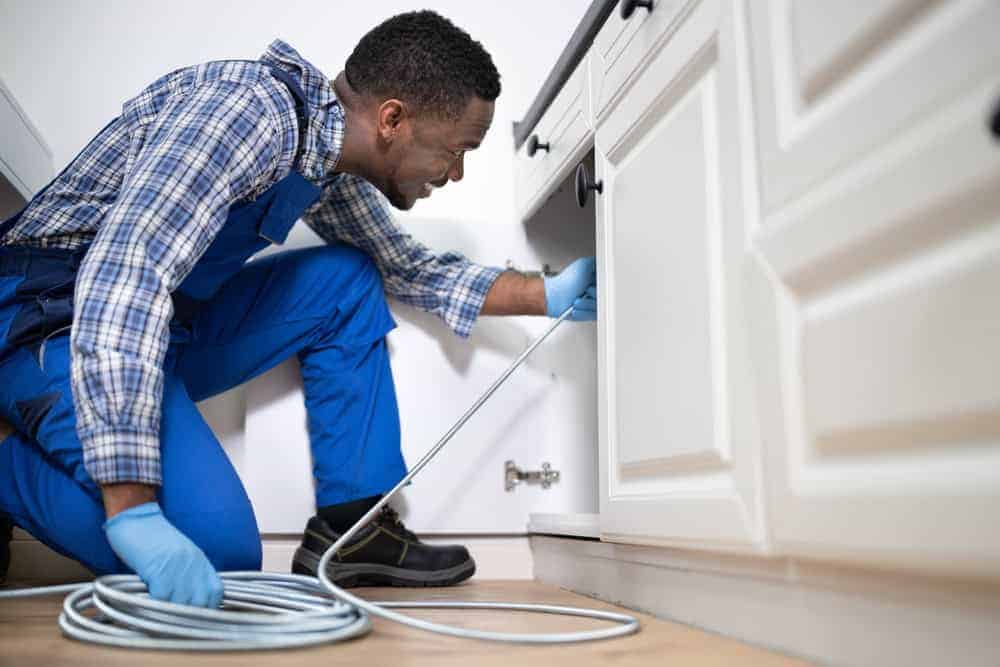
Snaking works best for straightforward, localized clogs. It’s your first line of defense when one sink is backing up or a toilet won’t flush properly. If the problem is recent and isolated to a single fixture, a drain snake can usually handle it without much fuss.
It’s particularly valuable in older Chicago homes with fragile plumbing. Many properties built before 1960 have clay or early cast iron pipes that can crack under high pressure. For these systems, the gentler mechanical approach of snaking is often the safer choice. You clear the clog without risking damage to pipes that are already decades old.
Cost matters too. Professional drain snaking typically runs between $100 and $300 for common household drains like sinks, toilets, and tubs. When you need an immediate fix and budget is tight, snaking gets water flowing again without a major expense.
It’s also the right call when the clog is clearly shallow. Hair clogs in bathroom sinks, small food particles in kitchen drains, or simple obstructions in a single branch line usually respond well to snaking. We can access the blockage quickly, break it up or pull it out, and restore normal drainage in short order.
But snaking has a limitation you need to understand: it creates a hole through the clog, not a clean pipe. If your pipes have buildup coating the walls—grease, soap scum, mineral deposits from Chicago’s hard water—the snake restores flow but leaves that residue behind. That’s why some clogs return a few months later. The snake did its job, but the underlying cause is still there.
For older pipes, tight budgets, or simple one-time clogs, snaking is often the smart choice. Just know it’s more of a spot treatment than a thorough cleaning.
Snaking works best for straightforward, localized clogs. It’s your first line of defense when one sink is backing up or a toilet won’t flush properly. If the problem is recent and isolated to a single fixture, a drain snake can usually handle it without much fuss.
It’s particularly valuable in older Chicago homes with fragile plumbing. Many properties built before 1960 have clay or early cast iron pipes that can crack under high pressure. For these systems, the gentler mechanical approach of snaking is often the safer choice. You clear the clog without risking damage to pipes that are already decades old.
Cost matters too. Professional drain snaking typically runs between $100 and $300 for common household drains like sinks, toilets, and tubs. When you need an immediate fix and budget is tight, snaking gets water flowing again without a major expense.
It’s also the right call when the clog is clearly shallow. Hair clogs in bathroom sinks, small food particles in kitchen drains, or simple obstructions in a single branch line usually respond well to snaking. We can access the blockage quickly, break it up or pull it out, and restore normal drainage in short order.
But snaking has a limitation you need to understand: it creates a hole through the clog, not a clean pipe. If your pipes have buildup coating the walls—grease, soap scum, mineral deposits from Chicago’s hard water—the snake restores flow but leaves that residue behind. That’s why some clogs return a few months later. The snake did its job, but the underlying cause is still there.
For older pipes, tight budgets, or simple one-time clogs, snaking is often the smart choice. Just know it’s more of a spot treatment than a thorough cleaning.
Want live answers?
Connect with a Go-Rooter Emergency Plumbers expert for fast, friendly support.
Hydro jetting takes a completely different approach. Instead of mechanically breaking up a clog, it uses high-pressure water—typically between 1,500 and 4,000 PSI—to blast through blockages and scrub the inside of your pipes clean.
We insert a specialized hose with a multi-directional nozzle into your drain. Forward jets bore through obstructions. Rear jets scour the pipe walls while driving the hose forward. The result isn’t just an unclogged drain—it’s a pipe that’s been restored to near-new condition.
Hydro jetting removes virtually everything: grease buildup, mineral deposits, soap scum, hair clogs, even tree roots. The water pressure is powerful enough to cut through concrete, making it extremely effective for the toughest blockages. It’s the method commercial kitchens and hospitals rely on when drains need to meet strict sanitation standards.
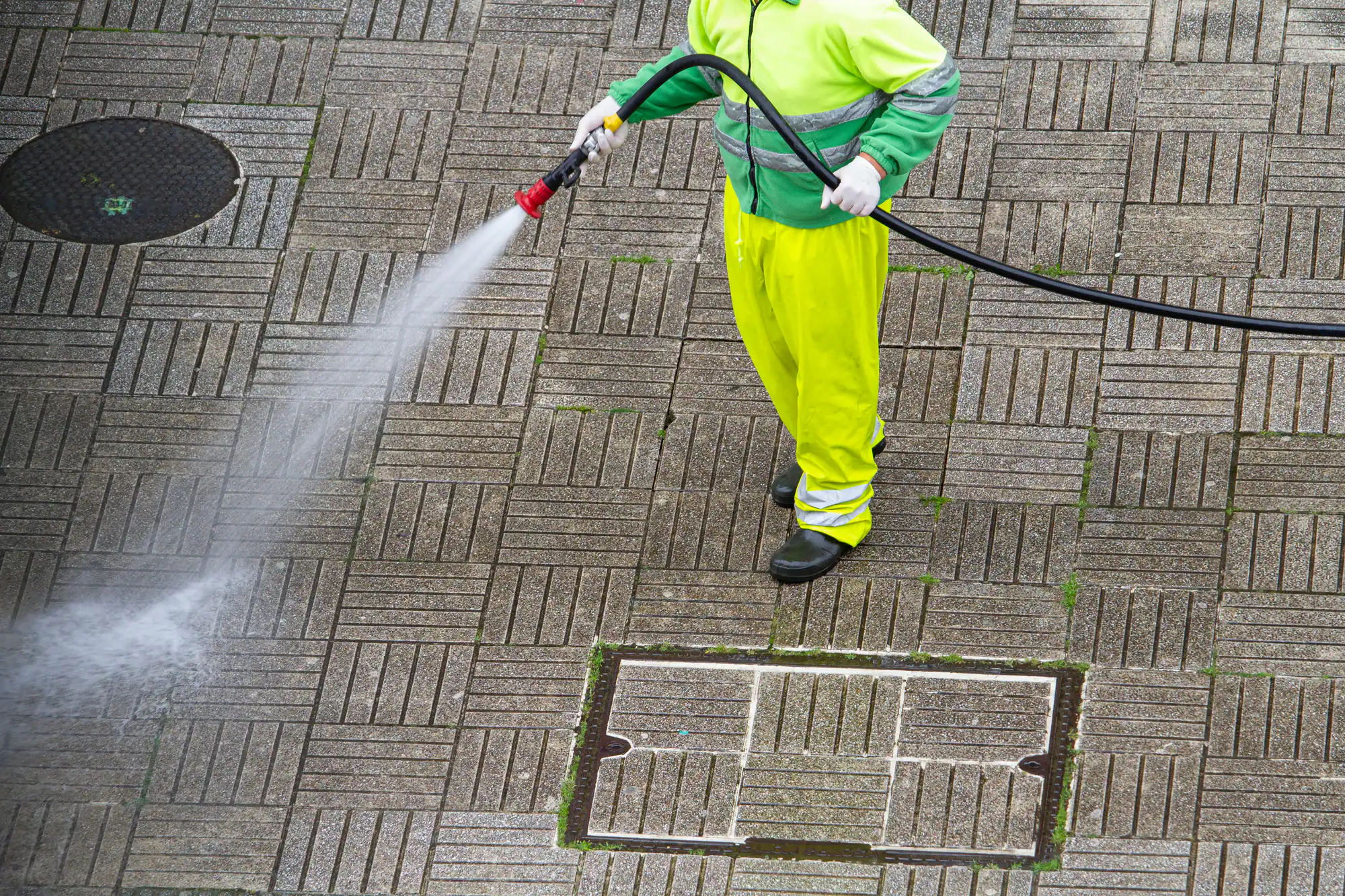
The real advantage of hydro jetting is prevention. By completely scrubbing the interior of your pipes, it removes the buildup that causes future clogs. Water flows faster. Waste moves through more efficiently. Debris has less surface to cling to.
Because the cleaning is so thorough, you get significantly longer relief between service calls—often three or four times longer than snaking provides. That means fewer disruptions, fewer plumber visits, and less money spent on repeat service calls for the same clogged kitchen sink or slow bathroom drain.
Hydro jetting is also environmentally responsible. It uses only water, no harsh chemicals that can corrode your pipes or contaminate groundwater. If you have a septic system, it’s completely safe. If you care about what goes into Chicago’s water supply, hydro jetting keeps it clean.
It’s particularly effective for chronic drain problems. If you’re dealing with slow drains throughout your home, or if the same drain keeps backing up no matter how many times you’ve had it snaked, hydro jetting addresses the root cause. It removes the coating of buildup along the pipe walls that snaking leaves behind, so clogs don’t return as quickly.
Grease clogs are another area where hydro jetting excels. Kitchen drains that handle cooking oil, fat, and food waste can develop thick layers of grease that coat the inside of pipes. A drain snake can poke a hole through, but the grease remains. Hydro jetting blasts it completely away, giving you a truly clean line.
Tree root intrusion is a serious issue in Chicago’s older neighborhoods with mature trees. While specialized root-cutting snakes can slice through roots, hydro jetting at 4,000 PSI blasts away root intrusions more thoroughly and cleans the pipe at the same time. It’s a more complete solution that addresses both the symptom and the cause.
The tradeoff is cost. Hydro jetting typically runs between $300 and $600 for residential work, and it can go higher for main sewer line cleaning. That’s a bigger upfront investment than snaking. But if it prevents three or four additional service calls over the next few years, you’re actually saving money while getting better results.
Hydro jetting is powerful, and that power becomes a liability when pipes are already compromised. The high-pressure water that makes it so effective can also cause leaks or breaks in pipes that are old, cracked, corroded, or have weak joints. Many Chicago homes have aging infrastructure that can’t safely handle 4,000 PSI.
That’s why a camera inspection should always come first. We run a video camera through your pipes to assess their condition and locate the blockage before recommending a method. If the inspection reveals fragile pipes, we can adjust the pressure, choose a gentler approach, or recommend snaking instead. Skipping this step and going straight to hydro jetting can turn a clog into a much more expensive pipe repair.
Hydro jetting also isn’t something you can DIY. The equipment is expensive, the technique requires training, and using it incorrectly causes serious damage. Pressurized water is dangerous when mishandled, and directing it at the wrong angle or pressure setting can harm your plumbing system. This is work that belongs in the hands of a licensed professional plumber with proper equipment and experience.
Cost is another factor to weigh. If you’re dealing with a simple, one-time clog and money is tight, hydro jetting might be more than you need. For a minor hair clog in a bathroom sink, professional drain snaking is often sufficient and much more affordable. Hydro jetting makes sense when you have chronic issues, heavy buildup, recurring problems, or you’re investing in long-term plumbing health.
Timing plays a role too. If you need an emergency fix right now and we don’t have time for a full pipe inspection and jetting setup, snaking might be the faster option to restore immediate function. Hydro jetting is more thorough, but it takes longer to prepare and complete, especially when camera work is involved.
The key is matching the method to your actual situation. Hydro jetting is the right choice for comprehensive cleaning, recurring clogs, or stubborn buildup that snaking can’t remove. But for simple, localized clogs in healthy pipes, snaking is often the smarter, more cost-effective solution.
So which method works better? It depends entirely on what you’re dealing with. For a simple, one-time clog in healthy pipes, snaking is fast, affordable, and gets the job done. For recurring clogs, heavy buildup, or situations where you want a solution that actually lasts, hydro jetting delivers better results and saves you from repeat service calls.
The best approach starts with diagnosis, not guesswork. We can run a camera inspection to show you exactly what’s causing the problem and what condition your pipes are in. From there, you can make an informed decision based on your pipes, your budget, and whether you want a quick fix or a long-term solution.
If you’re dealing with slow drains, recurring backups, or you just want to know what’s really happening in your plumbing system, we provide camera inspections, clear explanations of your options, and solutions designed to last—not temporary patches that bring you back in three months.
Article details:
Share:
Continue learning:
Request a Callback
Want to skip the wait?
Simply enter your contact details, and we’ll call you when a NY Spine Advisor becomes available.