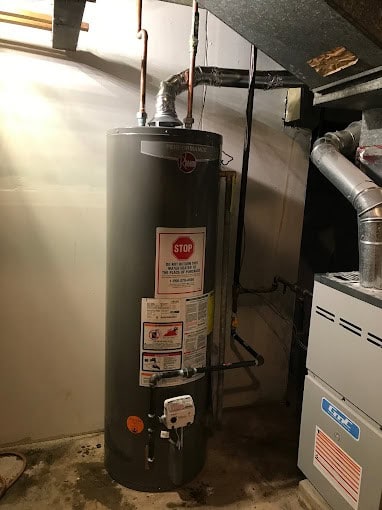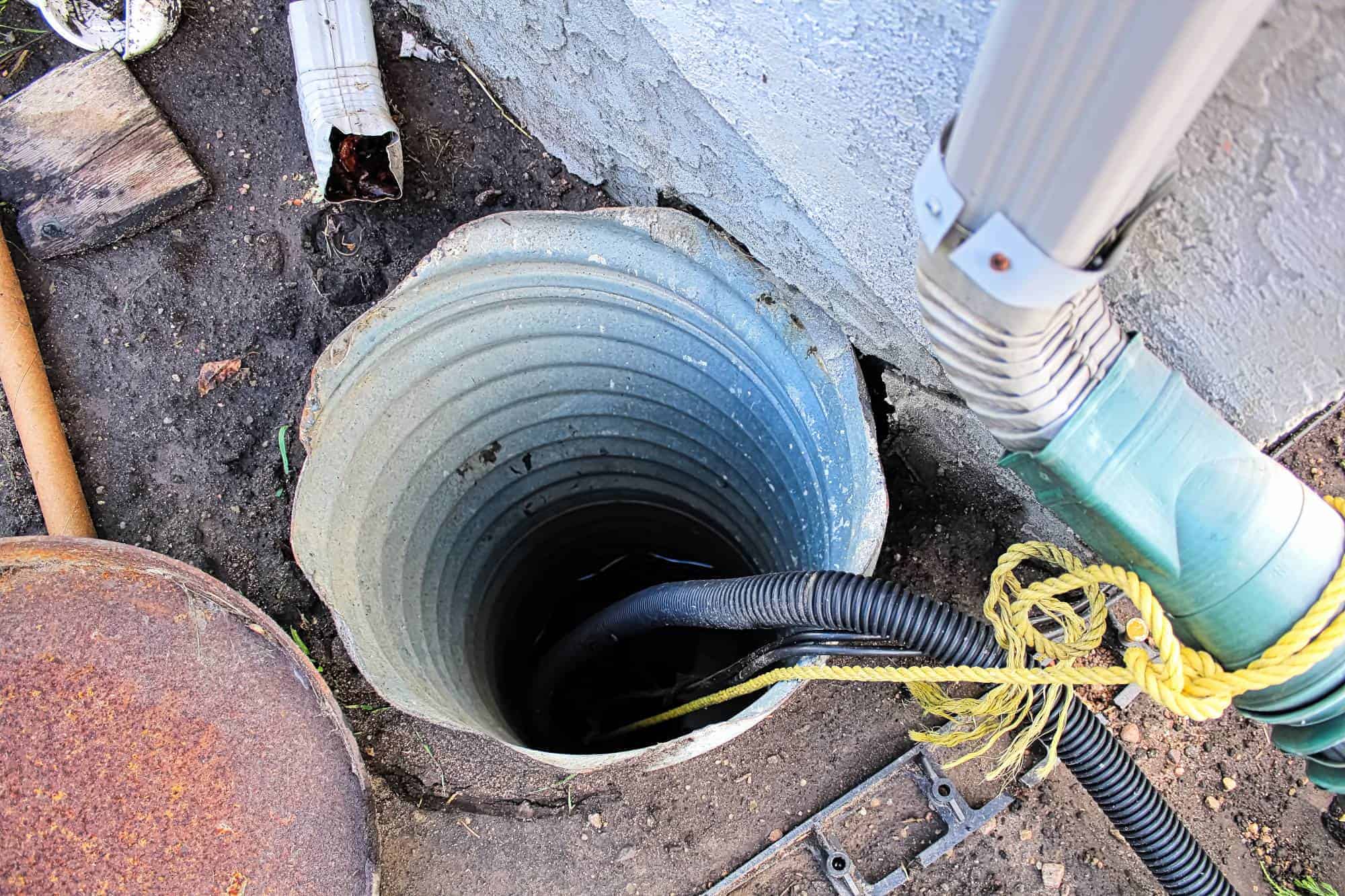
Chicago's spring rain season is coming. Your sump pump might be the only thing standing between you and a flooded basement—if it's actually ready to work.
Share:
Request a Callback
Want to skip the wait?
Simply enter your contact details, and we’ll call you when a Go Rooter Advisor becomes available.
Summary:
Chicago’s spring flooding problem isn’t new, but it’s getting worse. The sewer system was built decades ago when storm patterns looked completely different. Now, storms can drop two inches of rain per hour on a single neighborhood, and the infrastructure can’t keep up.
Add in the fact that roughly 42% of Cook County is covered in impervious surfaces—driveways, streets, parking lots—and that rainwater has nowhere to go except your basement. When catch basins get overwhelmed, water backs up through private sewer drains. That’s where your sump pump becomes the last line of defense.
Most Chicago homes have basements, which means most have sump pumps. But having one and having one that works are two different things. Spring is when homeowners discover their pump isn’t functioning—right when they need it most.
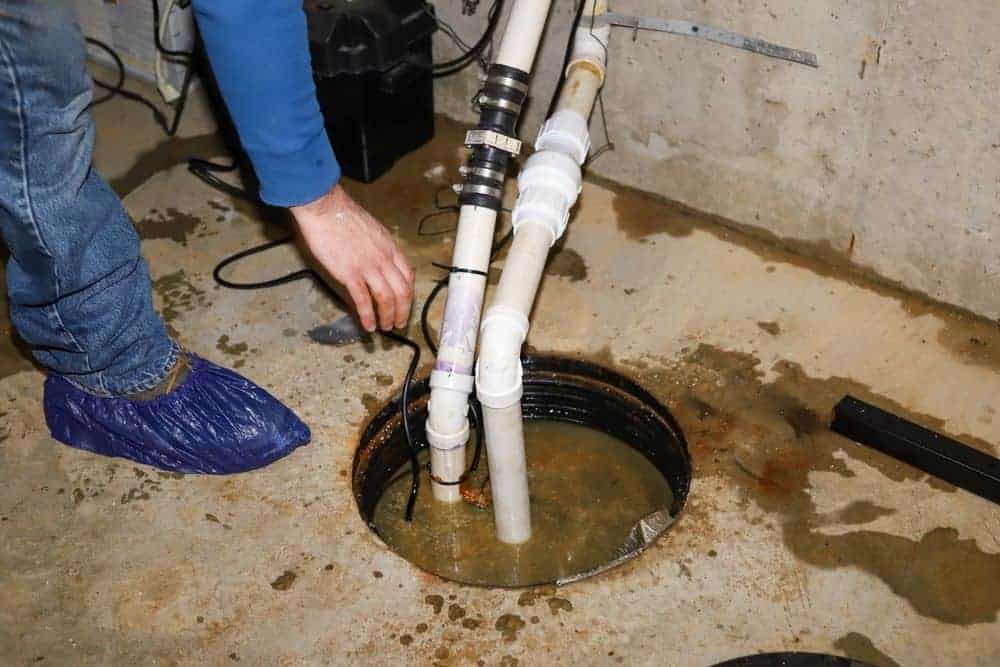
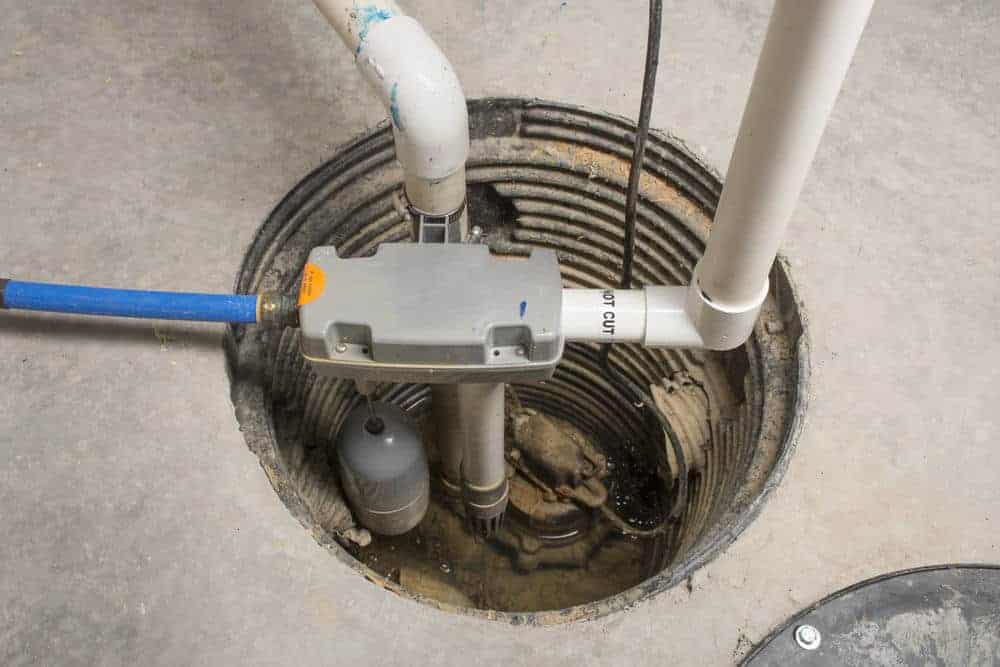
A sump pump sits in a pit dug into the lowest part of your basement floor. When groundwater or storm runoff seeps in, it collects in this pit instead of spreading across your basement. Once the water level rises high enough, a float switch triggers the pump to turn on.
The pump then pushes that water up through a discharge pipe and away from your foundation—usually at least 20 feet out. Without it, that water just sits there. Or worse, it keeps rising.
Here’s what most people don’t realize: your pump has to fight gravity every time it runs. It’s pushing water up and out, which takes power and puts stress on the motor. That’s why a check valve matters. This small component prevents water from flowing back down the pipe once the pump shuts off.
Without a check valve, your pump has to move the same water multiple times. That’s not just inefficient—it shortens the pump’s lifespan significantly. The motor runs hotter, cycles more often, and wears out faster. Installing or replacing a check valve is one of the simplest ways to extend your pump’s life and reduce energy costs.
The other critical component is the discharge line itself. If it’s clogged, frozen, or damaged, your pump can’t do its job. Water needs a clear path out. If it doesn’t have one, it’s coming back into your basement one way or another.
A sump pump sits in a pit dug into the lowest part of your basement floor. When groundwater or storm runoff seeps in, it collects in this pit instead of spreading across your basement. Once the water level rises high enough, a float switch triggers the pump to turn on.
The pump then pushes that water up through a discharge pipe and away from your foundation—usually at least 20 feet out. Without it, that water just sits there. Or worse, it keeps rising.
Here’s what most people don’t realize: your pump has to fight gravity every time it runs. It’s pushing water up and out, which takes power and puts stress on the motor. That’s why a check valve matters. This small component prevents water from flowing back down the pipe once the pump shuts off.
Without a check valve, your pump has to move the same water multiple times. That’s not just inefficient—it shortens the pump’s lifespan significantly. The motor runs hotter, cycles more often, and wears out faster. Installing or replacing a check valve is one of the simplest ways to extend your pump’s life and reduce energy costs.
The other critical component is the discharge line itself. If it’s clogged, frozen, or damaged, your pump can’t do its job. Water needs a clear path out. If it doesn’t have one, it’s coming back into your basement one way or another.
Want live answers?
Connect with a Go-Rooter Emergency Plumbers expert for fast, friendly support.
Testing your sump pump before spring storms hit takes about 15 minutes. It’s not complicated, and you don’t need special tools. You just need to know what to look for.
Start by making sure your pump is plugged in. It sounds obvious, but pumps get unplugged during basement cleanups or when someone needs an outlet. Check that it’s on a dedicated circuit if possible, and confirm the outlet has power.
Next, test the pump itself. Pour a bucket of water slowly into the sump pit until the float rises and triggers the pump. It should kick on automatically, pump the water out, and shut off once the level drops. If it doesn’t turn on, doesn’t pump efficiently, or doesn’t shut off, you’ve got a problem that needs fixing before the next storm.
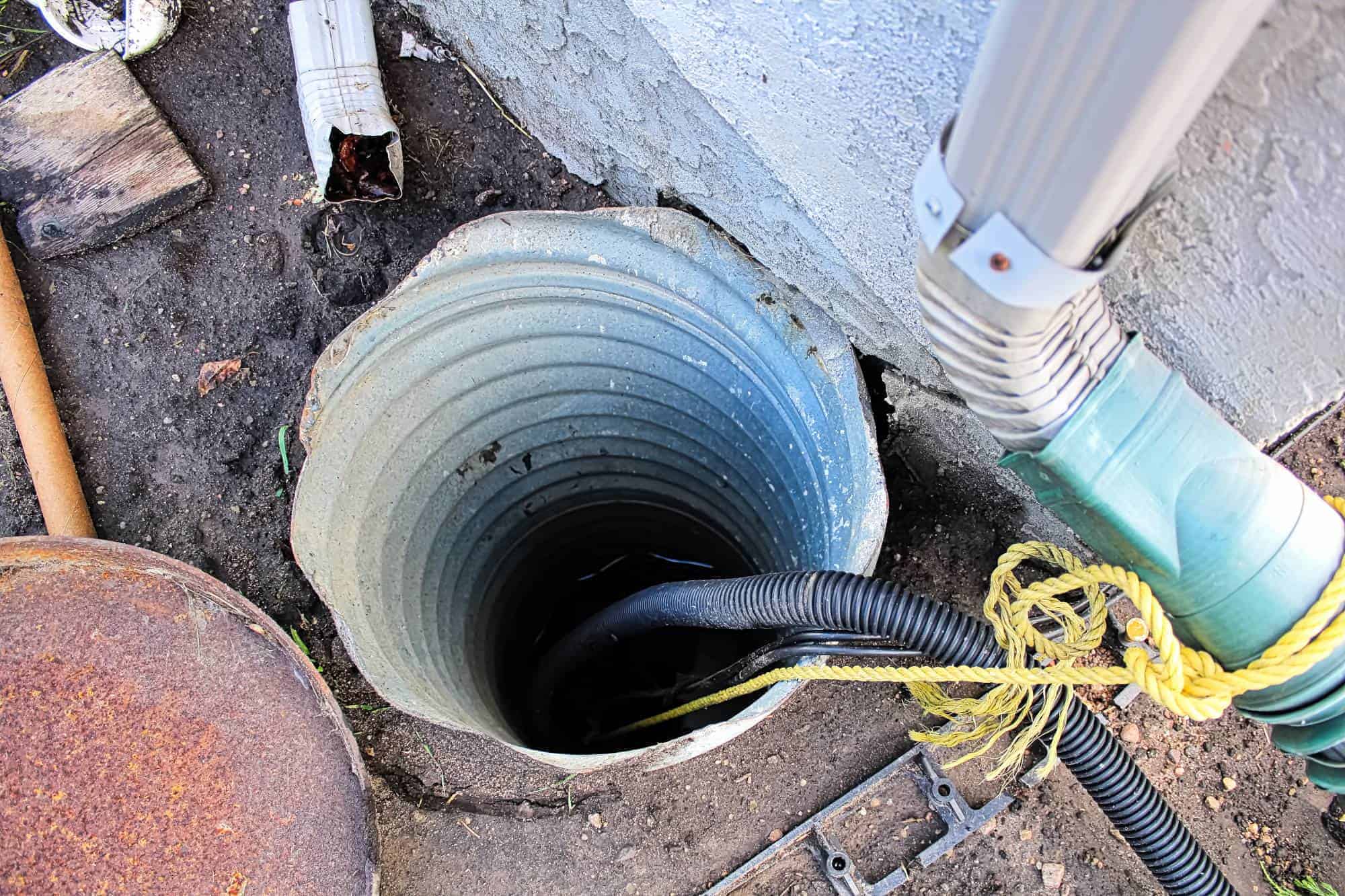
The discharge pipe is where pumped water exits your home. If it’s clogged with debris, frozen, or damaged, your pump can’t do its job. Walk outside and find where the pipe exits your foundation. Make sure there’s no blockage from leaves, dirt, ice, or anything else.
The discharge point should be at least 20 feet away from your house. If it’s too close, that water can seep right back into your foundation and end up in your sump pit again. You’re basically creating a loop where your pump is fighting itself.
Check the pipe for cracks or leaks, especially at the joints. Even a small leak means your pump is working harder than it should. And in freezing temperatures, those leaks can turn into ice blockages that stop water flow completely.
Now look for the check valve. It’s usually installed on the discharge pipe a few inches above the pump, often just below floor level. The valve should have an arrow indicating water flow direction—make sure it points away from the pump.
If you don’t have a check valve, you should. It’s a one-way valve that prevents water from flowing back into the pit after the pump shuts off. Without it, gravity pulls water back down the pipe, the pit refills, and your pump cycles on again almost immediately. That’s called short cycling, and it wears out your pump fast.
A properly installed check valve reduces how often your pump runs, saves electricity, and extends the pump’s lifespan. Most last several years, but they can get stuck or corroded over time. If your pump is cycling more often than it used to, the check valve might be the problem.
Here’s the scenario every Chicago homeowner dreads: a major storm rolls through, heavy rain starts falling, and then the power goes out. Your sump pump stops. Water keeps coming. By the time power comes back—if it comes back quickly—you’re already dealing with a flooded basement.
Battery backup systems solve this problem. They’re designed to keep your pump running even when the power’s out. Some systems power your existing pump using a battery. Others include a separate backup pump that kicks in automatically when the primary pump fails or loses power.
Most battery backup systems can provide five to seven hours of continuous pumping, or one to three days of intermittent pumping. That’s usually enough to get through a storm and power outage without flooding. The backup pump typically has its own float switch set slightly higher than your primary pump, so it only activates when needed.
The peace of mind alone makes battery backup worth considering. You’re not sitting in the dark during a storm wondering if your basement is flooding. You’re not rushing home from work or vacation because the power went out. The system handles it automatically.
Installation is straightforward for a professional, and the backup pump usually sits in the same sump pit as your primary pump. The battery stays charged while your power is on, so it’s always ready. You do need to test the battery periodically and replace it every few years, but that’s minimal maintenance for the protection it provides.
Power outages during storms aren’t rare in Chicago. When wind, ice, or heavy rain takes down power lines, you could be without electricity for hours or even days. Your sump pump can’t protect your basement if it’s not running. A battery backup system means it doesn’t have to stop just because the power did.
Spring storms in Chicago don’t wait for you to be ready. They hit fast, drop inches of rain in hours, and test every weak point in your home’s flood protection. Your sump pump is only useful if it’s actually working when you need it.
Run through the checklist now—test the pump, check the discharge line, inspect the check valve, and consider whether a battery backup system makes sense for your situation. These aren’t complicated steps, but they’re the difference between a dry basement and thousands of dollars in water damage.
If your pump is older than seven years, making strange noises, or cycling more often than usual, don’t wait for it to fail during the next storm. And if you’re not sure whether your system is set up correctly or you need sump pump installation in Chicago, it’s worth having a professional take a look. We can assess your setup, handle repairs or installations, and make sure you’re protected before spring rain season hits Cook County.
Article details:
Share:
Continue learning:
Request a Callback
Want to skip the wait?
Simply enter your contact details, and we’ll call you when a NY Spine Advisor becomes available.