Your outdoor faucet leak might seem minor, but it's costing you money and setting you up for winter freeze damage. Here's what you need to know.
Share:
Request a Callback
Want to skip the wait?
Simply enter your contact details, and we’ll call you when a Go Rooter Advisor becomes available.
Summary:
You’ve noticed it. That slow drip from your outdoor faucet that won’t stop, even when the handle’s cranked tight. Maybe it’s been going on for weeks. Maybe you just spotted it today. Either way, you’re wondering if it’s worth worrying about.
Here’s the truth: in Cook County, IL, an outdoor faucet leaking isn’t just an annoyance. It’s wasting water you’re paying for, and when winter hits, it’s a setup for frozen pipes and expensive damage. The good news? Most leaks have straightforward causes, and some you can fix yourself. This guide will show you what’s actually going on, what you can handle, and when it makes sense to call in help.
Before you grab any tools, it helps to understand what’s causing the leak. Outdoor faucets take a beating—constant use in summer, brutal cold in winter, and exposure to everything Illinois weather throws at them.
The most common culprit is a worn washer. This small rubber piece sits inside the faucet and creates a seal when you turn the water off. Over time, friction wears it down until it can’t block water anymore. You’ll notice this as a drip from the spout when the faucet is off.
Another frequent issue is a loose packing nut. This is the hexagonal piece just behind the handle that keeps water from leaking around the stem. If it’s loose, you’ll see water dripping near the handle when the faucet is on.

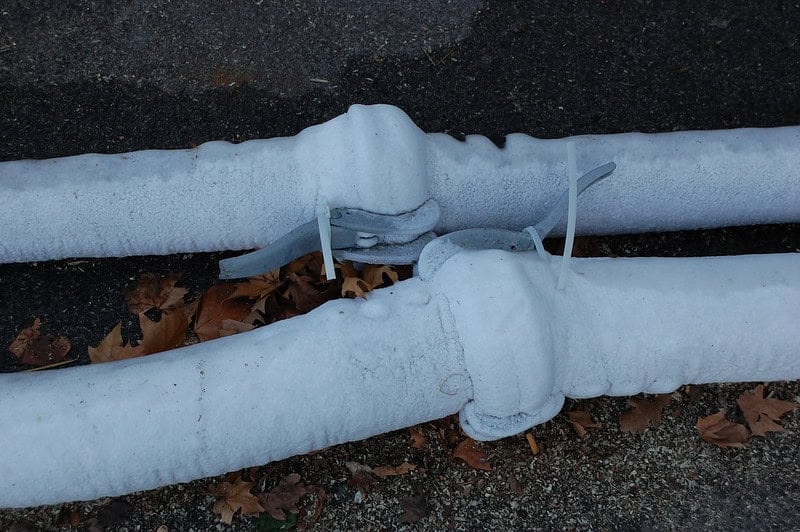
If your outdoor faucet started leaking after winter, freeze damage is the likely cause. When water freezes inside a faucet or pipe, it expands by about 9%. That creates enormous pressure on metal and plastic components.
The freeze-thaw cycle that’s so common in Cook County—where temperatures bounce between freezing and thawing—is especially hard on outdoor plumbing. Water gets trapped, freezes overnight, expands, and weakens the faucet’s valves, washers, and seals. Sometimes it even cracks the faucet body or the pipe behind your wall.
Here’s the tricky part: you might not notice the damage right away. As long as everything stays frozen, the crack is sealed with ice. But once spring arrives and temperatures rise, that’s when the leak appears. Suddenly you’ve got water dripping from the spout, pooling around your foundation, or worse—leaking inside your wall.
This is why winterizing your outdoor faucets before the first hard freeze is so important. Disconnect hoses, drain the lines, and shut off the interior valve if you have one. If you’re not sure how, or if you’ve already got freeze damage, a quick call to us can save you from much bigger problems down the road.
A slow drip doesn’t seem like much. But here’s what the numbers actually look like: a faucet dripping at just 20 drips per minute wastes about 925 gallons of water per year. If you’ve got two outdoor faucets with slow leaks, you’re looking at nearly 2,000 gallons wasted annually.
In Cook County, where water rates keep climbing, that translates to real money on your utility bill. And that’s just the water you’re paying for without using. It doesn’t account for the potential damage that leak is causing.
Water from a leaking outdoor faucet doesn’t just evaporate. It pools around your foundation, saturates the soil, and creates conditions for erosion, foundation shifts, and even basement moisture problems. If the leak is severe or goes unnoticed for months, you could be dealing with mold growth, wood rot, or structural issues that cost thousands to repair.
Then there’s the winter factor. A faucet that’s already leaking is even more vulnerable to freeze damage. That small drip can turn into a burst pipe inside your wall, flooding your basement or damaging interior finishes. Suddenly you’re not just fixing a faucet—you’re calling for emergency plumbing and water damage restoration.
The point isn’t to scare you. It’s to show that fixing a leaky outdoor faucet now—whether you do it yourself or call a professional—is always cheaper than ignoring it.
Want live answers?
Connect with a Go-Rooter Emergency Plumbers expert for fast, friendly support.
Some outdoor faucet leaks are simple enough to fix yourself. If you’re comfortable with basic tools and following steps, you can often solve the problem in under an hour.
Start by turning off the water supply. Look for the shutoff valve inside your home—usually in the basement or crawl space. Turn it clockwise until it stops, then open the outdoor faucet to drain any remaining water.
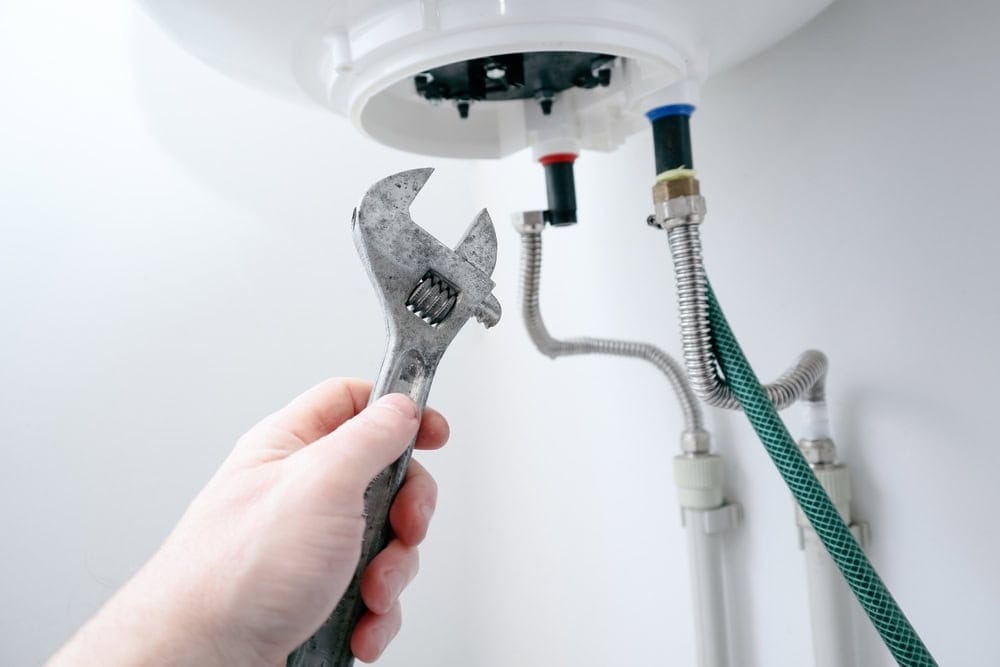
The first thing to try is tightening the packing nut. This is located just behind the handle. Use an adjustable wrench to snug it up about an eighth to a quarter turn. Don’t crank it hard—you just want it snug. Turn the water back on and test. If the leak stops, you’re done.
You might wonder what a sink drain clogged has to do with your outdoor faucet leak. More than you’d think, especially in older Cook County homes.
When your outdoor faucet leaks, water can seep into areas it shouldn’t—including the soil around your foundation. That excess moisture can find its way into basement drains, floor drains, and even affect how your indoor plumbing performs. Add in debris from outdoor use, and you’ve got a recipe for slow drains or full clogs.
Inside, a clogged sink drain often shares similar root causes with outdoor faucet problems: buildup over time, worn components, and neglected maintenance. Hair, soap scum, grease, and food particles accumulate in your kitchen or bathroom sink drain, just like mineral deposits and debris build up in outdoor faucets.
If you’re dealing with both a leaking outdoor faucet and a sink drain that won’t clear, it’s worth having us take a look at your whole system. Sometimes these issues point to bigger problems—like high water pressure, aging pipes, or drainage issues that affect multiple fixtures. A camera inspection can show you exactly what’s going on inside your pipes, so you’re not just guessing.
For minor sink clogs, you can try the baking soda and vinegar method or use a plunger. But if the clog persists, or if you’re noticing slow drainage in multiple fixtures, that’s a sign to call in professional drain cleaning. We offer hydro jetting for $55—a powerful method that clears stubborn clogs and buildup without harsh chemicals.
There are clear situations where calling us makes more sense than continuing to troubleshoot on your own.
If you’ve tightened the packing nut and replaced the washer but the faucet still leaks, something deeper is wrong. It could be a corroded valve seat, a cracked faucet body, or damage inside the wall. These aren’t DIY fixes.
If you see water leaking from where the faucet connects to the house, that’s a sign of freeze damage or a failed connection. This kind of leak can cause serious water damage to your siding, insulation, and interior walls. It needs professional attention right away.
Frost-free faucets—common in newer Cook County homes—have more complex internal mechanisms. They have a long stem that extends into the warmer part of your house, and they often include a vacuum breaker to prevent backflow. If one of these components fails, the repair is more involved than a simple washer replacement.
And if you’re not confident working with plumbing, or if you don’t have the right tools, there’s no shame in calling a pro. A botched DIY repair can turn a $150 fix into a $500 problem. We’ve seen it all, and we can diagnose the issue quickly, fix it correctly the first time, and give you advice on preventing it from happening again.
Plus, if the issue involves code compliance, permits, or connections inside your wall, a licensed plumber isn’t just helpful—it’s required. Our plumbers are fully licensed and insured, so you’re protected if anything goes wrong during the repair.
An outdoor faucet leaking might start small, but in Cook County, it’s a problem that grows. Water waste adds up. Freeze damage is real. And the longer you wait, the more expensive the fix becomes.
If the leak is simple—a loose packing nut or a worn washer—you can often handle it yourself with basic tools and a little time. But if you’ve tried the DIY route and the drip persists, or if you’re seeing signs of freeze damage or leaks inside the wall, it’s time to call in help.
We serve Cook County with 24/7 availability, upfront pricing, and a focus on long-term solutions. Whether it’s a leaky faucet, a clogged drain, or frozen pipe prevention, our team is ready to help. Don’t wait until a small leak turns into a winter disaster—reach out to Go-Rooter today.
Article details:
Share:
Continue learning:
Request a Callback
Want to skip the wait?
Simply enter your contact details, and we’ll call you when a NY Spine Advisor becomes available.