Go-Rooter provides fast water heater service throughout Cook County with same-day emergency repairs, professional installations, and preventative maintenance to keep your hot water flowing.
Share:
Request a Callback
Want to skip the wait?
Simply enter your contact details, and we’ll call you when a Go Rooter Advisor becomes available.
Summary:
You turn on the shower and get hit with ice-cold water. Or maybe you’ve noticed puddles forming around your water heater, strange rumbling sounds, or hot water that runs out faster than it used to. Whatever the issue, a failing water heater doesn’t wait for a convenient time to break down. In Cook County’s harsh winters, losing hot water isn’t just uncomfortable—it disrupts everything from morning showers to clean dishes and laundry. You need water heater service that responds fast, fixes the problem right, and gives you honest answers about whether to repair or replace. Here’s what you should know about professional water heater service and how to keep hot water flowing in your home.
Professional water heater service goes beyond just fixing what’s broken. It’s about evaluating your entire system to catch small problems before they turn into expensive emergencies. A qualified plumber examines your water heater’s age, efficiency, and condition, then gives you clear options based on what actually makes sense for your situation.
Regular maintenance matters because most water heater failures don’t happen overnight. Sediment builds up from Cook County’s hard water. Components wear down. Small leaks start before they become floods. Annual service catches these issues early, extends your water heater’s lifespan, and keeps your energy bills from creeping up because of an inefficient unit. The average life of a water heater sits between 8 and 12 years for traditional tanks, but proper maintenance can help you reach or even exceed that range.
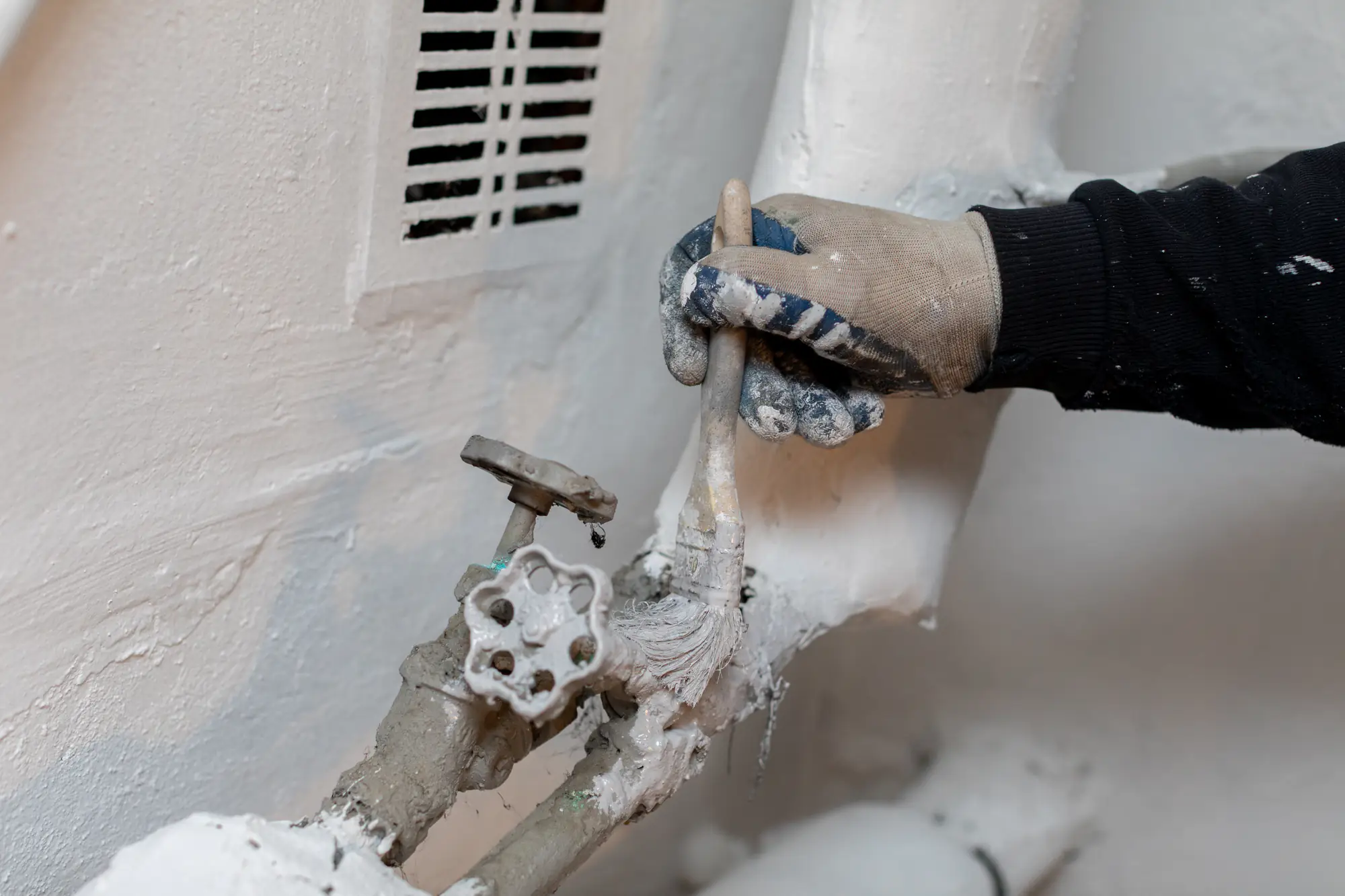
Knowing whether to repair or replace your water heater can save you hundreds or even thousands of dollars. The water heater lifespan depends on several factors: the type of unit you have, how well it was installed, your water quality, and whether you’ve kept up with maintenance.
Traditional tank water heaters typically last 8 to 12 years. Gas models often fall on the shorter end of that range, while electric units may reach the upper limit. Tankless water heaters last significantly longer—usually 15 to 25 years with proper care. But age isn’t the only factor. If your water heater is over 10 years old and showing signs of trouble, replacement often makes more financial sense than pouring money into repairs.
Here’s what to consider: if your unit is less than halfway through its expected lifespan and the repair cost is reasonable, fixing it usually makes sense. But if you’re looking at a 10-year-old tank with rust, leaks, or major component failures, replacement protects you from repeat breakdowns and gives you a chance to upgrade to a more efficient model. Newer water heaters use less energy, which means lower utility bills that offset the installation cost over time.
Chicago’s hard water accelerates wear on water heaters. Mineral deposits settle at the bottom of tanks, creating that rumbling sound you might hear. This sediment makes your water heater work harder to heat water, wasting energy and shortening its life. Regular flushing removes this buildup, but if you’ve never maintained your tank and it’s approaching the end of its expected lifespan, replacement often makes more sense than trying to salvage a compromised system.
A professional assessment looks at your specific situation. What’s your water heater’s actual age? Are you seeing rusty water, which signals internal corrosion? Do you have inconsistent temperatures or not enough hot water for your household’s needs? These factors guide the repair versus replacement decision. Our goal isn’t to sell you a new water heater if your current one has years of life left. It’s to give you an honest evaluation so you can make an informed choice.
Professional water heater installation services do more than just connect a new unit. They ensure your installation meets Cook County building codes, protects your warranty, and operates safely for years to come. Cutting corners on installation creates problems you’ll pay for later—voided warranties, failed inspections, inefficient operation, or even safety hazards.
Cook County requires plumbing permits for water heater installation or replacement. General maintenance and servicing don’t need permits, but when you’re putting in a new unit, proper permitting protects you legally and ensures the work meets current code standards. If you need emergency replacement and can’t secure a permit beforehand, Illinois regulations require you to apply for that permit within 24 hours of installation.
Why does this matter? Because your water heater warranty depends on professional installation. Most manufacturers void coverage if an unlicensed person installs the unit or if the installation doesn’t meet code requirements. You could end up paying out of pocket for repairs that would have been covered if the installation had been done properly from the start.
Professional installation also addresses the technical requirements specific to your water heater type. Gas water heaters need proper venting to safely expel combustion gases. Electric models require correctly sized breakers and wiring. Tankless units often need gas line resizing or new electrical circuits. Temperature and pressure relief valves must be installed correctly with proper discharge piping. Expansion tanks may be required for closed water systems or units with higher BTU ratings.
A licensed plumber knows these requirements and handles them correctly. We make sure your water heater has proper clearance for service and replacement, that all connections are secure and code-compliant, and that safety controls function properly. This isn’t just about following rules—it’s about protecting your home from leaks, ensuring efficient operation, and giving you hot water you can count on.
The installation process should include removing and properly disposing of your old unit, installing the new water heater according to manufacturer specifications, testing all connections and controls, and walking you through operation and maintenance. You should receive clear documentation of the work, permit information, and warranty details. This level of service costs more than a quick swap, but it prevents the headaches and expenses that come from improper installation.
Want live answers?
Connect with a Go-Rooter Emergency Plumbers expert for fast, friendly support.
Hot water heater installation involves more than hauling out the old unit and connecting a new one. The process requires careful planning, proper sizing for your household’s needs, and attention to technical details that affect performance and safety.
First, you need the right size water heater. Too small and you’ll run out of hot water during showers or when running multiple appliances. Too large and you’re wasting energy heating water you don’t need. A 40-gallon tank works for many smaller households, while larger families often need 50 or even 75-gallon capacity. Tankless models are sized differently, based on flow rate and temperature rise requirements.
The installation itself follows a specific sequence. Power or gas supply gets shut off. The old unit is drained and disconnected. Water lines, gas lines (if applicable), and venting are inspected and modified as needed. The new water heater is positioned, leveled, and connected. All joints are secured and tested for leaks. Safety devices like temperature and pressure relief valves are installed and tested. Finally, the system is filled, tested, and inspected to ensure everything operates correctly.
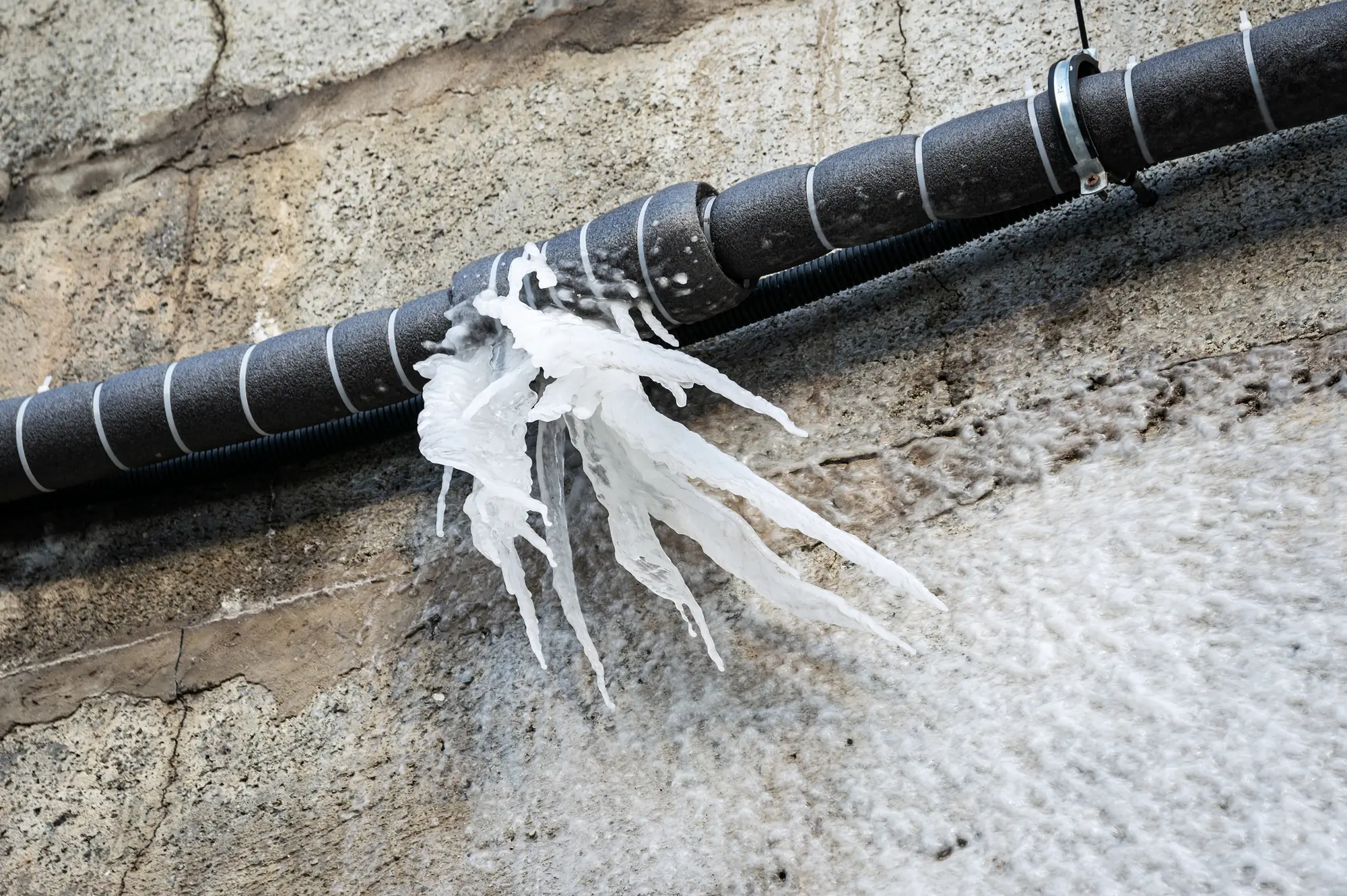
Water heater emergencies don’t follow business hours. You might wake up to a flooded basement at 2 AM, or come home from work to discover you have no hot water on the coldest night of the year. Emergency water heater service means having access to qualified plumbers 24/7, with the ability to respond the same day you call.
What qualifies as a water heater emergency? No hot water during winter definitely counts. So does active leaking that’s causing water damage to your property. Gas odors near a gas water heater require immediate attention for safety reasons. Water heaters making loud popping or hissing sounds may be building dangerous pressure. Any of these situations needs fast professional response to prevent property damage, restore your hot water, or address safety hazards.
Emergency service should include rapid diagnosis of the problem, clear communication about what’s wrong and what it will take to fix it, and the ability to either repair the issue or provide temporary solutions while you arrange for replacement. Not every emergency requires a new water heater. Sometimes a failed heating element, faulty thermostat, or extinguished pilot light can be addressed quickly, getting your hot water back without major expense.
The challenge with emergencies is making good decisions under pressure. You’re cold, frustrated, and need hot water restored. This is exactly when you need a plumber who focuses on long-term solutions rather than quick fixes that fail again in a few months. Emergency service should include honest assessment of whether repair makes sense or if you’re better off replacing a failing unit now rather than facing the same emergency again soon.
Response time matters during emergencies. Same-day service means you’re not waiting days to shower, wash dishes, or do laundry. For Cook County residents, having access to emergency plumbers who know the area, understand local code requirements, and can source parts quickly makes the difference between a minor disruption and a multi-day ordeal. We provide upfront pricing even in emergency situations, so you know what you’re paying before work begins.
Most manufacturers and plumbing professionals recommend having your water heater serviced at least once per year. Annual maintenance isn’t just a suggestion—many warranties require it. If you submit a repair claim and can’t show evidence of regular maintenance, you might face a denied claim and out-of-pocket repair costs.
Annual service typically includes flushing the tank to remove sediment buildup, inspecting the anode rod (which protects the tank from corrosion), testing the temperature and pressure relief valve, checking for leaks, examining electrical connections or gas lines, and verifying that all safety controls function properly. This preventative approach catches small issues before they become expensive failures.
If you have hard water, which is common throughout Cook County, you might benefit from more frequent service—potentially twice per year. Hard water accelerates mineral buildup inside your tank, creating sediment that reduces efficiency and can cause premature failure. Regular flushing removes these deposits before they cause problems.
Tankless water heaters also need annual maintenance, despite not having storage tanks. They require descaling to remove mineral deposits from heat exchangers, cleaning of inlet filters, inspection of burners or heating elements, and testing of all connections and controls. Skipping maintenance on tankless units reduces their efficiency and can lead to expensive component failures.
Between professional service visits, you can do simple checks yourself. Look for any water pooling around the base of your water heater. Listen for unusual noises like rumbling, popping, or hissing. Test your hot water to see if it’s taking longer to heat, running out faster, or showing discoloration. Pay attention to your energy bills—sudden increases might signal your water heater is working harder due to sediment buildup or failing components. These signs tell you it’s time to call for service even if your annual maintenance isn’t due yet.
Regular maintenance extends your water heater’s lifespan, improves energy efficiency, prevents unexpected breakdowns, and maintains warranty coverage. The cost of annual service is minimal compared to emergency repairs or premature replacement. Think of it like changing the oil in your car—small preventative investments that protect a much larger one.
Your water heater works behind the scenes every day, providing hot water for showers, dishes, laundry, and cleaning. When it fails, you feel the impact immediately. Professional water heater service protects you from emergencies, extends your equipment’s lifespan, and ensures you’re getting the most efficient performance possible.
Whether you need emergency repairs, routine maintenance, or a complete installation, working with experienced plumbers who understand Cook County’s specific challenges makes all the difference. Hard water, harsh winters, and local code requirements all factor into proper water heater service. You deserve upfront pricing, honest assessments, and solutions that actually last.
We provide comprehensive water heater service throughout Cook County with 24/7 availability, same-day response, and a commitment to long-term solutions. From preventative maintenance to emergency repairs and professional installations, our team keeps your hot water flowing when you need it most.
Article details:
Share:
Continue learning:
Request a Callback
Want to skip the wait?
Simply enter your contact details, and we’ll call you when a NY Spine Advisor becomes available.