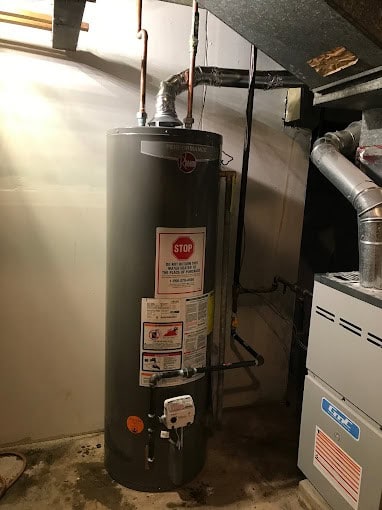
Thinking about tankless water heater installation? Costs vary based on unit type, installation complexity, and your home's setup—but the energy savings and endless hot water make it worth exploring.
Share:
Request a Callback
Want to skip the wait?
Simply enter your contact details, and we’ll call you when a Go Rooter Advisor becomes available.
Summary:
You’ve probably stood in a lukewarm shower cursing whoever used up all the hot water. Or watched your energy bills climb while your old tank heater works overtime just keeping water warm in the basement. Tankless hot water heater installation solves both problems, but the upfront cost makes most people pause. What does it actually cost in Cook County, IL? What are you really paying for? And does the math work out? Let’s cut through the noise and talk about what tankless installation looks like in real terms—costs, benefits, maintenance, and whether it makes sense for your home.
Tankless hot water heater installation isn’t a simple swap. We need to evaluate your home’s existing setup—gas lines, electrical capacity, venting, and water flow—to determine what’s required for a safe, code-compliant install.
Gas tankless units demand adequate gas line diameter, often requiring an upgrade from the standard half-inch line to three-quarters of an inch. They also need proper venting, either through the wall or roof, and the type of venting depends on whether you’re installing a condensing or non-condensing unit. Electric tankless systems skip the gas work but require dedicated 40-60 amp circuits, and older homes may need a full electrical panel upgrade to handle the load.
Permits are required in most Cook County, IL jurisdictions for gas work and water heater replacement. As licensed plumbers, we handle this, ensuring your installation meets local codes and protects your manufacturer’s warranty. Professional installation also includes removing your old unit, connecting water lines, testing for leaks, and verifying the system heats water correctly before we leave.
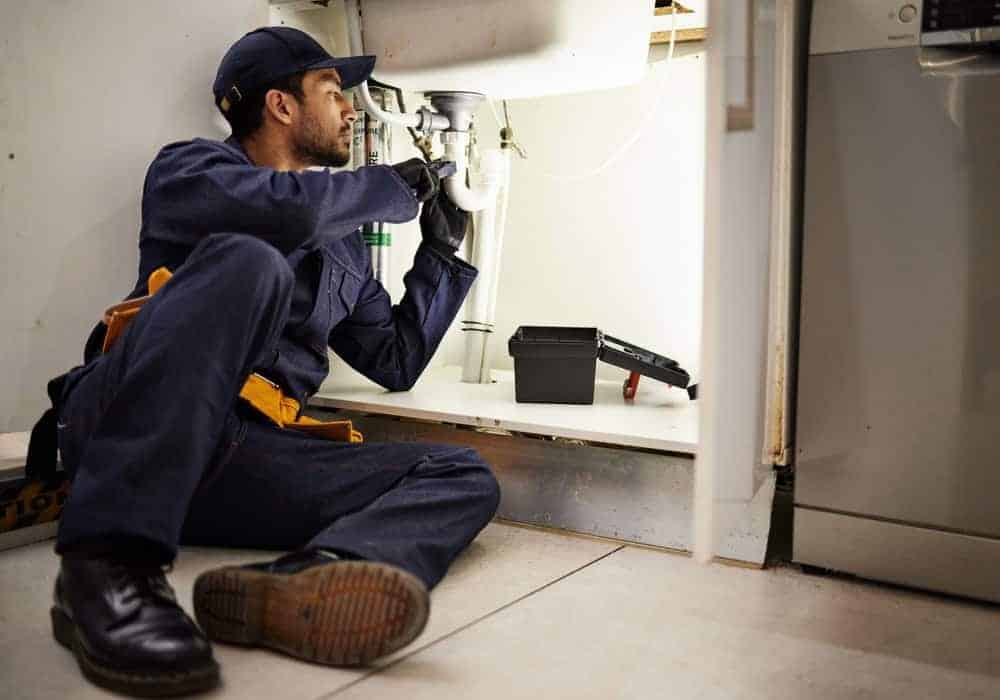
Professional tankless hot water heater installation starts with an assessment. We calculate your household’s peak hot water demand—how many showers, sinks, dishwashers, and washing machines might run simultaneously. This determines the right unit size, measured in gallons per minute or GPM. Undersizing leads to cold water bursts when demand spikes. Oversizing wastes money on capacity you’ll never use.
Once the right unit is selected, installation begins. The old water heater gets disconnected and removed. If you’re switching from a traditional tank, that’s a bulky 40-60 gallon unit that needs to be hauled out and disposed of properly. The new tankless unit mounts on the wall, freeing up floor space.
Next comes the technical work. Gas lines get upgraded if needed. Electrical circuits are installed or upgraded. Venting is routed according to manufacturer specs and local Cook County, IL codes. Water lines are connected with shut-off valves for future maintenance. The system is filled, tested for leaks, and fired up to verify it heats water to the correct temperature.
We walk you through how the system works, explain the maintenance schedule, and answer your questions. We don’t rush out the door the second it’s functional. Our approach focuses on long-term solutions, which means making sure you understand how to keep your investment running smoothly for the next 20 years. That’s the difference between a professional install and a quick job.
Chicago’s hard water makes proper installation even more critical. Mineral buildup accelerates here, so we discuss descaling schedules and possibly recommend a water softener to extend your unit’s lifespan. Preventative maintenance isn’t optional in Cook County, IL—it’s essential.
Electric and gas tankless systems both deliver hot water on demand, but the installation process and costs differ significantly. Electric tankless hot water heater installation is simpler and cheaper upfront. You’re looking at $1,200 to $2,500 installed. No gas line work, no venting through walls or roofs. Just electrical connections and water lines.
The catch? Electric units draw massive power when they’re running. A whole-house electric tankless system can require 150-200 amps, and many older Chicago homes only have 100-amp service. Upgrading your electrical panel adds $1,000 to $2,500 to the project. Electric units also have lower flow rates than gas models, making them better suited for smaller households or point-of-use applications like a single bathroom.
Gas tankless hot water heater installation costs more—typically $2,000 to $3,800 installed—but delivers higher flow rates. Gas units can handle multiple showers and appliances running simultaneously, which matters if you have a larger family or high hot water demand. They’re also more efficient in areas with expensive electricity and cheaper natural gas, which describes most of Cook County, IL.
Gas installations require more work. The gas line often needs upgrading. Venting must be installed correctly to safely exhaust combustion gases. Condensing gas units use PVC venting, which is cheaper and easier to install. Non-condensing units require stainless steel venting, adding to the cost. Gas units also need an electrical connection for ignition and controls, but it’s minimal compared to electric models.
Location matters too. If your water heater sits in a basement with easy access to gas lines and exterior walls for venting, installation is straightforward. If it’s in a tight closet on an upper floor far from gas lines, expect higher labor costs. Chicago’s older housing stock often presents installation challenges that newer suburban homes don’t face. We evaluate your specific situation and give you an honest estimate before starting work.
Want live answers?
Connect with a Go-Rooter Emergency Plumbers expert for fast, friendly support.
Tankless water heater installation cost in Cook County, IL ranges from $1,200 to $3,800 for a complete job, including the unit, labor, and materials. That’s a wide range because your final price depends on the unit type, your home’s existing infrastructure, and how much prep work is required.
The unit itself accounts for 40-45% of the total cost. Basic electric models start around $600-$1,000. Mid-range gas units run $1,200-$2,000. High-end condensing gas models with smart features and higher GPM capacity can hit $2,500-$3,000 or more. Labor typically runs $600-$2,500 depending on installation complexity, local rates, and whether you need upgrades to gas lines, electrical systems, or venting.
Hidden costs catch people off guard. Gas line upgrades cost $200-$800. Electrical panel upgrades run $1,000-$2,500. Venting installation adds $100-$600. Permits cost $50-$200 depending on your municipality. Old tank removal is sometimes included, sometimes an extra $50-$150. A $2,000 quote can easily become $3,500 once you factor in necessary upgrades.
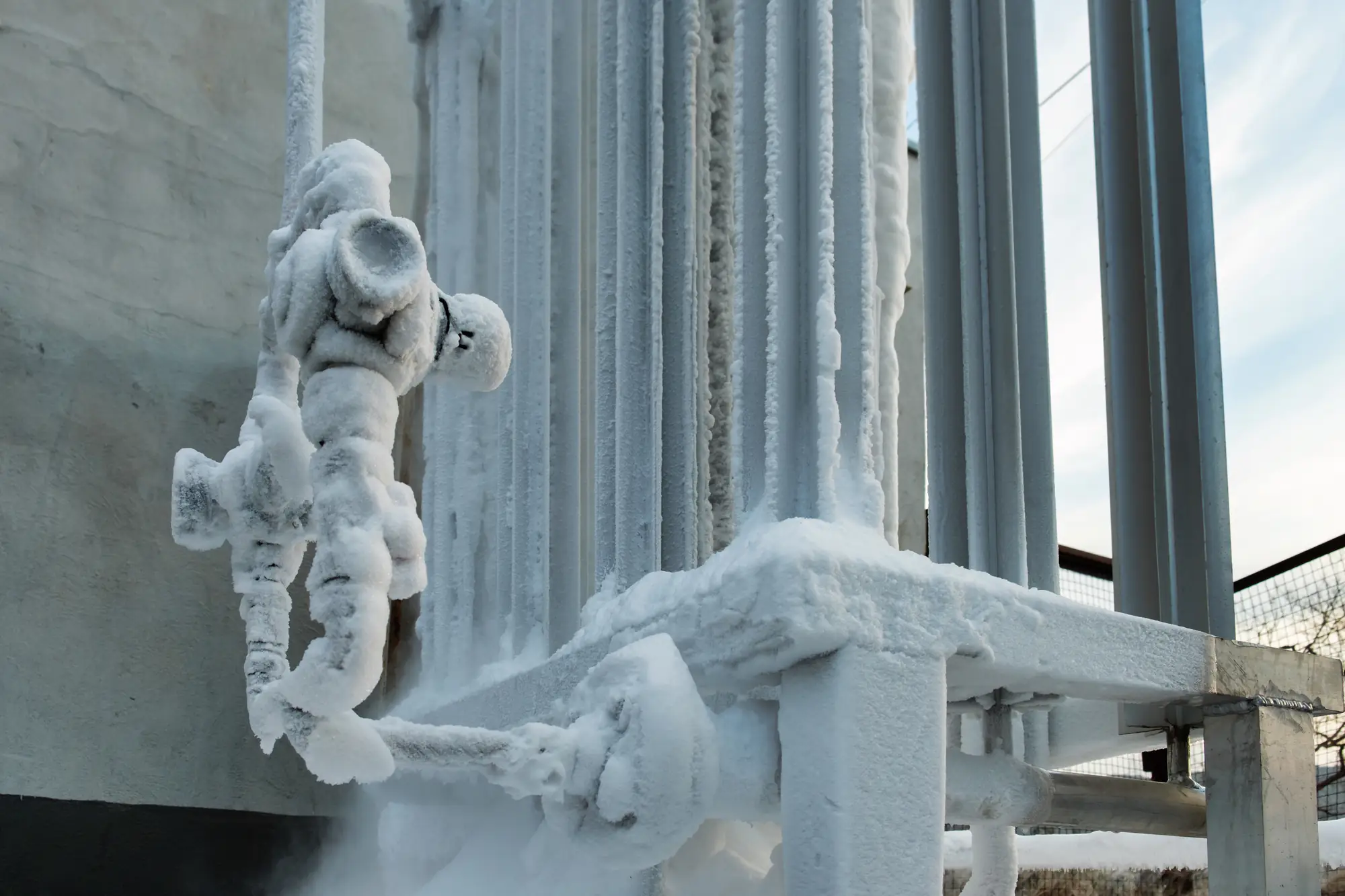
Several factors push tankless hot water heater installation costs up or down. Understanding them helps you budget accurately and avoid surprises.
Your home’s existing infrastructure is the biggest variable. If you already have a tankless unit and you’re replacing it with a similar model, installation is straightforward—3-4 hours of work. If you’re converting from a traditional tank to tankless, expect 6-10 hours of labor. That’s because we need to modify gas lines, install new venting, upgrade electrical, and possibly relocate the unit to a better spot.
Unit size and capacity matter. A small point-of-use electric unit for a single bathroom costs $150-$250 for the unit plus minimal installation. A whole-house gas system sized for a large family with multiple bathrooms costs significantly more. The difference isn’t just the unit price—larger systems require more robust gas lines, higher electrical capacity, and more complex venting.
Chicago’s hard water accelerates mineral buildup, which is why we often recommend installing a water softener alongside your tankless unit. That’s an additional $500-$2,500 depending on the system. It’s not required, but it extends your tankless unit’s lifespan and reduces descaling frequency. In areas with extremely hard water, it’s a smart investment.
Seasonal timing affects costs too. Installing in winter or early spring when plumbers are less busy can save money. We often offer lower rates and more flexible scheduling during off-peak seasons. Emergency installations during a Chicago cold snap cost more than a planned replacement in April.
Complexity of the installation site drives labor costs. A basement water heater with easy access to gas lines, electrical panels, and exterior walls for venting is simple. A unit in a cramped closet on the second floor, far from gas lines and with limited venting options, requires more time and problem-solving. Older Chicago homes with plaster walls, tight spaces, and outdated infrastructure present challenges that newer suburban homes don’t.
Brand and warranty also factor in. Budget brands save money upfront but may lack features or have shorter warranties. Premium brands like Navien or Rinnai cost more but offer better efficiency, longer warranties, and more reliable performance. We work with top brands to ensure your installation delivers optimal performance from day one.
Tankless hot water heater installation costs more upfront than replacing a traditional tank, but the long-term savings often justify the investment. The question is how long it takes to break even.
Energy savings are the main financial benefit. Tankless systems are 24-34% more efficient for households using 41 gallons or less of hot water daily. That translates to roughly $100-$180 in annual savings. Larger families using 86+ gallons daily see more modest 8-14% efficiency gains, saving $50-$120 per year. The savings come from eliminating standby energy loss—tankless units only heat water when you turn on a faucet, while traditional tanks constantly reheat stored water even when you’re asleep or at work.
The break-even point typically falls around 8-10 years. If you paid $3,500 for installation and save $150 annually, you’re looking at roughly 23 years to recoup costs through energy savings alone. That math looks discouraging until you factor in other benefits.
Tankless units last 20-30 years compared to 10-15 for traditional tanks. Over 20 years, you’d replace a traditional tank twice but a tankless unit zero times. That avoided replacement cost—another $1,500-$2,500—significantly improves the return on investment. You’re also avoiding the risk of tank failures and basement flooding, which can cause thousands in property damage.
Federal tax credits sweeten the deal. In 2026, ENERGY STAR certified tankless water heaters qualify for a 30% tax credit up to $600. That immediately reduces your out-of-pocket cost. Some local utilities in Cook County, IL offer additional rebates for energy-efficient upgrades, though availability varies.
For homeowners planning to stay in their home for 10+ years, tankless installation delivers positive ROI through energy savings, avoided replacement costs, and tax incentives. If you’re selling within 5 years, the financial return may not justify the investment unless you value the convenience and space savings highly. A traditional tank makes more sense for short-term homeownership.
The non-financial benefits matter too. Never running out of hot water during a shower. Reclaiming basement space. Reducing your environmental footprint. These aren’t line items on a spreadsheet, but they’re real quality-of-life improvements that homeowners appreciate daily.
Tankless hot water heater installation is just the beginning. These systems require regular maintenance to perform efficiently and last their full 20+ year lifespan. Neglecting maintenance leads to mineral buildup, reduced efficiency, higher energy bills, and premature failure.
The most critical maintenance task is descaling or flushing. Chicago’s hard water contains high levels of calcium and magnesium that accumulate inside the heat exchanger. Over time, this scale buildup acts like insulation, forcing your unit to work harder to heat water. Efficiency drops. Energy bills climb. Eventually, the heat exchanger fails completely.
How often you need descaling depends on water hardness. In Cook County, IL hard water areas, annual descaling is recommended. If you have a water softener, you can stretch it to every 3-5 years. Professional descaling costs $100-$200 and takes about 45-60 minutes. We connect a pump to circulate descaling solution through the system, breaking down mineral deposits. After flushing with clean water, your unit runs like new.
Article details:
Share:
Continue learning:
Request a Callback
Want to skip the wait?
Simply enter your contact details, and we’ll call you when a NY Spine Advisor becomes available.