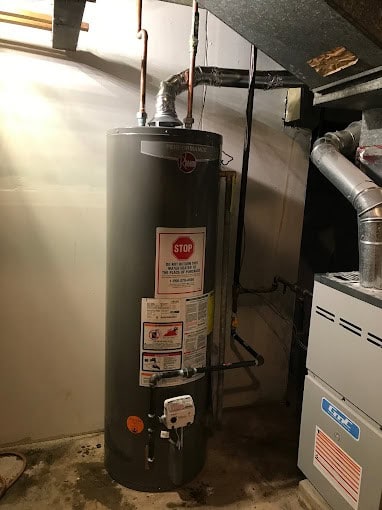
Tankless water heater installation in Cook County runs $1,400-$7,400 depending on fuel type, existing infrastructure, and unit size—but understanding what drives those costs helps you budget smarter.
Share:
Request a Callback
Want to skip the wait?
Simply enter your contact details, and we’ll call you when a Go Rooter Advisor becomes available.
Summary:
You’re standing in front of your water heater wondering if this is the year it finally gives out. Maybe you’ve already run out of hot water mid-shower one too many times. Maybe your energy bills keep climbing. Or maybe you just want to know what you’re actually looking at cost-wise before the thing dies on a Sunday morning.
Tankless water heater installation costs anywhere from $1,400 to $7,400 in 2026, and that range isn’t random. It depends on whether you’re going gas or electric, what your home’s current setup looks like, and how much work needs to happen before the new unit goes in. Let’s walk through what actually affects the price and what you’re getting for it.
The sticker price on a tankless unit is only part of the equation. Installation costs shift based on fuel type, your home’s infrastructure, and whether you’re swapping out a similar system or converting from a traditional tank.
Gas tankless systems typically run $2,000 to $3,800 installed in 2026. They deliver higher flow rates, which works better for larger households running multiple showers or appliances at once. Electric tankless units cost less upfront—usually $1,200 to $2,500 total—because they don’t need gas line work or complex venting. But they may struggle to keep up if your household uses a lot of hot water simultaneously.
Labor alone accounts for $600 to $2,500 of your total bill. That covers removing your old unit, installing the new one, and making sure everything meets Cook County code requirements. If your home needs upgrades to handle a tankless system, those costs stack on top.
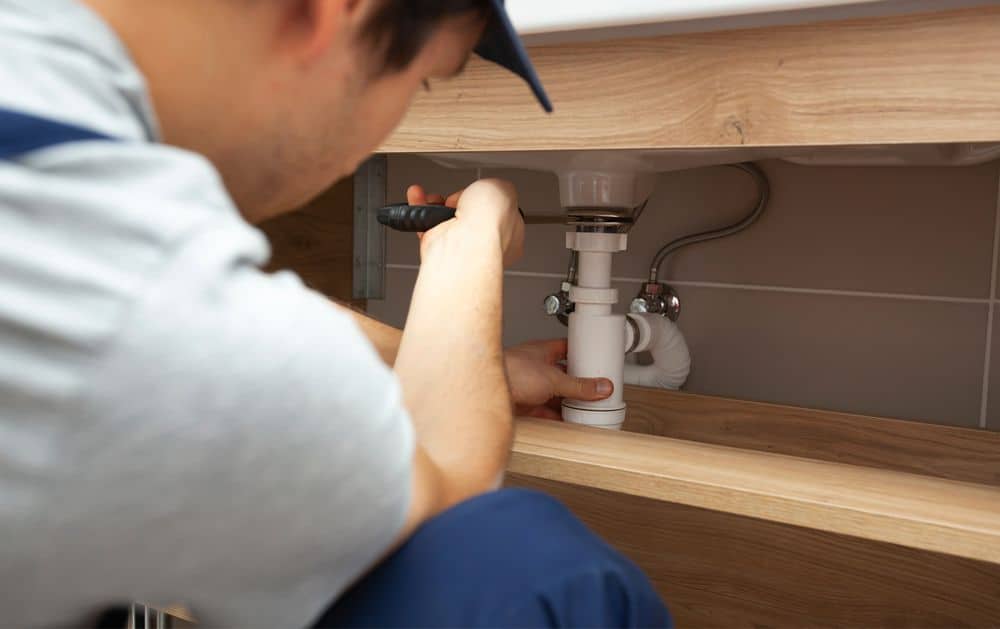
Most older homes weren’t built with tankless water heaters in mind. If you’re switching to gas tankless, your existing half-inch gas line probably won’t cut it. Many tankless units need a three-quarter-inch line to deliver enough fuel. Upgrading that line costs $350 to $2,000 depending on how far the run goes from your meter.
Electric tankless systems pull serious power—often requiring dedicated 40 to 60 amp circuits. If your electrical panel is already maxed out, you’re looking at a panel upgrade that runs $850 to $1,700. That’s not a maybe. It’s a requirement to run the system safely.
Venting adds another layer. Gas tankless units need either direct venting through an exterior wall or power venting through the roof. Condensing models use cheaper PVC pipe. Non-condensing units require stainless steel, which costs more. Venting work typically adds $100 to $600 to your project.
Then there’s the permit. Cook County requires plumbing permits for water heater installations and alterations. Permit fees run $25 to $300 depending on the scope of work. Some contractors include this in their quote. Others don’t. Ask upfront so you’re not surprised later.
Old unit removal is another variable. Some installers include it in their labor rate. Others charge separately. If your old tank is in a tight basement or needs to be hauled up stairs, expect to pay a bit more for the hassle.
Tankless water heaters are sized by gallons per minute, or GPM. A small household might get by with a 2 to 3 GPM unit. A family running showers, dishwashers, and laundry simultaneously needs 7 to 9 GPM or higher. Higher flow rates mean bigger units and higher price tags.
Budget models start around $600 to $1,000 for the unit alone. Mid-range systems with better efficiency ratings and longer warranties run $1,000 to $2,000. High-end units with smart controls, Wi-Fi connectivity, and premium heat exchangers can push $2,500 to $3,000 before installation even starts.
Brand matters too, but not always in the way you’d think. A longer warranty often signals better construction quality—thicker insulation, larger heating elements, more durable components. Those features help the unit last longer and resist hard water damage, which is a real issue in the Chicago area.
Undersizing your unit to save money upfront usually backfires. If your tankless can’t keep up with demand, you’ll end up with lukewarm water during peak usage times. That defeats the whole point of going tankless in the first place. A properly sized system costs more now but delivers consistent performance for the next 15 to 20 years.
Cook County’s cold groundwater also affects performance. Water entering your home in January is a lot colder than in July. Your tankless unit has to work harder to bring that water up to temperature, which means you need a system with enough capacity to handle winter demand without leaving anyone standing under a cold shower.
Want live answers?
Connect with a Go-Rooter Emergency Plumbers expert for fast, friendly support.
Traditional tank water heaters last 8 to 12 years on average. Gas models sometimes fail as early as 6 years, especially in areas with hard water like Cook County. Tankless systems run 15 to 20 years, and some well-maintained units push 25 to 30 years.
That lifespan difference matters when you’re deciding whether to repair your current system or replace it entirely. If your tank is 10 years old and needs a $600 repair, you’re likely throwing money at a unit that’ll fail again soon. If it’s 5 years old and the fix is minor, repair makes more sense.
The 50 percent rule helps clarify the decision. If your repair costs more than half the price of a new water heater, replacement usually wins. A $400 thermostat repair on a 12-year-old tank? Replace it. A $150 heating element fix on a 4-year-old unit? Repair it and move on.
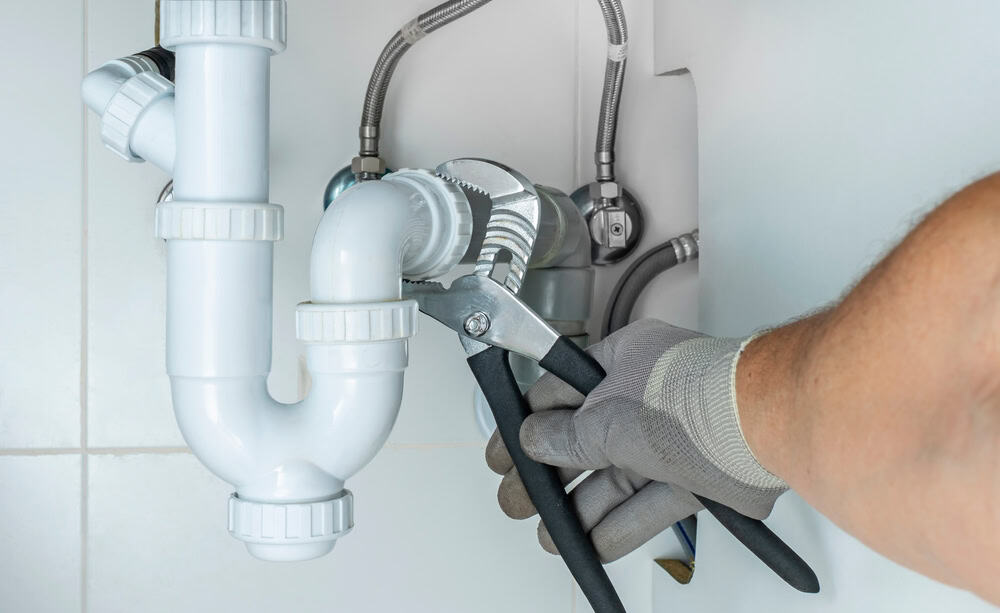
Gas water heaters typically last 8 to 12 years, but several factors can shorten that timeline. Hard water is the biggest culprit. Chicago-area water contains high levels of calcium and magnesium. When heated, those minerals solidify and settle at the bottom of your tank. Over time, that sediment layer insulates the water from the heating element, forcing your system to work harder and wear out faster.
Sediment also corrodes the tank itself. Once rust starts eating through the steel, there’s no fixing it. You’ll see rusty water coming from your hot taps, or you’ll notice puddles forming around the base of the tank. Both mean the same thing: the tank is done.
The anode rod is your tank’s first line of defense against corrosion. It’s designed to attract corrosive elements so they eat the rod instead of the tank. But once the rod deteriorates completely, your tank becomes the target. Most manufacturers recommend checking and replacing the anode rod every 3 to 5 years. Most homeowners never do.
Frequency of use also plays a role. A household that runs multiple showers, does several loads of laundry, and runs the dishwasher daily puts more strain on the system than a couple who uses hot water sparingly. Higher demand means more heating cycles, which accelerates wear on components like the burner, thermostat, and tank lining.
Location matters too. Water heaters installed in unheated garages or crawl spaces work harder because they’re constantly fighting cold ambient temperatures. That extra effort shortens lifespan. Units in conditioned basements or utility rooms tend to last longer because they’re not exposed to temperature extremes.
Gas water heaters also have more components that can fail—pilot lights, thermocouples, gas control valves, and exhaust venting systems. Each additional part is another potential failure point. Electric models have fewer moving parts, which is why they sometimes outlast gas units by a year or two.
Some problems are fixable. Others are red flags that replacement is the only real option. Knowing the difference saves you from throwing money at a dying system.
A leaking tank is non-negotiable. If water is pooling around the base of your water heater, the tank itself has corroded through. No repair exists for that. The unit needs to be replaced immediately before it floods your basement or utility room.
Age is another clear indicator. If your water heater is 10 years old or older and experiencing any issues—inconsistent temperatures, strange noises, discolored water—replacement makes more financial sense than repair. You’re not just fixing the current problem. You’re buying time before the next failure, which could be weeks or months away.
Rusty or discolored hot water signals internal corrosion. If you’re seeing orange or brown water only when using hot taps, the problem is inside your water heater tank. Once corrosion starts, it spreads. Flushing the tank might clear things temporarily, but the damage is already done.
Frequent repairs are a warning sign too. If you’ve called a plumber twice in the past year for water heater issues, you’re likely dealing with a system that’s failing piece by piece. Those repair costs add up fast, often exceeding what you’d pay for a new unit.
Rising energy bills without a corresponding increase in usage suggest your water heater is losing efficiency. Sediment buildup forces the system to work harder to heat water. Worn-out heating elements or thermostats do the same. At a certain point, you’re paying more to run an inefficient system than you’d spend on monthly payments for a new, energy-efficient unit.
Strange noises—rumbling, popping, banging—usually mean sediment has built up at the bottom of the tank. Flushing can help if caught early. But if the noises persist after flushing, or if they’re accompanied by other symptoms like inconsistent temperatures or leaks, the tank is likely too far gone.
Preventative maintenance is the difference between a water heater that lasts 8 years and one that pushes 15. Regular tune-ups cost $100 to $500 depending on what’s included, but they catch small problems before they become expensive failures.
Annual flushing removes sediment buildup that reduces efficiency and corrodes the tank. For tankless systems, this process is called descaling, and it’s even more critical. Mineral deposits inside a tankless heat exchanger can cause the unit to fail prematurely. Most professionals recommend flushing tankless units once a year, more often if you have hard water. That service runs $150 to $350.
Traditional tank systems benefit from annual flushing too, which costs $75 to $200. The process involves draining several gallons from the tank to clear out sediment that’s settled at the bottom. It’s straightforward work, but it makes a measurable difference in how efficiently your system runs and how long it lasts.
Article details:
Share:
Continue learning:
Request a Callback
Want to skip the wait?
Simply enter your contact details, and we’ll call you when a NY Spine Advisor becomes available.