Wondering what water heater replacement actually costs in Chicago? Get the real numbers, cost factors, and why upfront pricing matters when your hot water goes cold.
Share:
Request a Callback
Want to skip the wait?
Simply enter your contact details, and we’ll call you when a Go Rooter Advisor becomes available.
Summary:
Your water heater just quit. Maybe you noticed rust-colored water last week, or the morning shower turned ice-cold halfway through. Now you’re searching for answers about replacement costs, trying to figure out if that quote you got is fair or inflated.
Here’s the reality: water heater replacement in Chicago isn’t a one-price-fits-all situation. The cost depends on what you’re replacing, where it’s located, whether you’re switching fuel types, and who’s doing the work. This guide walks you through the actual numbers Chicago homeowners pay, what drives costs up or down, and why transparency matters when you’re making a decision that affects your home for the next 10 to 20 years.
Most Chicago homeowners pay between $800 and $2,500 for a standard water heater replacement. That’s the real-world range for a straightforward swap—same fuel type, similar size, accessible location. But the full spectrum runs from around $800 for a basic electric tank replacement to $8,500 for premium tankless systems with complex installation requirements.
The average sits around $1,143 for Cook County residents, though your specific situation might land higher or lower depending on several factors. Labor typically accounts for about half your total cost, with plumbers charging $45 to $200 per hour in the Chicago area. The higher labor rates reflect the city’s cost of living, which runs about 12% above the national average.
Understanding these baseline numbers helps you spot inflated quotes or unrealistically low bids. Both should raise questions. The cheapest option often cuts corners on permits, proper disposal, or code compliance—problems that cost you more later. The goal isn’t finding the lowest price; it’s getting fair value for professional work that protects your home.
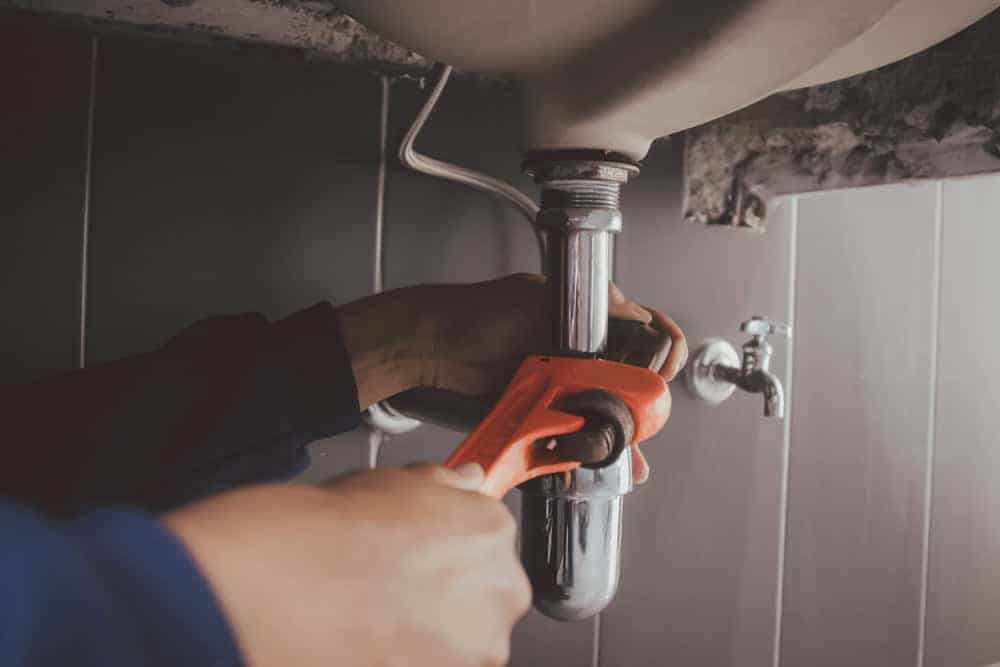
Tank-style water heaters remain the most common choice in Chicago homes, and they’re generally the most affordable to replace. A standard 40 to 50-gallon gas tank replacement typically costs $1,600 to $2,500 installed. Electric tanks run slightly less upfront but may cost more to operate long-term, landing in the $1,600 to $2,200 range for a 50-gallon unit.
Tankless water heaters cost significantly more upfront—usually $2,000 to $4,500 for the complete installation. That’s two to three times what you’d pay for a traditional tank. The higher price reflects both the unit cost and more complex installation requirements. Tankless systems often need upgraded gas lines, new venting configurations, or electrical panel modifications to handle the power demand.
About 80% of Chicago homes use natural gas for heating, which makes gas water heaters the dominant choice locally. Gas units heat water faster than electric models and typically cost less to operate in Chicago’s market. But if your home doesn’t already have gas service, the cost to run a new gas line can add $500 to $2,000 to your project. Converting from electric to gas—or vice versa—always increases installation complexity and labor costs.
The fuel source decision isn’t just about upfront cost. Chicago’s brutal winters mean your water heater works harder for several months each year. Incoming water temperatures drop near freezing during winter, forcing your system to work significantly harder to reach desired temperatures. Gas units generally handle this seasonal demand better than electric, though newer heat pump electric models offer impressive efficiency if you’re willing to invest more upfront.
Size matters too, but most Chicago households don’t need massive capacity. The average household size here is just 2.2 people, meaning a 30 to 40-gallon tank typically handles daily demand without issue. Larger families or homes with multiple bathrooms running simultaneously might need 50 to 80-gallon tanks, which cost more both for the unit and installation labor.
Where your water heater sits in your home directly affects what you’ll pay for replacement. Basement installations offer the easiest access and lowest labor costs. We can work comfortably, equipment fits through standard doorways, and there’s usually room to maneuver a 100+ pound tank into position.
Attic installations tell a different story. Tight access, awkward angles, and safety concerns add $200 to $1,000 in additional labor. Crawl spaces, closets, or locations requiring code-required upgrades to flue venting or gas line size all increase complexity—and cost. If we need to spend extra time wrestling a tank through narrow spaces or reinforcing floor supports, you’re paying for that time.
Switching fuel types compounds installation complexity. Converting from electric to gas requires running a new gas line, which alone costs $500 to $2,000 depending on distance from your gas meter. You’ll also need new venting to safely exhaust combustion gases. Going from gas to electric means electrical panel upgrades and dedicated circuits, typically $250 to $900 in additional work.
Even staying with the same fuel type doesn’t guarantee a simple swap. Newer plumbing codes in Chicago and across Cook County require thermal expansion tanks on closed-loop water systems. These cost $50 to $150 installed and aren’t optional—they’re legitimate code requirements. If your pressure reducing valve is old or out of spec, that’s another $200 to $400 for replacement. We disclose these requirements upfront and explain why they’re necessary, not upsells.
Disposal of your old unit adds another $250 to $800 to the project. That’s not just hauling it away; it’s proper disposal that meets environmental regulations. Some contractors include this in their quote, others charge separately. Always ask what’s included before comparing prices.
The installation timeline varies too. Standard tank replacements typically take 2 to 4 hours for straightforward jobs. Tankless installations can stretch to 4 to 8 hours due to additional venting, gas line work, or electrical modifications. We offer same-day installation for emergencies, though you might pay premium rates for after-hours or weekend service.
Want live answers?
Connect with a Go-Rooter Emergency Plumbers expert for fast, friendly support.
The tank versus tankless decision isn’t just about upfront cost—it’s about how you use hot water, how long you plan to stay in your home, and what you value more: lower initial investment or long-term savings.
Traditional tank water heaters store 30 to 80 gallons of hot water, keeping it ready for whenever you need it. They cost less upfront, install more easily, and handle simultaneous hot water demands better than most tankless units. If your household runs the dishwasher while someone showers and another person washes hands, a properly-sized tank handles that without issue.
The downside? Tanks constantly reheat stored water to maintain temperature, even when nobody’s using it. That standby heat loss accounts for 10 to 15% of your water heating costs. In Chicago’s climate, where basement temperatures drop in winter, that inefficiency gets worse. Tanks also have a finite supply—once you drain the 50 gallons, you’re waiting 30 to 60 minutes for recovery.

Tankless water heaters eliminate standby heat loss by heating water only when you turn on a faucet. For homes using 41 gallons or less of hot water daily, they can be 24% to 34% more energy efficient than conventional tanks. Even homes with higher usage—around 86 gallons per day—still see 8% to 14% efficiency gains.
Those efficiency numbers translate to real savings. The Department of Energy estimates homeowners save approximately $100 per year on energy costs with tankless versus tank systems. Over the unit’s lifespan, that adds up. Tankless systems last 15 to 20 years, nearly double the 8 to 12-year lifespan of tank heaters. In Chicago specifically, hard water can reduce tank lifespans by an additional 2 to 3 years without regular maintenance, making the longevity advantage of tankless even more pronounced.
But tankless isn’t perfect for every situation. They struggle with simultaneous high-demand scenarios. Running two showers, the dishwasher, and the washing machine at the same time can overwhelm a single tankless unit’s flow rate of 2 to 5 gallons per minute. Gas-fired tankless units produce higher flow rates than electric, but even the largest models might not supply enough for large households with peak simultaneous usage.
The payback period matters. If you’re spending an extra $1,500 to $3,000 for tankless installation and saving $100 annually on energy, you’re looking at 15 to 30 years to break even through energy savings alone. That math works if you’re staying in your home long-term and value the endless hot water supply. It doesn’t pencil out if you’re planning to sell in five years.
Installation requirements for tankless also deserve consideration. Many Chicago homes built before 2000 need gas line upgrades to supply the larger burners with adequate fuel. Your existing gas line might handle a tank water heater fine but fall short for tankless demand. Electrical upgrades for electric tankless models can be even more extensive, sometimes requiring panel upgrades or dedicated high-amperage circuits.
Maintenance costs differ too. Tanks need annual flushing to clear sediment buildup—a $100 to $200 service. They also require anode rod replacement every 3 to 5 years at around $250 to $300. Tankless units need annual descaling, especially in Chicago’s hard water areas, typically costing $150 to $250 professionally. The difference isn’t dramatic, but tankless maintenance is more critical—skip it and you risk voiding your warranty or damaging the unit.
Chicago’s water supply and climate create specific challenges that affect both tank and tankless performance. The area’s hard water accelerates mineral buildup inside water heaters. For tanks, sediment settles at the bottom, covering heating elements or creating a barrier between the burner flame and water. This reduces efficiency and becomes much more noticeable in winter when your system already works harder.
That sediment buildup can shorten a tank’s lifespan by 2 to 3 years if you don’t flush it annually. Most homeowners skip this maintenance, then wonder why their 8-year-old tank is already failing. Regular flushing isn’t optional in Cook County—it’s essential for getting anywhere near the expected 10 to 12-year lifespan.
Tankless units face similar hard water challenges but handle them differently. Mineral deposits can clog the heat exchanger, reducing flow and efficiency. Annual descaling prevents this, but it’s a more technical process than flushing a tank. Some homeowners install water softeners to reduce mineral content before it reaches the water heater, adding another $800 to $2,500 to the overall investment.
Winter performance separates adequate systems from properly-sized ones. Incoming water temperatures in Chicago drop to near freezing during harsh winters. Your water heater must work significantly harder to heat 35-degree water to 120 degrees versus heating 55-degree water in summer. Undersized units struggle during peak winter demand, leaving you with lukewarm showers or running out of hot water faster than usual.
Gas water heaters generally handle Chicago’s winter demands better than electric. They heat water faster and aren’t affected by the dry winter air that can damage electronic controls in some systems. But proper sizing matters regardless of fuel type. We account for Chicago’s climate when recommending capacity, not just household size.
The basement location common in Chicago homes also affects performance. Unheated basements in winter mean your water heater sits in a much colder environment, increasing standby heat loss for tanks and making recovery times longer. Insulating your tank and surrounding pipes reduces this loss, typically costing $50 to $200 but paying for itself through lower energy bills.
The temptation to save money with DIY installation or the cheapest contractor is understandable. But water heater replacement isn’t a project where cutting corners makes financial sense. Professional installation protects your warranty, your insurance coverage, your home’s resale value, and most importantly, your family’s safety.
Almost every manufacturer requires licensed professional installation for warranty validity. Install it yourself and that 5 to 10-year parts warranty disappears on a $1,000 to $2,000 unit. Homeowner’s insurance policies often won’t cover water damage from unpermitted installations. If a DIY connection fails and floods your basement, you could face $8,000 to $15,000 in repairs with no insurance help.
Cook County requires plumbing permits for water heater installation, alteration, or repair. Permits typically cost $25 to $300 and ensure your installation meets current codes and receives proper inspection. Skipping permits can result in fines, failed home inspections when you sell, and insurance claim denials if something goes wrong. We handle the permitting process as part of our service.
The bigger risk is safety. Improper gas line connections, inadequate venting, or incorrect pressure testing can create carbon monoxide hazards. Carbon monoxide is invisible and odorless—it can poison your family for weeks before anyone realizes something’s wrong. Electric installations carry risks of shock or fire if wiring isn’t correct. These aren’t theoretical dangers; they’re documented causes of property damage and death.
At Go-Rooter Emergency Plumbers, we provide the upfront pricing, professional installation, and code-compliant work that protects your investment. Same-day service means you’re not stuck without hot water during a Chicago winter. Transparent estimates before work begins eliminate surprise charges. And our licensed, insured professionals ensure the job is done right the first time, with permits, proper disposal, and guaranteed customer satisfaction.
Water heater replacement is an investment in your home’s comfort and functionality. Making that investment with a company that values transparency and long-term solutions over quick fixes gives you the peace of mind that comes from knowing it’s done right.
Article details:
Share:
Continue learning:
Request a Callback
Want to skip the wait?
Simply enter your contact details, and we’ll call you when a NY Spine Advisor becomes available.