
Catch basins protect Chicago properties from seasonal flooding, but they need regular cleaning to work. Learn what catch basin cleaning involves and why it matters for Cook County homes.
Share:
Request a Callback
Want to skip the wait?
Simply enter your contact details, and we’ll call you when a Go Rooter Advisor becomes available.
Summary:
Standing water in your driveway after a light rain. That faint smell near the storm drain that won’t go away. Water that takes hours to disappear when it used to drain in minutes. If any of this sounds familiar, your catch basin might be trying to tell you something. In Cook County, where spring thaws and summer storms can dump inches of rain in hours, a clogged catch basin isn’t just an inconvenience—it’s a flood waiting to happen. Understanding what catch basins do and how to maintain them can save you from waking up to a flooded basement or a yard that’s turned into a pond. Let’s start with what these systems actually are and why Chicago properties rely on them.
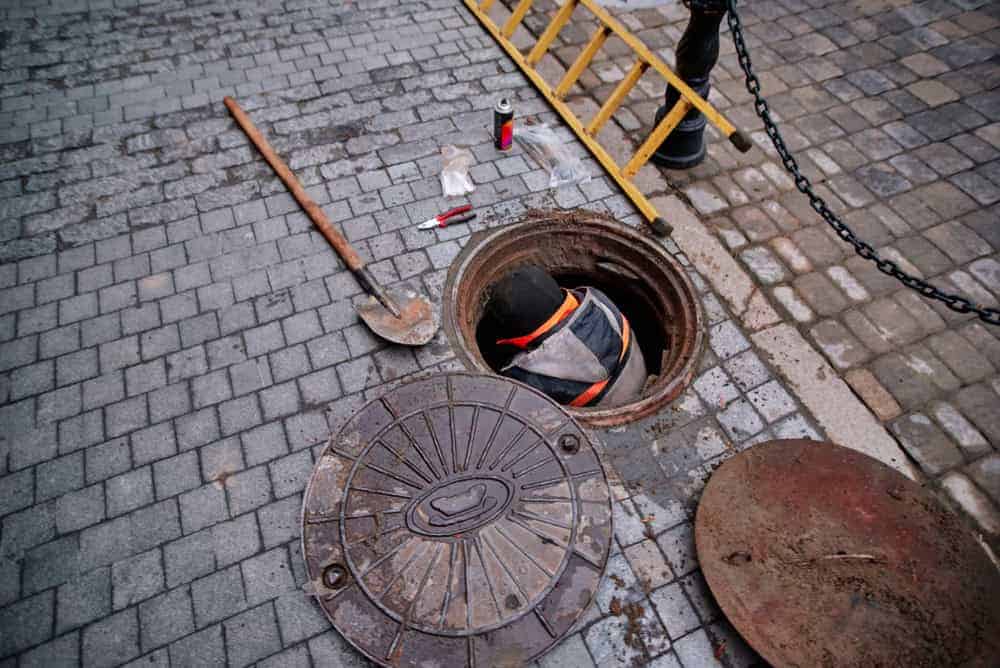
A catch basin is basically an underground box with a job: collect rainwater and debris before they flood your property or clog your drainage system. You’ve seen them—those grated openings in driveways, parking lots, and along streets. What you don’t see is the chamber underneath doing the heavy lifting.
Here’s how it works. Water flows through the grate into the basin below. Heavier debris—leaves, dirt, sediment—sinks to the bottom of a collection area called a sump. Cleaner water near the top flows out through a pipe that connects to your drainage system or storm sewer. It’s a simple design that keeps the junk out of your pipes and the water moving where it needs to go.
The catch basin acts like a filter and a trap at the same time. Without it, every leaf, twig, and piece of trash would head straight into your drainage pipes. Over time, those pipes would clog. Then you’re dealing with backups, standing water, and repairs that cost a whole lot more than routine maintenance.
Chicago wasn’t built on solid ground. The flat landscape that makes the city what it is also makes it naturally flood-prone. Much of the area was originally marshland with slow-moving rivers that flooded regularly. Add in the fact that an estimated 42% of Cook County is now covered in impervious surfaces—driveways, streets, parking lots, roofs—and you’ve got water that has nowhere to go except where you don’t want it.
The city has always dealt with flooding, but it’s getting worse. Since the 1990s, Illinois has experienced above-average spring and summer precipitation. More importantly, extreme precipitation events—days when two or more inches of rain fall—have increased significantly in recent decades. Climate change is making thunderstorms stronger, and Chicago’s aging sewer system struggles to keep up. In 2023, storms dropped 8 to 9 inches of rain in a short period on the West Side, South Side, and nearby suburbs. Sewers were overwhelmed. Tens of thousands of homes flooded.
That’s where catch basins come in. They’re your first line of defense. When heavy rain hits, catch basins collect that runoff before it pools on your property or rushes toward your foundation. They give the water somewhere to go and trap the debris that would otherwise clog your entire drainage system. For Chicago properties dealing with spring thaws that send snowmelt rushing across frozen ground and summer storms that arrive with zero warning, a working catch basin isn’t optional. It’s essential.
But here’s the thing: catch basins only work when they’re clean. Over time, all that debris they’re designed to trap builds up. Leaves compact. Sediment settles. Eventually, the sump fills to the point where water can’t flow out properly. That’s when you get standing water, slow drainage, and the kind of flooding that catch basins are supposed to prevent. Which brings us to why cleaning them matters so much.
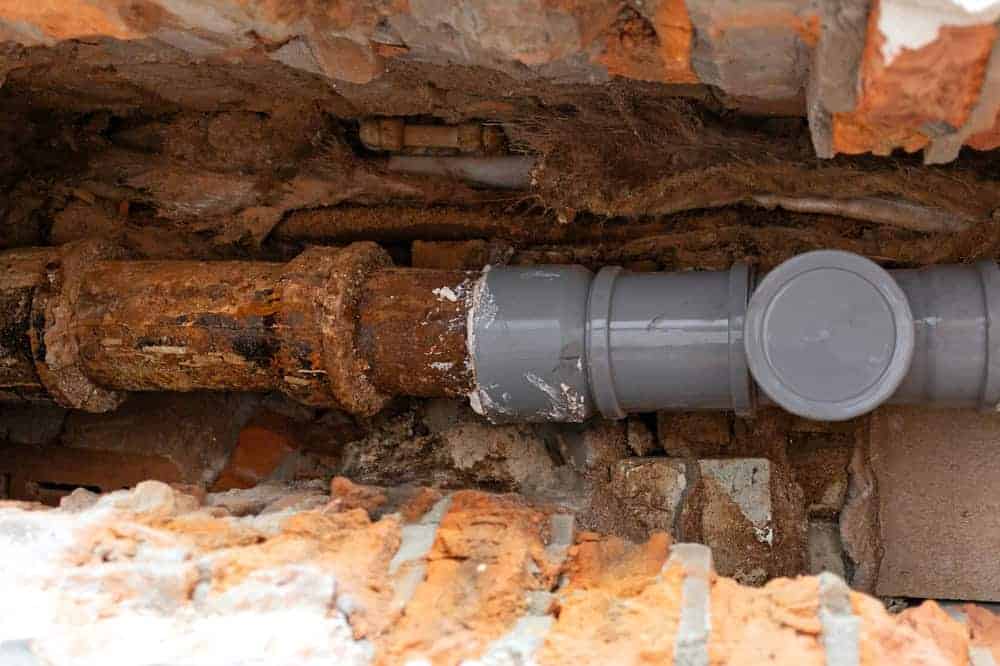
Catch basin cleaning isn’t something you can handle with a rake and a bucket. The debris that needs removing isn’t just sitting on top—it’s compacted at the bottom of the basin, sometimes mixed with grease, sludge, and sediment that’s been building up for months or years. Professional cleaning uses specialized equipment to remove all of it, not just the surface layer.
The process starts with a vacuum truck. Think of it like a giant shop vac designed specifically for this kind of work. Our technicians remove the grate, then use the vacuum to pull out the standing water and debris from the sump. This includes the heavy, compacted sludge at the bottom that’s impossible to remove any other way. Some jobs also involve hydro jetting—using high-pressure water to break up stubborn blockages and clean the walls of the basin.
Once everything’s removed, the debris gets transported off-site and disposed of at a licensed facility. This isn’t something you can just dump in a trash can. The material removed from catch basins is considered special waste in Illinois, and it has to be handled according to EPA regulations. We take care of that compliance piece, so you don’t have to worry about fines or environmental violations.
The best part about professional cleaning is what happens after. We use camera inspections to check the condition of your drainage system while we’re there. We can spot cracks, structural issues, or problems with connected pipes before they turn into emergencies. That’s the difference between preventative maintenance and waiting until something breaks. You’re not just cleaning the basin. You’re making sure the whole system is ready for the next storm.
For most Chicago properties, catch basin cleaning should happen every one to two years. If your property has a lot of trees or sits at the bottom of a slope where water naturally collects, annual service makes more sense. The frequency depends on how much debris your basin collects and how hard your drainage system works during storm season.
Want live answers?
Connect with a Go-Rooter Emergency Plumbers expert for fast, friendly support.
Catch basins don’t fail overnight. They give you warning signs. The problem is, most people don’t know what to look for until water’s already pooling where it shouldn’t be. Recognizing the early signs means you can schedule maintenance before you’re dealing with a flooded yard or a basement full of water.
The most obvious sign is standing water. If water pools around your catch basin after a light rain and takes longer than usual to drain, something’s blocking the flow. It might be debris piled up in the sump. It might be sediment that’s risen to the level of the outlet pipe. Either way, the basin isn’t doing its job.
Slow drainage is another red flag. Water that used to disappear in minutes now sits for hours. That tells you the system is partially clogged. It’s still working, but not efficiently. Left alone, a partial clog becomes a complete blockage. Then you’re not dealing with slow drainage—you’re dealing with no drainage.
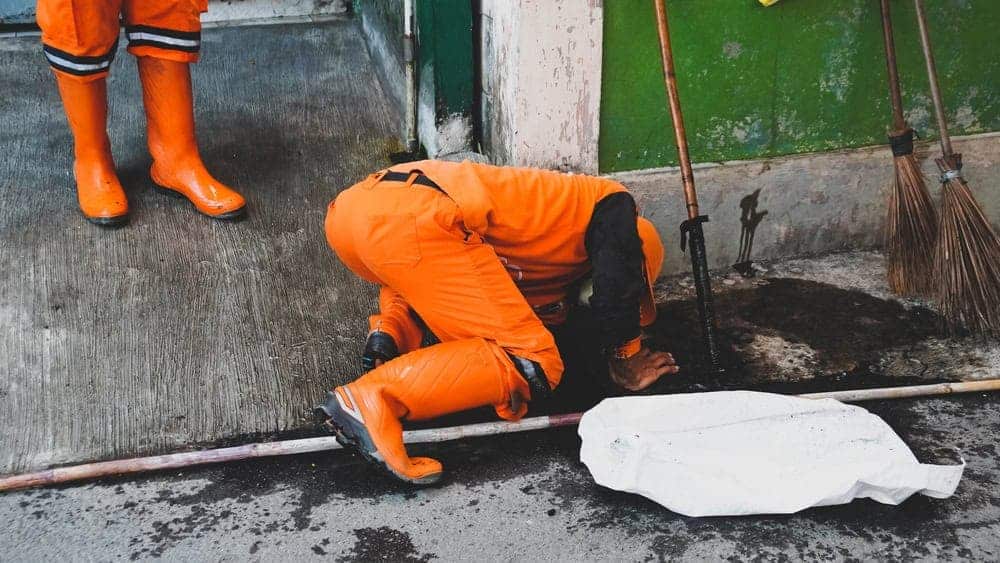
Foul odors near your catch basin are more than unpleasant—they’re a sign that organic matter is decomposing inside. Leaves, grass clippings, and other debris break down over time, especially in warm weather. When that material sits in standing water, it starts to rot. The smell is your catch basin telling you it’s overdue for cleaning.
The odor issue goes beyond being a nuisance. Decomposing organic matter attracts pests. Mosquitoes love standing water, and a clogged catch basin creates the perfect breeding ground. If you notice an increase in mosquitoes or other insects around your property, check your catch basin. Stagnant water and debris create conditions that pests thrive in.
Visible debris is another clear indicator. If you can see leaves, trash, or sediment piled up on the grate or just inside the basin, that’s a problem. The grate is supposed to catch large debris, but when it’s covered, water can’t get through. Smaller debris that makes it past the grate settles in the sump. Over time, that accumulation reduces the basin’s capacity until it can’t handle even moderate rainfall.
Here’s what a lot of people miss: the problem isn’t always at the catch basin itself. Sometimes the issue is at the other end of the system. The outlet pipe that carries water away from the basin can get clogged with roots, debris, or sediment. When that happens, water backs up into the basin even if the basin itself is relatively clear. Professional cleaning addresses both ends of the system—the basin and the pipes it connects to—so you’re not just moving the problem somewhere else.
If you’re seeing any combination of standing water, slow drainage, foul odors, visible debris, or increased pests, don’t wait. Schedule an inspection. The longer you wait, the worse it gets. And the worse it gets, the more expensive it becomes to fix.
There’s a difference between regular upkeep and the kind of cleaning that requires professional equipment. Understanding that difference can save you time, money, and frustration.
You can handle some basic maintenance yourself. Clearing leaves and debris from the grate is straightforward. Keep the area around the catch basin clean and free of grass clippings, mulch, or anything else that might wash into the basin during a storm. If you notice trash or larger items stuck in the grate, pull them out. These simple steps help prevent surface-level clogs and keep water flowing into the basin.
But that’s where DIY stops being effective. The real problem—the heavy, compacted sludge at the bottom of the basin—is impossible to remove without specialized vacuum equipment. You can’t reach it with a rake. A garden hose won’t budge it. Trying to clean it yourself with a shop vac or bucket might remove some surface water, but you’re not addressing the buildup that’s actually causing the problem.
Professional cleaning removes the entire column of debris. That includes sediment that’s settled at the bottom, grease that’s accumulated from runoff, and any blockages in the outlet pipe. It’s thorough work that restores the basin to full capacity. It’s also the only way to make sure the system is ready for the next heavy rain.
There’s another reason to call professionals: safety and compliance. Catch basins can contain hazardous materials depending on what’s washed into them. Oils, chemicals, and other pollutants need to be disposed of properly. We handle that disposal according to Illinois EPA requirements, so you don’t have to worry about violating environmental regulations or creating a health hazard.
If your catch basin is showing signs of a serious clog—standing water that won’t drain, persistent odors, or visible overflow—give us a call. We have the equipment, the expertise, and the licensing to handle the job correctly. Plus, with 24/7 availability and same-day service, you’re not waiting days for help when flooding is a real risk.
Catch basins are easy to ignore until they stop working. Then they become impossible to ignore. The good news is that regular maintenance keeps them functioning the way they’re supposed to—quietly, efficiently, and without turning your property into a flood zone every time it rains.
For Chicago and Cook County homeowners, catch basin cleaning isn’t just about avoiding standing water. It’s about protecting your foundation, your landscaping, and your property value. It’s about being ready for the spring thaws and summer storms that this region is known for. And it’s about choosing preventative maintenance over emergency plumbing repairs that cost ten times as much.
If it’s been more than a year since your catch basin was professionally cleaned—or if you’re seeing any of the warning signs we’ve talked about—don’t wait for the next storm to find out if your system can handle it. We serve Chicago and all of Cook County with the equipment, expertise, and availability you need to keep your drainage systems working. Contact us to schedule an inspection or cleaning. Your catch basin might not be glamorous, but it’s doing important work. Make sure it can keep doing it.
Article details:
Share:
Continue learning:
Request a Callback
Want to skip the wait?
Simply enter your contact details, and we’ll call you when a NY Spine Advisor becomes available.