Hydro jetting blasts away years of grease, roots, and buildup using high-pressure water—delivering a deeper clean than snaking ever could.
Share:
Request a Callback
Want to skip the wait?
Simply enter your contact details, and we’ll call you when a Go Rooter Advisor becomes available.
Summary:
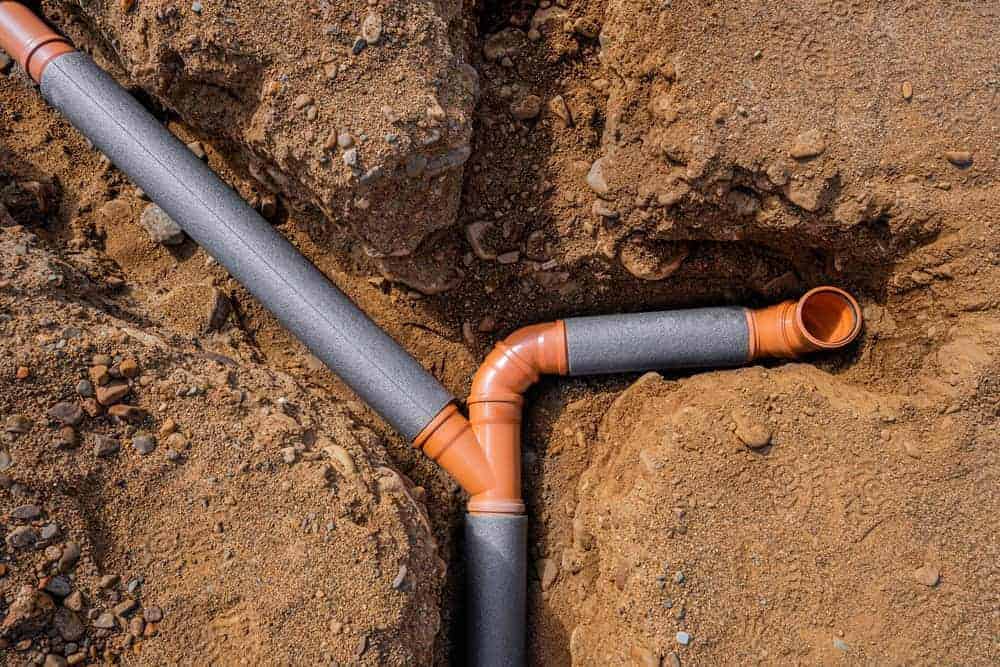
If you’ve dealt with the same slow drain three times this year, you already know that plunging and pouring chemicals down the sink isn’t fixing the problem. You’re treating the symptom, not the cause. That buildup on your pipe walls is still there, and it’s only getting worse.
Hydro jetting is different. It’s not a temporary patch. It’s a high-pressure water cleaning method that scours your pipes from the inside out, removing the grease, roots, scale, and gunk that snaking leaves behind. It’s what professionals use when the clog keeps coming back—or when it never really left in the first place.
You’ll learn exactly how the process works, when it makes sense for your situation, and whether your pipes can safely handle the pressure.
Hydro jetting uses a specialized machine that pressurizes water and shoots it through a hose into your sewer or drain line. The nozzle at the end of that hose has multiple jets—some pointing forward to break through blockages, others angled backward to propel the hose deeper into the pipe, and side jets that scrub the walls clean as it moves.
The water pressure typically ranges from 1,500 to 4,000 PSI. For context, your garden hose runs at about 40 to 60 PSI. That kind of force can slice through tree roots, blast away years of hardened grease, and strip mineral deposits off pipe walls.
We insert the hose through a cleanout access point or drain opening. As the water jets fire, they push debris downstream and out of your system. The entire hydro jetting process usually takes one to three hours for a standard residential sewer line, depending on the severity of the blockage and the length of the pipe.
Snaking and hydro jetting are both drain cleaning methods, but they work in completely different ways. A drain snake—also called an auger—is a long, flexible cable with a cutting head that rotates to break through clogs. It punches a hole in the blockage so water can flow again. That’s it. The residue stuck to your pipe walls? Still there.
Hydro jetting doesn’t just create a path through the clog. It removes the clog entirely, along with everything else coating the inside of your pipes. That’s why it lasts longer. Snaking might get you a few months of relief. Professional hydro jetting can give you years, depending on what caused the problem in the first place.
Snaking is faster and cheaper upfront. It’s a solid choice for minor, one-off clogs in newer pipes. But if you’re calling a plumber every few months for the same issue, you’re not saving money—you’re just delaying the real fix. That’s where hydro jetting makes sense. It costs more initially, but it addresses the root cause instead of just managing symptoms.
There’s also the safety factor. Snaking involves a rotating metal cable that can catch on cracks in old pipes and make them worse. Hydro jetting uses water, which doesn’t put mechanical stress on the pipe itself—as long as the pipe is in decent shape to begin with. That’s why a camera inspection always comes first.
If your pipes are old, corroded, or already damaged, snaking might actually be the safer option. We’ll tell you that. A bad plumber will sell you a hydro jetting service without checking first.
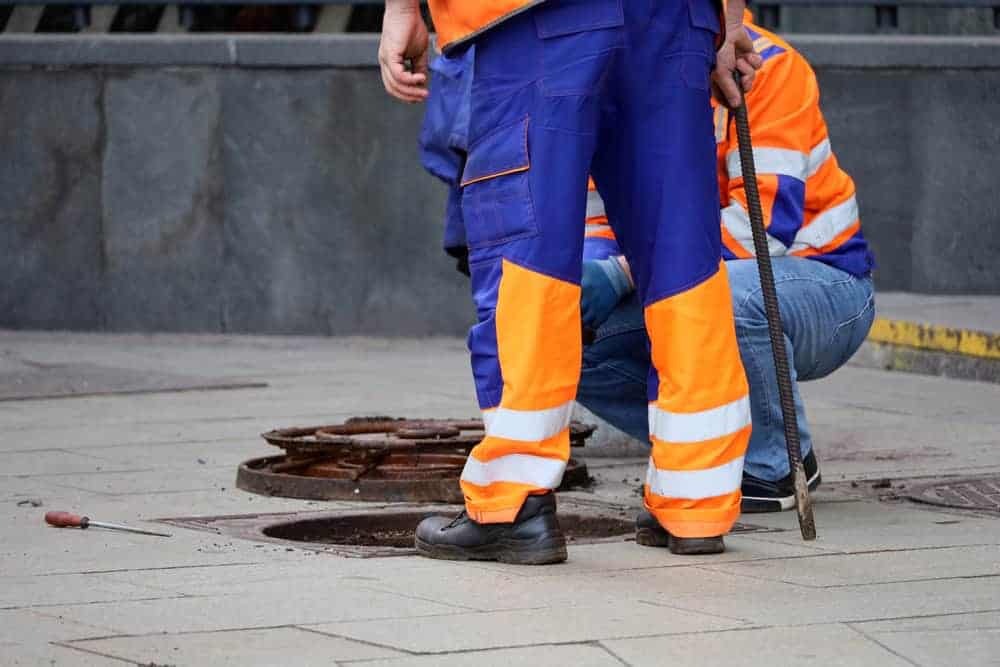
Sewer jetting is most commonly used to clear main sewer lines, which handle all the wastewater leaving your home. These lines are prone to serious buildup because everything eventually ends up there—grease from your kitchen, soap scum from your shower, hair, food particles, and even tree roots if there’s a crack or joint gap in the pipe.
Grease is one of the biggest culprits. It doesn’t just wash away. It cools, hardens, and sticks to pipe walls. Over time, it narrows the pipe diameter and traps other debris. Studies show that grease buildup is responsible for 40 to 50 percent of residential sewer backups. Snaking can poke through it, but it won’t remove it. Hydro jetting does.
Tree roots are another major issue, especially in Cook County, IL where mature trees line older neighborhoods. Roots are drawn to the moisture inside sewer pipes. Once they find a small crack or loose joint, they push their way in and keep growing. Eventually, they form a tangled mass that catches waste and causes backups. In some cases, they can even collapse the pipe entirely.
Hydro jetting can cut through smaller to medium-sized roots and flush them out of the system. For thicker root intrusions, we might use a mechanical rooter first to break up the mass, then follow up with hydro jetting to clean out the debris and scrub the pipe walls. It’s a one-two punch that handles what snaking alone can’t.
Mineral scale is less dramatic but just as problematic. Hard water leaves deposits that build up over time, especially in areas with high mineral content. These deposits reduce flow capacity and create rough surfaces where other debris can cling. Hydro jetting strips that scale away and restores the pipe to near-original diameter.
The bottom line: sewer jetting doesn’t just clear the blockage. It cleans the entire pipe, which is why the results last longer and why you’re less likely to end up with the same problem six months down the road.
Want live answers?
Connect with a Go-Rooter Emergency Plumbers expert for fast, friendly support.
Not every clog requires hydro jetting. If your kitchen sink is draining slowly because of a hairball or a buildup of soap scum, a plunger or a basic snake will probably handle it. But if you’re dealing with recurring backups, multiple slow drains, or warning signs that point to a main line issue, hydro jetting might be the right call.
You’ll know it’s time to consider a hydro jetting service if you’re experiencing the same problem over and over despite repeated service calls. That’s a sign that the underlying cause—whether it’s grease, roots, or scale—is still there. Another red flag is when multiple drains in your home are slow or backing up at the same time, which usually means the main sewer line is compromised.
Foul odors coming from your drains or yard, gurgling sounds when you flush the toilet, or water pooling in unexpected areas are all indicators of a deeper blockage. These aren’t issues you can fix with a bottle of drain cleaner. They require professional equipment and expertise.
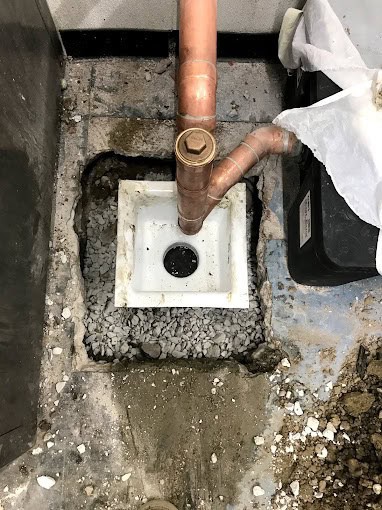
This is the question that stops most people. You’ve heard hydro jetting is powerful. You’ve got old pipes. You’re wondering if it’s going to crack them wide open and leave you with a five-figure repair bill. The answer depends entirely on the condition of your pipes—which is why we always start with a camera inspection.
Hydro jetting is safe for pipes that are in good condition. Modern PVC and copper pipes handle the pressure without issue. Even well-maintained cast iron can tolerate it, as long as there’s no significant corrosion. But if your pipes are already compromised—cracked, severely corroded, or brittle from age—the high-pressure water can make things worse.
Clay pipes and older cast iron are the biggest risk factors. Clay pipes, which were commonly used until the 1950s and 1960s, are strong against chemicals but brittle under pressure. Cast iron pipes, especially those installed before the 1970s, are prone to rust and corrosion that weakens them from the inside out. If the pipe is already fragile, hydro jetting can push it over the edge.
The camera inspection is non-negotiable. We feed a small video camera through your sewer line to check for cracks, joint separation, corrosion, and weak spots. If the pipe looks solid, hydro jetting is safe and effective. If the camera reveals damage, we’ll recommend a different approach—or let you know that repairs are needed before any cleaning can happen.
The myth that hydro jetting always damages old pipes comes from DIY attempts and inexperienced contractors who skip the inspection step. When done correctly by a trained professional who adjusts pressure based on pipe condition, hydro jetting is one of the safest and most effective methods available. It’s actually gentler on pipes than snaking in many cases, because there’s no rotating metal cable vibrating against pipe walls or catching on cracks.
If a plumber tries to sell you hydro jetting without offering a camera inspection first, that’s a red flag. Walk away.
Hydro jetting costs more upfront than snaking. For a standard residential sewer line, you’re typically looking at somewhere between $350 and $600 for a straightforward job. If you’ve got moderate tree root intrusion or a longer line, that number can climb to $900 or even $1,350. Severe cases with extensive root removal or pipe lining can push costs higher.
Snaking, by comparison, usually runs $150 to $450. It’s cheaper, it’s faster, and for a one-time clog, it gets the job done. But here’s the thing: if you’re calling a plumber every three to six months because the clog keeps coming back, those $200 service calls add up fast. After three visits, you’ve spent the same amount you would have on hydro jetting—except your pipes are still coated with the same buildup that caused the problem in the first place.
The hydro jetting cost is higher because it does more. It’s not just clearing a path through the blockage. It’s removing the blockage, plus everything else that’s been accumulating on your pipe walls for years. That’s why the results last longer. Instead of needing service every few months, you might not need it again for years—depending on what’s going into your drains and whether you’ve got tree roots nearby.
The value equation shifts even further when you factor in preventative maintenance. Restaurants and commercial properties with heavy grease use often schedule hydro jetting once or twice a year to avoid emergency backups. For homeowners with older pipes or recurring issues, an annual or biannual hydro jetting service can prevent the kind of catastrophic backup that floods your basement and costs thousands to clean up.
There’s also the hidden cost of damage. If you keep snaking a line without addressing the underlying buildup, you’re increasing the risk of a full blockage or even a pipe collapse. Emergency repairs are always more expensive than scheduled maintenance. A $600 hydro jetting service starts to look pretty reasonable when the alternative is a $5,000 sewer line replacement.
That said, hydro jetting isn’t always the answer. If your pipes are already damaged, you might need repairs or replacement before any cleaning method will work. If you’ve got a simple, isolated clog in a newer pipe, snaking is probably the smarter choice. The key is working with a plumber who’s willing to assess your situation honestly and recommend the solution that actually fits your needs—not just the one with the highest price tag.
Hydro jetting is a powerful, effective way to clear stubborn blockages and restore your pipes to near-new condition. It’s the right choice when you’re dealing with recurring clogs, heavy grease buildup, tree root intrusion, or when you want a long-term solution instead of a temporary fix. But it’s not a one-size-fits-all answer, and it’s not something you should attempt on your own.
The most important takeaway: always start with a camera inspection. That’s how you know whether your pipes can handle the pressure and whether hydro jetting is even necessary. We’ll show you the footage, explain what we’re seeing, and give you options that make sense for your situation.
If you’re in Cook County, IL and dealing with slow drains, recurring backups, or the kind of clog that keeps coming back no matter what you try, we can help. We offer camera inspections, professional hydro jetting services, and the kind of straightforward answers you need to make the right call for your home.
Article details:
Share:
Continue learning:
Request a Callback
Want to skip the wait?
Simply enter your contact details, and we’ll call you when a NY Spine Advisor becomes available.