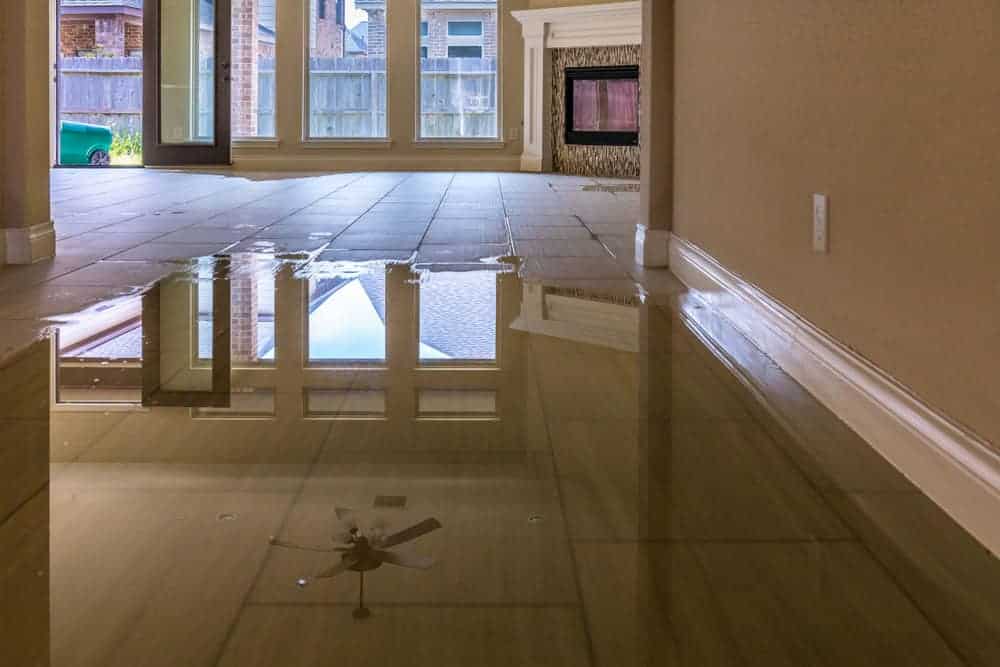
When your Chicago home floods from a burst pipe or sump pump failure, every minute counts. Here's exactly what to do right now to minimize damage and protect your property.
Share:
Request a Callback
Want to skip the wait?
Simply enter your contact details, and we’ll call you when a Go Rooter Advisor becomes available.
Summary:
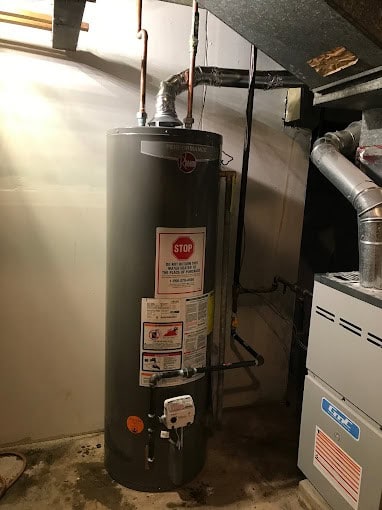
Before you do anything else, you need to stop more water from entering your home. If the flooding is from a plumbing issue inside your house—like a burst pipe, broken appliance, or failed water heater—your first move is to shut off the main water supply.
Your main water shut-off valve is typically located in your basement, near where the water line enters from the street. In Chicago homes, especially older ones, it’s usually on the wall facing the street, often near your water meter. Look for a valve with a round wheel handle or a lever-style ball valve.
If you can’t find it or access it safely, don’t waste time searching. Call your water utility or an emergency plumber in Chicago immediately—we can shut it off from outside.

Once you locate your main water shut-off valve, turning it off is straightforward, but you need to know which type you have. Chicago homes typically have one of two kinds.
If you have a gate valve, it looks like a round wheel, similar to an outdoor spigot. Turn it clockwise as far as it will go. These valves are common in older Chicago homes, and they can be stiff if they haven’t been used in years. Don’t force it if it’s stuck—you could break it and make things worse. Instead, call for help.
If you have a ball valve, it has a lever handle. When the handle is parallel to the pipe, water flows freely. Turn it 90 degrees so it’s perpendicular to the pipe, and the water stops. Ball valves are more common in newer homes and they’re easier to operate.
After you shut off the main valve, open a faucet on the lowest level of your home to drain any remaining water in the pipes. This relieves pressure and helps prevent additional leaks. If the flooding is from a specific fixture—like a toilet or sink—and you can access the individual shut-off valve for that fixture, turn it off first. That way you don’t have to cut water to your entire house.
One more thing. If your flooding is from outside sources—heavy rain, street flooding, or a water main break—shutting off your home’s water supply won’t help. In that case, focus on protecting your property and getting to safety.
Once you locate your main water shut-off valve, turning it off is straightforward, but you need to know which type you have. Chicago homes typically have one of two kinds.
If you have a gate valve, it looks like a round wheel, similar to an outdoor spigot. Turn it clockwise as far as it will go. These valves are common in older Chicago homes, and they can be stiff if they haven’t been used in years. Don’t force it if it’s stuck—you could break it and make things worse. Instead, call for help.
If you have a ball valve, it has a lever handle. When the handle is parallel to the pipe, water flows freely. Turn it 90 degrees so it’s perpendicular to the pipe, and the water stops. Ball valves are more common in newer homes and they’re easier to operate.
After you shut off the main valve, open a faucet on the lowest level of your home to drain any remaining water in the pipes. This relieves pressure and helps prevent additional leaks. If the flooding is from a specific fixture—like a toilet or sink—and you can access the individual shut-off valve for that fixture, turn it off first. That way you don’t have to cut water to your entire house.
One more thing. If your flooding is from outside sources—heavy rain, street flooding, or a water main break—shutting off your home’s water supply won’t help. In that case, focus on protecting your property and getting to safety.
Want live answers?
Connect with a Go-Rooter Emergency Plumbers expert for fast, friendly support.
Water and electricity are a deadly combination. Before you step into any flooded area, you need to cut power to that part of your home.
If you can safely reach your electrical panel without walking through standing water, turn off the breakers for the affected areas. If your entire basement is flooded and your electrical panel is down there, do not go near it. Call your utility company or an electrician to shut off power from outside, or wait for emergency responders to make it safe.
Standing water can be contaminated with sewage, chemicals, or bacteria, especially if the flooding involves a sewer backup. Protect yourself by wearing boots, gloves, and avoiding direct contact with the water whenever possible.
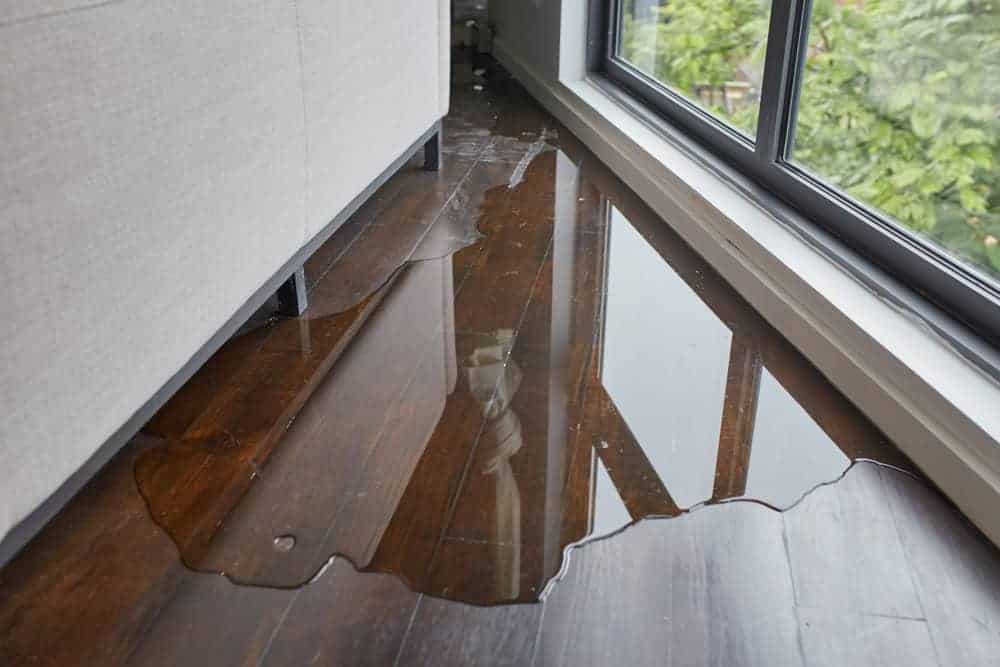
Not every flood requires evacuation, but you need to recognize when it’s time to leave. If water is rising rapidly, if you smell gas, if there’s any risk of electrocution, or if structural damage is visible, get out immediately and call 911.
For most plumbing-related floods in Chicago homes—a burst pipe, a failed sump pump, or an appliance leak—you can usually stay in your home once you’ve shut off the water and electricity. The key is making sure the situation is stable and not getting worse.
If you’re dealing with a slow leak or a contained flood in one room, you have time to act methodically. Move valuables and furniture away from the water. Pull up rugs and remove anything that can absorb moisture. Open windows if weather permits to increase airflow and start drying things out.
But if the water is coming in faster than you can manage, if it’s spreading to multiple rooms, or if you’re unsure about the source, don’t try to handle it yourself. That’s when you need a 24 hour plumber, and you need them fast.
One thing people often overlook is the risk of mold. Once water damage occurs, mold can start growing within 24 to 48 hours. The longer water sits, the more damage it causes—not just to your belongings, but to the structure of your home. Drywall, insulation, flooring, and even framing can be compromised if water isn’t removed quickly. Professional flooding cleanup becomes essential at this point.
Once you and your family are safe, grab your phone and start taking photos and videos of everything. Insurance companies need proof of damage, and the more documentation you have, the better your claim will go.
Take wide shots that show the extent of the flooding, then close-ups of damaged items, walls, floors, and any visible water lines. Capture where the water is coming from if you can identify the source. If you have receipts or records of valuable items that were damaged, gather those too.
Most homeowners insurance policies cover sudden and accidental water damage, like a burst pipe or appliance failure. But they typically don’t cover flooding from external sources like heavy rain or sewer backups unless you have specific riders or separate flood insurance. Knowing what your policy covers before disaster strikes makes this process much less stressful, but if you’re already in the middle of a flood, just document everything and sort out coverage details with your insurer later.
Don’t start throwing things away until your insurance company has had a chance to assess the damage. Yes, you want to clean up quickly to prevent mold, but you also need to preserve evidence for your claim. Take photos first, then remove items.
Keep a log of everything you do—when you discovered the flood, when you shut off the water, when you called for help, and what steps you took to mitigate damage. Insurance companies appreciate detailed records, and it can make the difference in how much of your claim gets approved.
You’ve stopped the water. You’ve protected your home as best you can. Now it’s time to get professional help to fix the problem and prevent it from happening again.
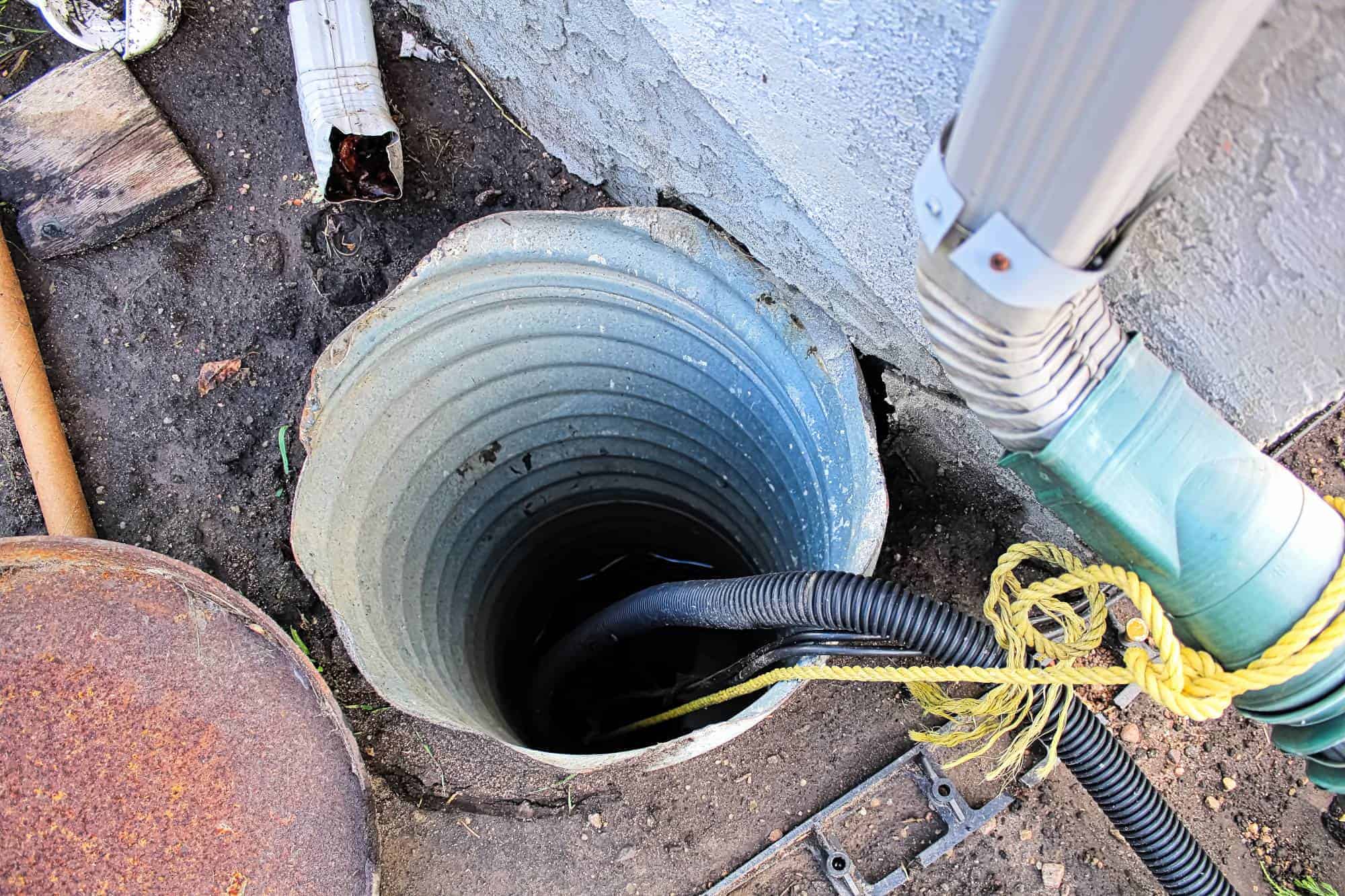
Plumbing emergencies don’t wait for business hours, and neither should your plumber. Whether it’s a burst pipe at 3 AM, a sump pump failure during a storm, or a sewer backup on a holiday weekend, you need someone who can respond fast and fix it right. That’s where we come in.
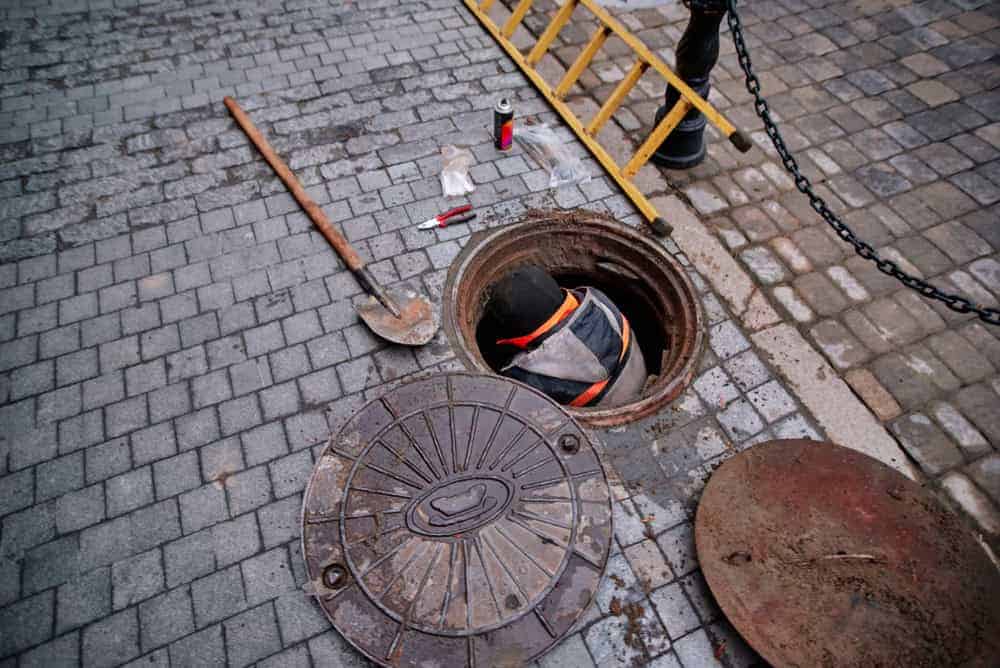
We serve Chicago and Cook County, IL with 24/7 availability, same-day service, and upfront pricing. We focus on long-term solutions, not quick fixes, using preventative techniques like camera inspections to catch problems before they turn into disasters. When your home floods, every minute counts—and having a trusted emergency plumber who understands Chicago’s unique plumbing challenges can save you thousands in damage and give you peace of mind when you need it most.
Article details:
Share:
Continue learning:
Request a Callback
Want to skip the wait?
Simply enter your contact details, and we’ll call you when a NY Spine Advisor becomes available.