Running out of hot water in the middle of a shower? Discover the real reasons your water heater can't keep up and what actually fixes the problem.
Share:
Request a Callback
Want to skip the wait?
Simply enter your contact details, and we’ll call you when a Go Rooter Advisor becomes available.
Summary:
There are a handful of reasons your water heater can’t keep up anymore. Some are easy fixes. Others mean it’s time to think about replacement.
The most common culprit is sediment buildup, especially in Chicago where the water sits around 130 to 150 parts per million on the hardness scale. That’s enough to cause real problems if your tank isn’t flushed regularly. When minerals settle at the bottom of the tank, they create a barrier between the heating element and the water, forcing your system to work harder and deliver less.
Another issue is a failing heating element or thermostat. If your water heater is electric and one of the elements burns out, you’ll notice the hot water doesn’t last as long. On gas models, a faulty burner or pilot light can cause the same issue. And if your water heater is simply too small for your household’s demand, no amount of repairs will fix that.
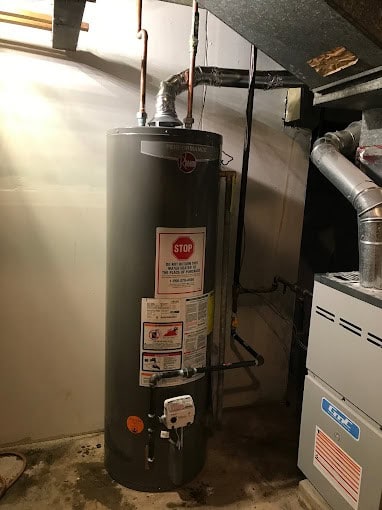
Chicago pulls its water from Lake Michigan, and while it’s treated, it still carries enough calcium and magnesium to qualify as moderately hard to hard. Over time, those minerals heat up, separate from the water, and sink to the bottom of your tank.
That layer of sediment acts like insulation. It sits between the burner or heating element and the water it’s supposed to heat. Your system has to run longer and hotter just to get the same result, which means higher energy bills and less hot water reaching your faucets.
You’ll know sediment is the problem if your water heater makes rumbling, popping, or banging noises. That’s the sound of water getting trapped under the sediment and bubbling up through it. If your hot water also looks cloudy or has a metallic smell, that’s another sign.
The fix is usually a tank flush, where we drain the tank and clear out the buildup. If it’s been years since the last flush—or if it’s never been done—you might need more than one session to get it clean. In severe cases where the sediment has hardened or damaged the tank lining, replacement might be the better call.
Chicago’s hard water also shortens the lifespan of tank water heaters. Without regular maintenance, you can lose two to three years off the typical 8 to 12 year lifespan. Flushing the tank once a year helps, but if your unit is already old and struggling, a flush might just buy you a little time.
Chicago pulls its water from Lake Michigan, and while it’s treated, it still carries enough calcium and magnesium to qualify as moderately hard to hard. Over time, those minerals heat up, separate from the water, and sink to the bottom of your tank.
That layer of sediment acts like insulation. It sits between the burner or heating element and the water it’s supposed to heat. Your system has to run longer and hotter just to get the same result, which means higher energy bills and less hot water reaching your faucets.
You’ll know sediment is the problem if your water heater makes rumbling, popping, or banging noises. That’s the sound of water getting trapped under the sediment and bubbling up through it. If your hot water also looks cloudy or has a metallic smell, that’s another sign.
The fix is usually a tank flush, where we drain the tank and clear out the buildup. If it’s been years since the last flush—or if it’s never been done—you might need more than one session to get it clean. In severe cases where the sediment has hardened or damaged the tank lining, replacement might be the better call.
Chicago’s hard water also shortens the lifespan of tank water heaters. Without regular maintenance, you can lose two to three years off the typical 8 to 12 year lifespan. Flushing the tank once a year helps, but if your unit is already old and struggling, a flush might just buy you a little time.
Want live answers?
Connect with a Go-Rooter Emergency Plumbers expert for fast, friendly support.
Not every water heater problem means you need a new unit. But not every problem is worth fixing, either. Knowing the difference can save you hundreds or even thousands of dollars.
If your water heater is less than eight years old and the issue is something like a faulty thermostat, heating element, or pressure relief valve, a repair usually makes sense. These are relatively inexpensive fixes that can add years to the unit’s life.
But if your water heater is over 10 years old, leaking from the tank itself, or constantly needing repairs, replacement is often the smarter move. At that point, you’re throwing money at a system that’s already on borrowed time.
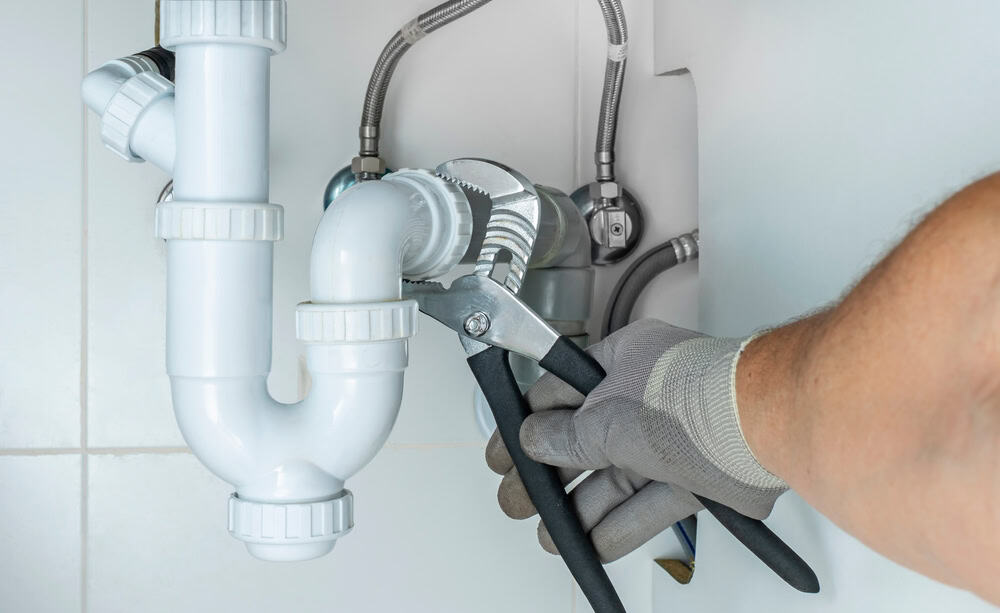
Some water heater issues are straightforward to fix. If your water isn’t getting hot enough, the problem could be a thermostat that’s set too low or malfunctioning. That’s a simple adjustment or replacement.
If you’re getting inconsistent water temperature—hot one minute, lukewarm the next—a faulty heating element is often the cause, especially on electric models. Replacing a heating element costs a few hundred dollars and can restore full function.
Leaks around connections, valves, or fittings can often be tightened or resealed without replacing the entire unit. If you see moisture around the temperature and pressure relief valve or the drain valve, those parts can be swapped out.
Strange noises like popping or rumbling usually point to sediment buildup, which means the tank needs to be flushed. If the tank itself is still in good shape and the unit is relatively young, a flush can bring it back to normal operation.
Minor issues like a pilot light that won’t stay lit on a gas water heater can often be traced to a faulty thermocouple or gas valve. These parts are replaceable, and the repair is usually quick.
The key factor is age. If your water heater is under eight years old and the repair cost is less than half the price of a new unit, fixing it almost always makes sense. You’re extending the life of a system that still has years left in it.
Some problems aren’t worth fixing. If your water heater is leaking from the tank itself—not from a valve or connection, but from a crack or corrosion in the steel—you need a replacement. Tank leaks can’t be repaired, and they only get worse.
If your water heater is 10 years or older, replacement usually makes more sense than repair, even if the issue seems minor. At that age, you’re likely to face more problems soon, and you’re paying to maintain a system that’s already lived most of its expected lifespan.
Rusty or discolored water coming from your hot taps is a red flag. It usually means the inside of the tank is corroding. Once that starts, it’s only a matter of time before the tank fails completely. Replacing the anode rod might buy you a little time, but if the corrosion is already visible in the water, the damage is often too far gone.
Frequent repairs are another sign. If you’ve called us two or three times in the past year for different issues, you’re better off replacing the unit. The cost of ongoing repairs adds up fast, and you’re still left with an aging system that could fail at any moment.
Inconsistent hot water that doesn’t improve after repairs can also mean the tank is too small, too old, or too damaged to function properly. If you’ve already tried fixing the thermostat, heating elements, and flushing the tank, and you’re still running out of hot water, replacement is likely the answer.
Finally, if your energy bills have been creeping up and your water heater is the likely cause, a new high-efficiency model can pay for itself over time. Older units, especially those with heavy sediment buildup, use significantly more energy to produce the same amount of hot water.
Running out of hot water doesn’t have to be a mystery. Whether it’s sediment buildup, a faulty part, or a water heater that’s simply reached the end of its life, the solution is usually clear once you know what you’re dealing with.
If you’re in Chicago and your water heater isn’t keeping up, we can diagnose the issue and give you an honest answer about whether repair or replacement makes sense. Same-day service, upfront pricing, and no unnecessary upselling—just the fix you actually need.
Don’t wait until you’re stuck with cold showers in the middle of winter. Get it checked now and know exactly where you stand.
Article details:
Share:
Continue learning:
Request a Callback
Want to skip the wait?
Simply enter your contact details, and we’ll call you when a NY Spine Advisor becomes available.