Modern Chicago restaurants demand more from their plumbing than ever before. From grease trap compliance to industrial water heaters, discover the high-tech solutions keeping commercial kitchens running.
Share:
Request a Callback
Want to skip the wait?
Simply enter your contact details, and we’ll call you when a Go Rooter Advisor becomes available.
Summary:
Commercial kitchens aren’t just bigger versions of home kitchens. The volume alone changes everything. A busy Chicago restaurant can use up to 5,000 gallons of water per day, and most of that water is heated. That’s exponentially more stress on pipes, drains, and water heaters than any residential system ever sees.
The types of waste matter too. Home kitchens might send some grease down the drain occasionally. Your kitchen does it constantly, all day, every day. Add in the food particles from hundreds of plates, the detergents from industrial dishwashers, and the sheer temperature fluctuations, and you’ve got a system that’s being pushed to its limits during every service.
Chicago regulations recognize this difference, which is why commercial kitchens face stricter requirements for grease traps and backflow prevention devices. These aren’t suggestions. They’re mandatory, and for good reason—the city’s water system can’t handle what your kitchen produces without proper filtration and prevention measures in place.
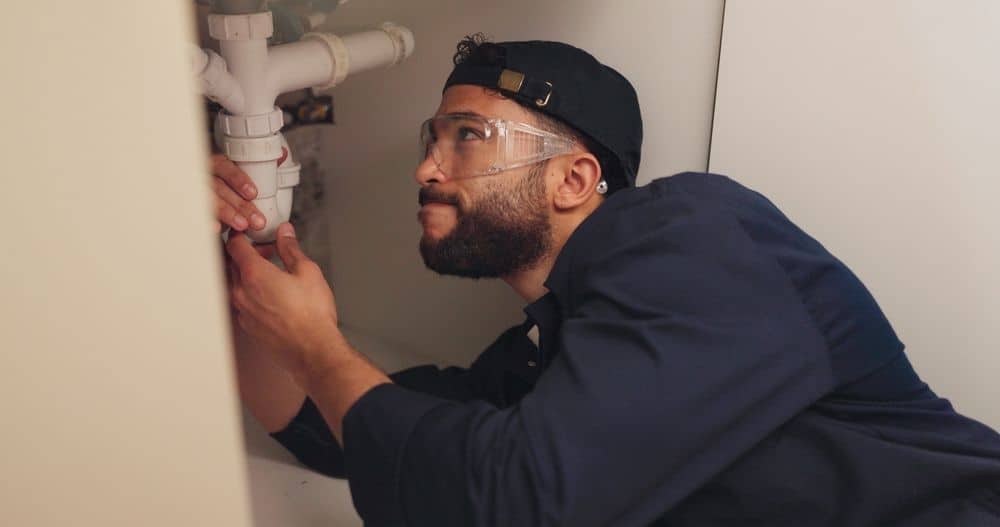
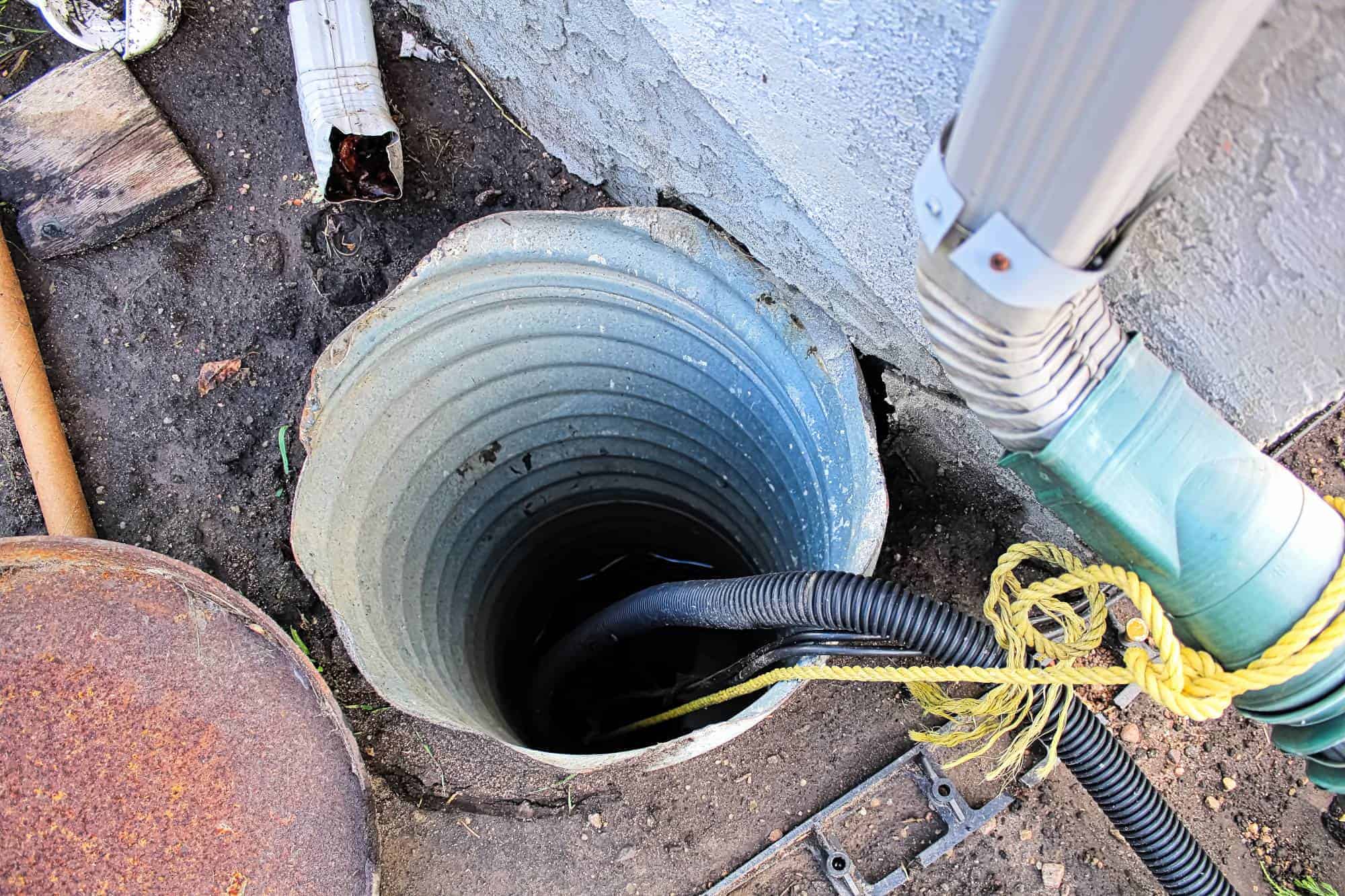
Floor drains in commercial kitchens take abuse that would destroy a residential drain in days. During a typical dinner service, your floor drains handle everything from mop water to accidental spills, rinse water from prep stations, and the overflow from dishwashing areas. When they clog, water backs up fast, creating slip hazards and forcing you to slow or stop service entirely.
The main culprit is usually a combination of grease and food debris. Even when staff is careful about scraping plates, small particles make it through. Hot water carries grease through the system, but as it cools in the pipes, that grease solidifies and clings to pipe walls. Over time, it builds up a thick coating that narrows the drain opening. Food particles stick to that greasy surface, and suddenly you’ve got a complete blockage.
Here’s what makes it worse: many kitchen staff don’t realize that what seems like a minor slow drain is actually a warning sign. By the time water is pooling on your kitchen floor, the clog has been building for days or weeks. The blockage is now severe enough that a simple plunger won’t touch it.
Professional solutions for floor drain clogs go beyond basic snaking. Hydro jetting uses high-pressure water to blast through the blockage and actually clean the pipe walls, removing that built-up grease coating. Camera inspections let us see exactly where the clog is located and what’s causing it, which means we can fix the real problem instead of just treating symptoms. For restaurants dealing with recurring clogs, this diagnostic approach saves money in the long run because it addresses the root cause.
Prevention starts with daily habits. Installing drain screens catches larger debris before it enters the system. Training staff to scrape plates thoroughly and never pour grease down drains makes a measurable difference. Some restaurants schedule weekly enzyme treatments that break down organic buildup before it hardens. These small steps won’t eliminate the need for professional drain cleaning entirely, but they dramatically reduce how often you’ll need emergency service during peak hours.
Floor drains in commercial kitchens take abuse that would destroy a residential drain in days. During a typical dinner service, your floor drains handle everything from mop water to accidental spills, rinse water from prep stations, and the overflow from dishwashing areas. When they clog, water backs up fast, creating slip hazards and forcing you to slow or stop service entirely.
The main culprit is usually a combination of grease and food debris. Even when staff is careful about scraping plates, small particles make it through. Hot water carries grease through the system, but as it cools in the pipes, that grease solidifies and clings to pipe walls. Over time, it builds up a thick coating that narrows the drain opening. Food particles stick to that greasy surface, and suddenly you’ve got a complete blockage.
Here’s what makes it worse: many kitchen staff don’t realize that what seems like a minor slow drain is actually a warning sign. By the time water is pooling on your kitchen floor, the clog has been building for days or weeks. The blockage is now severe enough that a simple plunger won’t touch it.
Professional solutions for floor drain clogs go beyond basic snaking. Hydro jetting uses high-pressure water to blast through the blockage and actually clean the pipe walls, removing that built-up grease coating. Camera inspections let us see exactly where the clog is located and what’s causing it, which means we can fix the real problem instead of just treating symptoms. For restaurants dealing with recurring clogs, this diagnostic approach saves money in the long run because it addresses the root cause.
Prevention starts with daily habits. Installing drain screens catches larger debris before it enters the system. Training staff to scrape plates thoroughly and never pour grease down drains makes a measurable difference. Some restaurants schedule weekly enzyme treatments that break down organic buildup before it hardens. These small steps won’t eliminate the need for professional drain cleaning entirely, but they dramatically reduce how often you’ll need emergency service during peak hours.
Want live answers?
Connect with a Go-Rooter Emergency Plumbers expert for fast, friendly support.
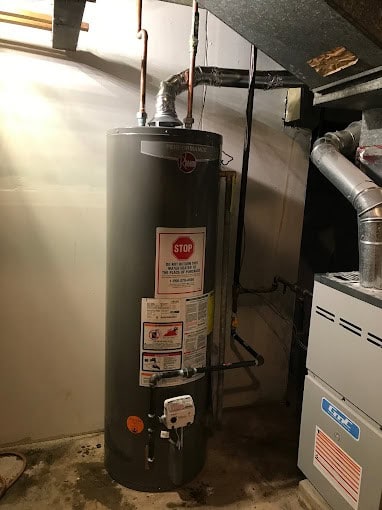
Hot water isn’t a convenience in a commercial kitchen. It’s a health code requirement. Dishwashers need water at 180°F for proper sanitization. Hand-washing stations require hot water to meet safety standards. Prep work, cleaning, and countless other daily tasks depend on consistent hot water supply. When your water heater fails, you’re not just inconvenienced—you’re potentially shut down by the health department.
The average commercial water heater lasts five to seven years under the constant demand of restaurant use. That’s significantly shorter than residential units because of the sheer volume and temperature requirements. A full-service restaurant can use 5,000 gallons of hot water per day. That means your water heater is working continuously during operating hours, cycling on and off repeatedly, and maintaining high temperatures under pressure.
Traditional tank-style water heaters face specific challenges in this environment. They store large volumes of hot water, which means they’re heating water around the clock even during off hours. When demand spikes—say, during a busy dinner service when the dishwasher is running constantly and multiple prep stations need hot water simultaneously—the tank can run out, forcing you to wait for recovery time. That recovery time costs you productivity and can back up your entire kitchen operation.
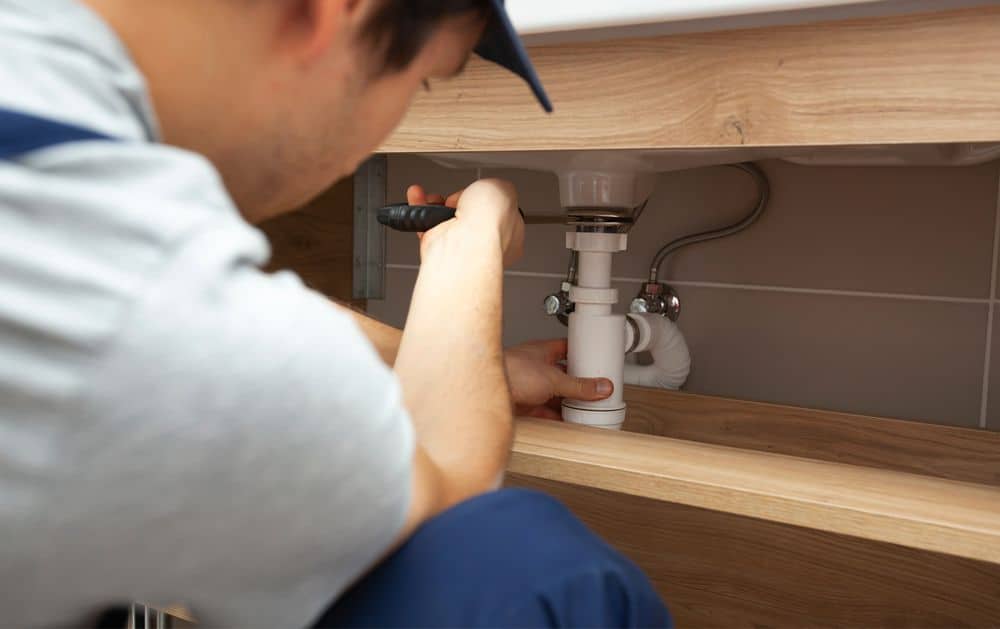
More Chicago restaurants are switching to tankless water heaters, and the reasons go beyond just saving space. Tankless systems heat water on demand, which means you’re not paying to keep hundreds of gallons hot overnight when the kitchen is closed. They can provide continuous hot water without recovery time, which matters when you’re pushing through a Saturday night rush and can’t afford to wait for the tank to reheat.
The upfront cost of tankless systems is higher than traditional tanks, but the operational savings add up quickly in a commercial setting. You’re using energy only when you actually need hot water. There’s no standby heat loss from keeping a tank at temperature 24/7. For restaurants operating on the thin margins typical in the industry, those monthly utility savings make a real difference to the bottom line.
Tankless systems also last longer—often 15 to 20 years with proper maintenance compared to the five to seven years you get from tank systems. That extended lifespan means fewer replacement costs and less disruption to your operations. When you do need service, tankless units can often be repaired without shutting down your entire hot water supply, especially if you have multiple units installed for redundancy.
The caveat is that tankless systems require professional installation and sizing. An undersized tankless heater won’t keep up with your kitchen’s demands, and you’ll end up with inconsistent water temperature that affects dishwasher performance and sanitation compliance. A commercial plumber experienced with restaurant applications can calculate your peak demand and recommend the right configuration—whether that’s a single large unit or multiple smaller units that provide backup if one needs service.
Maintenance requirements differ too. Tankless systems need periodic flushing to remove mineral buildup, especially in areas with hard water. Chicago’s water quality varies by neighborhood, so your maintenance schedule should be based on actual water conditions, not just manufacturer recommendations. Regular maintenance prevents the efficiency loss and premature failure that comes from scale accumulation in the heat exchanger.
Backflow prevention devices aren’t something most restaurant owners think about until a health inspector asks to see test documentation. But these devices play a critical role in protecting Chicago’s water supply from contamination, and the city takes compliance seriously. If your restaurant connects to the municipal water system—which it does—you need properly installed and annually tested backflow preventers.
Backflow happens when water flows backward through your plumbing system, potentially pulling contaminated water into the clean water supply. In a restaurant, this could mean water from a mop sink, dishwasher, or other contaminated source flowing back into the drinking water lines. The risk increases when there are pressure changes in the water system, which can happen during water main breaks, heavy usage periods, or system maintenance.
Chicago requires specific types of backflow prevention devices depending on the hazard level. Reduced Pressure Zone assemblies provide the highest level of protection and are required for high-hazard applications. These are typically what you’ll need for commercial kitchen equipment connections. The devices must be installed by licensed plumbers, tested at installation, and then tested annually by certified testers.
The annual testing requirement isn’t optional. Chicago’s Department of Water Management enforces these regulations, and test results must be submitted to the city within specified timeframes. Failure to comply can result in citations, fines, or even water service interruption. More importantly, a malfunctioning backflow preventer puts your customers and staff at risk of exposure to contaminated water.
Testing takes 30 to 60 minutes per device and involves checking pressure readings, valve operations, and overall device condition. Many restaurants schedule this during off-hours to avoid disrupting service. The key is staying ahead of the deadline rather than scrambling when you receive a compliance notice. Setting up annual testing as part of your regular maintenance schedule—along with grease trap cleaning and other required services—ensures you’re never caught off guard by expired certifications.
We’re familiar with Chicago’s requirements and can handle both installation and testing, providing the documentation you need for health inspections and city compliance. We’ll also spot potential issues during testing, allowing you to address problems before they become violations or equipment failures.
Every plumbing emergency in a commercial kitchen starts as a small problem that got ignored. That slow-draining sink you’ve been working around for two weeks becomes a complete backup during your busiest service. The grease trap you delayed cleaning overflows and shuts you down for health code violations. The water heater that’s been making strange noises finally fails on a Saturday night.
The pattern is predictable: small issues compound into expensive emergencies that cost you revenue, reputation, and peace of mind. The solution is equally predictable: preventative maintenance catches problems while they’re still manageable. Camera inspections show you what’s building up in your drain lines before it causes a backup. Regular grease trap cleaning keeps you compliant and your drains flowing. Water heater maintenance extends equipment life and prevents mid-service failures.
Chicago’s restaurant scene is competitive enough without adding plumbing disasters to your list of challenges. When you need commercial plumbing services that understand the unique demands of modern kitchens—from grease trap regulations to industrial water heater requirements—we provide the fast response and long-term solutions that keep your kitchen operational. Because in this business, downtime isn’t just inconvenient. It’s revenue you’ll never recover.
Article details:
Share:
Continue learning:
Request a Callback
Want to skip the wait?
Simply enter your contact details, and we’ll call you when a NY Spine Advisor becomes available.