Clogged bathroom drain slowing you down? Before you reach for harsh chemicals, try these proven methods—and know exactly when it's time to call a pro.
Share:
Request a Callback
Want to skip the wait?
Simply enter your contact details, and we’ll call you when a Go Rooter Advisor becomes available.
Summary:
That water pooling around your feet in the shower. The sink that takes five minutes to drain. The smell you can’t quite ignore anymore. A clogged bathroom drain starts as a minor annoyance and quickly becomes a daily frustration that disrupts everything from your morning routine to your peace of mind. Before you pour harsh chemicals down the drain or resign yourself to an expensive service call, there are proven methods you can try safely at home. This guide shows you exactly what works, what doesn’t, and when it’s time to stop trying and call in the experts. Let’s start with understanding what you’re actually dealing with.
Hair is the number one culprit behind bathroom sink and shower drain clogs. Every time you wash your hair, shampoo, or shave, strands make their way down the drain. On their own, a few hairs wouldn’t cause much trouble. But when hair combines with soap scum, toothpaste residue, shaving cream, and other grooming products, it creates a sticky, tangled mass that clings to the inside of your pipes.
Soap scum deserves special attention. If you live in Cook County, IL, you’re likely dealing with hard water, which makes soap scum harden faster and stick more aggressively to pipe walls. Over time, this buildup narrows your pipes and traps more debris, creating a stubborn clog. The blockage usually sits right near the surface in the P-trap under your sink, but it can also form deeper in the plumbing system where DIY methods can’t reach.
Bathroom drains face a unique combination of challenges that kitchen drains don’t. While kitchen sinks deal primarily with food particles and grease, bathroom sinks collect hair, soap scum, toothpaste, makeup residue, and personal care products. These substances behave differently in your pipes.
Hair doesn’t dissolve or break down easily. It binds with soap scum to create a fibrous, sticky mat that catches everything else flowing down the drain. Toothpaste and shaving cream add to the problem by leaving behind residue that hardens over time. Even liquid hand soaps contribute to buildup, especially when combined with hard water minerals common throughout the Chicago area.
The P-trap under your bathroom sink is designed to hold water and prevent sewer gases from entering your home. It’s also where most clogs form because the U-shaped bend naturally catches debris. This is actually good news for you. It means many bathroom drain clogs are accessible and fixable without tearing into walls or calling a plumber.
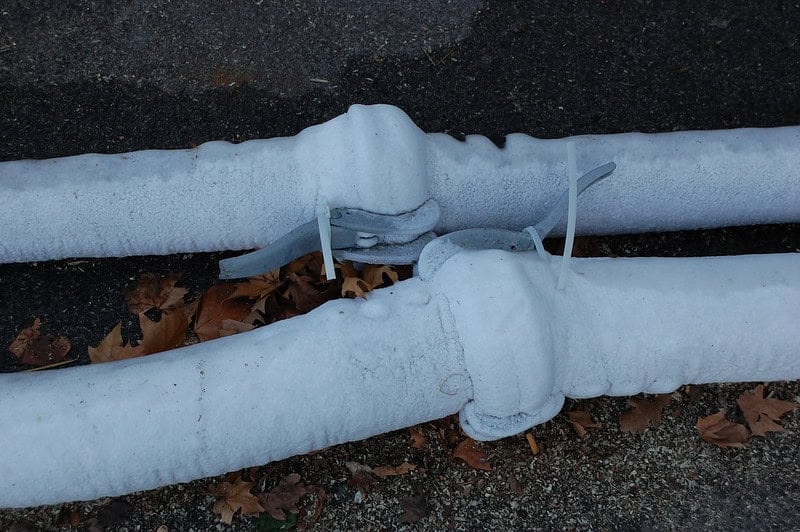
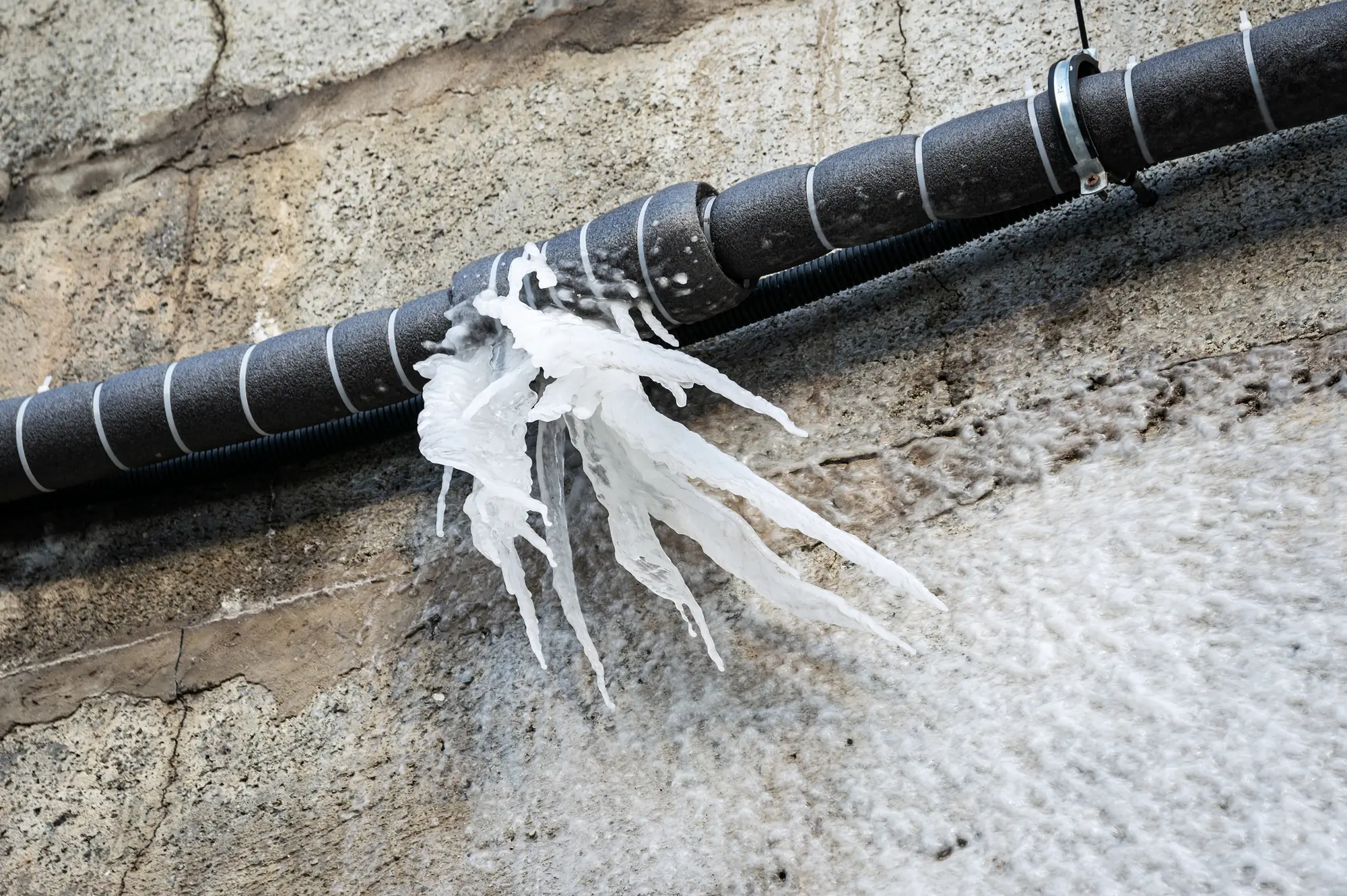
Temperature plays a role too. During Cook County’s harsh winters when temperatures regularly drop below 32°F, pipes running along exterior walls or through unheated spaces get cold. Soap and grease that might normally flow through can solidify more quickly in cold pipes, making winter clogs more frequent and stubborn. If you notice your drains slowing down when temperatures drop, that’s not a coincidence.
Understanding what’s causing your clog helps you choose the right fix. A fresh hair clog responds differently than months of soap scum buildup. A surface blockage needs different treatment than a deep pipe issue. Before you reach for any tools or solutions, take a minute to assess what you’re dealing with. Is the water draining slowly or not at all? Did the problem start suddenly or gradually? Have you noticed foul odors? These clues tell you what approach to try first.
Not every clogged drain is created equal. Some you can fix in ten minutes with items already in your home. Others signal problems that will only get worse if you keep trying DIY methods. Learning to tell the difference saves you time, money, and the frustration of wasted effort.
Start by testing other drains in your home. Flush a toilet, run water in a different sink, check if your shower drains normally. If only one drain is slow or clogged, you’re likely dealing with a localized blockage in that specific fixture’s pipe. That’s the best-case scenario and the type of clog most homeowners can tackle themselves.
If multiple drains are backing up, or if water gurgles up in one fixture when you use another, stop everything. You’re looking at a main sewer line issue, not a simple drain clog. This requires professional equipment and expertise. Continuing to use water in your home will only make the backup worse and potentially cause sewage to overflow into your basement or lowest drains.
Foul sewer odors are another red flag. A properly functioning drain shouldn’t smell like sewage. If you’re getting strong sewer smells even after cleaning visible debris, the problem is deeper than you can reach with home methods. The water seal in your P-trap may have evaporated, or there could be a blockage or damage further down the line.
Pay attention to how the problem developed. A sudden, complete blockage that appears overnight often means something fell into the drain or a buildup finally reached critical mass. These sometimes respond well to plunging or snaking. A gradually worsening slow drain over weeks or months suggests accumulated buildup that may need professional cleaning to fully resolve.
Standing water that refuses to drain after multiple attempts is telling you something. Either the clog is too dense for home methods, it’s located too deep in the system, or there’s a structural issue like a collapsed pipe or root intrusion. If you’ve tried the safe DIY methods covered in the next section and water is still standing hours later, it’s time to call us at Go-Rooter Emergency Plumbers in Cook County, IL.
Want live answers?
Connect with a Go-Rooter Emergency Plumbers expert for fast, friendly support.
Before you pour anything down your drain or insert any tools, remove standing water if possible. Scoop it out with a cup or container and dump it in a toilet or outdoor drain. This gives you a clearer view of what you’re working with and makes the methods below more effective.
Start with the simplest approach first. Remove the drain cover or stopper and look inside with a flashlight. You’d be surprised how often the clog is right there at the surface, visible and reachable. Put on rubber gloves and pull out any hair, soap buildup, or debris you can see. This alone clears many bathroom sink clogs without any tools or chemicals.
You’ve probably heard about using baking soda and vinegar to clear drains. It works for light to moderate clogs, but only if you do it correctly. The bubbling reaction between baking soda (a base) and vinegar (an acid) creates carbon dioxide that can help loosen debris and break up soap scum.
Here’s the right way to do it. Pour about half a cup of baking soda directly into the drain opening. Follow it immediately with half a cup of white vinegar. You’ll see and hear it fizz and bubble. That’s the chemical reaction working. Cover the drain with a plug or wet cloth to keep the reaction contained in your pipes where it can work on the clog, not escape into your bathroom.
Wait at least 15 minutes. For stubborn clogs, leaving it for 30 minutes or even overnight gives the mixture more time to break down buildup. After waiting, flush the drain with hot water from your tap for several minutes. If you have metal pipes (not PVC), you can use boiling water for extra cleaning power, but be careful. Boiling water can damage or melt PVC pipes and crack porcelain sinks, so stick with hot tap water if you’re not certain about your plumbing.
This method works best for clogs caused by soap scum, toothpaste, and light hair buildup. It’s safe for your pipes, environmentally friendly, and uses items you probably already have in your kitchen. It won’t work on dense hair clogs or blockages deep in your system, but it’s always worth trying before moving to more aggressive methods.
If the baking soda and vinegar method doesn’t clear your drain after two attempts, don’t keep repeating it. You’re wasting time on a clog that needs a different approach. Move on to plunging or consider that the blockage might be beyond DIY fixes.
Plunging works by creating pressure and suction that dislodges clogs. But you need the right plunger and the right technique. The toilet plunger with a flange isn’t what you want for a bathroom sink. Use a cup plunger, which has a flat rubber cup that seals against the flat surface around your sink or tub drain.
Fill the sink with enough water to cover the plunger cup. This is important because the plunger needs water, not air, to create effective pressure. Place the plunger directly over the drain opening and press down firmly to create a seal. Push down and pull up rapidly for about 20 seconds, keeping the seal intact. The up-and-down motion creates alternating pressure and suction that can break up or dislodge the clog.
After plunging, remove the plunger and check if water drains. If it’s draining but slowly, you might be making progress. Try plunging again. If there’s no change after three or four attempts, plunging isn’t going to solve your problem. The clog is either too dense, too deep, or caused by something a plunger can’t address.
Never plunge if you’ve recently poured chemical drain cleaner down the sink. The plunging action can splash those caustic chemicals back up onto your skin, eyes, or clothing, causing serious burns. This is one of many reasons professionals don’t recommend chemical drain cleaners in the first place.
If you’ve tried removing visible debris, the baking soda and vinegar method, and plunging, and your drain still isn’t flowing normally, you’ve done what you can safely do without specialized tools. A drain snake or auger is the next step, but it requires care to avoid damaging pipes. For most Cook County, IL homeowners, this is the point where calling us at Go-Rooter Emergency Plumbers makes more sense than continuing to experiment.
Chemical drain cleaners might seem like an easy solution, but they come with real risks. Products containing sodium hydroxide or sulfuric acid can corrode your pipes over time, especially with repeated use. They create toxic fumes while working. They damage both metal and plastic plumbing. And they only provide a temporary fix without addressing the root cause of recurring clogs. If the drain is completely blocked, those chemicals just sit in your pipes or can splash back when you plunge, creating a dangerous situation.
We use professional methods like hydro jetting that clear clogs completely without harsh chemicals that damage your plumbing. Hydro jetting uses high-pressure water to blast through blockages and clean pipe walls, removing buildup that causes recurring clogs. It’s the difference between a temporary fix and a long-term solution.
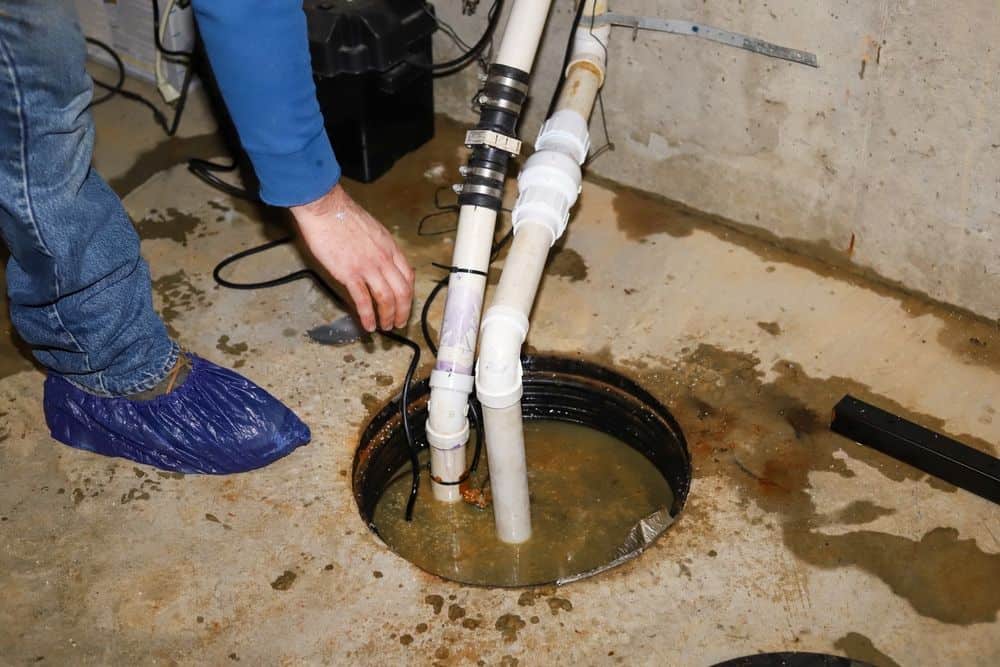
Basement drains operate differently than the sinks and showers upstairs. They’re often connected to washing machines, utility sinks, floor drains, and sometimes your home’s main sewer line. When a basement drain backs up, it’s frequently a sign of a larger problem that DIY methods can’t fix. Lint and debris from washing clothes is a common culprit, but basement drain clogs in Cook County, IL homes can also signal main sewer line problems, tree root intrusion in older pipes, or sump pump failures during winter thaws.
Standing water around your basement floor drain, foul sewer odors, gurgling sounds, or multiple drains backing up simultaneously all indicate you need professional attention. We use camera inspection technology to see exactly what’s happening inside your pipes. Instead of guessing at the problem, we identify the exact location and cause of the blockage for faster, more effective repairs.
Article details:
Share:
Continue learning:
Request a Callback
Want to skip the wait?
Simply enter your contact details, and we’ll call you when a NY Spine Advisor becomes available.