Choosing an emergency plumber during a crisis doesn't have to be risky. Learn the essential criteria, red flags to avoid, and questions that protect you from price gouging.
Share:
Request a Callback
Want to skip the wait?
Simply enter your contact details, and we’ll call you when a Go Rooter Advisor becomes available.
Summary:
Your water heater just flooded the basement. It’s 2 AM. You’re standing in three inches of water, frantically searching for help.
This is exactly when bad decisions happen. When panic takes over and you hire the first person who answers the phone. When you skip the questions you’d normally ask because the situation feels too urgent.
Here’s what you need to know: even in an emergency, you have time to make a smart choice. The difference between a legitimate emergency plumber and someone exploiting your crisis often comes down to three or four simple questions. You’ll learn what matters most, what to watch for, and how to protect yourself when you need help the fastest.
Illinois doesn’t mess around when it comes to plumbing credentials. Every plumber working in this state must hold a valid license issued by the Illinois Department of Public Health. That’s not optional. It’s the law.
Getting that license isn’t easy. A plumber needs at least four years working as a licensed apprentice under supervision, plus two years of approved education. They have to pass a comprehensive state exam covering plumbing design, working skills, and Illinois standards. The whole process takes somewhere between 5,600 and 8,400 hours of documented training.
Why does this matter to you at 2 AM with water pouring into your basement? Because unlicensed contractors are one of the most common ways homeowners get burned during emergencies. They show up fast, charge less, and leave you with work that doesn’t meet code—or worse, creates new problems you’ll pay someone else to fix later.
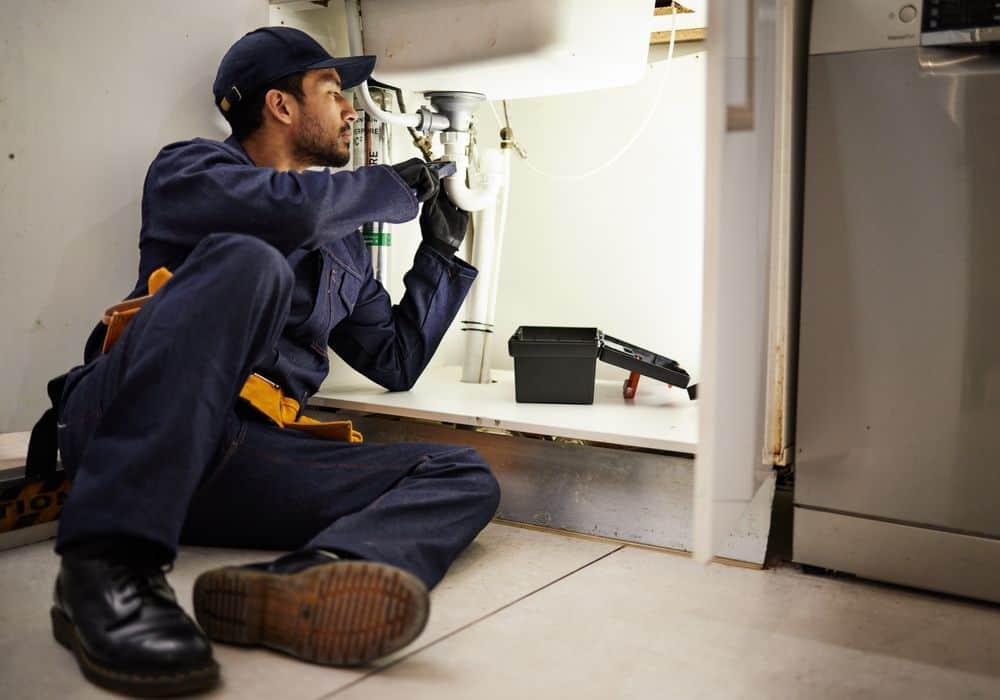
Ask for the license number. Not later. Not after they arrive. Right there on the phone when you first call.
A legitimate plumber will give you that number without hesitation. They’re proud of it. It represents years of training and professional standards they had to meet. If someone fumbles, makes excuses, or says they’ll “bring it with them,” that’s your first red flag.
Once you have the number, verify it. The Illinois Department of Public Health maintains records of every licensed plumber in the state. You can check their status, see if there are any disciplinary actions, and confirm they’re actually authorized to work in Illinois.
For Chicago specifically, there’s an additional layer. The City of Chicago requires its own plumbing license through the Department of Buildings. State licenses are recognized in Chicago, but only if the plumber’s employer holds a City of Chicago plumbing contractor license. Don’t assume. Ask directly if they’re properly licensed for work in your specific location.
Here’s the thing most people don’t realize: insurance goes hand-in-hand with licensing. Illinois requires plumbing contractors to carry general liability insurance, worker’s compensation if they have employees, and a $20,000 bond. These aren’t suggestions. They’re legal requirements that protect you if something goes wrong.
If a plumber can’t show proof of insurance, you’re taking on massive risk. Accidents happen. Pipes break in unexpected ways. Water causes damage you didn’t anticipate. Without insurance, you could be liable for injuries on your property or additional damage caused during the repair. That cheap quote suddenly becomes very expensive when you’re covering medical bills or property damage out of pocket.
Ask to see proof of insurance before any work begins. A professional will have documentation ready. Someone operating without coverage will dodge the question or promise to “send it later.” Don’t wait for later.
Let’s talk about price. Because when you’re dealing with an emergency, cost is definitely on your mind.
Emergency plumbing in Chicago isn’t cheap. The average runs between $349 and $504, though you might pay anywhere from $119 to $864 depending on the problem, time of day, and complexity. Overnight and weekend calls typically cost $120 to $300 per hour. Holiday emergencies? You’re looking at $250 to $450 per hour.
Those numbers might make you wince. They might make you want to grab the lowest quote you can find. But here’s where people get into trouble.
A quote that’s dramatically lower than everyone else isn’t usually a bargain. It’s bait. Some contractors use lowball estimates to get in the door, then jack up the price once they’re at your house. They’ll “discover” additional problems. They’ll claim parts cost more than expected. They’ll find reasons why the original quote doesn’t apply anymore.
Others really will do the work for that low price—using the cheapest materials they can find, cutting corners you won’t notice until the repair fails in six months, or simply doing substandard work because they’re not qualified in the first place.
The goal isn’t finding the cheapest plumber. It’s finding fair pricing from someone who’ll fix the problem correctly the first time. That actually costs less in the long run than paying twice—once for the cheap fix that failed, and again for someone to do it right.
Look for upfront pricing. A legitimate emergency plumber will tell you what you’re going to pay before they start work, even at 3 AM on a Sunday. They’ll explain what’s included in that price. They’ll break down labor and materials. They won’t surprise you with hidden fees or “emergency surcharges” they forgot to mention on the phone.
If someone won’t give you a clear price until after the work is done, or if they pressure you to decide immediately without explaining costs, you’re dealing with exactly the kind of situation you want to avoid.
Want live answers?
Connect with a Go-Rooter Emergency Plumbers expert for fast, friendly support.
Lots of plumbers claim 24/7 service. Not all of them mean the same thing.
Some have a real person answering the phone at 3 AM who can dispatch a plumber to your house within an hour. Others have an answering service that takes your information and promises someone will call you back in the morning. Both technically offer “24-hour service,” but only one helps when your basement is flooding right now.
Ask specific questions. Who answers when you call at night? How quickly can someone actually get to your location? Do they charge extra for after-hours service, and if so, how much? You need to know these answers before the emergency happens, not while you’re standing in water trying to figure out who to trust.
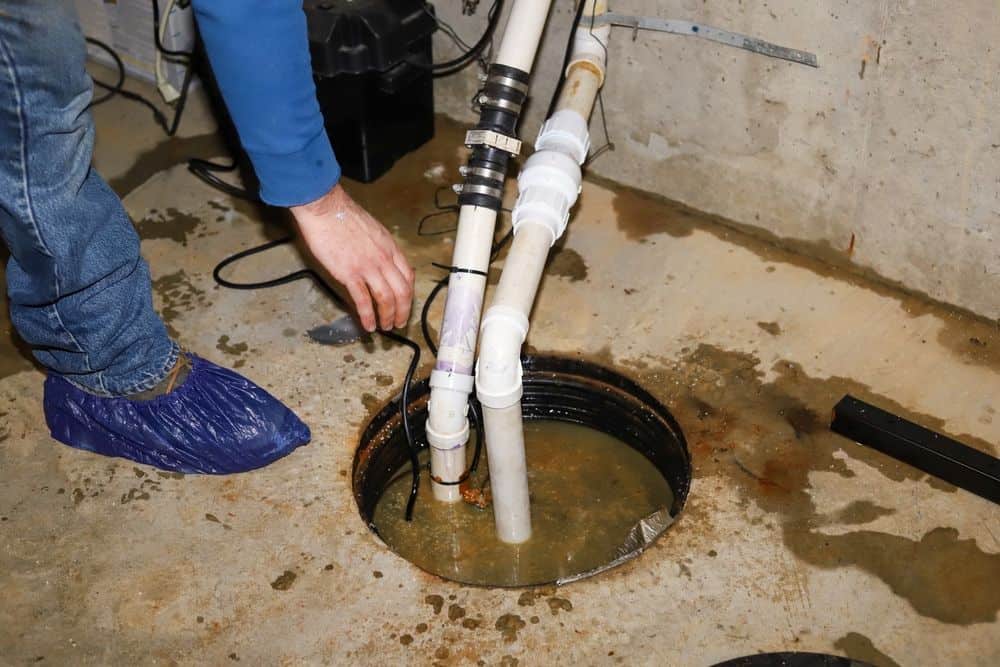
Some warning signs are obvious. Others are subtle. All of them matter.
The biggest red flag is a plumber who won’t provide credentials. No license number, no insurance documentation, no verifiable business address. If they show up in an unmarked van with no company logo and can’t give you a business card with real contact information, you’re not dealing with a legitimate contractor.
Watch for pressure tactics. Honest plumbers explain the problem and your options. Dishonest ones use scare tactics—claiming your entire system needs replacement when a simple repair would work fine, insisting the problem is more urgent than it actually is, or pushing you to decide immediately without time to think or get a second opinion.
Full payment upfront is another major warning sign. Deposits are normal for large projects. Full payment before work starts, especially if they want cash only? That’s a scammer setting up to disappear with your money. Legitimate companies accept multiple payment methods, provide receipts, and structure payment around project milestones or completion.
Estimates that keep changing are a problem. A professional might adjust the quote after inspecting the problem in person—that’s normal because they need to see the actual situation. But if the price keeps climbing once work starts, or if they keep “discovering” new problems that weren’t mentioned initially, you’re being taken advantage of.
Door-to-door plumbers offering free inspections should set off alarms. Legitimate plumbing companies don’t send people to knock on doors offering unsolicited services. That’s either a scam or someone casing your home for other purposes. Real plumbers wait for you to call them.
No written estimate is unacceptable. Everything should be in writing—the scope of work, the price, what’s included, timeline, and any warranties or guarantees. Verbal agreements protect nobody. If a plumber resists putting things in writing or says they’ll “send it later,” you’re taking unnecessary risk.
The right questions protect you. Ask them before you commit to anything.
Start with licensing. What’s your Illinois plumbing license number? Can I verify it? Are you licensed to work in Chicago specifically if that’s where the job is? These questions take 30 seconds and eliminate a huge percentage of problem contractors.
Move to insurance. Do you carry liability insurance and worker’s compensation? Can you provide proof before starting work? What does your coverage include? A plumber who’s properly insured will answer these easily. One who isn’t will dodge or deflect.
Get specific about pricing. What’s your rate for emergency service? Does that include parts and labor? Are there additional fees for nights, weekends, or the specific time I’m calling? What forms of payment do you accept? You should know the total cost before work begins, and you should get that in writing.
Ask about response time. How quickly can you get here? Who will actually do the work—you, or will you send someone else? If you’re sending someone else, are they also licensed? You need to know who’s coming to your house and when they’ll arrive.
Find out about their approach. What do you think the problem is based on what I’ve described? What’s your plan for fixing it? How long should it take? What happens if you find additional problems once you start? These questions help you gauge their expertise and honesty. Someone who gives vague answers or can’t explain their process might not know what they’re doing.
Don’t forget to ask about guarantees. Do you warranty your work? For how long? What does that warranty cover? A plumber who stands behind their work will have clear answers. One who doesn’t want to commit to anything is telling you they’re not confident in the quality they deliver.
References matter too, even in an emergency. Can you provide references from recent emergency calls? Do you have reviews I can check quickly online? A few minutes spent looking at what other customers experienced can save you from making a costly mistake.
Plumbing emergencies are stressful. Water damage happens fast. The pressure to act immediately is real.
But taking five minutes to ask the right questions doesn’t make the emergency worse. It protects you from making it significantly more expensive and complicated than it needs to be.
The plumber you choose should have a valid Illinois license you can verify, proper insurance coverage they can prove, transparent pricing they’ll commit to in writing, and genuine 24/7 availability that means someone actually shows up when you need them. They should answer your questions directly, explain their process clearly, and never pressure you into immediate decisions through scare tactics.
When you find that combination, you’ve found someone worth keeping on speed dial for the next emergency—and for regular maintenance that might prevent some of those emergencies from happening in the first place. We bring exactly that approach to Chicago and Cook County, with licensed technicians, upfront pricing, and real 24/7 response when you need it most.
Article details:
Share:
Continue learning:
Request a Callback
Want to skip the wait?
Simply enter your contact details, and we’ll call you when a NY Spine Advisor becomes available.