Summer puts extra stress on Chicago plumbing systems. Learn how to prepare your home for peak usage, prevent vacation disasters, and keep everything running smoothly through the heat.
Share:
Request a Callback
Want to skip the wait?
Simply enter your contact details, and we’ll call you when a Go Rooter Advisor becomes available.
Summary:
Your plumbing doesn’t take a summer vacation. Actually, it’s working harder than ever. More people at home means more showers, more laundry, more dishes. Outdoor faucets running constantly for gardens and sprinklers. Temperatures climbing into the 90s putting stress on pipes and fixtures. And if you’re planning to leave town, the last thing you want is to come home to a flooded basement or a sewer backup.
Most Chicago homeowners don’t think about their plumbing until something goes wrong. But summer is when small issues turn into big problems fast. A minor leak becomes a major flood. A slow drain turns into a complete backup. A water heater that’s been struggling finally gives out when everyone’s home and using it.
Here’s what you need to know to keep your plumbing running smoothly all summer long, starting with what to do before you leave for vacation.
Nothing ruins a vacation faster than getting a call about water damage back home. Or worse, coming back to discover it yourself. The smell hits you when you open the door. Water stains on the ceiling. Carpet soaked through. Thousands of dollars in damage that could’ve been prevented with 30 minutes of prep work.
It happens more often than you’d think. A toilet supply line fails. A water heater starts leaking. A pipe connection loosens from all that water pressure. When you’re not there to catch it early, even a small drip turns into gallons of water where it shouldn’t be.
The solution is simple: take your plumbing system offline before you leave. Not completely—you still need protection from summer storms and you don’t want pipes sitting stagnant for weeks. But you can eliminate most of the risk with a few straightforward steps that don’t require any special tools or expertise.
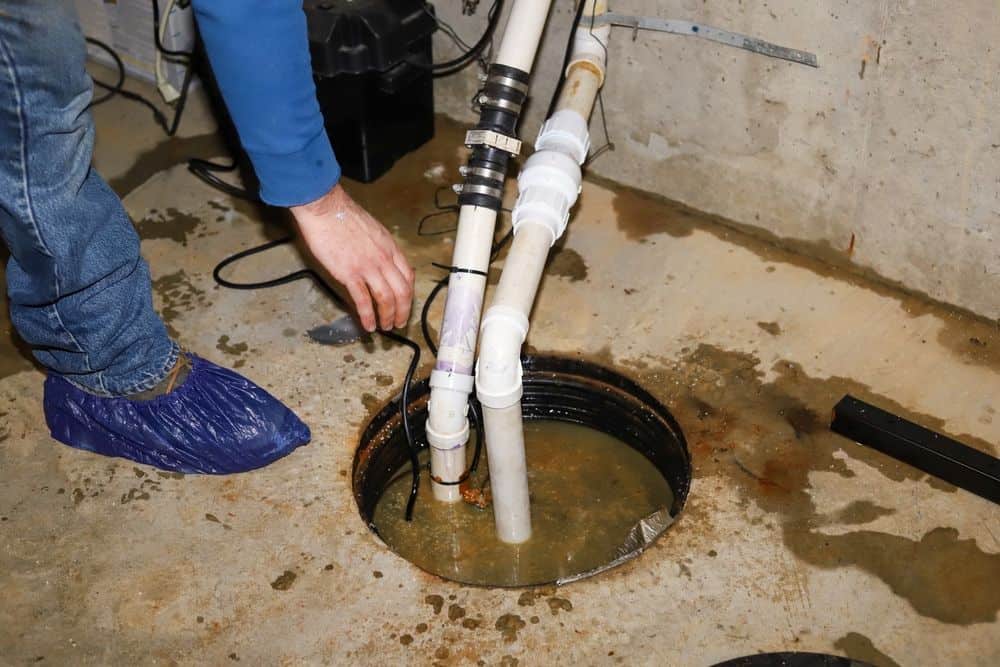
This is the single most important thing you can do before vacation. Find your main water shut-off valve and turn it clockwise until it stops. It’s usually near your water meter, often in the basement or crawl space. Some Chicago homes have it in a utility room or near the front of the house where the water line enters.
Once that valve is closed, water can’t enter your home. A burst pipe becomes a non-issue. A leaking water heater can’t flood your basement. A toilet supply line failure doesn’t matter because there’s no water pressure behind it.
After you shut off the main, open a few faucets throughout the house to drain the remaining water from the pipes and relieve pressure. Leave them open while you’re gone. This also prevents any stagnant water issues and reduces stress on the system.
If you have a sprinkler system or outdoor faucets you want to keep running while you’re away, you can shut off individual fixture valves instead. Turn off the valves under sinks, behind toilets, and to your washing machine and dishwasher. It’s more work, but it gives you the protection you need while keeping outdoor water available. Just make sure someone you trust is checking on things regularly if you go this route.
One more thing: if you’re leaving during winter or even late fall, keep your heat on at least 55°F to prevent any remaining water from freezing. But in summer, you’re good to go once everything’s shut off and drained.
Before you shut anything off, walk through your house and inspect every visible pipe, fixture, and connection. Look under sinks. Check behind toilets. Examine your water heater. Feel around pipe connections for dampness. You’re looking for any signs of existing leaks—drips, water stains, corrosion, or that musty smell that means water’s been sitting somewhere it shouldn’t be.
Finding a small leak now means you can fix it before you leave instead of coming home to major damage. Even a slow drip can waste hundreds of gallons over a week or two. And if that drip is coming from a connection that’s getting weaker, it might turn into a spray while you’re gone.
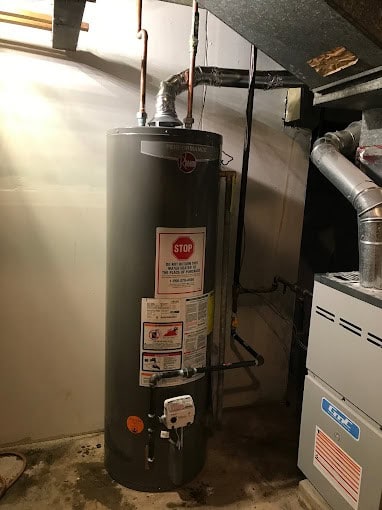
Pay special attention to your water heater. Look at the base for any pooling water. Check the connections at the top where the pipes enter. Run your hand along the tank itself feeling for dampness or rust. If your water heater is more than 8-10 years old and you’re seeing any of these signs, it might be time for a replacement before it fails completely.
Most modern water heaters have a vacation mode setting. It keeps the pilot light on but reduces the temperature significantly, saving energy without completely shutting down the system. If yours doesn’t have this feature, you can turn the temperature down to the lowest setting or turn it off entirely. Just remember to turn it back on when you get home and give it time to heat back up before you need hot water.
For gas water heaters, there’s usually a dial on the gas valve with settings like “Vacation,” “Low,” “Hot,” etc. For electric models, you might need to adjust the thermostat or flip the circuit breaker if you want to shut it down completely. Check your owner’s manual if you’re not sure, or give us a call for guidance. Getting it wrong can be dangerous with gas appliances.
Want live answers?
Connect with a Go-Rooter Emergency Plumbers expert for fast, friendly support.
Chicago summers hit different when you’re talking about plumbing. Those 90-degree days aren’t just uncomfortable for you—they’re putting real stress on your pipes and fixtures. Metal expands when it heats up. Plastic can warp. Seals and gaskets dry out and crack. Underground pipes deal with shifting soil as the ground dries out and contracts.
Then there’s the usage spike. Everyone’s home more. Kids are doing laundry constantly. Multiple showers a day. Dishwasher running after every meal. All that water flowing through your system means more pressure, more wear, and more chances for something to fail.
The problems that show up in summer often started months ago but finally reach their breaking point when demand is highest. A water heater that’s been collecting sediment. Pipes with small cracks that expand in the heat. Tree roots that have been slowly working their way into your sewer line. Summer doesn’t cause these issues, but it sure exposes them.
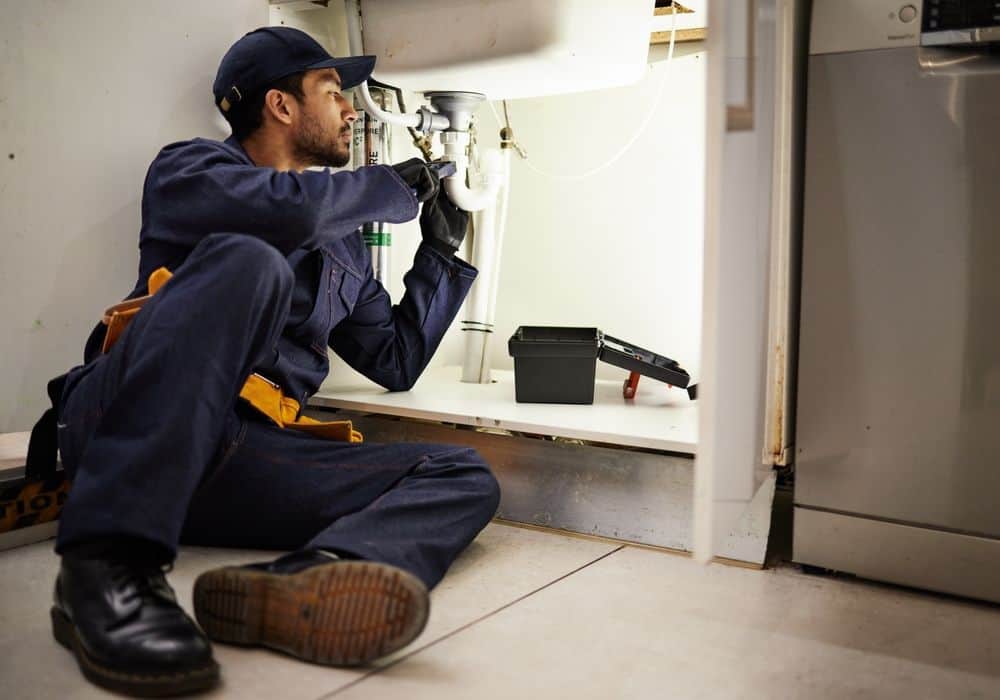
When temperatures climb, the water inside your pipes heats up and expands. That expansion increases pressure throughout your system. If you’ve got older pipes, weak joints, or connections that aren’t quite as tight as they used to be, that extra pressure can push them past their limit.
You’ll notice it as fluctuating water pressure when you turn on a faucet or shower. Sometimes strong, sometimes weak. Or you might hear unusual sounds—banging, rattling, or gurgling behind the walls. Those are signs your system is under stress.
Exposed pipes are especially vulnerable. Any plumbing that runs through your attic, garage, or along exterior walls is getting hit with direct heat. In Chicago, we worry about frozen pipes in winter, but summer heat can be just as damaging. UV rays from the sun break down materials over time. Plastic becomes brittle. Rubber washers and gaskets dry out and crack.
The fix starts with insulation. Pipe insulation isn’t just for winter. Wrapping exposed pipes protects them from temperature extremes year-round. You can pick up foam pipe insulation at any hardware store for a few bucks. Slip it over the pipe, secure it with zip ties or tape, and you’re done. Focus on any pipes you can see in unconditioned spaces.
For underground pipes, there’s not much you can do about the heat itself. But you can manage the soil conditions that put stress on them. Keep your foundation watered during dry spells—not soaked, just moist enough that the soil doesn’t pull away from the foundation. That prevents the kind of soil movement that cracks pipes and creates leaks you won’t discover until water starts showing up inside.
Monitor your water pressure regularly during summer. If it’s consistently too high (over 80 psi), you might need a pressure regulator installed. Too much pressure accelerates wear on everything from pipes to fixtures to appliances. If it’s too low, that could indicate a leak somewhere in the system that needs attention before it gets worse.
Summer water bills tell the story. Families in Cook County routinely see their usage jump 50% or more compared to winter months. Some households see it double or even triple when you factor in lawn watering, pool filling, and everyone being home all day.
That increased demand doesn’t just cost more—it stresses your entire system. Your water heater is cycling constantly trying to keep up. Drains are handling more volume. Your sewer line is moving more waste. Fixtures that worked fine with normal use start showing their age when they’re running all day.
The garbage disposal is a perfect example. During the school year, it runs once, maybe twice a day. In summer with kids home, it’s getting used after every meal and snack. All that extra food waste, especially if people aren’t being careful about what goes down there, leads to clogs and jams. Fibrous vegetables, grease, and starchy foods are the main culprits. They build up over time and then suddenly you’ve got a backed-up sink right when you’re trying to clean up from a barbecue.
Same thing with your toilets. More people home means more flushes. If you’ve got an older toilet that uses 3.5 to 5 gallons per flush, that’s a lot of water and a lot of stress on your sewer line. And if anyone’s flushing things they shouldn’t—wipes labeled “flushable” (they’re not), paper towels, feminine products—you’re asking for a backup.
The best defense is being smart about what goes down your drains. Scrape plates into the trash before rinsing. Don’t pour grease or oil down the sink. Keep a small trash can in every bathroom so people aren’t tempted to flush things. Run cold water when you use the garbage disposal and let it run for 30 seconds after you turn the disposal off to make sure everything’s flushed through.
Consider scheduling a professional drain cleaning before summer hits its peak. Hydro jetting clears out buildup that’s been accumulating in your pipes, giving you a clean slate before the high-usage months. It’s especially important if you’ve had slow drains or minor clogs during the year. Those small problems become big backups when usage spikes.
Watch your water heater’s performance too. If you’re running out of hot water more often, hearing strange noises, or noticing rusty water, it’s time for maintenance. Sediment builds up in the tank over time, reducing efficiency and capacity. Flushing the tank removes that sediment and can extend the life of your water heater by years. Most experts recommend doing it annually, and early summer—before peak demand—is the perfect time.
Your sprinkler system is probably the hardest-working part of your plumbing all summer. It’s running for hours every week, exposed to sun and weather, with heads that get knocked around by mowers and foot traffic. And unlike indoor plumbing, problems often go unnoticed until your water bill arrives or your lawn starts dying in patches.
A well-maintained sprinkler system saves water, keeps your lawn healthy, and prevents the kind of leaks that can undermine your foundation or flood your basement. A neglected system wastes hundreds or thousands of gallons, costs you money, and might be causing damage you won’t see until it’s expensive to fix.
Start with a visual inspection. Turn on each zone and walk your property watching the spray patterns. Are all the heads popping up? Is water spraying where it should, or is it hitting the sidewalk, driveway, or house? Are there any geysers indicating a broken line? Any soggy spots in the yard that stay wet even when the system’s off?
Check each sprinkler head for damage and alignment. They should be level with the ground, not tilted or buried. Clean out any dirt or debris clogging the nozzles. Adjust the spray pattern so water lands on your lawn, not the pavement. Replace any cracked or broken heads—they’re inexpensive and easy to swap out.
Test your system’s water pressure. Too high and you get misting and waste. Too low and you’re not getting proper coverage. Most sprinkler systems work best between 30 and 50 psi. If you’re outside that range, you might need a pressure regulator or adjustments to your system.
Timing matters too. Water early in the morning—between 4 and 10 AM—when evaporation is lowest and water pressure is highest. Avoid evening watering, which can promote fungus and disease. And adjust your schedule based on the weather. You don’t need to water after it rains, but a lot of systems keep running anyway. A rain sensor is a cheap upgrade that automatically shuts off your system when it’s not needed.
If you’re not comfortable handling sprinkler maintenance yourself, or if you’ve found issues that need professional attention, that’s where we come in. Our team has the experience and tools to diagnose problems, make repairs, and optimize your system for efficiency. We understand Chicago’s specific challenges—the soil conditions, the weather patterns, the types of systems common in Cook County homes. And with our 24/7 availability and upfront pricing, you know exactly what you’re getting before any work begins.
Summer plumbing maintenance isn’t glamorous, but it’s one of those things that pays for itself many times over. A little time and attention now prevents the emergencies that cost thousands and ruin vacations. Your plumbing system will thank you, your water bill will thank you, and you’ll have the peace of mind that comes from knowing your home is protected.
Article details:
Share:
Continue learning:
Request a Callback
Want to skip the wait?
Simply enter your contact details, and we’ll call you when a NY Spine Advisor becomes available.