Your sump pump sits quietly in your basement until the moment you need it most—during heavy spring rains or rapid snowmelt when Bellwood basements are most vulnerable.
Share:
Request a Callback
Want to skip the wait?
Simply enter your contact details, and we’ll call you when a Go Rooter Advisor becomes available.
Summary:
Bellwood sits in Cook County, where about 42% of the land is covered by impervious surfaces—streets, driveways, parking lots. When it rains, that water has nowhere to go except into an already-strained sewer system that’s over 100 years old. Add in spring snowmelt and you’ve got the perfect setup for basement flooding.
Your sump pump is the last line of defense. When groundwater rises or storm drains back up, it’s supposed to kick on and pump that water away from your foundation. But here’s the thing: roughly 40% of sump pump failures happen because of power outages, and those usually occur during the exact storms when you need the pump most.
Regular maintenance catches problems before they become emergencies. It also extends your pump’s lifespan—most units last 7 to 10 years with proper care, but neglect can cut that short. When you consider that water damage claims average nearly $14,000, the time you spend on maintenance is worth it.
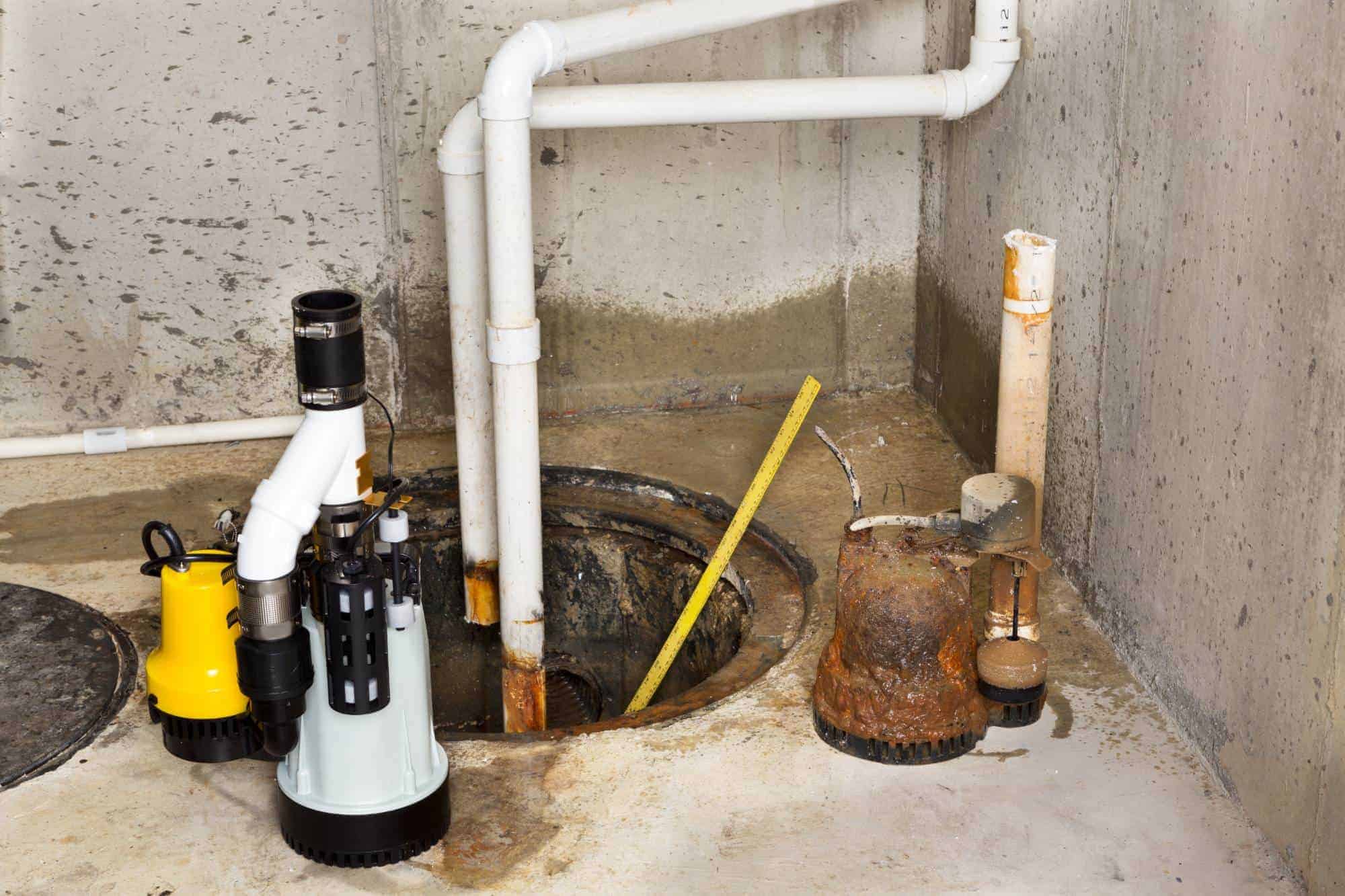
Timing matters more than you might think. Bellwood’s weather patterns create two critical windows when your sump pump faces the most stress.
Spring is the big one. March through May brings heavy rains and rapid snowmelt. The ground thaws, water tables rise, and basements that stayed dry all winter suddenly see seepage. This is when you need your pump working perfectly, which means testing it before the wet season hits—ideally in late February or early March.
Fall maintenance runs a close second. September and October give you time to prepare your system before winter freezes set in. Discharge lines can freeze and clog when temperatures drop, rendering even a perfectly good pump useless. A fall check catches debris buildup from summer storms and ensures everything’s clear before the first hard freeze.
Between those two major checks, quick monthly tests during wet seasons take maybe five minutes. Pour a bucket of water into the sump pit. Watch the float rise. Make sure the pump kicks on, moves the water out, and shuts off cleanly. If something’s off, you’ll know before the next big storm.
Some homeowners in areas with high water tables or older foundations check even more frequently—every three to four months. That might sound excessive until you’ve dealt with a flooded basement once. Then it just sounds smart.
The key is consistency. Mark your calendar. Set a reminder on your phone. Make it part of your routine, like changing the furnace filter or checking smoke detectors. Your basement will thank you.
Timing matters more than you might think. Bellwood’s weather patterns create two critical windows when your sump pump faces the most stress.
Spring is the big one. March through May brings heavy rains and rapid snowmelt. The ground thaws, water tables rise, and basements that stayed dry all winter suddenly see seepage. This is when you need your pump working perfectly, which means testing it before the wet season hits—ideally in late February or early March.
Fall maintenance runs a close second. September and October give you time to prepare your system before winter freezes set in. Discharge lines can freeze and clog when temperatures drop, rendering even a perfectly good pump useless. A fall check catches debris buildup from summer storms and ensures everything’s clear before the first hard freeze.
Between those two major checks, quick monthly tests during wet seasons take maybe five minutes. Pour a bucket of water into the sump pit. Watch the float rise. Make sure the pump kicks on, moves the water out, and shuts off cleanly. If something’s off, you’ll know before the next big storm.
Some homeowners in areas with high water tables or older foundations check even more frequently—every three to four months. That might sound excessive until you’ve dealt with a flooded basement once. Then it just sounds smart.
The key is consistency. Mark your calendar. Set a reminder on your phone. Make it part of your routine, like changing the furnace filter or checking smoke detectors. Your basement will thank you.
Want live answers?
Connect with a Go-Rooter Emergency Plumbers expert for fast, friendly support.
Maintaining a sump pump isn’t complicated. You don’t need special tools or plumbing expertise for most of it. What you need is a basic understanding of what to check and when to call for help.
Start with the simplest task: make sure your pump is plugged in. It sounds obvious, but vibrations can loosen cords, and sometimes plugs get bumped during basement cleaning or storage shuffling. While you’re at it, check the power cord for fraying or damage. A compromised cord is a safety hazard and a reliability issue.
Next, test the pump itself. Fill a five-gallon bucket with water and slowly pour it into the sump pit. As the water level rises, the float should trigger the pump to turn on. Watch it pump the water out through the discharge pipe, then shut off automatically when the pit empties. If the pump doesn’t activate, runs continuously, or makes strange grinding or rattling noises, something’s wrong.
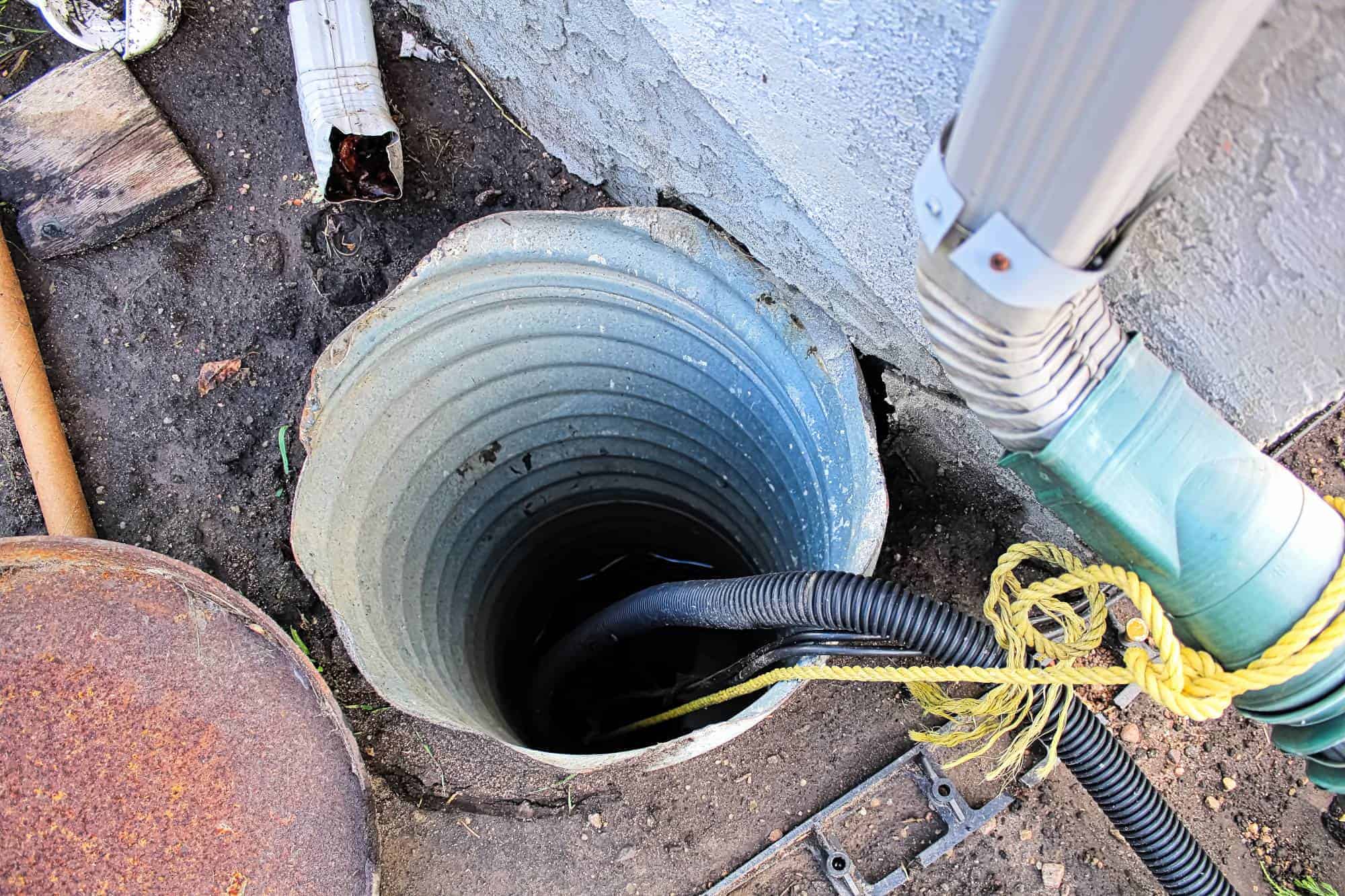
The discharge pipe deserves attention too. This is the line that carries water away from your foundation—ideally at least 20 feet away. Check that it’s not clogged with leaves, dirt, or debris. In winter, make sure ice hasn’t blocked the outlet. A clogged discharge line means water has nowhere to go, and your pump will just recirculate it or burn out trying.
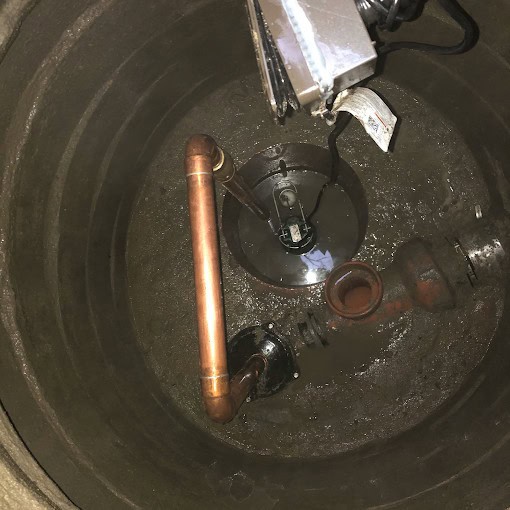
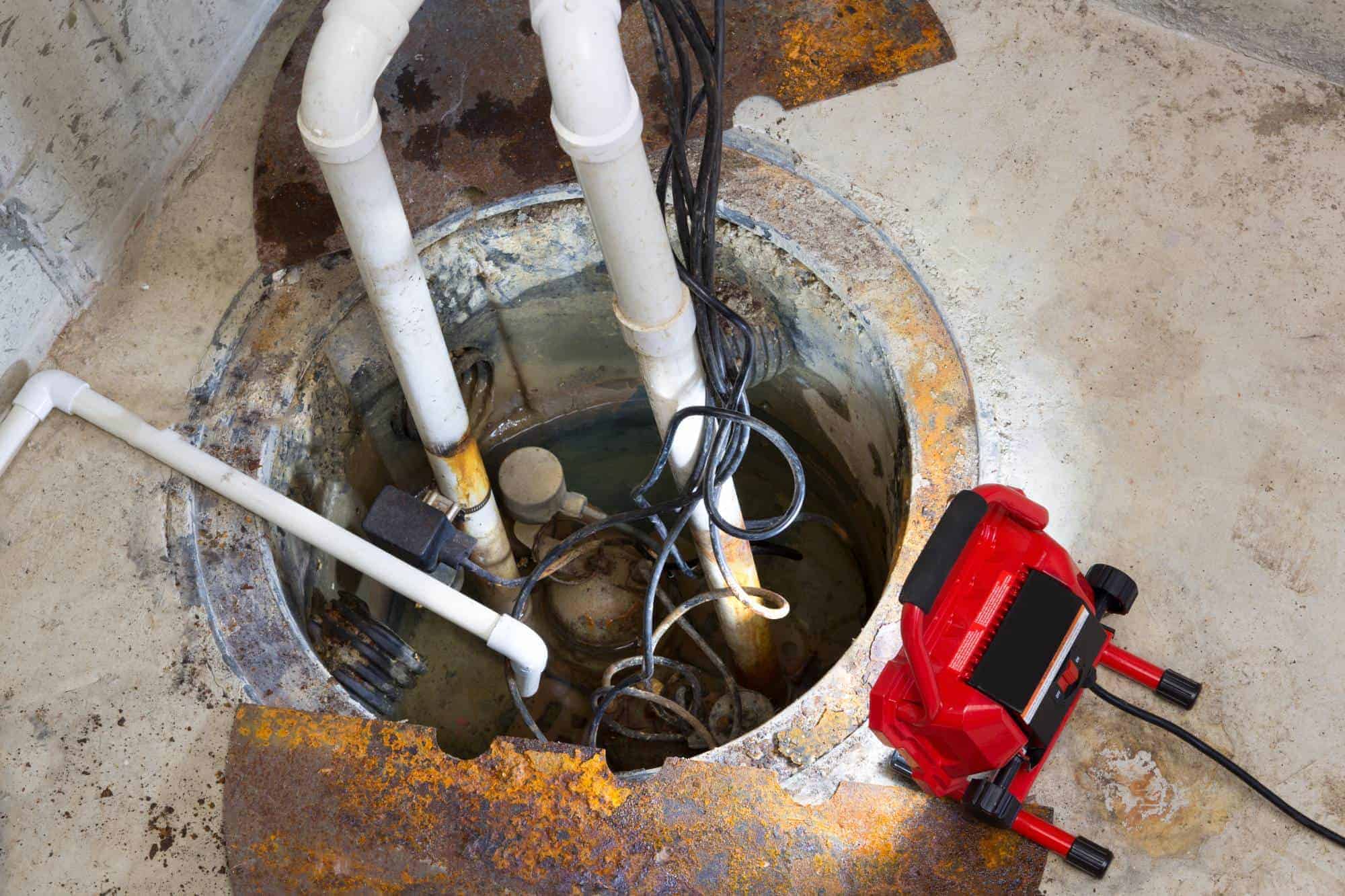
The sump pit collects more than just water. Over time, dirt, silt, gravel, and other debris settle at the bottom. If enough builds up, it can clog the inlet screen—the filter at the base of your pump that keeps solid particles out of the mechanism.
Cleaning the pit is straightforward but messy. First, unplug the pump. You don’t want it kicking on while you’re working. Remove the pump from the pit (it should lift out fairly easily) and set it aside. Use a wet-dry vacuum to suck out standing water and loose debris from the bottom of the pit. Then wipe down the sides with a rag to remove any sludge or buildup.
While the pump is out, inspect the inlet screen. It’s usually located at the base of the pump, and it catches small particles before they can damage the impeller. If the screen is caked with mud or grime, clean it with a brush or rinse it with a hose. If it’s cracked or damaged, replace it—a faulty screen lets debris into the pump, which shortens its lifespan.
Once everything’s clean, check the pump itself for visible damage. Look for cracks in the housing, rust, or worn components. If the pump is old or showing signs of wear, it might be time to consider a replacement before it fails during a storm.
Before you put the pump back in the pit, take a moment to make sure it’s sitting level. Sump pumps vibrate when they run, and over time they can shift out of position. If the pump isn’t upright, the float switch might not activate properly, leaving you with a basement full of water and a pump that never turned on.
Reinstall the pump, reconnect it to the discharge pipe, plug it back in, and run another test. Pour water into the pit and confirm everything works as it should. This whole process takes maybe 30 minutes twice a year, and it’s one of the most effective ways to prevent pump failure.
The float switch is a small but critical component. It’s what tells your pump when to turn on and off based on the water level in the pit. If the float gets stuck—either in the “on” or “off” position—your pump won’t function correctly.
Testing the float is easy. When you pour water into the pit during your regular test, watch the float rise with the water level. It should move freely without catching on the pump, the discharge pipe, or debris. If it’s sluggish or gets hung up, adjust its position or clear whatever’s blocking it. Some float switches are attached to the pump with a tether or arm; make sure nothing’s pinching or restricting movement.
Float switches don’t last forever. Many manufacturers recommend replacing them every two years, especially if your pump runs frequently. If you notice your pump cycling on and off repeatedly, or if it doesn’t shut off after the pit empties, a faulty float switch is often the culprit.
Now let’s talk about backup systems. Remember how 40% of sump pump failures happen during power outages? A battery backup pump solves that problem. It kicks in automatically when the power goes out, keeping your basement dry even when the main pump can’t run.
If you have a backup system, test it at least twice a year. Unplug your primary pump to simulate a power outage and make sure the backup activates. Check the battery’s charge level and look for any corrosion on the terminals. Most backup batteries need to be replaced every two to three years, so keep track of when yours was last changed.
Some newer systems include alarms that alert you if water levels get too high or if the pump fails. Test these alarms during your maintenance checks to make sure they’re working. An alarm won’t stop a flood, but it gives you a heads-up that something’s wrong before the damage gets out of hand.
Battery backups and alarm systems aren’t standard on all sump pumps, but they’re worth considering—especially in Bellwood, where spring storms and power outages often go hand in hand. If you don’t have a backup and you’re in an area prone to flooding, talk to a plumber about your options.
Sump pump maintenance isn’t glamorous. It’s not the kind of home improvement project that impresses your neighbors or adds curb appeal. But it’s one of the most practical things you can do to protect your home, especially in an area like Bellwood where basements face real flooding risks.
The steps are simple: test your pump before spring rains hit, clean the pit and inlet screen a couple times a year, check the discharge line for clogs, and make sure your float switch and backup systems are working. Most of this takes less than an hour total, spread across the year.
What you get in return is peace of mind. You won’t wonder if your pump will work the next time a storm rolls through Cook County. You won’t come home to a flooded basement because a clogged discharge line or a stuck float switch went unnoticed. And you won’t be scrambling to find emergency plumbing services at midnight while water rises in your basement.
If you run into issues during your maintenance checks—strange noises, a pump that won’t shut off, visible damage—don’t wait. Catching problems early saves money and stress. And if your pump is getting older or you’re not sure about its condition, having a professional take a look is worth it.
We know Bellwood’s flooding challenges. We provide sump pump services, maintenance, and 24/7 emergency repairs throughout Cook County. Whether you need a quick inspection, a backup system installed, or help with a pump that’s acting up, we’re available when you need us.
Article details:
Share:
Continue learning:
Request a Callback
Want to skip the wait?
Simply enter your contact details, and we’ll call you when a NY Spine Advisor becomes available.