Chicago's unique flooding challenges require reliable sump pump systems to protect your basement from costly water damage.
Share:
Request a Callback
Want to skip the wait?
Simply enter your contact details, and we’ll call you when a Go Rooter Advisor becomes available.
Summary:
An estimated 42% of Cook County is impervious surface, meaning water from Chicago’s recent record-breaking storms cannot be absorbed. This creates a massive problem for homeowners when heavy rains hit.
Due to Chicago’s high water table, heavy rains and spring melts can easily overwhelm the city’s plumbing infrastructure. Without proper flood protection, water backs up into residential drains and basements.
The city’s plumbing infrastructure is over 100 years old, with many sewer pipes made from outdated lead or clay. Heavy rainfall and street runoff can result in flooded basements. That’s why nearly every Chicago home needs a functioning sump pump system.
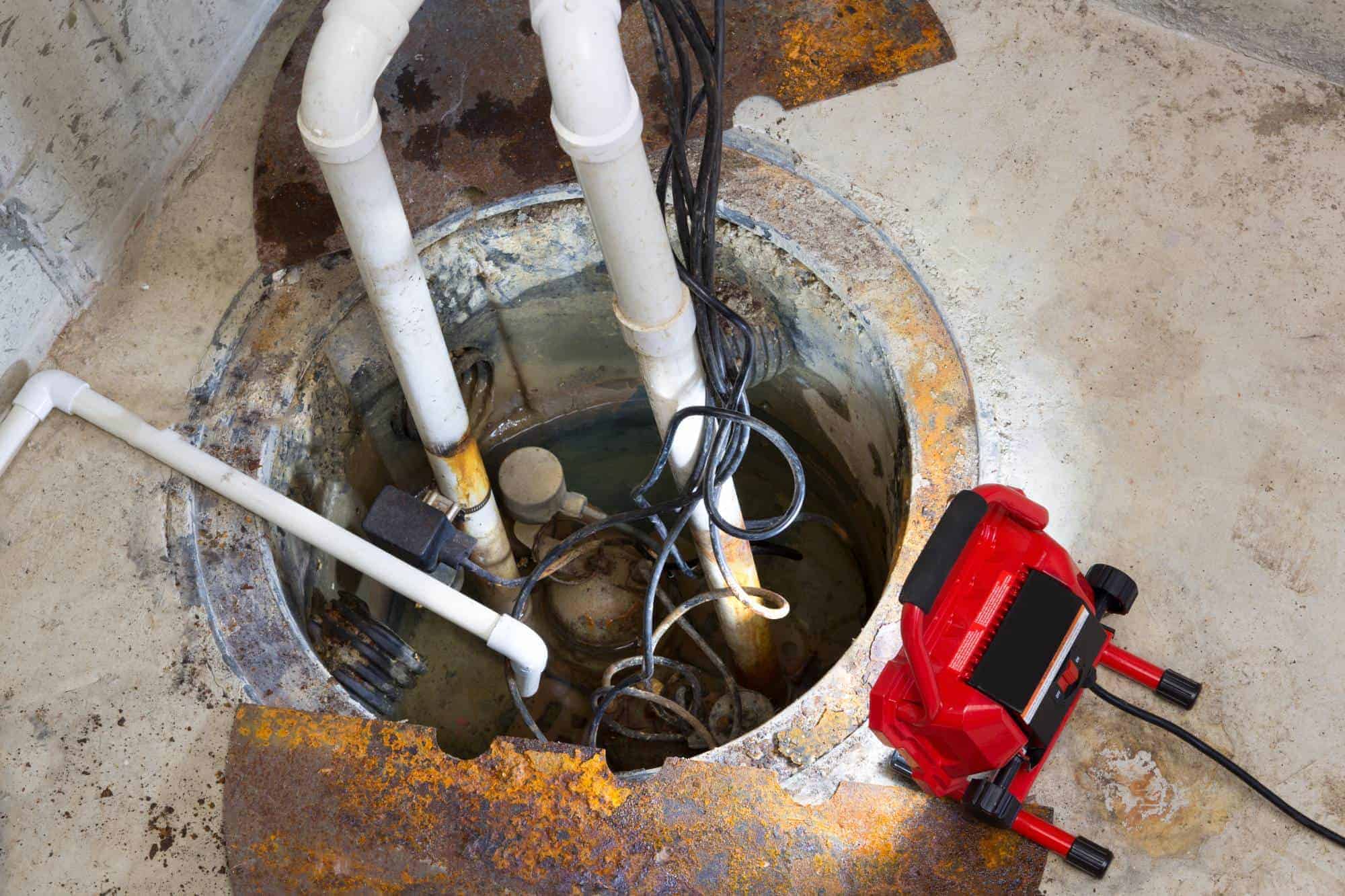
Chicago operates on a combined sewer system that handles both sanitary waste and stormwater in the same pipes. During heavy rains, Chicago’s 100 year old combined sewer system may reach capacity resulting in backup. In a combined sewer system, sanitary sewage and stormwater drain into the same pipes.
When the system gets overwhelmed, the city is overwhelmed with water, and it often flows back into residential drains. This creates a domino effect where basement flooding becomes widespread across neighborhoods.
During intense storms, sewer mains fill up, and additional water pushes into basements through the private sewer drains. The problem gets worse during power outages when pumps stop working just when you need them most.
Chicago’s unique geography compounds these issues. During the winter and spring months here in the Chicago area, heavy snow and rain can saturate the ground with excess water. Since many basements are below the water table, water will begin to seep up from the ground into the basement.
Without a properly functioning sump pump, this groundwater has nowhere to go except into your basement. The result? Thousands of dollars in damage, ruined belongings, and potential health hazards from mold growth.
Chicago operates on a combined sewer system that handles both sanitary waste and stormwater in the same pipes. During heavy rains, Chicago’s 100 year old combined sewer system may reach capacity resulting in backup. In a combined sewer system, sanitary sewage and stormwater drain into the same pipes.
When the system gets overwhelmed, the city is overwhelmed with water, and it often flows back into residential drains. This creates a domino effect where basement flooding becomes widespread across neighborhoods.
During intense storms, sewer mains fill up, and additional water pushes into basements through the private sewer drains. The problem gets worse during power outages when pumps stop working just when you need them most.
Chicago’s unique geography compounds these issues. During the winter and spring months here in the Chicago area, heavy snow and rain can saturate the ground with excess water. Since many basements are below the water table, water will begin to seep up from the ground into the basement.
Without a properly functioning sump pump, this groundwater has nowhere to go except into your basement. The result? Thousands of dollars in damage, ruined belongings, and potential health hazards from mold growth.
Want live answers?
Connect with a Go-Rooter Emergency Plumbers expert for fast, friendly support.
Installing a sump pump in Chicago isn’t a DIY project. Sump pumps are complex because they require the pump itself to be installed right, along with its pipes and drainage. As with any plumbing project in your home, the consequences—including extensive water damage and flooding—and potential cost of improper installation just aren’t worth the risk.
Professional installation ensures your system can handle Chicago’s unique challenges. The cost of installing a sump pump in Chicago ranges from $800 to $3,000, with the average cost being $1,500.
The investment pays for itself quickly when you consider the alternative. If you live in Chicago, where heavy rains and snowmelt can cause frequent basement flooding, installing a sump pump is a great idea. A sump pump can save you thousands of dollars in water damage, as well as prevent mold and mildew growth.
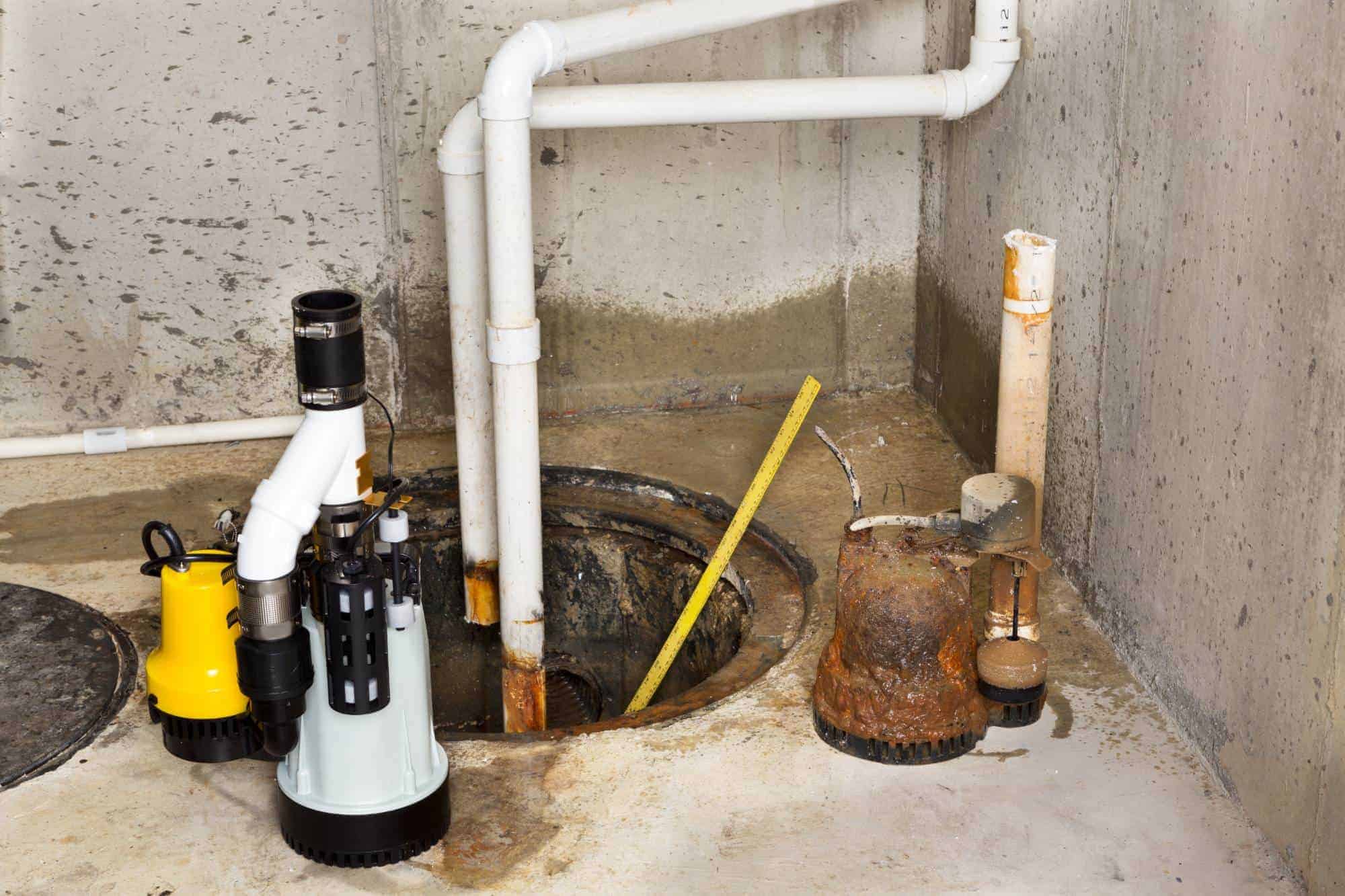
Chicago homeowners need to understand their options when selecting a sump pump system. The two main types are pedestal and submersible pumps, each with distinct advantages for local conditions.
A pedestal sump pump can last for up to 25 to 30 years and it can cost you around $60 for a conventional 1/3 horsepower pump up to $200 for a ½ horsepower pump. These pumps keep the motor above water level, making maintenance easier and extending lifespan.
Submersible sump pump, on the other hand, is estimated to cost around $100 to $400 with ¾ horsepower. However, its lifespan can only reach up to 15 years maximum. While they don’t last as long, submersible pumps are more powerful and quieter during operation.
For Chicago’s challenging conditions, we often recommend submersible pumps with battery backup systems. A battery-only backup sump pump is designed to work when the power fails, a common occurrence during big storms in the Chicago area. Powerful batteries will keep this pump running for as much as 72 hours.
The key is matching your pump capacity to your home’s specific needs. When selecting a sump pump, make sure you understand that manufacturers’ pumping capacity claims depend on “head height,” which is the vertical distance the sump pump has to move water to get it out of your basement. For example, if a pump can move 30 gallons per hour at a 5-foot head and your sump outlet is 8 feet above the floor, it’s going to perform at a considerably lower rate.
While some homeowners consider installing sump pumps themselves, Chicago’s unique challenges make professional installation essential. Chicago sump pump installation is not a DIY project. It should be handled by professionals to ensure that it will function correctly during flood emergencies. It involves excavation at the lowest part of your property called sump.
We understand local building codes, soil conditions, and drainage requirements specific to Chicago. We ensure proper pit sizing, discharge pipe placement, and electrical connections that meet safety standards.
The type of floor that you have can also have an impact on your sump pump installation in Chicago project. The harder your floor is, the costlier it will get because of the difficulty of digging it. If you have cement or concrete floors in your basement, it can cost you around $2,000 to $5,000 in addition to the total cost.
We also know how to integrate your sump pump with existing drainage systems and can recommend additional flood protection measures like backup pumps or water alarms. Installing a sump pump with a battery backup will more than double your cost, but it provides peace of mind and protection during power outages.
The complexity goes beyond just installation. The sump pump capacity and head shall be appropriate to anticipated use requirements. The sump pit shall be not less than 18 inches (457 mm) in diameter and 30 inches (762 mm) deep, unless otherwise approved. Our professional installation ensures compliance with Chicago’s specific plumbing codes.
Most importantly, our professional installation comes with warranties and guarantees. When your basement floods at 2 AM during a storm, you want to know your system was installed correctly by licensed professionals who stand behind their work.
From March to October, Chicago plumbers receive an influx of service calls for basement flooding and related issues, such as clogged sump pumps. Most of these problems could be prevented with proper maintenance.
Regular maintenance keeps your system ready for Chicago’s unpredictable weather. You should test your sump pump every three to four months and especially before spring. Simple testing can identify problems before they cause flooding.
Sump pump equipment should be maintained and serviced at least once a year, including batteries. Do not wait until your basement floods! Professional maintenance ensures your system performs when you need it most.
Working with experienced local professionals like us at Go-Rooter Emergency Plumbers ensures your sump pump system provides reliable flood protection year-round. Our preventative maintenance approach and 24/7 emergency response give Chicago homeowners the peace of mind they need during storm season.
Article details:
Share:
Continue learning:
Request a Callback
Want to skip the wait?
Simply enter your contact details, and we’ll call you when a NY Spine Advisor becomes available.