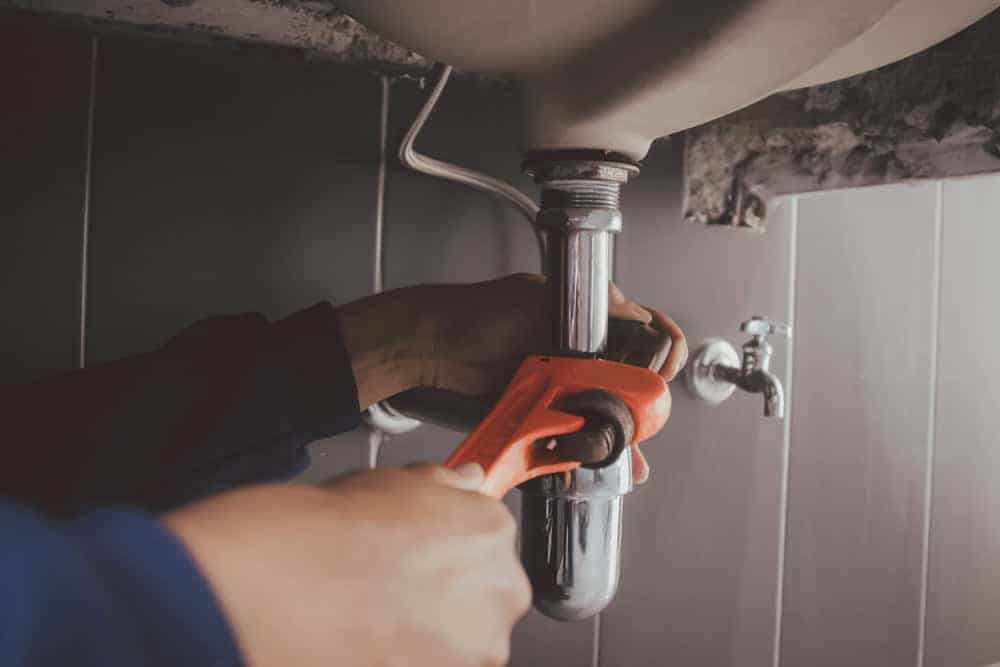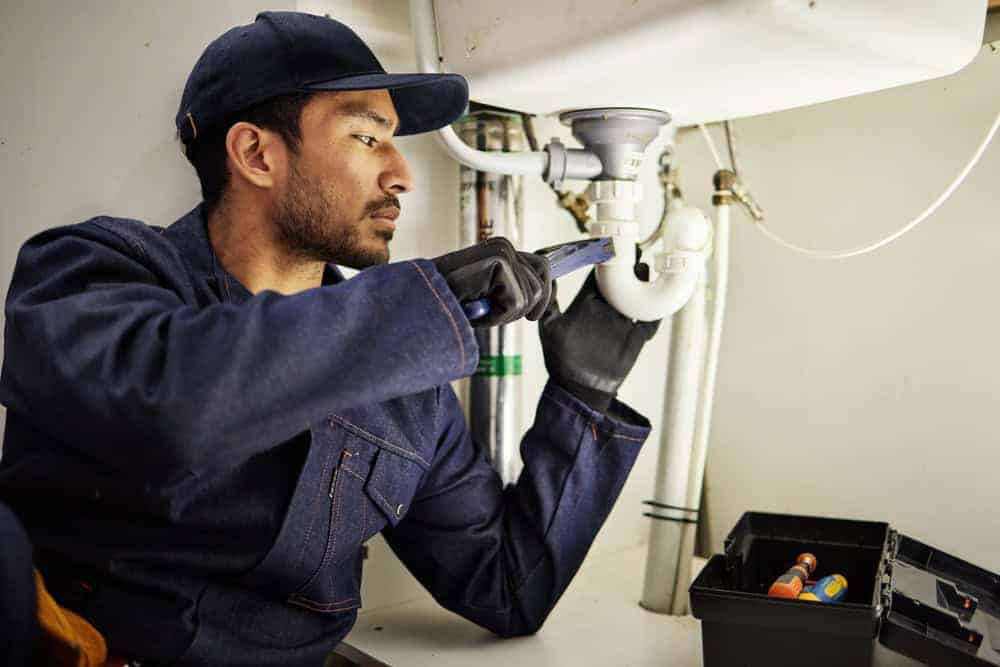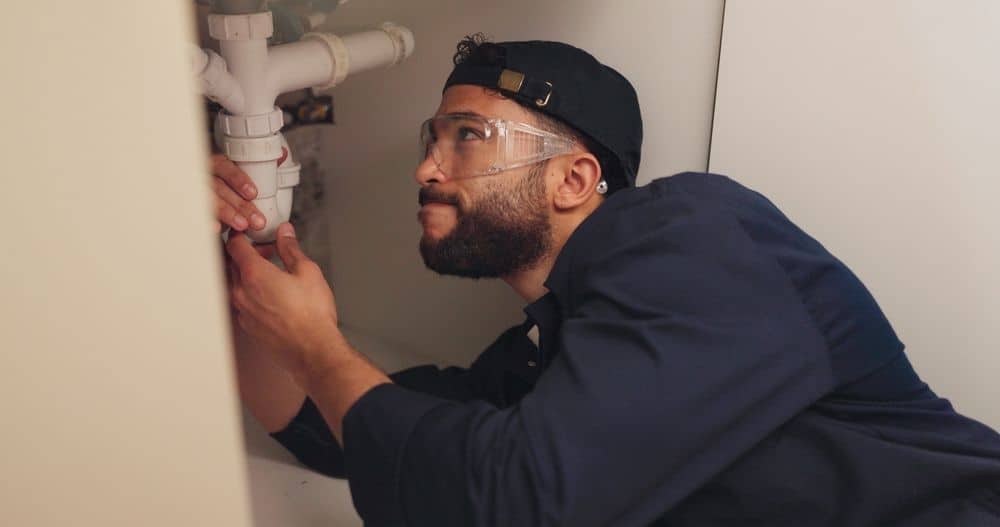
Chicago winters don't wait. Get immediate help with frozen pipes from our 24/7 emergency plumbers—real people, fast response, transparent pricing across Cook County, IL.
Share:
Request a Callback
Want to skip the wait?
Simply enter your contact details, and we’ll call you when a Go Rooter Advisor becomes available.
Summary:
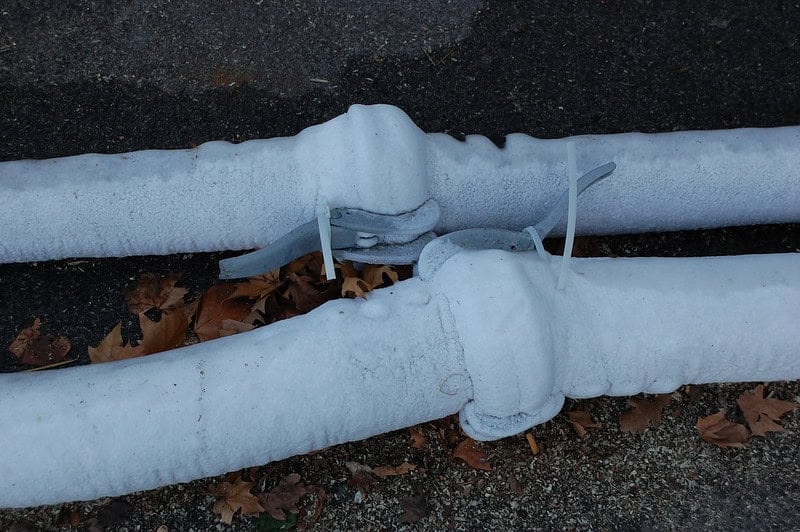
Your faucet’s running dry. It’s 15 degrees outside in Cook County, IL, and you know exactly what that means. Somewhere in your walls, basement, or crawl space, water has turned to ice. Your pipes are under pressure, and the clock is ticking.
You need help with frozen pipes, and you need it now—not tomorrow morning, not during business hours, not next week when the plumber “has an opening.” The next few hours determine whether you’re dealing with a manageable thaw or thousands of dollars in water damage and ruined belongings.
Knowing what to do right now, understanding when to stop DIY attempts, and getting the right emergency plumber on-site fast can save your home from disaster. Here’s everything you need to know when frozen pipes hit your Cook County property.
First, don’t panic. Frozen pipes are fixable if you act fast and smart.
Turn on the affected faucet and leave it open. Even a trickle of water means flow is still possible, which helps prevent pressure buildup and bursting. If nothing comes out at all, you’ve got a complete freeze and the situation is more urgent.
Find your main water shutoff valve right now, before things escalate. You might need to cut the water supply within seconds if you hear cracking or see water starting to leak. Most Cook County homes have this valve in the basement near where the water line enters your house, or outside in a concrete box near the street. Mark it with bright fluorescent tape so you can locate it in the dark during a middle-of-the-night emergency.
Check other faucets throughout your home. If only one fixture isn’t working, the freeze is localized to that section of pipe. If multiple faucets are dry, you’re dealing with a larger problem—possibly your main line or a major supply pipe serving several areas.

You can attempt thawing yourself only if three conditions are met: the frozen pipe is exposed and visible, you can safely access it, and you see absolutely no cracks, bulges, or damage. Check the pipe carefully for frost buildup, discoloration, or any swelling. If you spot damage, stop immediately and call a professional plumber.
Safe DIY thawing methods include a hair dryer on low setting, an electric heating pad wrapped around the pipe, or a space heater positioned at least three feet away from any flammable materials. Never—and this can’t be stressed enough—use open flames, propane torches, blowtorches, or anything that could start a fire or cause sudden thermal shock to frozen pipes. Chicago fire departments respond to house fires caused by improper pipe thawing every winter.
Apply heat slowly and patiently, starting from the faucet end and working backward toward the frozen section. This approach lets melting water escape through the open faucet instead of building dangerous pressure behind the ice blockage. Keep the faucet running while you work.
Watch closely as ice melts. Any drips, wet spots, or leaks that weren’t visible before signal cracks that developed when water expanded during freezing. If you see new leaks appearing, shut off your main water valve immediately and call for emergency help with frozen pipes.
Most accessible frozen pipes take around 30 minutes to thaw with gentle, consistent heat application. If you’ve been working on it for over an hour with zero progress, the frozen section is likely in a location you simply can’t reach—inside a wall, under a floor, or in your crawl space. That’s when you need professional thawing equipment.
Here’s what you absolutely cannot do: don’t pour boiling water directly on pipes, don’t crank up heat sources to maximum trying to speed things up, and don’t ignore warning signs like unusual sounds or visible pipe deformation. The cost of doing it wrong—burst pipes, flooding, water damage, mold—far exceeds the cost of calling someone with proper training and equipment.
Some frozen pipe situations require specialized equipment and expertise from minute one. Call an emergency plumber immediately if you can’t locate which pipe is frozen, if the frozen section is inside a wall or ceiling, if you see any cracks or bulging, or if water damage is already visible.
No water flowing from multiple faucets throughout your Cook County home means your main supply line or a major distribution pipe is frozen solid. This isn’t a hair dryer job. You need professional thawing machines that can warm pipes from the inside out, even when they’re buried behind drywall or running underground beneath your foundation, without the thermal shock that causes additional cracking when amateurs apply too much surface heat too quickly.
If you hear dripping or running water behind walls, notice water stains spreading on ceilings or walls, see damp or wet carpet appearing, or smell anything musty or unusual from your drains, you’re past the prevention stage and into active damage control. Shut off your main water valve immediately and get professional help—waiting even an hour can turn a $500 repair into a $5,000 restoration project.
Repeated freezing in the same pipe location every winter signals a deeper problem that DIY thawing won’t solve. Poor insulation, structural gaps letting cold air reach pipes, or plumbing routed through areas that simply can’t maintain adequate temperature during Cook County’s brutal cold snaps—these issues need permanent fixes. We can assess why that specific pipe keeps freezing and provide real solutions like relocating vulnerable sections, installing proper insulation, adding heat tape to problem areas, or sealing foundation cracks that let arctic air penetrate.
Property managers and landlords dealing with frozen pipes in rental units should never allow tenants to attempt DIY thawing methods. The liability risk and potential for inexperienced people to cause catastrophic damage means calling a qualified, licensed, insured plumber is always the correct move.
The reality is that professional emergency plumbers carry equipment designed specifically for frozen pipe situations that homeowners simply don’t have access to. Electric pipe thawing machines, infrared thermal cameras to pinpoint exact frozen locations without demolition, and pressure testing equipment to detect hidden cracks before they become floods—these specialized tools can restore your water flow in under 10 minutes and prevent the disaster that happens when well-meaning amateurs make the wrong call.
Cook County winters are unforgiving. When temperatures stay below 20 degrees for extended periods, even pipes that have never frozen before become vulnerable. Professional help isn’t admitting defeat—it’s making the smart choice that protects your home and your wallet.
Want live answers?
Connect with a Go-Rooter Emergency Plumbers expert for fast, friendly support.
Genuine emergency plumber service means an actual human being answers your call at 2 AM, not an answering service that takes a message for the next business day. When you’re dealing with frozen pipes that could burst within the hour, “we’ll have someone call you back in the morning” isn’t remotely acceptable.
You should expect—and demand—upfront pricing before any work begins. No surprise charges appearing on the final bill, no emergency surcharges that triple the cost because it’s Saturday night, no hidden fees that weren’t disclosed when you agreed to service. We tell you exactly what you’ll pay before touching a single pipe, even if it’s 3 AM on Christmas.
Response time separates real emergency services from companies that just claim 24/7 availability. In Cook County, we arrive within 30 to 60 minutes for genuine frozen pipe emergencies. Every hour you wait increases the risk of a burst pipe and the cascading water damage that follows—ruined floors, destroyed belongings, soaked drywall, electrical hazards, and potential mold growth.
Our frozen pipe service starts with accurately locating the exact frozen section using specialized detection equipment and decades of experience with Cook County homes. No guesswork, no randomly cutting into walls hoping to stumble across the problem. We know where pipes typically freeze in Chicago-area properties—unheated basements, crawl spaces with inadequate insulation, exterior walls in older homes, and vulnerable spots in the plumbing systems common to buildings constructed before modern codes.
We apply controlled, gradual heat using professional thawing equipment that’s worlds apart from hardware store solutions. Industrial electric thawing machines warm frozen pipes progressively from the inside out, preventing the sudden thermal shock that causes cracks and breaks when you blast cold metal with intense surface heat. The process works safely with copper, PEX, galvanized steel, and other pipe materials, and it’s effective even when the frozen section is completely inaccessible to homeowners or buried underground.
After successfully thawing the frozen pipe, we don’t just pack up and leave. We test water flow and pressure throughout your entire plumbing system, checking every faucet, fixture, toilet, and connection point to verify everything functions properly. This comprehensive testing catches problems that aren’t immediately obvious to the untrained eye—like a pipe that developed a hairline crack during the freeze but hasn’t started actively leaking yet because the crack is still partially blocked with residual ice.
Pressure testing after thawing identifies small cracks, weak spots, and compromised sections that might fail days or weeks later. This preventive step keeps you from experiencing a nasty surprise two weeks down the road when that invisible damage finally gives way and floods your basement while you’re at work or asleep. Finding and fixing these issues immediately prevents future emergency calls and the much higher costs of dealing with burst pipe water damage.
Our comprehensive approach includes inspecting your insulation quality, checking heating system performance in vulnerable areas, and identifying structural issues like foundation cracks or missing weatherstripping that allowed frigid air to reach your pipes in the first place. You’re not just paying for a temporary thaw—you’re getting a professional assessment of why the freeze happened and specific recommendations for preventing recurrence when the next polar vortex hits Cook County.
Cook County’s notoriously brutal winters, with sustained periods of subfreezing temperatures and wind chills well below zero, make proper pipe protection absolutely essential for homeowners. We use thawing methods and prevention strategies specifically designed for Illinois winter conditions, ensuring your pipes stay flowing reliably even when overnight temperatures plummet into the single digits or below zero.
Understanding Cook County’s specific climate challenges—which pipe materials fail first in local conditions, common problem areas in regional construction styles, and long-term solutions that actually work through multiple harsh Illinois winters—separates plumbers who truly know what they’re doing from those just going through generic motions.
Emergency plumbing costs in the Chicago area typically range from $349 to $504 for standard emergency calls, though actual pricing varies based on the specific problem severity, time of service, and repair complexity. During peak winter months when frozen pipe calls spike, some companies charge one and a half to three times their normal hourly rates, adding hundreds of dollars to your bill simply because it’s cold outside and demand is high.
That’s precisely why upfront, transparent pricing matters so much when you’re choosing an emergency plumber. You deserve to know the actual cost before work begins, not after the plumber hands you a final bill that’s shockingly double or triple what you expected based on the phone conversation.
We provide clear, detailed estimates that include labor charges, materials costs, and any diagnostic or service call fees. There are zero surprise charges for responding at night, no weekend surcharges that weren’t mentioned upfront, and no mysterious “emergency fees” or “after-hours premiums” that suddenly appear on the invoice.
The cost of professional emergency plumber service often runs significantly less than the potential water damage costs from DIY mistakes or delayed response. When you factor in insurance deductibles that typically start at $500 or $1,000, time lost from work dealing with extensive repairs and insurance claims, ruined belongings that need replacement, flooring and drywall damage requiring professional restoration, and potential mold remediation if water sits too long—suddenly that emergency plumber bill starts looking like a genuine bargain that saved you from financial disaster.
Some frozen pipe situations are relatively straightforward and can be resolved quickly with professional equipment. Others involve multiple frozen sections throughout your plumbing system, damaged pipes requiring replacement, or complex access issues that take longer to diagnose and fix properly. Most frozen pipe repairs are completed within a few hours, not days, assuming the plumber has the right equipment and experience.
Ask explicitly about warranties covering both labor and replacement parts. We stand confidently behind our work. If the repair fails within a reasonable timeframe, or if the same pipe section freezes again during the same winter season, we’ll make it right without charging you for a second complete service call.
Discount programs and special offers can help offset emergency service costs. We offer senior citizen discounts, seasonal specials on preventive services like hydro jetting, and significant money off major repairs like sewer line work. These aren’t always advertised prominently during emergency calls, so ask directly what discount programs might apply to your situation.
The absolute cheapest option isn’t always—or even usually—the best option when you’re dealing with frozen pipes that could burst. You’re investing in proper professional-grade equipment, experienced licensed technicians who understand Cook County’s specific winter challenges, permanent solutions that prevent the same emergency from happening again next month, and the peace of mind that comes from knowing the job was done right. That expertise and reliability has genuine value that extends far beyond the immediate price tag on the invoice.
Frozen pipes don’t have to turn into flooding disasters if you take smart immediate action and know exactly when to call professionals who have the right equipment and experience. Shutting off water supply, applying safe gentle heat to accessible pipes, and protecting your property from water damage can prevent catastrophe while you wait for emergency help to arrive. But many frozen pipe situations need professional thawing equipment and expertise from the very start—trying DIY methods in those cases just wastes critical time and increases damage risk.
The difference between a manageable repair bill and extensive water damage restoration costs often comes down to response speed and choosing an emergency plumber who actually knows what they’re doing in Cook County’s brutal winter conditions. Real 24/7 availability with humans answering phones at 2 AM, upfront transparent pricing with no surprise charges, and experienced technicians carrying the specialized tools to handle Illinois winters properly—that’s what transforms a crisis into a solved problem.
When you need help with frozen pipes in Cook County, IL, we provide the fast response times, professional thawing equipment, and permanent solutions that matter most during plumbing emergencies. Available around the clock across all of Cook County with transparent upfront pricing, same-day service, and the hands-on experience to handle frozen pipes correctly the first time—preventing the repeat emergencies that happen when the job isn’t done right.
Article details:
Share:
Continue learning:
Request a Callback
Want to skip the wait?
Simply enter your contact details, and we’ll call you when a NY Spine Advisor becomes available.