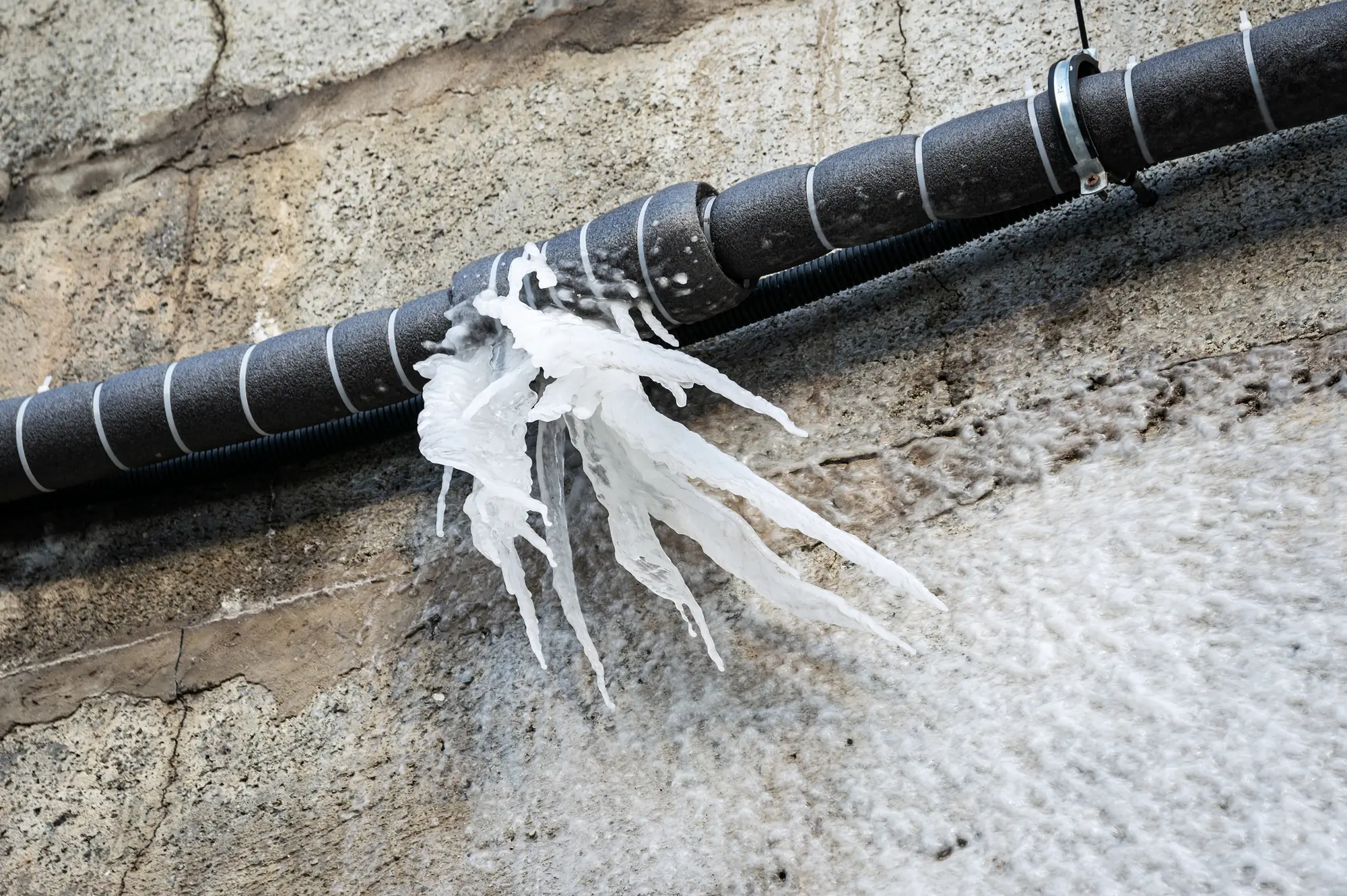
Your water heater is trying to tell you something. Here's how to read the signs before a small problem turns into a flooded basement.
Share:
Request a Callback
Want to skip the wait?
Simply enter your contact details, and we’ll call you when a Go Rooter Advisor becomes available.
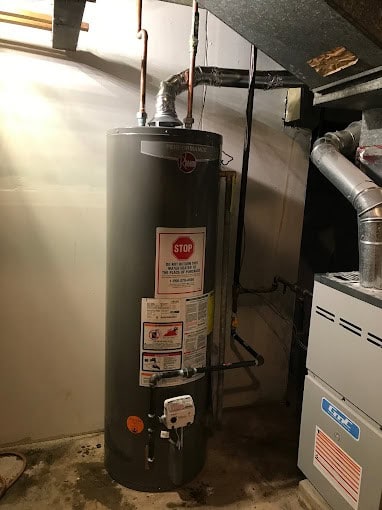
Summary:
Something’s off with your water heater. Maybe the hot water runs out faster than it used to. Maybe you’re hearing a low rumbling sound from the basement. Maybe there’s a small puddle forming around the base of the unit and you’re not sure if it’s serious.
Here’s the honest answer: it depends on the symptom. Some of these signs are early warnings you can address on your schedule. Others mean you should stop reading and call someone right now. This guide walks you through the most common water heater problems Cook County homeowners run into — what’s causing them, what they cost to fix, and when waiting becomes a much more expensive mistake.
Water heaters don’t fail without warning. They give you signals — sometimes weeks or months before the real problem hits. The trouble is, most of those signals are easy to dismiss. A little noise, slightly cooler water, a faint smell. Nothing that feels urgent until it is.
Understanding what each symptom points to is the fastest way to make a smart decision. Not every symptom means you need a new unit. And not every “minor” issue is safe to ignore. The sections below break down the most common ones, starting with the ones that tend to catch Cook County homeowners off guard.
That low rumbling or popping sound coming from your water heater isn’t random — it’s sediment. Chicago’s municipal water supply carries minerals that, over time, settle at the bottom of your tank. As the heating element works to warm the water above it, it’s also heating through that layer of hardened mineral buildup. The result is the knocking, popping, or rumbling sound you’re hearing.
This is one of the most common complaints we get from homeowners across Cook County, and it’s directly tied to the area’s water supply. It’s not unique to older homes or older units — it happens in relatively new systems too, especially if the tank has never been flushed.
The noise itself isn’t the emergency. What it signals is. Sediment buildup forces your water heater to work harder and run longer to heat the same amount of water. That extra strain raises your energy bill, shortens the life of the heating element, and accelerates wear on the tank itself. Left alone long enough, the sediment hardens into a layer that no amount of flushing will remove — at that point, the unit is living on borrowed time.
If you’re hearing this noise and your unit is under eight years old, a professional flush and inspection can often extend its life significantly. If the unit is pushing ten or twelve years and the noise has been going on for a while, the honest conversation is about whether repair or replacement makes more financial sense.
Rusty or brownish water coming out of your hot tap is unsettling, but it’s also one of the easier symptoms to diagnose at home. Here’s a quick test: run your cold tap. If the cold water looks fine and only the hot water is discolored, the problem is almost certainly inside your water heater, not your pipes.
What you’re seeing is internal tank corrosion. Water heaters have a component called an anode rod — a sacrificial metal rod designed to corrode slowly so the tank itself doesn’t. When that rod is depleted, the tank starts corroding from the inside. Rust-colored water is often the first visible sign that this process is underway.
The good news is that catching this early matters. If the anode rod is simply exhausted and the tank itself is still in reasonable shape, replacing the rod can stop the corrosion and restore water quality. It’s a relatively straightforward repair. But if the tank has already begun corroding significantly, no repair will reverse that — replacement becomes the only real option.
In Cook County’s older housing stock — the pre-1980 homes common in neighborhoods like Pilsen, Rogers Park, Bridgeport, and communities like Cicero and Berwyn — this scenario comes up often. The combination of aging infrastructure and hard water accelerates anode rod depletion faster than most homeowners expect. If your hot water has taken on any color at all, it’s worth having someone take a look before the corrosion progresses to the point where replacement is the only path forward.
Want live answers?
Connect with a Go-Rooter Emergency Plumbers expert for fast, friendly support.
A leak is the symptom that tends to send people into immediate panic — and sometimes that’s the right response. But not every leak means your water heater is done. Where the water is coming from tells you almost everything you need to know about how serious the situation is.
Loose fittings at the top of the unit, a faulty temperature and pressure relief valve, or a worn drain valve are all repairable. These are components, not the tank itself, and a licensed plumber can typically address them in a single visit. The situation changes completely when the water is coming from the tank body.
A leak at the base of the tank — not from a valve or fitting, but from the tank itself — is almost always a sign of internal corrosion that has progressed to the point of structural failure. Once the tank body is compromised, there’s no patch, no repair, and no workaround. The unit needs to be replaced, and the timeline for doing so is short.
This matters especially in Cook County because the vast majority of homes here have basements. A water heater that fails completely doesn’t just leave you without hot water — it can dump dozens of gallons into your basement in a matter of hours. In a finished or semi-finished basement, that’s not just an inconvenience. It’s structural damage, ruined flooring, potential mold, and a homeowner’s insurance claim.
If you’re seeing water pooling at the base of your unit and it’s coming from the tank itself, this is not a “wait until Monday” situation. The T&P relief valve dripping is a different story — that valve is designed to release pressure when the tank overheats, and a dripping valve can sometimes be replaced on its own. But water seeping from the seams or the bottom of the tank body means the tank has already begun to fail.
We’ve responded to water heater emergencies throughout Cook County — from the North Side of Chicago to suburban communities like Evanston, Oak Park, and Harvey — and the ones that turn into serious water damage events are almost always cases where a slow leak at the base was noticed and ignored for a few days. The cost difference between catching it early and dealing with the aftermath is significant.
One of the things we do differently at Go-Rooter Emergency Plumbers is use camera inspections not just to diagnose the problem in front of us, but to identify what’s developing around it. When we’re called out for a water heater issue, we’re looking at the full picture — the condition of the tank, the surrounding pipes, the drain situation in the basement, and whether the home has any flood control measures in place.
This matters because a water heater failure in a Cook County basement doesn’t happen in isolation. If the floor drain is partially blocked, if the sump pump hasn’t been serviced, or if there’s no flood control system, a failed water heater can cause far more damage than it should. We offer flood control installation as a separate service, and we’re currently offering $300 off for new installations — but the more important point is that a camera inspection can show you what your basement’s vulnerability actually looks like before anything goes wrong.
For homeowners in older Cook County communities where the plumbing infrastructure dates back several decades, this kind of preventative look is genuinely valuable. Cast iron pipes, aging floor drains, and outdated sump systems are common in homes built before 1980, and they don’t handle a sudden influx of water well. Knowing where your weak points are — before you’re standing in two inches of water at midnight — is the kind of information that pays for itself.
We’re straightforward about this: not every water heater situation requires emergency intervention. If your unit is making noise but still functioning, if you’re noticing slightly reduced hot water output, or if the water has taken on a faint color — these are things worth scheduling soon, not things that require you to drop everything today. We’ll tell you honestly where your situation falls.
The short version: if water is on the floor, the hot water is completely gone, or you’re smelling anything unusual near the unit, call now. If you’re dealing with noise, reduced output, or slightly discolored water, schedule soon — within a few days, not a few weeks.
The repair-vs-replace question is one we take seriously. Chicago’s average water heater repair runs around $567, while replacement averages $1,143. Whether repair makes sense depends on the unit’s age, what’s actually wrong, and how many times it’s needed attention recently. We’ll give you a straight answer on that before any work begins — written estimate, no surprises, same rate whether it’s Tuesday afternoon or Saturday night at 2 AM.
If you’re in Cook County and something about your water heater doesn’t feel right, Go-Rooter Emergency Plumbers is available around the clock. We typically arrive within 60 to 90 minutes of your call, and our trucks are stocked to handle most repairs on the first visit.
—
FREQUENTLY ASKED QUESTIONS
Article details:
Share:
Continue learning:
Request a Callback
Want to skip the wait?
Simply enter your contact details, and we’ll call you when a NY Spine Advisor becomes available.