Deciding between DIY plumbing and calling a professional can save or cost you thousands. Learn the clear signs that tell you when it's time to pick up the phone.
Share:
Request a Callback
Want to skip the wait?
Simply enter your contact details, and we’ll call you when a Go Rooter Advisor becomes available.
Summary:
You’re standing in your basement watching water pool around your water heater, or maybe you’re dealing with a toilet that won’t stop running no matter how many YouTube videos you watch. The question hits you: can I fix this myself, or do I need to call someone?
It’s not just about saving money. It’s about making the right call before a manageable problem turns into water damage, a voided warranty, or a repair bill that’s triple what it should have been. Some plumbing issues are genuinely DIY-friendly. Others? They’re traps waiting to cost you more than you’d ever save.
Let’s cut through the confusion and talk about what actually separates a smart DIY fix from a situation that needs professional hands—and why knowing the difference matters more than you think.
The honest answer? Most homeowners can handle more than they think—but also attempt more than they should. The line between the two isn’t always obvious until you’re already in over your head.
Here’s what actually matters when you’re making that call. If the problem involves your main water line, sewer system, gas connections, or anything hidden behind walls, you’re looking at professional territory. If it’s a surface-level issue you can see, access easily, and undo if things go sideways, you might have a shot at DIY.
But there’s more to it than access. Think about consequences. A botched faucet replacement might drip for a few days. A botched pipe repair can flood your home in minutes, cause thousands in water damage, and leave you dealing with mold remediation for months. The stakes change everything.
Some situations don’t leave room for trial and error. Burst pipes are the obvious one—they can release gallons of water every minute, and every second you wait adds to the damage. You shut off the main water valve and call immediately. There’s no DIY option that makes sense here.
Sewage backups fall into the same category. If you’re smelling sewage or seeing it back up into your drains, you’re dealing with a health hazard that needs professional equipment and expertise. Trying to snake your way through that problem yourself usually makes it worse and exposes you to contamination you don’t want anywhere near your home.
Then there are the less dramatic but equally serious situations. No water pressure throughout your whole house. Multiple drains clogging at once. Water stains spreading across your ceiling. Gurgling sounds when you flush the toilet. These aren’t minor annoyances—they’re warning signs of bigger problems developing in your system.
Gas line issues deserve their own mention. If you smell gas or suspect any problem with gas connections, you don’t troubleshoot. You evacuate, call your gas company, and get a professional out there. Gas leaks can cause explosions and fires. There’s no YouTube tutorial worth that risk.
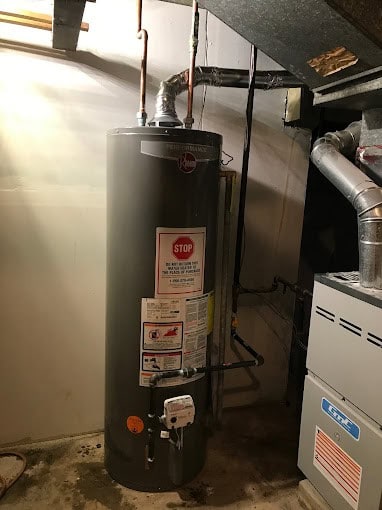
Water heater problems can go either way, but if you’re seeing leaks, hearing strange noises, or dealing with no hot water in the middle of a Chicago winter, a professional can diagnose whether it’s a simple fix or a failing system. We have the tools to check for sediment buildup, pressure issues, and failing components that aren’t visible from the outside.
Frozen pipes are another Chicago-specific concern. It only takes a few hours of below-freezing temperatures for pipes to freeze, and once they do, they can burst when they thaw. If you catch it early, a professional can thaw them safely. If you try to do it yourself with a torch or heat gun, you risk cracking the pipe or starting a fire.
Not everything needs a service call. Some repairs are genuinely straightforward, and if you’re reasonably handy, you can save yourself the labor cost without taking on serious risk.
Replacing a faucet or showerhead is one of the most common DIY wins. You turn off the water supply, unscrew the old fixture, wrap some thread tape on the new one, and tighten it back into place. As long as you don’t overtighten—which is where most people mess up—it’s a simple swap that takes maybe thirty minutes.
Unclogging a drain with a plunger or a basic drain snake is another safe bet. You’re not taking anything apart or risking leaks. You’re just clearing a blockage. If the plunger doesn’t work and the snake doesn’t reach it, that’s when you call someone. But for surface-level clogs, DIY makes sense.
Fixing a running toilet is doable if the problem is the flapper or fill valve. You can buy replacement parts for under twenty dollars, and the installation is mostly just clipping things into place. If adjusting those parts doesn’t solve it, though, the issue is deeper—and that’s when a professional should take a look.
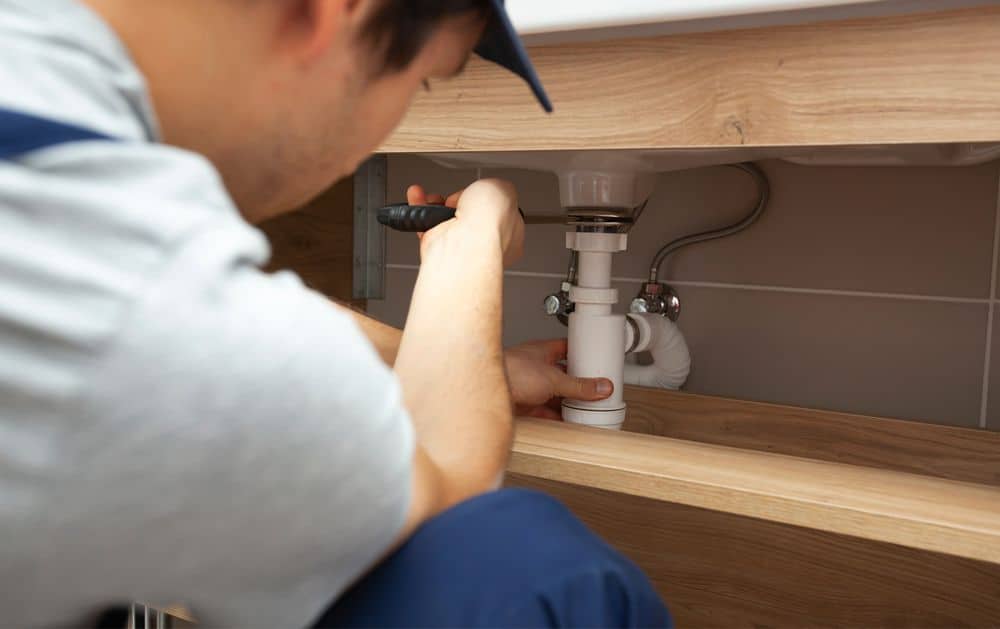
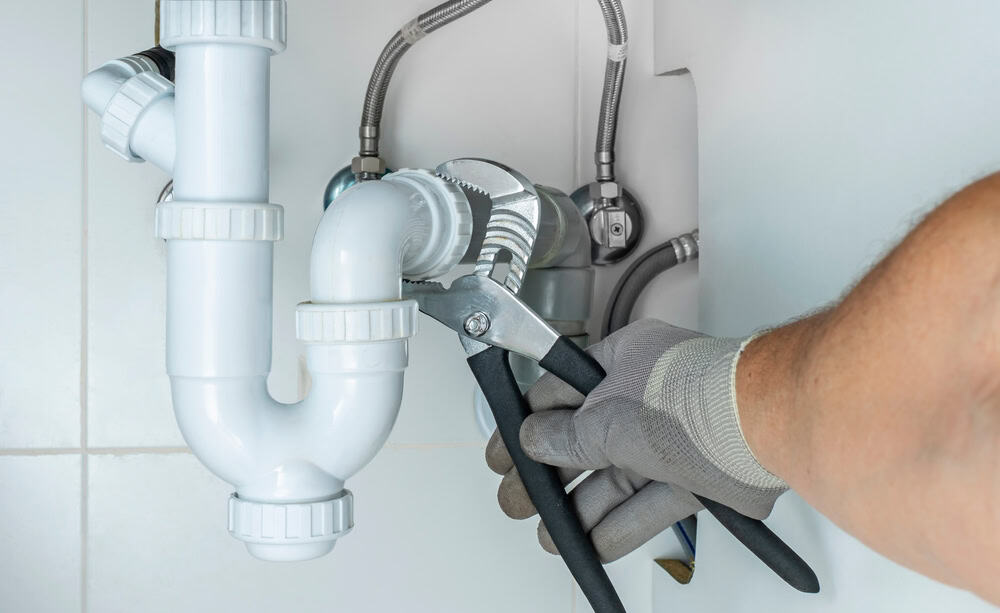
Tightening a loose pipe fitting under your sink is fine if you can see it, access it, and confirm that tightening it actually stops the drip. But if you’re tightening and it’s still leaking, or if you have to remove drywall to get to it, you’ve crossed into professional territory.
The key is knowing your limits. If you start a repair and realize halfway through that you’re in over your head, stop. Call someone before you make it worse. A service call costs a few hundred dollars. Fixing a flooded basement costs thousands.
Want live answers?
Connect with a Go-Rooter Emergency Plumbers expert for fast, friendly support.
Hiring a plumber isn’t just about getting the immediate problem fixed. It’s about getting it fixed right, with a warranty, by someone who knows how to spot the issues you can’t see yet.
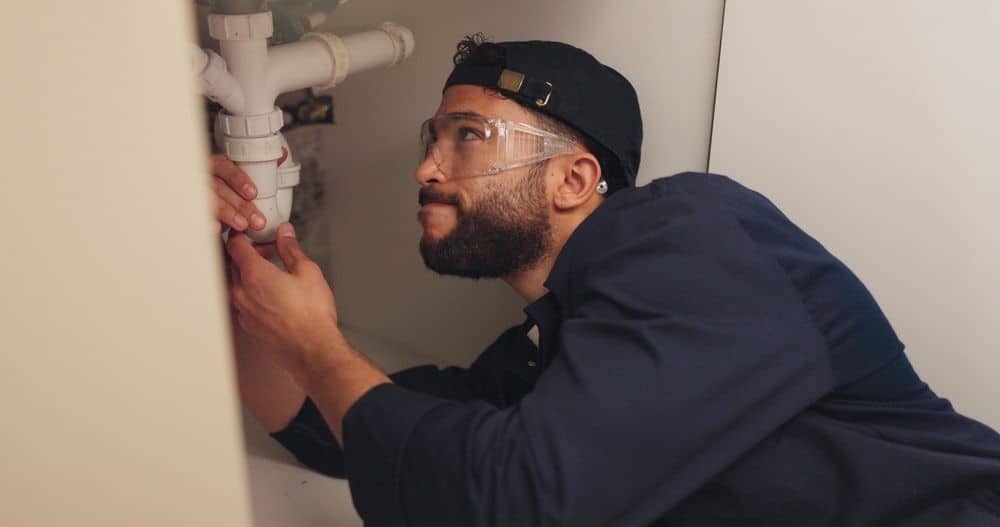
Professional plumbers bring years of training and hundreds of jobs’ worth of pattern recognition. We don’t just fix the leak—we figure out why it’s leaking in the first place. Maybe it’s a worn washer. Maybe it’s a pressure issue. Maybe it’s a sign that your pipes are corroding and you’re six months away from a bigger failure. You don’t get that level of diagnosis from a DIY repair.
We also carry insurance and offer warranties. If something goes wrong during the repair, our liability coverage handles it. If the repair fails a month later, we come back and fix it under warranty. When you DIY, you’re on your own for all of that. If you crack a pipe while trying to fix a leak, you’re paying for the new pipe, the water damage, and possibly the mold remediation.
DIY looks cheap on paper. No labor costs. Just the price of parts and maybe a tool or two. But that math only works if everything goes right.
When it doesn’t, the costs add up fast. A failed DIY repair can easily turn a $150 service call into a $1,500 emergency. Water damage spreads quickly. A small leak you didn’t notice behind a wall can soak insulation, rot framing, and create conditions for mold growth. Remediation for that kind of damage runs anywhere from $1,500 to $9,000, and that’s before you factor in the cost of fixing the original plumbing problem.
Then there’s the insurance issue. Many homeowner policies won’t cover damage caused by unlicensed plumbing work. If you attempt a repair, it fails, and your basement floods, your insurance company might deny the claim. You’re left paying for everything out of pocket.
There are hidden costs in time, too. A job that takes a professional an hour might take you an entire weekend—and that’s if you don’t have to make multiple trips to the hardware store because you bought the wrong parts the first time. If you take time off work to deal with it, or if the problem gets worse while you’re figuring it out, those costs add up.
And mistakes compound. Over-tightening a fitting can crack it. Using the wrong sealant can cause leaks. Failing to turn off the water completely before starting work can lead to flooding. Each mistake creates a new problem that costs more to fix than the original issue.
The math shifts when you factor in risk. For a simple faucet replacement, DIY makes sense. For anything involving hidden pipes, main lines, or gas connections, the potential cost of getting it wrong far outweighs what you’d save by not calling a professional.
If you’re going to tackle basic plumbing repairs yourself, you need the right tools. Not a full professional setup—but enough to handle simple jobs without damaging your fixtures or making the problem worse.
Start with a good adjustable wrench. This handles most nuts and fittings you’ll encounter under sinks or behind toilets. Get a six-inch and a ten-inch version—they’re affordable and cover different sizes without needing a whole set of wrenches.
A plunger is non-negotiable. You want two, actually: a cup plunger for sinks and a flange plunger for toilets. They work differently, and using the wrong one makes the job harder than it needs to be.
Thread seal tape—sometimes called plumber’s tape or Teflon tape—prevents leaks at threaded connections. Wrap it around the threads before you screw fittings together, and you’ll save yourself a lot of drips and callbacks. It costs a couple dollars and makes a real difference.
A basin wrench is a specialty tool, but if you’re replacing faucets, it’s worth having. It’s designed to reach the nuts behind sinks that regular wrenches can’t access. Without it, you’re stuck trying to tighten things by hand in a cramped space, and that rarely ends well.
For anything involving cutting pipes—copper, PVC, or PEX—you’ll need a tubing cutter. A hacksaw can work in a pinch, but a tubing cutter gives you clean, straight cuts that fit properly and don’t leak. They’re not expensive, and they make the job significantly easier.
A basic drain snake handles most clogs that a plunger can’t. You feed it into the drain, crank it to break up or grab the blockage, and pull it out. For deeper clogs or main line issues, you’ll need professional equipment, but a hand-crank snake covers a lot of common problems.
That’s really it for basic DIY. If a job requires tools beyond this list—like a pipe threader, a soldering torch, or a sewer camera—you’re looking at professional-level work. Buying those tools for a one-time repair costs more than just hiring someone who already owns them.
Here’s the bottom line: DIY plumbing works when the stakes are low, the problem is visible, and you have a clear exit strategy if things don’t go as planned. For everything else, calling a professional isn’t an expense—it’s an investment in getting it done right the first time.
You’re not just paying for the repair. You’re paying for the diagnosis, the warranty, the insurance, and the peace of mind that comes from knowing the problem is actually solved—not just patched over until it fails again in three months.
If you’re in Cook County and you’re dealing with a plumbing issue that’s beyond your comfort zone, we can help at Go-Rooter Emergency Plumbers. We offer 24/7 availability, upfront pricing, and a focus on long-term solutions rather than quick fixes. Sometimes the smartest move is knowing when to hand the wrench to someone who does this every day.
Article details:
Share:
Continue learning:
Request a Callback
Want to skip the wait?
Simply enter your contact details, and we’ll call you when a NY Spine Advisor becomes available.