Facing pipe problems? This guide helps you decide between repair and replacement based on cost, pipe age, materials, and your home's specific needs.
Share:
Request a Callback
Want to skip the wait?
Simply enter your contact details, and we’ll call you when a Go Rooter Advisor becomes available.
Summary:
You’ve got a leaking pipe. Or maybe your water pressure isn’t what it used to be. The plumber shows up, takes a look, and now you’re facing a decision: repair the problem or replace the whole line. It’s not always an easy call, especially when one option costs a few hundred dollars and the other might run several thousand. But here’s the thing—the cheapest fix right now isn’t always the smartest move for your wallet or your home. This guide walks you through how to think about pipe replacement versus repair, what factors actually matter, and how to know which route makes sense for your Cook County home. Let’s start with understanding when repair is enough and when replacement is the better play.
Pipe repair isn’t a cop-out. In plenty of situations, it’s the right answer. If you’ve got a single leak in an otherwise healthy system, patching that section can buy you years of reliable service without the expense of tearing everything out.
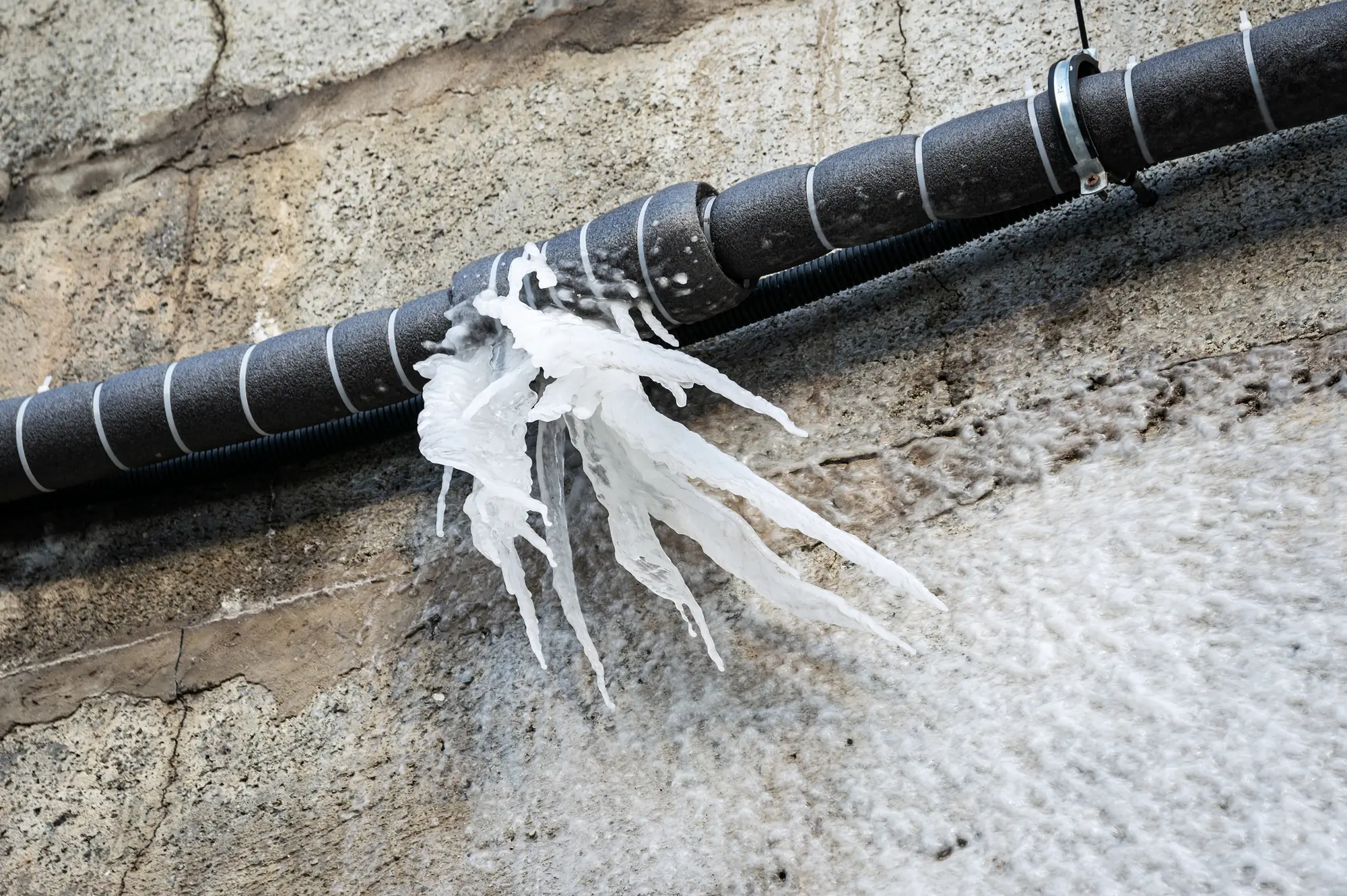
The key is whether the damage is localized or widespread. A crack in one joint, a small pinhole leak, or damage from a specific incident—like a frozen pipe that burst in one spot during a Chicago winter—can often be fixed without touching the rest of your plumbing. If your pipes are relatively new and made from durable materials like copper or PEX, a targeted repair usually does the job.
Repair also makes sense when you’re dealing with a temporary solution while you plan for something bigger. Maybe you’re not ready to invest in a full repipe right now, but you need to stop an active leak. A solid repair keeps things functional until you’re in a better position to tackle the larger project.
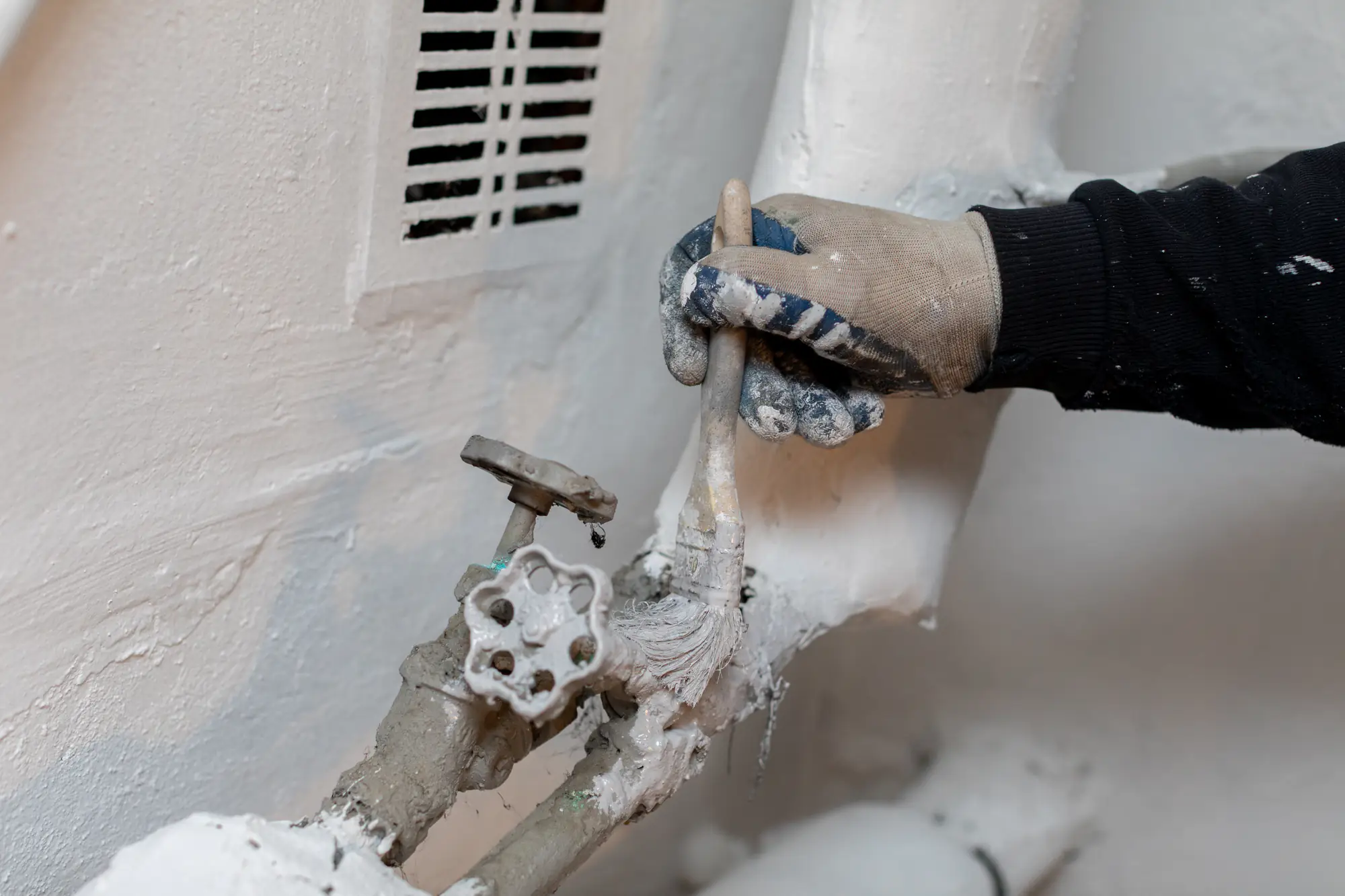
How do you know if pipe repair is viable? Start by looking at the bigger picture. If this is the first time you’ve had an issue in years, that’s a good sign. One leak doesn’t mean your entire system is failing.
Check the age and material of your pipes. Copper pipes that are 20 or 30 years old still have plenty of life left. PEX systems installed in the last couple decades are built to last 50 years or more. If your pipes fall into that category and the damage is isolated, repair is usually the smarter financial move.
Location matters too. If the problem is in an easy-to-access area—under a sink, in a basement, or in an exposed crawl space—the repair work is straightforward. You’re not cutting into walls or ripping up floors, which keeps costs down and disruption minimal. When we can get in, fix the issue, and get out without major demolition, repair becomes a no-brainer.
Another factor is whether the issue is mechanical or material-based. A leak at a joint or fitting can often be fixed by replacing that specific component. But if the pipe itself is corroding from the inside out, that’s a different story. A camera inspection can show you what’s happening inside your pipes and whether the problem is truly isolated or part of a larger pattern of deterioration.
Finally, consider your timeline. If you’re planning to sell your home in the next year or two, a repair might be all you need to get through the inspection and close the sale. Buyers want to see that active issues have been addressed, but they’re not expecting brand-new plumbing in an older home. A documented repair with a warranty can be enough to satisfy that requirement.
Repair costs vary based on what needs fixing and where it’s located. A simple patch on an exposed pipe might run a few hundred dollars. More involved work—like accessing pipes behind walls or under slabs—can push costs into the $1,000 to $2,500 range.
The type of repair also affects the price. Replacing a section of pipe costs more than fixing a joint. Trenchless methods like pipe lining can repair underground or hard-to-reach pipes without excavation, but they come with a higher price tag than traditional repairs. Still, they’re usually cheaper than full replacement and cause way less disruption to your property.
Labor makes up the bulk of repair costs. If we need to open walls, remove fixtures, or work in tight spaces, you’re paying for that time and expertise. That’s why accessible leaks are so much cheaper to fix—the actual repair work might take an hour, but getting to the pipe can take half a day.
One thing to watch for: repeated repairs in the same area. If you’ve already paid to fix a pipe once or twice and it keeps failing, you’re throwing money at a losing battle. At that point, the cost of multiple repairs starts to approach what replacement would have cost in the first place. That’s when repair stops making financial sense.
It’s also worth asking about warranties. A quality repair should come with at least a one-year guarantee on parts and labor. If the same issue pops up again during that period, we’ll fix it at no charge. That protection gives you some breathing room and confidence that the repair was done right.
Want live answers?
Connect with a Go-Rooter Emergency Plumbers expert for fast, friendly support.
Pipe replacement isn’t about being sold something you don’t need. It’s about recognizing when your plumbing system has reached the point where patchwork repairs won’t cut it anymore. If your pipes are old, corroded, or failing in multiple places, whole house repiping stops the cycle of emergency calls and water damage.
The clearest sign you need replacement is frequent, recurring problems. When you’re calling us every few months for a new leak, that’s your plumbing telling you it’s done. All the pipes in your home are roughly the same age and material, so when one section fails, others aren’t far behind. Replacing the whole system gives you decades of reliability instead of months.
Material matters too. If your Cook County home has galvanized steel pipes, polybutylene, or lead—common in Chicago-area homes built before 1986—replacement isn’t optional, it’s necessary. These materials are either health hazards or prone to failure, and no amount of repair will change that. Modern materials like PEX or copper eliminate those risks and perform better in every way.
Let’s talk numbers. A full home repipe in Cook County, IL typically runs between $4,000 and $15,000, with most homeowners landing around $7,500. That’s not pocket change, but it’s also not as terrifying as it sounds when you break down what you’re getting.
The biggest factor is your home’s size. A 1,500-square-foot house with two bathrooms costs less to repipe than a 3,000-square-foot home with four bathrooms. More square footage means more pipe, more fixtures, and more labor hours. Material choice also drives the price. PEX is the most affordable option at roughly $3.50 to $7 per square foot. Copper costs more—around $8 to $14 per square foot—but it’s a premium material that adds value to your home.
Labor accounts for about 70 percent of the total cost. We need to access your existing pipes, remove the old ones, install new lines, test everything, and patch any walls or floors we opened. That work takes skill, time, and the right tools. If your home has a slab foundation or limited attic access, expect labor costs on the higher end because the work is more complex.
Don’t forget about permits and inspections. Most municipalities in Cook County require permits for whole-house repiping, which can add $250 to $800 to your total. Those permits ensure the work meets local building codes and gets inspected for safety. Skipping permits might save money upfront, but it creates major headaches when you try to sell your home or file an insurance claim.
Drywall repair is another cost to factor in. Repiping requires opening walls to access pipes, and those holes need to be patched and painted afterward. Some plumbing companies include drywall repair in their quotes, while others charge separately. Always ask upfront what’s included so you’re not surprised by an extra bill at the end.
Here’s the thing about repiping costs: they’re an investment that pays back over time. You’re eliminating the ongoing expense of repairs, reducing your water bill by stopping hidden leaks, and increasing your home’s value. New plumbing is a major selling point that can add $10,000 to $25,000 to your property’s worth. When you factor in those benefits, the upfront cost starts to look a lot more reasonable.
The pipes in your walls aren’t the same ones your grandparents had. Modern pipe materials outperform older options in durability, safety, and ease of installation. Understanding your choices helps you make a decision you’ll be happy with for the next 50 years.
PEX is the most popular choice for residential repiping, and for good reason. It’s flexible, which means fewer joints and connections where leaks can develop. It resists freezing better than rigid pipes because it can expand slightly without bursting—a big advantage during Chicago winters. Installation is fast, which keeps labor costs down. And it’s affordable—usually the least expensive option for whole-house repiping. PEX has a lifespan of 50-plus years and comes with strong warranties from manufacturers. The main limitation is that it can’t be exposed to sunlight, so it’s not suitable for outdoor applications.
Copper is the premium choice. It’s been used in plumbing for decades and has a proven track record. Copper is naturally antibacterial, doesn’t leach chemicals, and can last 50 to 70 years when installed properly. It adds resale value to your home because buyers recognize it as a quality material. The downsides are cost—copper is typically double the price of PEX—and susceptibility to corrosion in aggressive water conditions. If your water has low pH or high mineral content, copper might not be the best fit.
CPVC is another plastic option that’s been around for decades. It’s cheaper than copper but more expensive than PEX. CPVC handles hot water well and resists chlorine in municipal water supplies. However, it’s more rigid than PEX, which means more joints and potential leak points. It can also become brittle over time, especially in cold environments. CPVC is a decent middle-ground option, but PEX has largely replaced it in modern installations.
What about the old materials in your home? If you’ve got galvanized steel pipes, they’re likely corroding from the inside out. Rust and mineral buildup narrow the pipe’s interior, reducing water pressure and eventually leading to leaks. Galvanized pipes were common in homes built before the 1960s, and if yours are still in place, replacement should be a priority.
Lead pipes are a health hazard, plain and simple. Chicago required lead service lines until 1986, so if your home was built before then and hasn’t been updated, there’s a good chance you have lead somewhere in your plumbing. Lead leaches into drinking water and poses serious health risks, especially for children. Replacement is the only solution, and several programs in Cook County offer financial assistance for lead pipe replacement.
Polybutylene pipes were popular in the 1980s and early 1990s, but they have a high failure rate. They can crack and leak without warning, and many insurance companies won’t cover homes with polybutylene plumbing. If you have these gray plastic pipes, replacement eliminates a major liability.
The right material for your home depends on your budget, water quality, and long-term plans. We can test your water, assess your existing system, and recommend the best option for your specific situation. Don’t just go with the cheapest material—think about what will perform best in your home for decades to come.
Choosing between pipe replacement and repair comes down to a few key questions: How old are your pipes? What material are they made from? Is the damage isolated or widespread? And what are your plans for the home in the next 5 to 10 years? Answer those honestly, and the right choice usually becomes clear.
If you’re dealing with a single issue in an otherwise healthy system, repair makes sense. If you’re facing repeated problems, outdated materials, or pipes that have reached the end of their lifespan, replacement is the smarter investment. The goal isn’t to spend the least money today—it’s to make the decision that protects your home and saves you money over time.
When you’re ready to get answers specific to your situation, we can help. Camera inspections show you exactly what’s happening inside your pipes, and upfront pricing means you’ll know your options before any work begins. Whether it’s a targeted repair or a full repipe, our focus is on long-term solutions that keep your plumbing reliable for years to come.
Article details:
Share:
Continue learning:
Request a Callback
Want to skip the wait?
Simply enter your contact details, and we’ll call you when a NY Spine Advisor becomes available.