Chicago homes face unique plumbing challenges from aging pipes to brutal winters. Learn what breaks, why it happens, and how to stop it.
Share:
Request a Callback
Want to skip the wait?
Simply enter your contact details, and we’ll call you when a Go Rooter Advisor becomes available.
Summary:
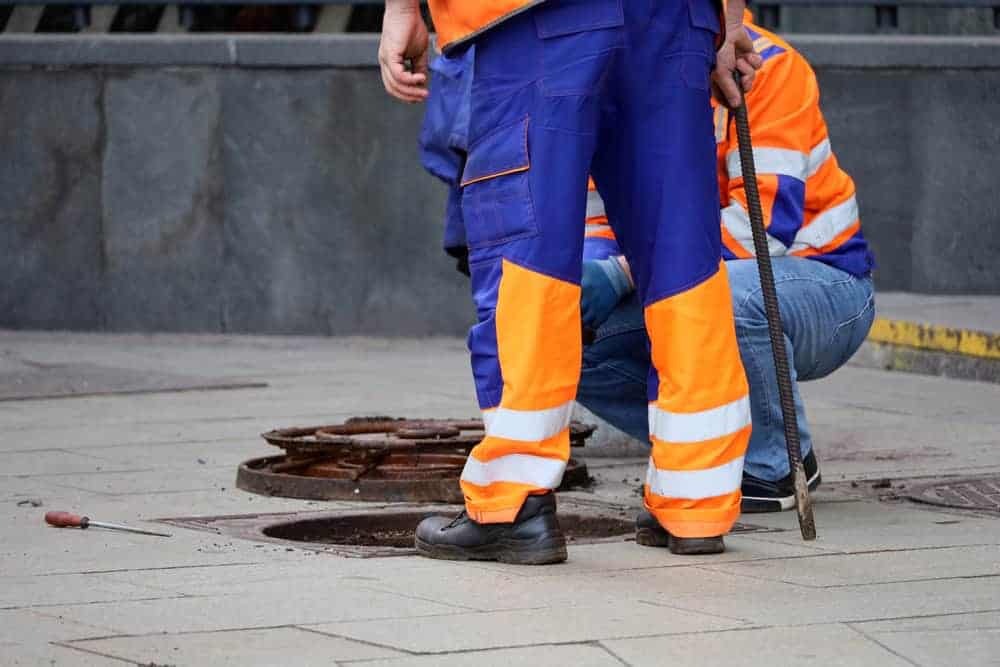
You’re not imagining it—plumbing problems really do hit harder here. Cook County sits on aging infrastructure that wasn’t built for today’s demands. Many neighborhoods across Chicago, Oak Lawn, Evanston, and Berwyn still rely on galvanized pipes or even lead piping installed decades before modern codes existed. Over time, these materials corrode from the inside out, restricting water flow and degrading water quality.
Then there’s the weather. Chicago winters freeze pipes. Spring storms overwhelm sewer systems. Summer heat expands pipes and increases pressure. Fall reveals every weak point that developed during the warmer months. Your plumbing doesn’t get a break, and neither does your wallet when something finally gives out.
Add in an outdated combined sewer system that mixes stormwater with sewage, and you’ve got a recipe for backups during heavy rain. About 42% of Cook County is covered in impervious surfaces—driveways, streets, parking lots—so water has nowhere to go except into an already overloaded system. That’s why basements flood and drains back up when storms roll through.
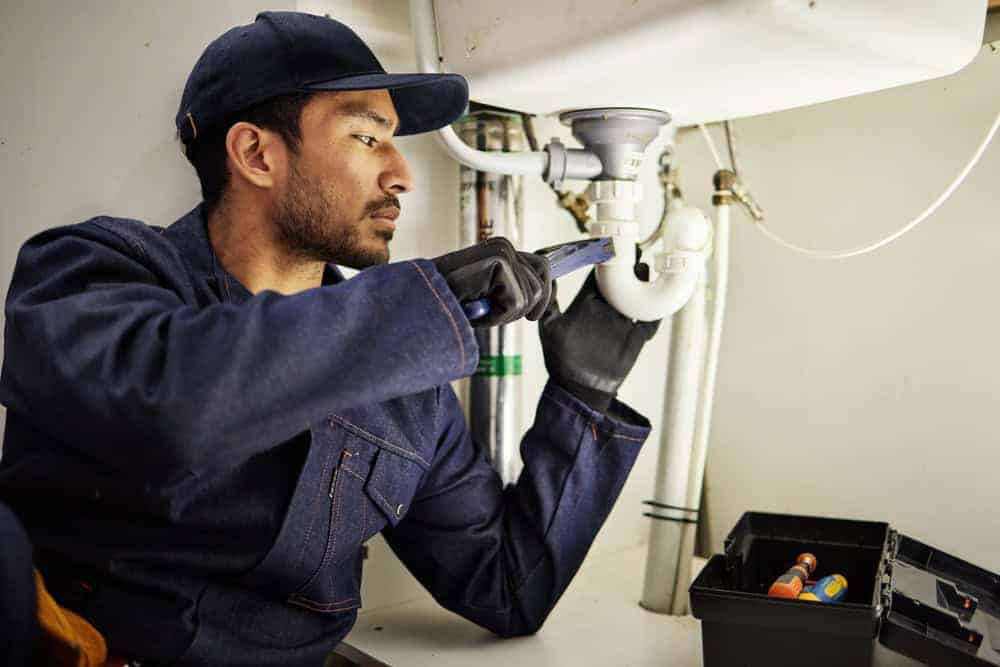
If your home was built before 1980, there’s a good chance you’re living with galvanized steel or cast iron pipes. These materials were standard back then, but they don’t age well. Galvanized pipes corrode internally, building up rust and mineral deposits that narrow the pipe diameter. You’ll notice discolored tap water, uneven water pressure, or frequent clogs—all signs that your pipes are on borrowed time.
Cast iron sewer lines crack and separate as they age. Once that happens, tree roots find their way in, and blockages become a regular problem. Lead pipes are even worse, posing serious health risks on top of structural failure. If you’ve noticed rusty water, slow drainage, or persistent dampness around your foundation, those aren’t quirks—they’re warnings.
Old plumbing wasn’t designed for modern water usage. Running a dishwasher, washing machine, and shower at the same time? That’s more than vintage pipes were built to handle. The strain creates leaks, slab cracks, and hidden water damage that can go unnoticed for months. By the time you see the signs, the damage is already extensive.
Upgrading old pipes isn’t just about avoiding emergencies—it’s about protecting your investment. Replacing galvanized or cast iron with modern materials like PEX or copper improves water pressure, eliminates rust, and prevents future leaks. It’s a bigger upfront cost, but it’s a fraction of what you’d spend dealing with repeated failures and water damage repairs. Camera inspections can show you exactly what’s happening inside your pipes, so you’re not guessing about whether it’s time to replace them.
If your home was built before 1980, there’s a good chance you’re living with galvanized steel or cast iron pipes. These materials were standard back then, but they don’t age well. Galvanized pipes corrode internally, building up rust and mineral deposits that narrow the pipe diameter. You’ll notice discolored tap water, uneven water pressure, or frequent clogs—all signs that your pipes are on borrowed time.
Cast iron sewer lines crack and separate as they age. Once that happens, tree roots find their way in, and blockages become a regular problem. Lead pipes are even worse, posing serious health risks on top of structural failure. If you’ve noticed rusty water, slow drainage, or persistent dampness around your foundation, those aren’t quirks—they’re warnings.
Old plumbing wasn’t designed for modern water usage. Running a dishwasher, washing machine, and shower at the same time? That’s more than vintage pipes were built to handle. The strain creates leaks, slab cracks, and hidden water damage that can go unnoticed for months. By the time you see the signs, the damage is already extensive.
Upgrading old pipes isn’t just about avoiding emergencies—it’s about protecting your investment. Replacing galvanized or cast iron with modern materials like PEX or copper improves water pressure, eliminates rust, and prevents future leaks. It’s a bigger upfront cost, but it’s a fraction of what you’d spend dealing with repeated failures and water damage repairs. Camera inspections can show you exactly what’s happening inside your pipes, so you’re not guessing about whether it’s time to replace them.
Want live answers?
Connect with a Go-Rooter Emergency Plumbers expert for fast, friendly support.
When temperatures drop below freezing, water inside your pipes expands. That expansion creates pressure, and when the pressure gets too high, pipes burst. It’s not a slow leak—it’s a rupture that can release gallons of water per minute, flooding your home before you even realize what’s happening.
Chicago winters make this the most common plumbing emergency in Cook County. Exposed pipes in basements, crawl spaces, attics, and exterior walls are especially vulnerable. If your home has poor insulation or you’ve experienced power outages during cold snaps, your risk goes up even more. Once a pipe freezes, you’re racing against time to thaw it before it bursts.
The damage from burst pipes isn’t just about water cleanup. It includes structural damage to floors, walls, and ceilings, plus potential mold growth if moisture isn’t fully removed. Water damage restoration can easily run into five figures, making prevention far more cost-effective than dealing with the aftermath.
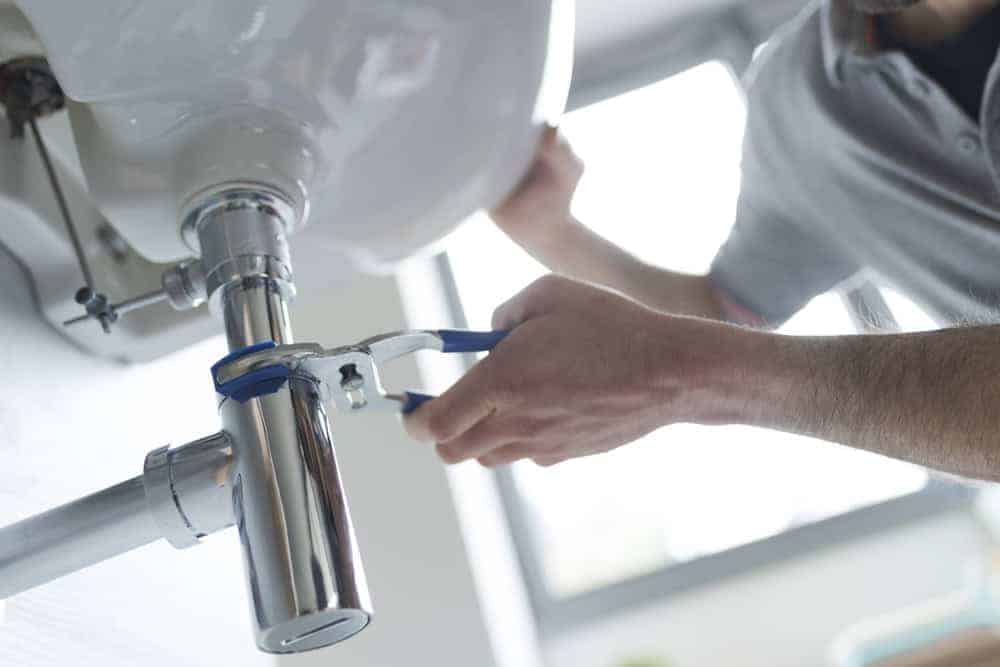
The best time to prevent frozen pipes is before the first freeze, not after you turn on a faucet and nothing comes out. Start by insulating any pipes in unheated areas—basements, crawl spaces, attics, and exterior walls. Foam pipe insulation is inexpensive and effective. For pipes in particularly vulnerable spots, heat tape or cable provides extra protection.
Keep your home heated consistently, even when you’re away. Dropping the thermostat to save money during a cold snap can cost you far more in burst pipe repairs. If you’re leaving town during winter, set your heat to at least 55 degrees and have someone check on your home regularly. Opening cabinet doors under sinks allows warm air to circulate around pipes, especially on exterior walls.
Let faucets drip during extreme cold. Moving water is much harder to freeze than standing water, and a small drip can prevent a major disaster. It might feel wasteful, but the water you “waste” is nothing compared to the water you’ll lose from a burst pipe. Disconnect and drain outdoor hoses, and shut off water to exterior spigots if possible.
If you do discover frozen pipes, don’t try to thaw them yourself with a blowtorch or open flame—that’s a fire hazard and can make the problem worse. Call a professional who has the right equipment to safely thaw pipes without causing damage. The faster you act, the better your chances of avoiding a burst.
The moment you realize a pipe has burst, shut off your main water supply. Every second counts, and stopping the flow immediately limits the damage. If you don’t know where your main shutoff valve is, find it now—before you need it. Once the water is off, open faucets to drain remaining water from the pipes and relieve pressure.
Move valuables away from the affected area and start removing standing water as quickly as possible. Use towels, mops, or a wet/dry vacuum to soak up water before it spreads. Water damage gets exponentially worse the longer it sits, and mold can start growing within 24 to 48 hours. If you have electricity in the flooded area, turn it off at the breaker box to avoid electrical hazards.
Document everything for insurance purposes. Take photos and videos of the damage, the burst pipe, and any affected belongings. Your insurance company will need this information to process your claim. Most standard homeowners policies cover sudden pipe bursts, but coverage varies, so review your policy and contact your insurer as soon as possible.
Call an emergency plumber immediately, even if you’ve managed to stop the water flow. A burst pipe isn’t something you can patch yourself—it needs proper repair or replacement. Depending on the location and extent of the damage, you might also need water damage restoration services to dry out your home, treat for mold, and repair structural damage. The longer you wait, the more expensive the total repair becomes.
Prevention is always cheaper than emergency response, but when a pipe does burst, fast action and professional help make all the difference in minimizing damage and getting your home back to normal.
Plumbing problems in Cook County aren’t random—they’re predictable results of aging infrastructure, extreme weather, and an outdated sewer system. Burst pipes, sewer backups, clogged drains, and sump pump failures happen here more often than in newer areas, but they don’t have to catch you off guard. Understanding what goes wrong and why gives you the power to prevent problems before they cost you thousands.
Regular inspections, seasonal maintenance, and knowing when to upgrade old pipes can save you from most emergencies. When something does go wrong, fast response and professional help make the difference between a manageable repair and a catastrophic disaster. You don’t have to wait for a crisis to take action.
If you’re dealing with aging pipes, recurring clogs, or want to prevent winter freeze damage, we can help. We specialize in the unique challenges Cook County homeowners face and focus on long-term solutions, not temporary fixes.
Article details:
Share:
Continue learning:
Request a Callback
Want to skip the wait?
Simply enter your contact details, and we’ll call you when a NY Spine Advisor becomes available.