Chicago winters are brutal on your plumbing. Discover proven strategies to protect your pipes from freezing and avoid costly emergency repairs.
Share:
Request a Callback
Want to skip the wait?
Simply enter your contact details, and we’ll call you when a Go Rooter Advisor becomes available.
Summary:
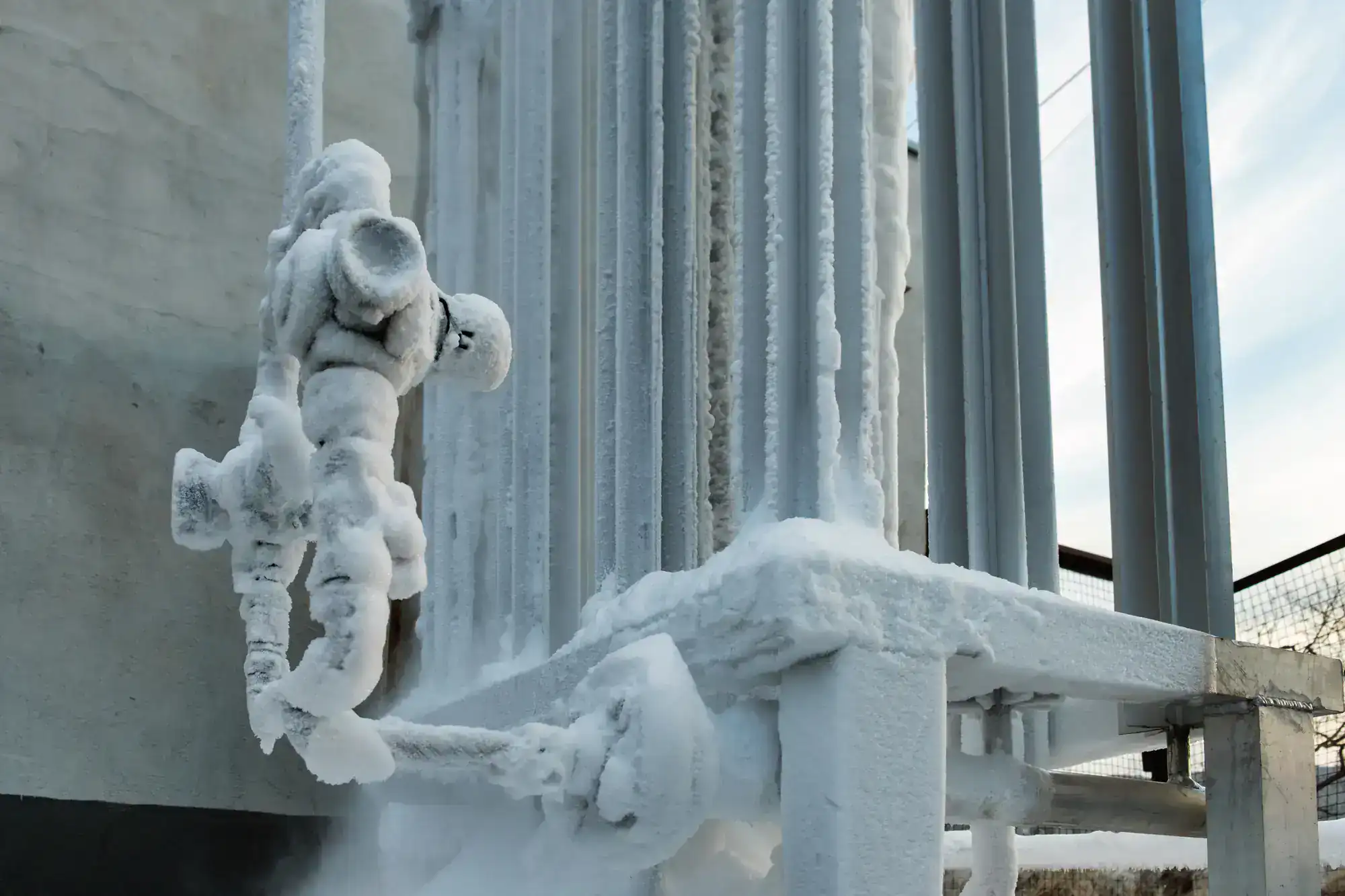
Chicago winters aren’t just cold—they’re uniquely brutal on plumbing systems. Chicago is consistently ranked as one of the coldest American cities, creating perfect conditions for frozen pipes. The city’s plumbing infrastructure is over 100 years old, with many sewer pipes made from outdated lead or clay.
Any time the temperature dips below 32 degrees Fahrenheit, there is a risk that your water pipes can freeze. But here’s what makes Chicago different: water pipes typically freeze at 20 degrees Fahrenheit, but a combination of strong winds and high wintertime humidity can cause pipes to freeze and burst at warmer temperatures.
The financial impact is staggering. According to 2023 State Farm claims data, the company received more than 17,200 claims related to frozen pipes, paying more than $432.5M, with the average claim just over $23,500. Don’t let your home become another statistic.
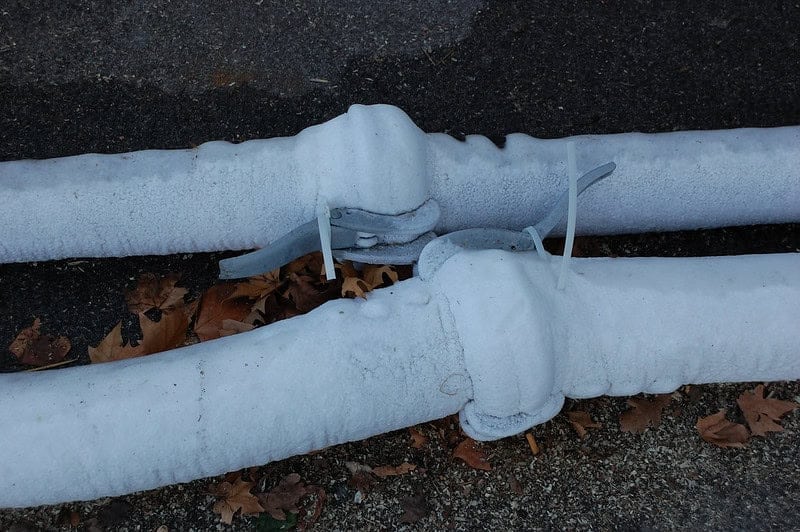
Not all pipes face equal risk during Chicago winters. Understanding which areas of your home are most vulnerable helps you prioritize your winter plumbing protection efforts.
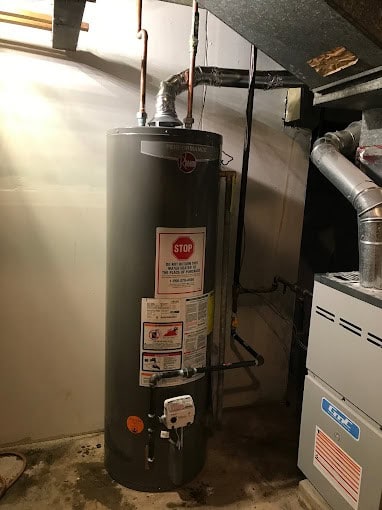
Certain parts of your home’s plumbing are more likely to freeze than others. Areas highly susceptible to freezing winter temperatures include all unheated spaces inside your home. Pipes are located inside the basement and crawlspace. The attic, garage, and similar areas need more attention.
While the pipes along the interior of your home will likely be alright during winter, there is a risk of the pipes on the exterior walls freezing. This can also include any pipes that are in your garage or basement. These exposed areas lack the consistent heating that protects your main living spaces.
That also applies to outdoor plumbing fixtures like hoses, faucets, irrigation systems, etc. Your outdoor spigots and any connected hoses create direct pathways for freezing temperatures to reach your interior plumbing system.
Pay special attention to pipes running along exterior walls, especially on the north side of your home where sunlight provides the least natural warming. Kitchen and bathroom pipes under sinks against outside walls are particularly vulnerable. If you can feel cold air near these areas, your pipes are at risk.
The key is identifying these vulnerable spots before winter hits hard. Walk through your home and note any pipes in unheated areas or along exterior walls. These are your priority areas for insulation and protection measures.
Not all pipes face equal risk during Chicago winters. Understanding which areas of your home are most vulnerable helps you prioritize your winter plumbing protection efforts.
Certain parts of your home’s plumbing are more likely to freeze than others. Areas highly susceptible to freezing winter temperatures include all unheated spaces inside your home. Pipes are located inside the basement and crawlspace. The attic, garage, and similar areas need more attention.
While the pipes along the interior of your home will likely be alright during winter, there is a risk of the pipes on the exterior walls freezing. This can also include any pipes that are in your garage or basement. These exposed areas lack the consistent heating that protects your main living spaces.
That also applies to outdoor plumbing fixtures like hoses, faucets, irrigation systems, etc. Your outdoor spigots and any connected hoses create direct pathways for freezing temperatures to reach your interior plumbing system.
Pay special attention to pipes running along exterior walls, especially on the north side of your home where sunlight provides the least natural warming. Kitchen and bathroom pipes under sinks against outside walls are particularly vulnerable. If you can feel cold air near these areas, your pipes are at risk.
The key is identifying these vulnerable spots before winter hits hard. Walk through your home and note any pipes in unheated areas or along exterior walls. These are your priority areas for insulation and protection measures.
Want live answers?
Connect with a Go-Rooter Emergency Plumbers expert for fast, friendly support.
Prevention beats emergency repairs every time, especially in Chicago’s harsh climate. The right preparation strategies can save you thousands in damage and keep your plumbing system running smoothly all winter long.
Taking preventive measures is the best way to avoid the hassles and expenses of dealing with frozen pipes. Here are some steps that Chicago homeowners can take to prevent their pipes from freezing: One of the most effective ways to prevent pipes from freezing is insulating them properly.
Your prevention strategy should start before the first freeze hits. Before winter hits, you want to make sure your home is ready for the cold months ahead. A furnace tune-up in the fall is one part of frozen pipe prevention. This ensures your heating system can maintain consistent temperatures throughout your home.
Insulation forms your first line of defense against Chicago’s freezing temperatures. The right insulation materials and techniques can make the difference between safe pipes and expensive repairs.
Pay special attention to pipes in unheated areas such as basements, garages, and crawl spaces. Use pipe insulation sleeves or heat tape to protect the pipes from extreme temperatures. Adequate insulation acts as a barrier, reducing the chances of encountering frozen pipes significantly.
You can find inexpensive pipe sleeves at home hardware stores that wrap around exposed pipes to minimize the risk of freezing. Make sure to seal the openings of the sleeves with tape, so there is no place for the cold to sneak in. These foam sleeves are affordable and effective for most residential applications.
For pipes in extremely vulnerable areas, consider heat tape or heat cable. For pipes in areas exposed to extreme cold, heat tape is a great solution. It wraps around your pipes and uses electricity to keep them warm. This advanced preventative plumbing maintenance tool is worth considering for high-risk areas.
Don’t forget about sealing air leaks around pipes. Identify any drafts or air leaks near pipes and seal them. Cold air can easily enter through gaps and cracks, affecting the temperature of the pipes. Add weatherstripping or caulk around windows, doors, and crawl spaces to keep the cold air out and maintain a warmer environment around the pipes.
If possible, insulate the unheated spaces in your home – attics, basements, and crawlspaces – to keep them warm and minimize heat loss. This comprehensive approach protects not just individual pipes but entire vulnerable areas of your plumbing system.
The investment in proper insulation pays for itself quickly. Quality pipe insulation costs far less than emergency repairs and provides protection for years. Focus on the most vulnerable areas first, then expand your insulation coverage as budget allows.
Managing your home’s temperature and water flow during cold snaps requires strategic thinking. Small adjustments can prevent major problems when Chicago weather turns brutal.
Maintaining a consistent indoor temperature is crucial to preventing frozen pipes. During colder months, don’t set the thermostat too low or switch off the heating when you’re away from home. Instead, keep the temperature above 55°F (13°C) to ensure that the pipes stay warm enough, even in freezing conditions.
You want to keep the house warm at all times. Even if you plan to go on vacation for an extended period, do not switch off the heating inside your home. If your home will be unoccupied during winter, set the temperature to no lower than 55°F (13°C). This consistent heating prevents temperature drops that lead to frozen pipes.
Strategic cabinet door management helps circulate warm air to vulnerable pipes. If you have pipes located within kitchen or bathroom cabinets, open the doors to allow warm air to circulate around them. This technique is particularly useful for pipes that are against exterior walls, as they are more susceptible to freezing. By promoting air circulation, you effectively raise the temperature around the pipes and reduce the risk of freezing.
Water movement prevents freezing even when temperatures drop dangerously low. During extremely cold weather, allowing faucets to drip helps prevent pipes from freezing. Moving water is less likely to freeze compared to stagnant water. By letting the faucets drip slightly, you keep the water flowing, lowering the risk of frozen pipes.
Leaving both the cold and hot water faucets in your home slightly open will keep the water inside your pipes moving constantly. Pipes are less likely to freeze when the water inside them is flowing. Even when a faucet is dripping slowly, this small movement can help protect your pipes.
Focus your dripping strategy on faucets connected to pipes in the most vulnerable areas. Faucets on exterior walls or those connected to pipes running through unheated spaces should be your priority. The small increase in your water bill from controlled dripping costs far less than emergency pipe repairs.
Chicago winters don’t have to mean plumbing disasters. With proper preparation, insulation, and smart temperature management, you can keep your pipes flowing safely all season long. Remember that prevention costs far less than emergency repairs—both in money and stress.
The key is taking action before problems develop. Insulate vulnerable pipes, maintain consistent heating, and know the warning signs of freezing. When you do face plumbing emergencies despite your best efforts, having a trusted local professional makes all the difference.
We at Go-Rooter Emergency Plumbers understand Chicago’s unique winter plumbing challenges and stand ready to help with both prevention and emergency repairs. Don’t let frozen pipes disrupt your winter—take control of your home’s plumbing protection today.
Article details:
Share:
Continue learning:
Request a Callback
Want to skip the wait?
Simply enter your contact details, and we’ll call you when a NY Spine Advisor becomes available.