Not all plumbing works the same. Learn how residential and commercial plumbing services differ in Cook County and which solution your property actually needs.
Share:
Request a Callback
Want to skip the wait?
Simply enter your contact details, and we’ll call you when a Go Rooter Advisor becomes available.

Summary:
Residential plumbing handles the water supply and drainage needs of single-family homes, condos, and small multi-unit buildings throughout Cook County. The systems are straightforward. You’ve got water coming in, fixtures throughout the house, and drains leading to the main sewer line.
Most residential plumbing repair calls involve leaky faucets, clogged drains, water heater issues, or toilet repairs. The problems are usually isolated to one area of the home. A clogged bathroom sink doesn’t shut down your whole house. We show up with standard tools, diagnose the issue, and fix it—usually within a few hours.
Residential work focuses on accessibility and simplicity. We need to understand your home’s layout, work around your family’s schedule, and deliver solutions that fit a household budget. It’s personal. You’re letting someone into your space, and you want someone who respects that.
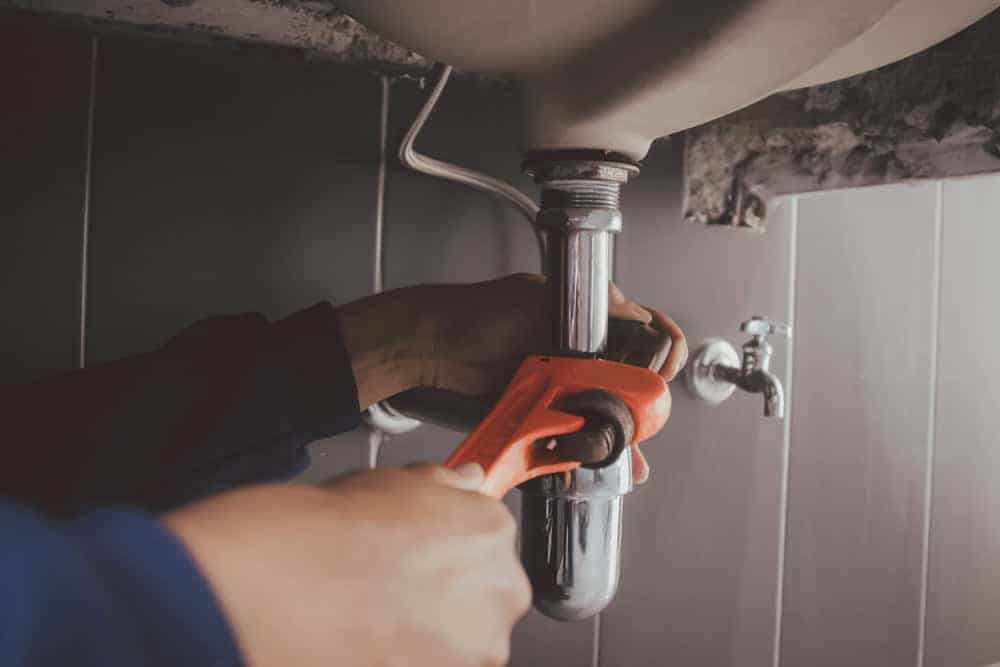
Cook County homeowners deal with plumbing problems year-round, but Chicago’s brutal winters bring the biggest headaches. When temperatures drop below 20°F for extended periods, pipes freeze. Water expands when it turns to ice, creating pressure exceeding 2,000 pounds per square inch—enough to burst copper, PEX, or even cast iron pipes. A single burst pipe releases 2-4 gallons of water per minute, which means you could come home to a flooded basement.
Frozen pipes aren’t the only winter concern in the Chicago area. The region’s aging infrastructure means many homes still have old clay or lead sewer lines installed decades ago. Tree roots infiltrate these aging pipes, causing slow drains and backups. You’ll notice toilets gurgling, multiple fixtures draining slowly, or sewage smells near floor drains—all signs your sewer line needs attention from a sewer repair company.
Clogged drains are another frequent residential issue. Hair, soap buildup, grease, and other debris accumulate over time. A plunger might work temporarily, but if the problem keeps coming back, there’s likely a deeper blockage in your main line. That’s when camera inspections and hydro jetting services become necessary to clear the obstruction completely.
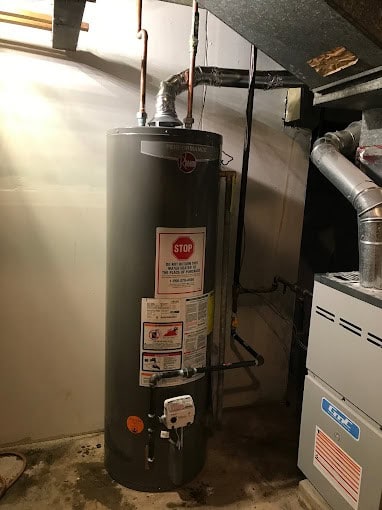
Water heaters also cause trouble for Chicago-area homeowners. The average conventional water heater lasts about 11 years, with tankless models lasting around two decades. When they start failing, you’ll notice inconsistent water temperature, strange noises, or rusty water. In Chicago’s hard water environment, mineral buildup accelerates wear and reduces efficiency. Regular drain cleaning and water heater maintenance extend the lifespan, but eventually, replacement becomes necessary.
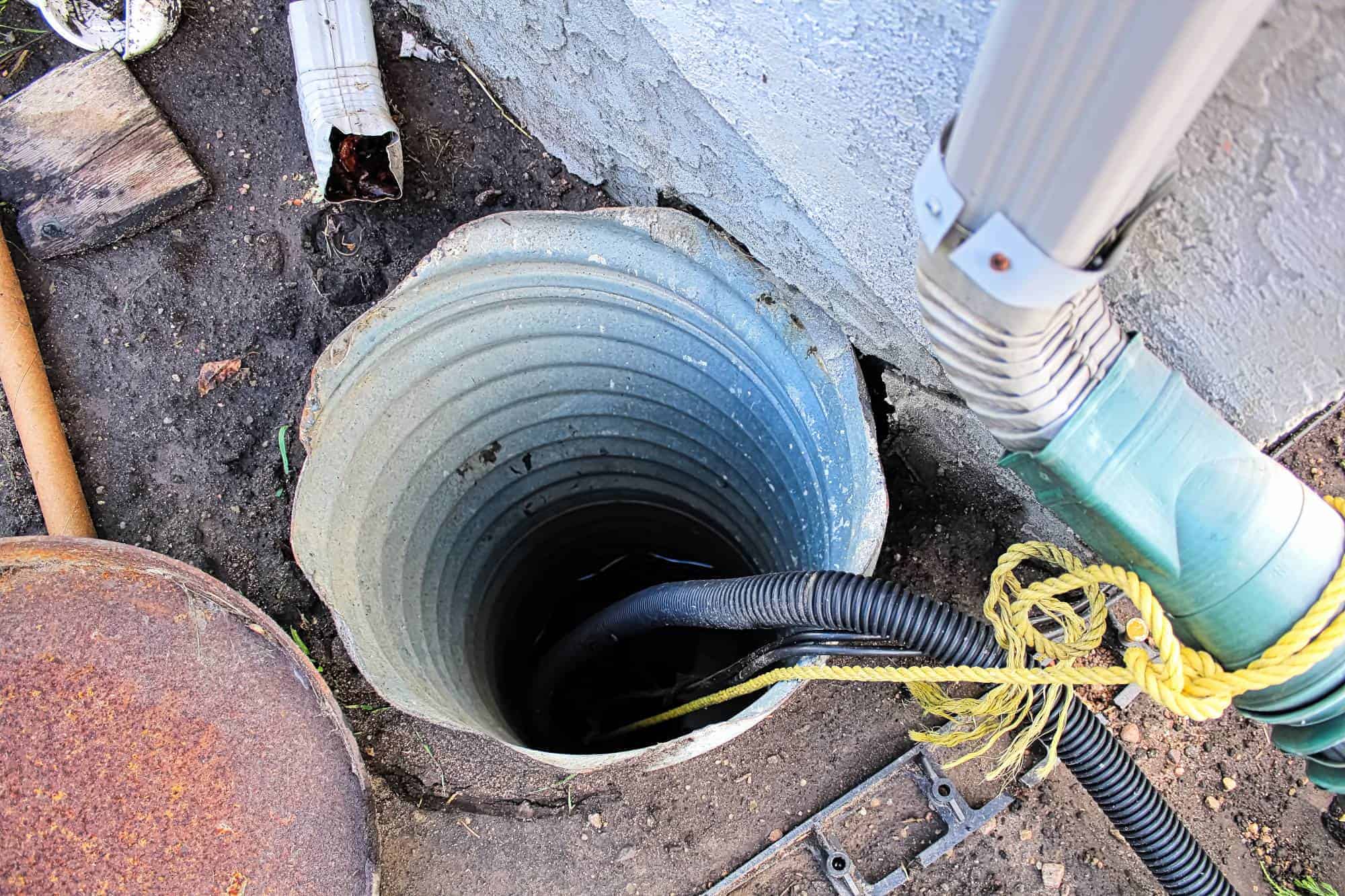
Sump pump failures are particularly problematic during spring thaws and heavy rain across Cook County. If your sump pump stops working or the discharge line freezes, water accumulates in your basement. This creates flooding risks and potential foundation damage. Testing your sump pump before severe weather hits prevents these emergency plumbing situations.
Cook County homeowners deal with plumbing problems year-round, but Chicago’s brutal winters bring the biggest headaches. When temperatures drop below 20°F for extended periods, pipes freeze. Water expands when it turns to ice, creating pressure exceeding 2,000 pounds per square inch—enough to burst copper, PEX, or even cast iron pipes. A single burst pipe releases 2-4 gallons of water per minute, which means you could come home to a flooded basement.
Frozen pipes aren’t the only winter concern in the Chicago area. The region’s aging infrastructure means many homes still have old clay or lead sewer lines installed decades ago. Tree roots infiltrate these aging pipes, causing slow drains and backups. You’ll notice toilets gurgling, multiple fixtures draining slowly, or sewage smells near floor drains—all signs your sewer line needs attention from a sewer repair company.
Clogged drains are another frequent residential issue. Hair, soap buildup, grease, and other debris accumulate over time. A plunger might work temporarily, but if the problem keeps coming back, there’s likely a deeper blockage in your main line. That’s when camera inspections and hydro jetting services become necessary to clear the obstruction completely.
Water heaters also cause trouble for Chicago-area homeowners. The average conventional water heater lasts about 11 years, with tankless models lasting around two decades. When they start failing, you’ll notice inconsistent water temperature, strange noises, or rusty water. In Chicago’s hard water environment, mineral buildup accelerates wear and reduces efficiency. Regular drain cleaning and water heater maintenance extend the lifespan, but eventually, replacement becomes necessary.
Sump pump failures are particularly problematic during spring thaws and heavy rain across Cook County. If your sump pump stops working or the discharge line freezes, water accumulates in your basement. This creates flooding risks and potential foundation damage. Testing your sump pump before severe weather hits prevents these emergency plumbing situations.
Want live answers?
Connect with a Go-Rooter Emergency Plumbers expert for fast, friendly support.
Commercial plumbing operates on a completely different scale than residential work. Office buildings, restaurants, retail spaces, hospitals, and multi-story complexes across Cook County have extensive plumbing systems serving dozens or hundreds of people daily. The infrastructure is more complex, the usage is heavier, and the stakes are significantly higher.
Commercial systems use industrial-grade materials built to withstand constant use. Larger pipes carry more water. Multiple water heaters work in coordination. Drainage systems handle significantly more waste volume. Everything is designed for durability and redundancy—if one component fails, backups prevent total shutdown.
The biggest difference? Downtime costs money. When a restaurant’s kitchen sink stops draining during dinner service, they lose revenue. When an office building’s restrooms go out of order, employees can’t work. We understand this urgency and often work after-hours or on weekends to minimize business disruption.
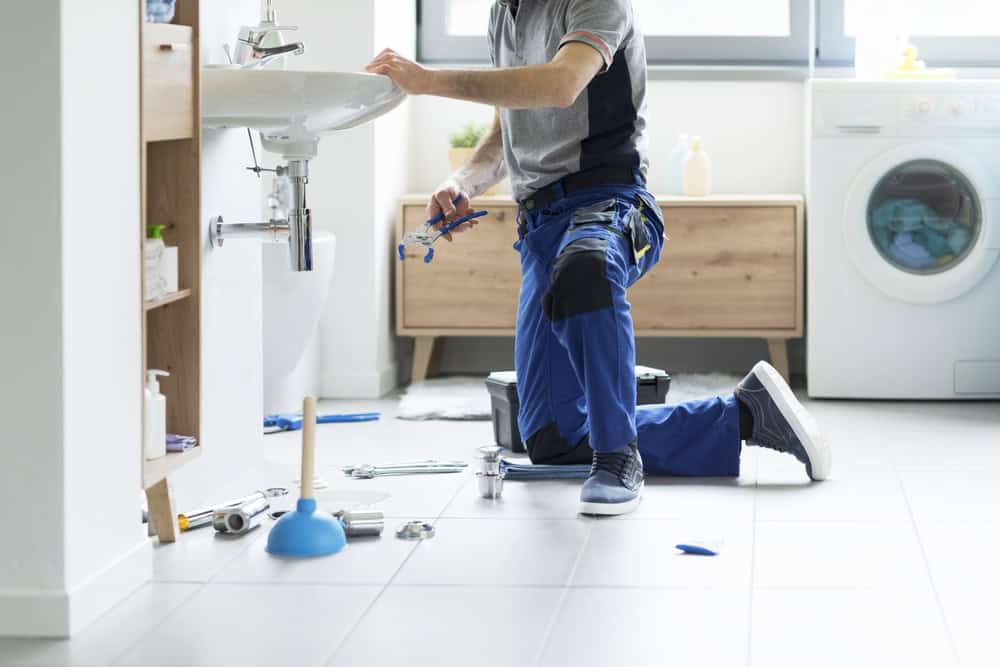
Commercial properties in Cook County, IL face unique plumbing challenges due to heavy usage and complex systems. Clogged drains and toilets top the list. With hundreds of people using facilities daily, blockages happen frequently. Restaurants deal with grease buildup in their drain lines. Office buildings see paper products and other debris causing problems. These clogs need professional drain cleaning because DIY solutions rarely work on commercial-scale systems.
Leaks are another major concern for businesses. With hundreds or even thousands of feet of pipework in large buildings, leaks are inevitable. The challenge is detecting them before they cause serious damage. A small leak behind a wall or under a floor can waste thousands of gallons before anyone notices. Water bills provide the first clue—unexplained increases often signal hidden leaks. We use electronic leak detection equipment to locate these problems without destructive investigation.
Water temperature issues disrupt business operations. Commercial water heaters work harder than residential units, heating water for dozens of sinks, showers, and equipment. They deteriorate faster and require more frequent maintenance. When water doesn’t get hot enough or takes too long to heat, it affects employee comfort and can violate health codes in restaurants or healthcare facilities across Chicago.
Sewage odors are particularly problematic in commercial settings. They drive away customers and create uncomfortable work environments. These smells usually indicate clogged vent stacks, dried-out traps, or damaged drain lines. Because sewer gas contains toxic compounds, we need to address these issues quickly to protect health and safety.
Low water pressure affects commercial buildings differently than homes. Multiple floors and numerous fixtures require strong pressure throughout the system. When pressure drops, it could indicate leaking pipes, mineral buildup restricting flow, or issues with the main regulator. We assess the entire system to identify the root cause and restore proper pressure.
Toilet and fixture malfunctions cause immediate problems in business settings. A broken toilet in a high-traffic restroom affects many people. Commercial fixtures endure heavy use, so handles break, flush mechanisms fail, and seals wear out faster than in homes. Quick repairs or replacements keep facilities operational and maintain sanitary conditions for customers and employees.
Commercial plumbing services require different expertise, equipment, and scheduling than residential plumbing repair. The complexity starts with understanding building systems. We read blueprints, navigate multi-floor plumbing networks, and coordinate with other contractors. We understand how plumbing interacts with HVAC systems, fire suppression, and other building infrastructure.
The equipment is different too. We use industrial-grade tools designed for larger pipes and heavy-duty fixtures. Hydro jetting services for commercial systems operate at higher pressures to clear tougher blockages in main sewer lines. Camera inspection systems navigate longer, more complex pipe runs. Leak detection equipment covers larger areas and penetrates deeper into building structures.
Scheduling presents unique challenges for commercial work. Most commercial plumbing happens outside business hours. We arrive after employees leave or work weekends to avoid disrupting operations. Emergency calls during business hours get priority response because every minute of downtime costs the business money. This flexibility requires us to work unconventional hours and respond quickly to urgent situations.
Compliance matters more in commercial settings across Cook County, IL. Building codes are stricter for commercial properties. Health departments regulate plumbing in restaurants and healthcare facilities. We must understand these regulations and ensure all work meets required standards. Proper documentation and permitting are essential parts of the job.
Preventative maintenance becomes even more critical for commercial properties. Regular drain cleaning prevents clogs before they cause backups during business hours. Scheduled inspections identify wear before failures occur. Water heater maintenance extends equipment life and maintains efficiency. Many commercial property managers establish maintenance contracts with us to ensure consistent, proactive care.
Our relationship with property managers and business owners is ongoing. Unlike residential plumbing repair where we might visit once for a specific repair, we often become trusted partners who understand the property’s unique needs. We track maintenance history, anticipate seasonal issues, and provide strategic advice on system upgrades or replacements.
Residential and commercial plumbing aren’t interchangeable. The systems, challenges, and solutions are fundamentally different. Homeowners need plumbers who understand household systems, work around family schedules, and provide personalized residential plumbing repair. Business owners need commercial plumbers who handle complex infrastructure, minimize operational disruption, and ensure regulatory compliance.
The right plumber for your situation makes all the difference. Whether you’re dealing with a frozen pipe in your Chicago home, need hydro jetting services for recurring clogs, or facing a sewer line issue requiring a sewer repair company, working with professionals who specialize in your type of property ensures effective, lasting solutions.
When plumbing problems arise, we understand both residential and commercial needs throughout Cook County, IL. Fast response, transparent pricing, and solutions built to last—that’s what you should expect from your plumbing services provider.
Article details:
Share:
Continue learning:
Request a Callback
Want to skip the wait?
Simply enter your contact details, and we’ll call you when a NY Spine Advisor becomes available.