Holiday cooking pushes garbage disposals to their limits. Learn how to prevent clogs, jams, and backups before your Thanksgiving guests arrive.
Share:
Request a Callback
Want to skip the wait?
Simply enter your contact details, and we’ll call you when a Go Rooter Advisor becomes available.
Summary:
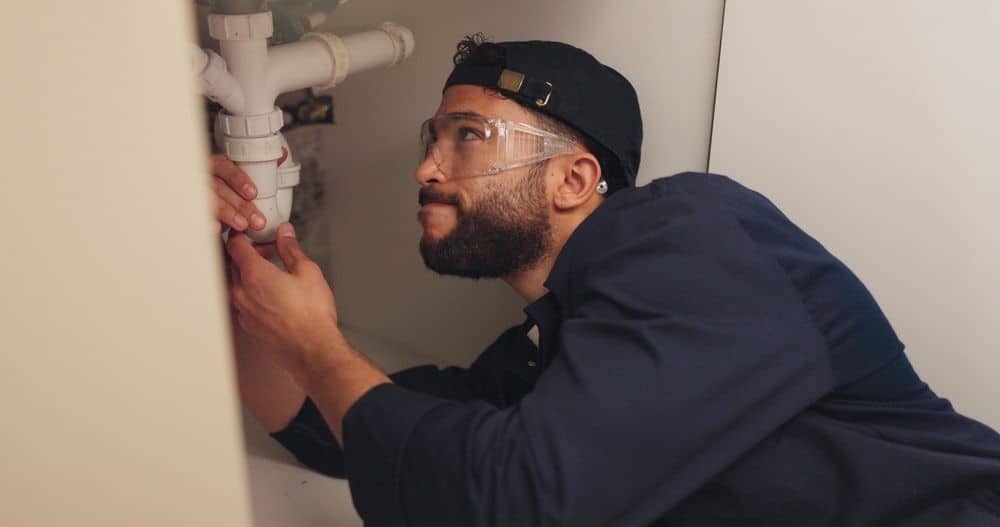
The day after Thanksgiving is called “Brown Friday” in the plumbing industry, and it’s not because of shopping deals. It’s the single busiest day of the year for emergency plumbers, with service calls jumping 50% compared to a normal Friday. Most of those calls? Garbage disposal problems, clogged drains, and overwhelmed toilets.
You’re not hosting family so you can spend the weekend dealing with a backed-up sink. This guide shows you exactly what causes garbage disposal failures during the holidays and how to prevent them before your guests arrive.
Holiday gatherings put more stress on your plumbing in four days than it sees in an average month. You’re cooking larger meals, running the dishwasher multiple times a day, and hosting overnight guests who shower, flush, and use sinks constantly.
The problem isn’t just volume. It’s what goes down your drains during holiday cooking. Turkey drippings, mashed potato remnants, vegetable peels, and cooking oils—all the things that make Thanksgiving dinner delicious—are exactly what your garbage disposal and drain lines can’t handle.
Most homes in Cook County, IL already have some level of buildup in their pipes. During normal use, it’s not a problem. But when you add the stress of holiday cooking and extra guests, that partial clog becomes a full backup right when you least want to deal with it.
Grease is the number one culprit. Turkey drippings, bacon fat, butter, and cooking oils go down your drain as warm liquids. They feel harmless in the moment. But as they cool inside your pipes, they solidify into a sticky coating that catches everything else flowing through.
Even small amounts add up fast during holiday cooking. One turkey can generate cups of grease. Add in side dishes, and you’re sending more fat down your drain in one day than you typically would in a month.
Hot water doesn’t fix this. Running hot water while pouring grease down the drain just moves the problem deeper into your pipes, where it cools and hardens in places that are harder and more expensive to reach. Cold water is actually better when using your disposal because it keeps grease solid enough for the blades to chop it before it reaches your trap.
Starchy foods create a different problem. Potato peels, rice, pasta, and stuffing don’t break down in your disposal the way you’d think. Instead, they absorb water and expand, forming a thick, paste-like substance that sticks to pipe walls and creates blockages. Mashed potatoes are particularly bad—they turn into a glue-like consistency that traps other food particles.
Fibrous vegetables tangle around disposal blades. Celery stalks, onion skins, corn husks, and asparagus ends have stringy fibers that don’t grind cleanly. They wrap around the impellers and slow down the grinding mechanism. Over time, this creates jams and can even burn out the motor if the disposal has to work too hard.
Overloading is the final issue. When you’re cleaning up after a big meal, it’s tempting to scrape entire plates of food into the disposal and flip the switch. But disposals are designed to handle small amounts of soft food waste, not large volumes all at once. Overloading causes jams, slow drainage, and eventually, complete backups.
Start by keeping grease out of your drains entirely. Keep a coffee can, mason jar, or disposable container next to your stove during cooking. Pour all grease, turkey drippings, and cooking oils into the container, let it cool and solidify, then throw it in the trash. This one habit eliminates the most common cause of holiday drain clogs.
For smaller amounts of grease on pans and dishes, wipe them down with paper towels before rinsing. This keeps the grease in the trash where it belongs instead of coating your pipes.
Use sink strainers in every kitchen and bathroom sink. These inexpensive mesh screens catch food particles, vegetable peels, and other debris before they enter your drain. Empty the strainer into the trash regularly—especially during meal prep and cleanup. It’s a simple step that prevents a huge percentage of clogs.
Run cold water before, during, and after using your garbage disposal. Turn the water on a few seconds before you start the disposal, keep it running while food is grinding, and let it run for 10-15 seconds after you turn the disposal off. This flushes everything through your pipes and prevents buildup in the trap.
Scrape plates into the trash before rinsing them in the sink. Your garbage disposal isn’t a replacement for your trash can. It’s designed to handle the small bits of food that rinse off during washing, not entire servings of leftovers. The more you keep out of your disposal, the better it will work when you need it.
Feed your disposal in small batches if you do need to use it for food waste. Don’t overload it with large amounts at once. Run it for a few seconds, add a little more, run it again. This gives the blades time to properly grind everything before you add more.
Test your drains a week before guests arrive. Run water in sinks, tubs, and showers you don’t use regularly. Check how fast they drain. If you notice slow drainage, gurgling sounds, or water backing up, address it now—not when your house is full of people. A simple drain cleaning before the holidays can prevent an emergency call during them.
Clean your garbage disposal before Thanksgiving week. Drop a few ice cubes and a handful of rock salt down the disposal and run it with cold water. This scours buildup off the blades and grinding chamber. Follow up with citrus peels (lemon or orange) to eliminate odors and leave your disposal fresh.
Want live answers?
Connect with a Go-Rooter Emergency Plumbers expert for fast, friendly support.
Your kitchen isn’t the only plumbing that takes a beating during the holidays. Guest bathrooms face a different kind of stress—more people using toilets, showers, and sinks than they’re accustomed to handling.
If you have a guest bathroom that sits unused most of the year, it needs attention before company arrives. Unused fixtures can develop dry drain traps, deteriorated seals, and slow drainage that becomes obvious the moment someone tries to shower.
The increased demand from multiple guests showering, washing hands, and using toilets throughout the day can overwhelm a system that already has minor issues. What works fine for your household of two or three becomes a problem when six or eight people are using the same bathroom.
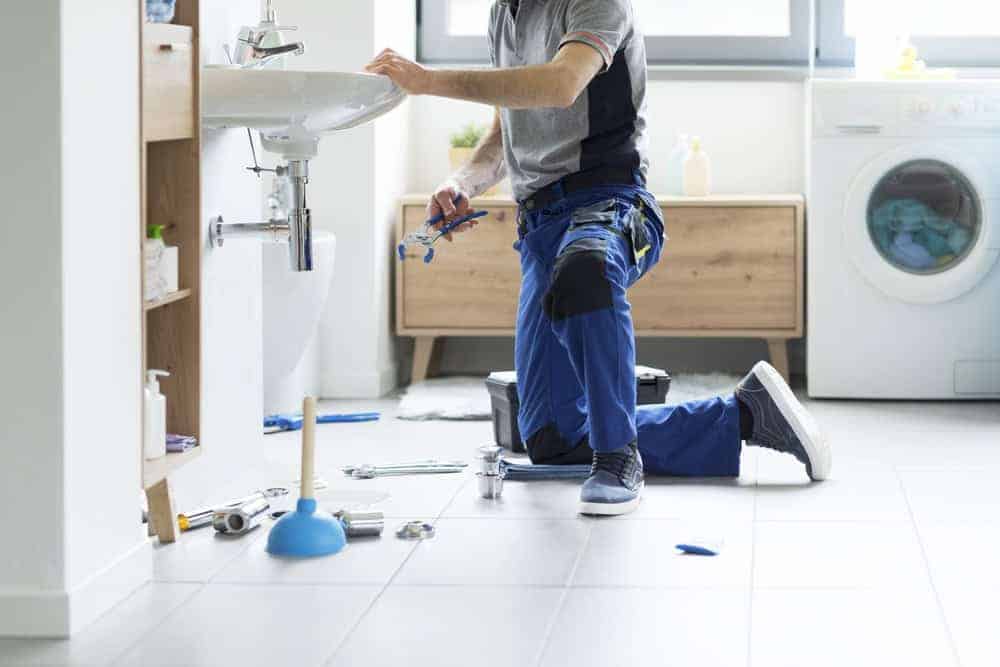
Run water through every fixture in your guest bathroom at least a week before guests arrive. Turn on faucets, flush toilets, and run the shower for a few minutes. This does two things: it refills drain traps that may have dried out, and it reveals any problems with water pressure, drainage, or leaks.
Check for drips and leaks while water is running. Look under sinks for moisture around pipes and connections. Check around the base of toilets for water. Inspect shower and tub areas for leaks around fixtures. Small drips get worse under increased use, and you don’t want to discover a leak after your guests have been using the bathroom for two days.
Test your toilet’s flush strength. A weak flush that barely bothers you during normal use becomes a real problem when you have guests. Toilets that run continuously, flush weakly, or take multiple flushes to clear waste need attention before company arrives. The last thing anyone wants is a clogged toilet during a holiday gathering.
Make sure your shower has good water pressure. Low pressure is annoying for guests, and it’s often caused by mineral buildup in the showerhead. Unscrew the showerhead and soak it in a mixture of equal parts white vinegar and water for an hour. This dissolves mineral deposits and restores flow. If pressure is still weak after cleaning, consider replacing the showerhead entirely.
Clear slow drains before they become clogged drains. If your bathroom sink or tub drains slowly during your test, don’t ignore it. Hair, soap scum, and debris build up over time. When you add multiple guests showering and washing, that slow drain becomes a standing water problem. Use a drain snake or call for professional drain cleaning to clear it now.
Place a small waste basket in the bathroom with a visible liner. Guests are more likely to throw away cotton swabs, wipes, and personal items if there’s an obvious place to put them. This prevents these items from being flushed, which is a leading cause of toilet clogs when hosting.
Stock extra toilet paper where guests can see it. Running out is embarrassing for everyone. Keep extra rolls visible on a shelf, in a basket, or on the back of the toilet so guests never have to ask.
Space out shower times if you’re hosting overnight guests. If you have a bathroom with a slow drain or older plumbing, ask guests to wait 10-15 minutes between showers. This gives the drain time to clear before the next person uses it. It might feel awkward to mention, but it’s far less awkward than dealing with a flooded bathroom.
Never flush anything except toilet paper and human waste. This seems obvious, but guests don’t always know your plumbing’s limitations. Wipes labeled “flushable” aren’t actually flushable—they don’t break down like toilet paper and they’re a major cause of clogs. Cotton balls, dental floss, feminine products, and paper towels should never go in the toilet.
A polite note in the bathroom can help without being preachy. Something simple like “Please use the waste basket for all items except toilet paper” gives guests clear direction without making anyone uncomfortable.
Watch for warning signs during the holiday weekend. Slow drainage, gurgling sounds when someone flushes, or water backing up in the tub when the sink runs are all signs of a developing clog. Address these immediately—they don’t fix themselves, and they get worse with continued use.
Know where your main water shut-off valve is located. If you do have a plumbing emergency—a burst pipe, major leak, or severe backup—being able to quickly shut off water to your home prevents extensive damage while you wait for help. Make sure you can access it easily and that it’s not blocked by storage or debris.
Keep the number for a 24/7 emergency plumber saved in your phone before the holiday starts. We serve all of Cook County, IL with same-day service and 24/7 availability. If something does go wrong during your gathering, you want to know help is available immediately—not spend your holiday searching for a plumber who’s actually working.
Even with preparation, garbage disposal problems can still happen during the holiday rush. If your disposal jams, hums but won’t spin, or causes water to back up in your sink, turn it off immediately. Don’t keep flipping the switch—that can burn out the motor.
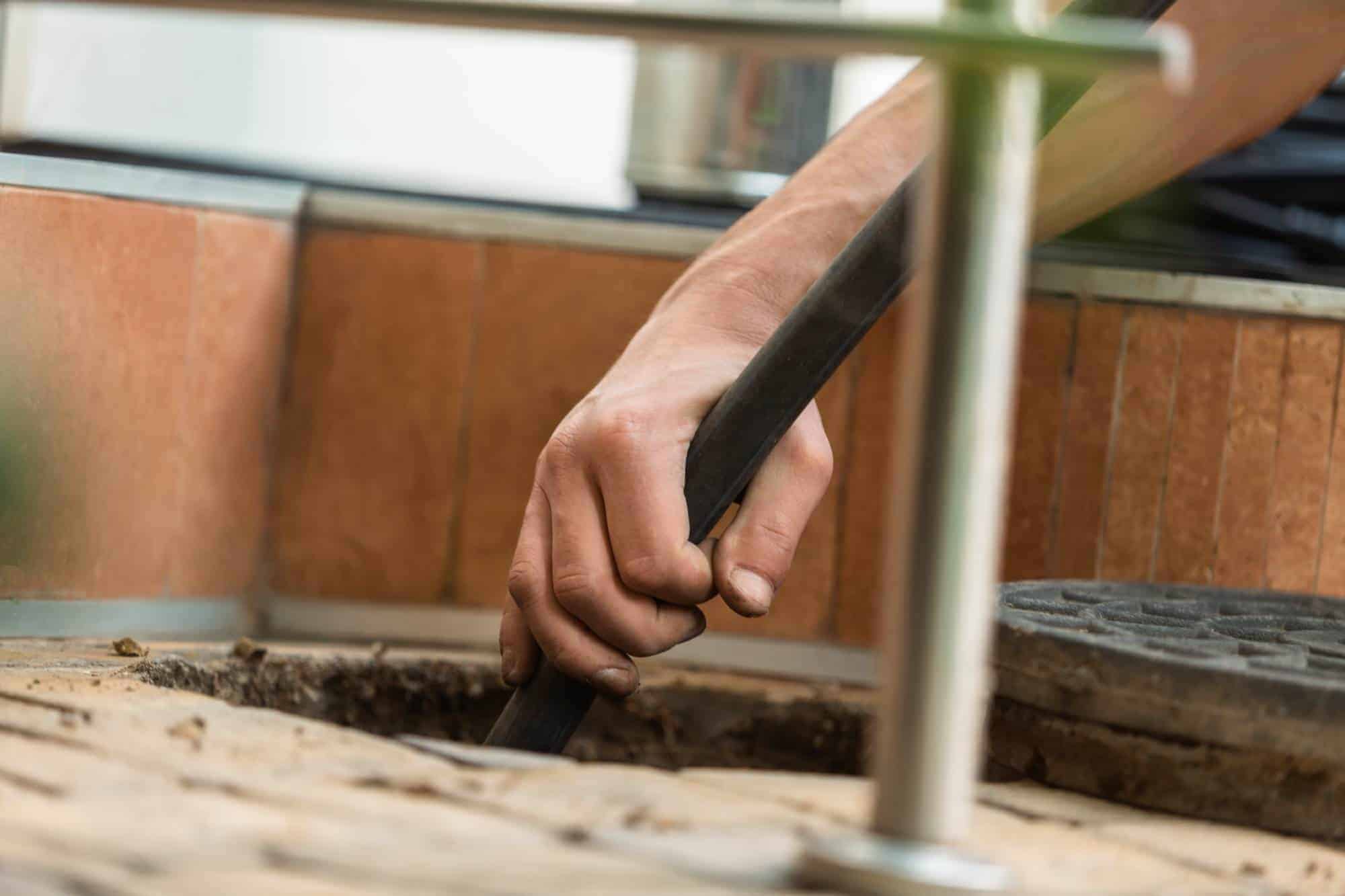
Most disposals have a reset button on the bottom of the unit. Press it after the disposal cools down. If that doesn’t work, you may have a jam that needs to be cleared manually. Never put your hand in the disposal. Turn off power at the breaker, then use a hex wrench (usually provided with the unit) to manually turn the grinding plate from underneath.
If you’re dealing with a clog, slow drainage, or backup that you can’t fix quickly, call for professional help rather than letting it disrupt your entire gathering. We provide fast response times and upfront pricing, even during holidays and weekends. Our team understands Cook County’s unique plumbing challenges and has the tools to handle everything from simple jams to major drain cleaning.
The holidays should be about family, food, and time together—not plumbing disasters. A little preparation goes a long way toward keeping your drains clear and your gathering stress-free.
Article details:
Share:
Continue learning:
Request a Callback
Want to skip the wait?
Simply enter your contact details, and we’ll call you when a NY Spine Advisor becomes available.