Lincoln Park's older homes and harsh winters create real plumbing challenges. Here's what to know before a small problem becomes a major repair.
Share:
Request a Callback
Want to skip the wait?
Simply enter your contact details, and we’ll call you when a Go Rooter Advisor becomes available.
Summary:
If you’re searching for a plumber in Lincoln Park, Chicago, you’re probably not doing it for fun. Either something has gone wrong — a pipe froze overnight, a drain backed up, a sump pump quit — or you’re trying to get ahead of a problem you’ve been putting off. Either way, you want real information, not a sales pitch.
Lincoln Park’s housing stock is stunning, but a lot of it is old. The plumbing behind those beautiful greystone facades has been working hard for decades, sometimes close to a century. This guide covers what that means for your home, what to do when something fails, and what separates a plumber worth calling from one you’ll regret hiring.
Greystones and brownstones define Lincoln Park’s residential character. They’re also some of the most plumbing-intensive buildings a technician can walk into. Multi-level drainage systems, shared water service entries, century-old cast iron pipes, and clay sewer laterals that were installed long before modern materials existed — these buildings weren’t built with easy repairs in mind.
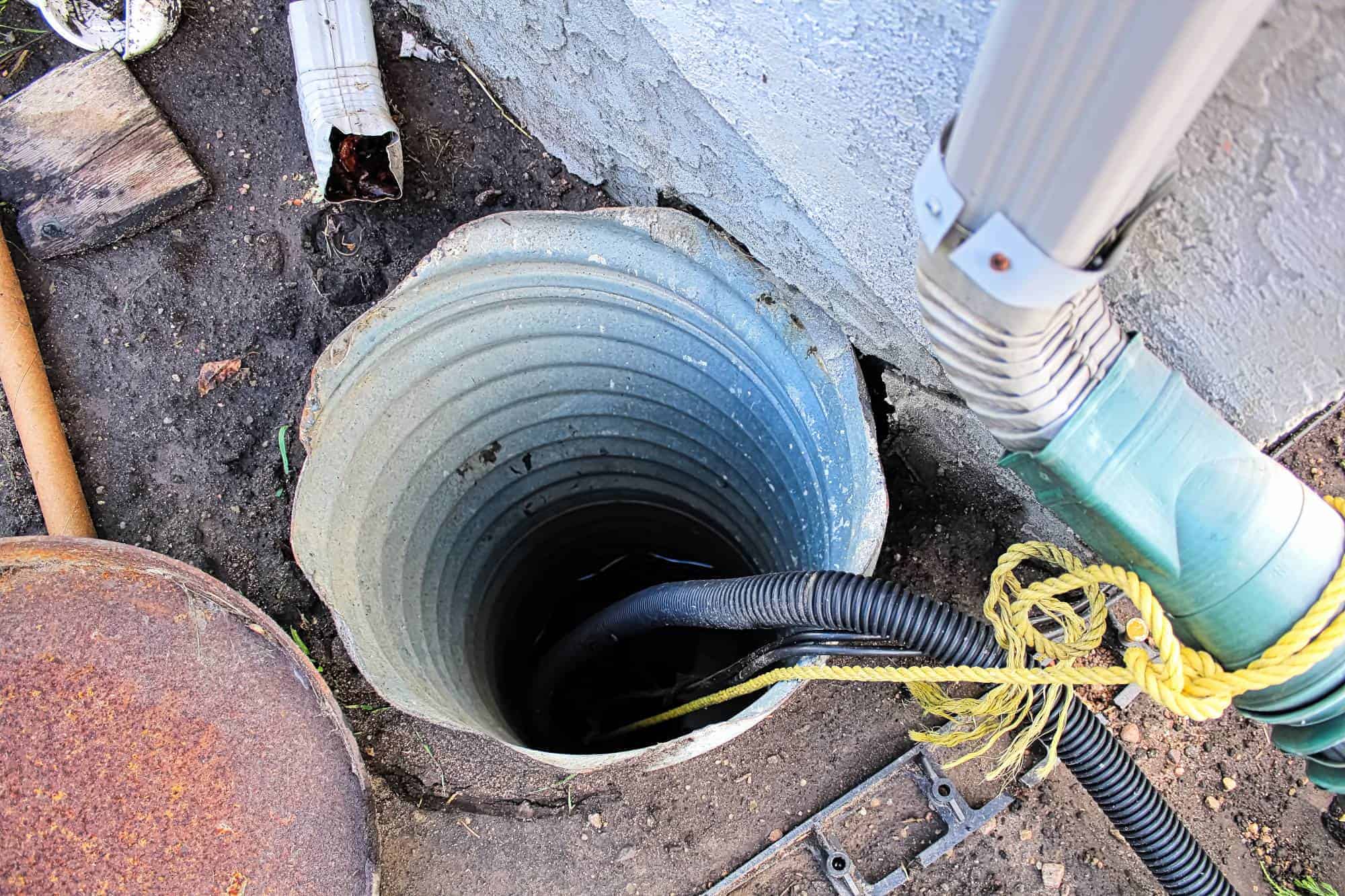
The neighborhood’s tree canopy, which is part of what makes Lincoln Park so livable, creates a persistent problem underground. Mature parkway trees send roots directly into aging clay sewer lines. It’s not a rare event — it’s a predictable one. In a two-flat or courtyard building, one failing lateral can affect multiple units at once.
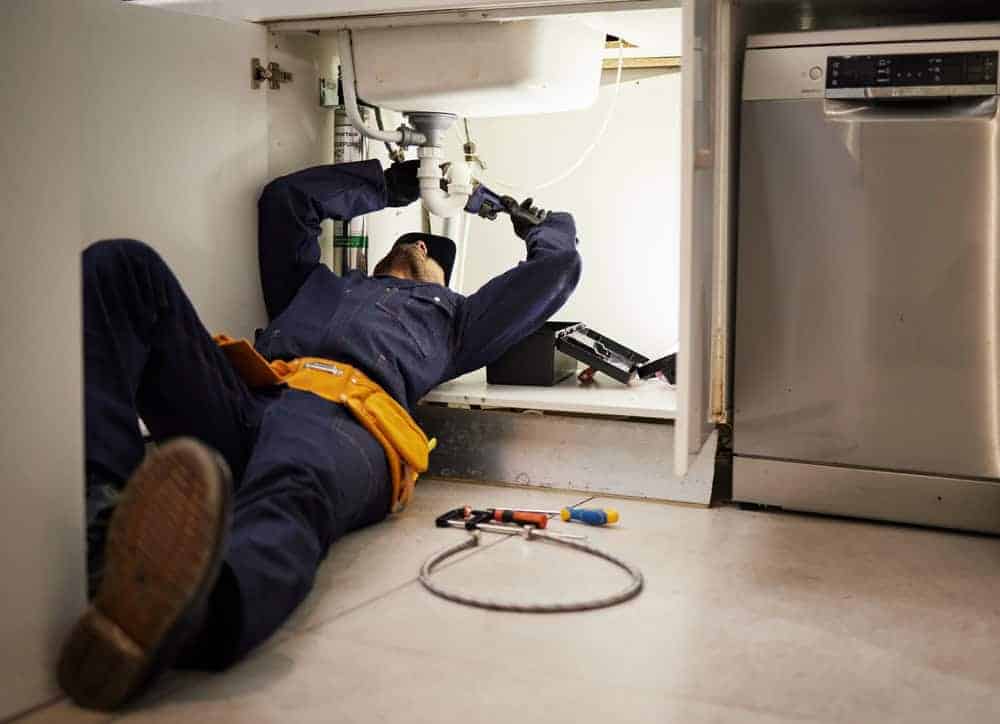
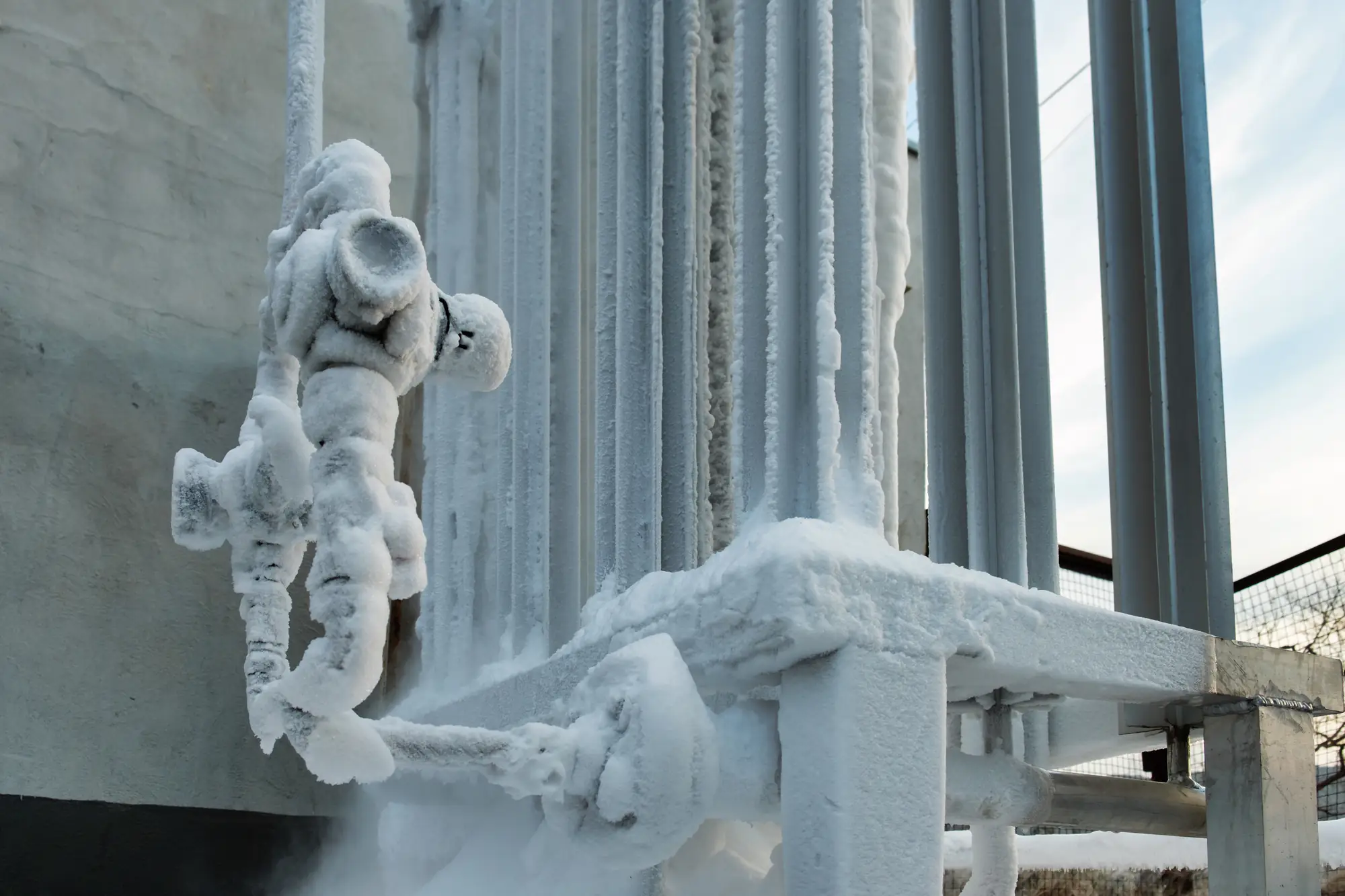
It’s one of the most common things we hear before a frozen pipe emergency: “They were fine last winter.” And that’s probably true. But pipe degradation is cumulative, not sudden. A cast iron drain that survived last February at 18°F may not survive this January at 22°F — because it’s one year more corroded, one freeze-thaw cycle more stressed, and one degree closer to failure.
Chicago averages around 105 days below freezing every year. Pipes become vulnerable when outdoor temperatures drop to 20°F or below, and in a building with inadequate insulation in the exterior walls or an unheated basement, that freeze can happen in as little as six to eight hours. Most people don’t notice until they turn on a faucet and nothing comes out — or worse, until they hear something they weren’t expecting.
The numbers behind a burst pipe are sobering. A crack as small as one-eighth of an inch can release more than 250 gallons of water in a single day. A fully burst pipe can push out two to four gallons per minute. The average insurance claim for water damage caused by frozen pipes runs around $15,000 — and that’s before you factor in mold, which can begin growing within 24 to 48 hours of water intrusion.
We bring this up because a lot of Lincoln Park homeowners and landlords treat frozen pipe risk as something that happens to other people, in other buildings. The reality is that pre-1950 construction with original plumbing is significantly more vulnerable than newer builds, and Lincoln Park has a lot of it. Knowing that changes how you think about winterization, about that slow drain you’ve been ignoring, and about whether it’s worth getting a camera inspection done before temperatures drop.
If you discover a frozen pipe, the first thing to do is locate your main water shutoff and know where it is before you need it. In most Lincoln Park buildings, it’s in the basement near the front of the structure. If a pipe has already burst, shutting off the water immediately limits how much damage you’re dealing with. Every minute matters — not in a dramatic way, but in a very practical, dollars-and-cents way.
Do not try to thaw a frozen pipe with an open flame. A heat gun, hair dryer, or electric heating pad applied carefully along the length of the pipe is safer — but if you can’t locate the frozen section, or if the pipe is inside a wall, that’s when you call us. We can thaw the line safely, assess whether it’s already cracked, and repair it before it fails completely. A professional thaw service in Cook County typically runs $150 to $400 — far less than the cost of water damage restoration, which can range from $1,000 to $3,000 for a single room and $3,000 to $8,000 or more for a finished basement.
One thing worth understanding about Lincoln Park specifically: the neighborhood’s proximity to Lake Michigan can moderate extreme cold in some conditions, but the lake also generates high wintertime humidity. Combined with wind chill, pipes can reach dangerous temperatures faster than the outdoor thermometer suggests. Buildings on the western end of the neighborhood — farther from the lake — and those with uninsulated exterior walls or crawl spaces are particularly exposed.
After a freeze event, even if nothing burst, it’s worth having us take a look. Pipes that have frozen once are more likely to freeze again, and the stress of the freeze-thaw cycle can create hairline fractures that won’t show up until weeks later. A camera inspection at that point isn’t overkill — it’s the kind of preventative step that keeps a $400 service call from turning into a $15,000 insurance claim.
Want live answers?
Connect with a Go-Rooter Emergency Plumbers expert for fast, friendly support.
Lincoln Park and Lakeview share more than a border. They share the same housing stock — greystones, two-flats, vintage courtyard buildings — the same aging combined sewer infrastructure, and the same winter freeze risk. If you’re in Lakeview and found this page, everything above applies to your building just as much as it does to your neighbors to the south.
We serve both neighborhoods, along with the broader North Side, because the plumbing challenges don’t change at Diversey Parkway. The tree-lined streets, the pre-war construction, the clay sewer laterals — it’s the same story from Old Town up through Wrigleyville and beyond.
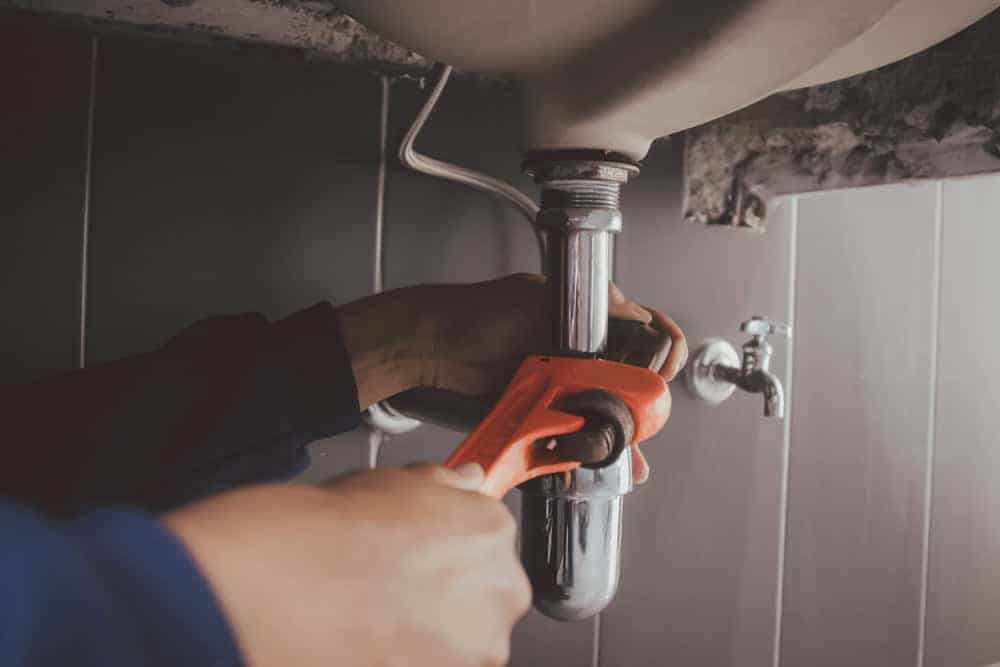
There’s a meaningful difference between a plumber who serves Chicago and a plumber who knows the North Side. Not every technician who takes a call in Lincoln Park has spent years working inside greystones, navigating shared sewer laterals in two-flats, or dealing with the specific way cast iron ages in buildings that were constructed before the Second World War.
We’ve been working in this part of Cook County since 2001. Our office is at 1953 N Clybourn Ave — in the 60614 zip code, in Lincoln Park itself. That’s not a detail we mention to check a box. It means when you call at 11 PM because something went wrong, we’re not driving in from the suburbs. We know these streets, we know these buildings, and we’ve seen most of what can go wrong inside them.
That familiarity matters when you’re dealing with a problem in an older building. A technician who hasn’t worked in a pre-war greystone before may not immediately recognize what they’re looking at when they open a wall or run a camera down a lateral. Experience with this specific building type means faster diagnosis, fewer surprises, and repairs that hold up — not patches that buy you another season.
We’re also authorized to work under the City of Chicago Private Drain Program, which not every plumbing contractor qualifies for. It’s a credential that reflects familiarity with Chicago’s specific infrastructure requirements and the regulatory environment that comes with working in the city. For homeowners and landlords in Cook County who need permitted work done correctly the first time, that matters.
The most common complaint in plumbing reviews — across every platform, across every market — is surprise charges. A verbal estimate that doubles once the work is done. Fees that appear on the invoice that were never discussed. The feeling of being locked in once a technician is already in your home.
We don’t operate that way. Before any work begins, you get a written price. That’s the price. We offer free quotes so you know what you’re looking at before you commit to anything. We have specific offers in place for customers who are new to us or who could use a break: $40 off for new customers, a 10% senior discount on residential plumbing under $2,500, $50 off main line rodding, $100 off sewer repair, and $300 off flood control installation. Hydro jetting — a service that clears years of buildup from older drain lines and is genuinely useful as a preventative measure in Lincoln Park’s aging pipes — starts at $55.
These aren’t promotional gimmicks. They reflect the way we think about pricing: transparently, with the customer’s situation in mind. A landlord managing a two-flat on the North Side and a senior homeowner in a greystone they’ve lived in for thirty years have different financial realities. We try to account for that.
What you should expect from any plumber you hire — not just us — is a written estimate before work starts, confirmation that they’re licensed and insured, and a clear explanation of what they found and what they’re going to do about it. If a plumber can’t tell you the price before they start, or won’t pull a permit for work that requires one, those are signals worth paying attention to. In Cook County, licensed plumbing contractors are required to carry $1 million in liability insurance and must be registered with the Cook County Department of Building and Zoning. Verifiable credentials aren’t a bonus — they’re a baseline.
The best time to find a plumber you trust is before a pipe bursts at midnight. Lincoln Park’s older buildings, harsh winters, and aging sewer infrastructure make plumbing failures a question of when, not if — especially if you’re in a pre-1950 greystone or a two-flat with original cast iron drains.
What to look for: a local company with real experience in North Side buildings, verifiable licensing and insurance, upfront written pricing, and a track record in the reviews that goes beyond generic praise. Camera inspection before major work is a sign of a plumber who diagnoses problems rather than guesses at them.
If you’re in Lincoln Park, Lakeview, or anywhere along the North Side corridor in Cook County and want to talk through what’s going on with your plumbing — or just get a free quote before something becomes urgent — Go-Rooter Emergency Plumbers is available around the clock, every day of the week.
Article details:
Share:
Continue learning:
Request a Callback
Want to skip the wait?
Simply enter your contact details, and we’ll call you when a NY Spine Advisor becomes available.