Wondering what a plumber actually costs in Cook County? Here's a straightforward breakdown of 2026 rates, service fees, and what affects the final bill.
Share:
Request a Callback
Want to skip the wait?
Simply enter your contact details, and we’ll call you when a Go Rooter Advisor becomes available.

Summary:
Most people searching this question aren’t doing casual research. They’re standing next to a leak, a flooded basement, or a pipe that just gave out — and they need to know if calling a plumber right now is going to cost them $200 or $2,000. That gap in understanding is exactly what some plumbing companies count on. We don’t think that’s fair. So here’s an honest breakdown of what plumbing actually costs in Cook County in 2026 — what’s typical, what drives prices up, and what you should expect before anyone picks up a wrench.
Across Cook County, plumber hourly rates generally run between $45 and $200 per hour, with most residential jobs landing somewhere in the middle of that range. The wide spread isn’t random — it reflects real differences in the type of work, the plumber’s license level, and whether you’re calling at 2pm on a Tuesday or 2am on a Sunday in January.
For standard daytime work, you’re typically looking at $80 to $150 per hour for a licensed journeyman plumber. Master plumbers — who carry more experience and a higher license tier — often run closer to $150 to $200 per hour. In Cook County specifically, master plumbers earn around $38 per hour in base wages, which is about 25% above the national average, and that cost gets passed through to the customer.
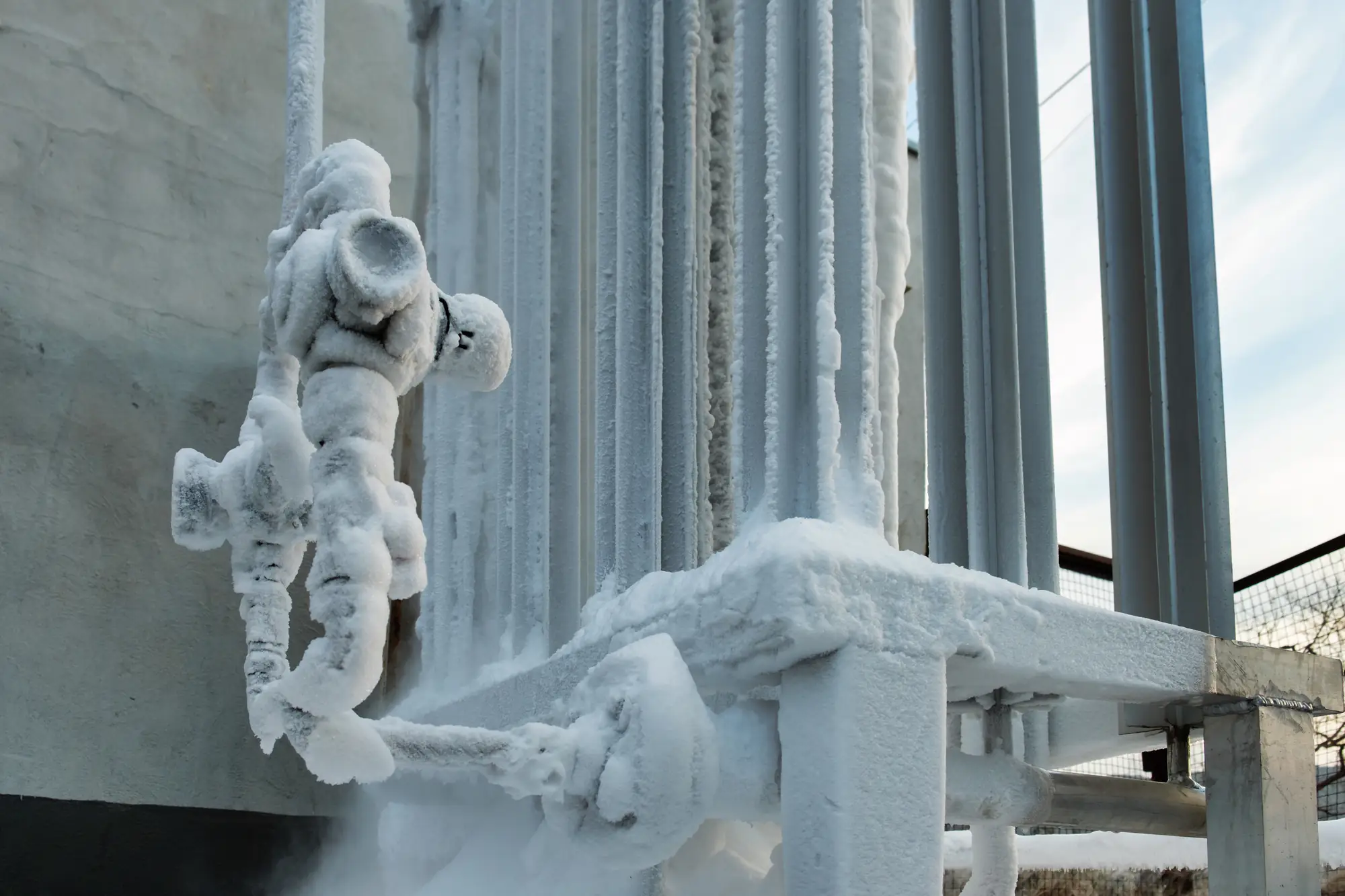
Emergency and after-hours calls carry a premium. During a Cook County winter, when frozen pipe calls spike and demand outpaces supply, rates can push to $250 or more per hour. That’s not price gouging — it’s the real cost of having a licensed plumber available at any hour in one of the coldest major regions in the country.

Not every plumber bills by the hour, and honestly, that’s not always a bad thing. Many companies — including us — offer flat-rate pricing for common jobs. You get a single number upfront, and that’s what you pay, regardless of how long the work takes. For homeowners, that removes the anxiety of watching the clock while someone works on your pipes.
Hourly billing still makes sense for complex or unpredictable jobs, where the scope genuinely isn’t clear until the work is underway. The key isn’t which method a company uses — it’s whether they give you a written estimate before they start. That’s the line between a trustworthy plumber and one you’ll be arguing with after the fact.
In Cook County, where a significant portion of the housing stock was built before 1960, jobs have a way of revealing surprises once the walls open up. Galvanized steel supply pipes corrode from the inside out. Cast-iron drain stacks crack and shift over decades. Clay sewer laterals — still present in many older Cook County neighborhoods — are prone to root intrusion and collapse. These aren’t hypotheticals; they’re the everyday reality of plumbing in a region with aging infrastructure.
We use camera inspection technology to assess what’s actually happening before committing to a price. Before any invasive work begins — before any digging, any wall opening, any excavation — we see the problem precisely. It protects you from paying for work that wasn’t needed, and it protects us from underquoting a job that’s more complex than it looks. A homeowner in a 1940s Logan Square two-flat and a homeowner in a newer Evanston suburb are dealing with fundamentally different plumbing systems, and the estimate should reflect that.
What you should always ask before work begins: Is this a flat rate or hourly? What’s included in that rate? Will the estimate change if something unexpected comes up? Get the answer in writing. Every time.
A service call fee — sometimes called a trip fee or call-out charge — is what a plumber charges just to show up and assess your situation. In Cook County, that typically runs between $70 and $170, depending on the company, the time of day, and whether it’s an emergency. Nationally, the range is a bit narrower, usually $50 to $150.
This fee isn’t a scam, even though it can feel like one when you’re already stressed. It covers the plumber’s travel time, fuel, overhead, and the labor involved in diagnosing your problem before any repair work starts. The real question isn’t whether a service call fee exists — it’s whether the company is upfront about it before they arrive, and whether it gets credited toward your total if you move forward with the repair.
Some companies will waive or apply the service call fee toward your job total. Others won’t. Ask before you book. If a company is vague about this on the phone, that’s a signal worth paying attention to. The same goes for after-hours fees — a legitimate company will tell you exactly what the after-hours premium is before they dispatch anyone.
Here’s something worth knowing specific to Cook County: Chicago requires plumbing contractors to hold both a state license from the Illinois Department of Public Health and a City of Chicago Department of Buildings license. That dual licensing requirement adds to the cost of doing business legitimately — which is part of why you’ll pay more here than in some surrounding areas. It’s also why you should always ask for a license number and verify it. The IDPH database is publicly searchable. A company that hesitates to share their license number is a company worth avoiding.
We offer free quotes — no service call fee just to find out what you’re dealing with. That’s not a promotional gimmick; it’s how we think the process should work. You shouldn’t have to pay $100 before you even know if the job is worth doing.
Want live answers?
Connect with a Go-Rooter Emergency Plumbers expert for fast, friendly support.
Hourly rates tell part of the story. But what most people actually want to know is: what’s this specific job going to cost me? The answer varies by job type, and it varies more in Cook County than in many other markets — because of the age of the housing stock, the complexity of Chicago’s building types, and the seasonal extremes that push certain repairs into emergency territory.
Based on real completed projects in Cook County in 2025, homeowners paid anywhere from $116 to $842 for plumbing work. That’s a wide range, and it reflects everything from a simple faucet repair to a main line rodding job on a 1950s bungalow with decades of buildup in the drain stack.
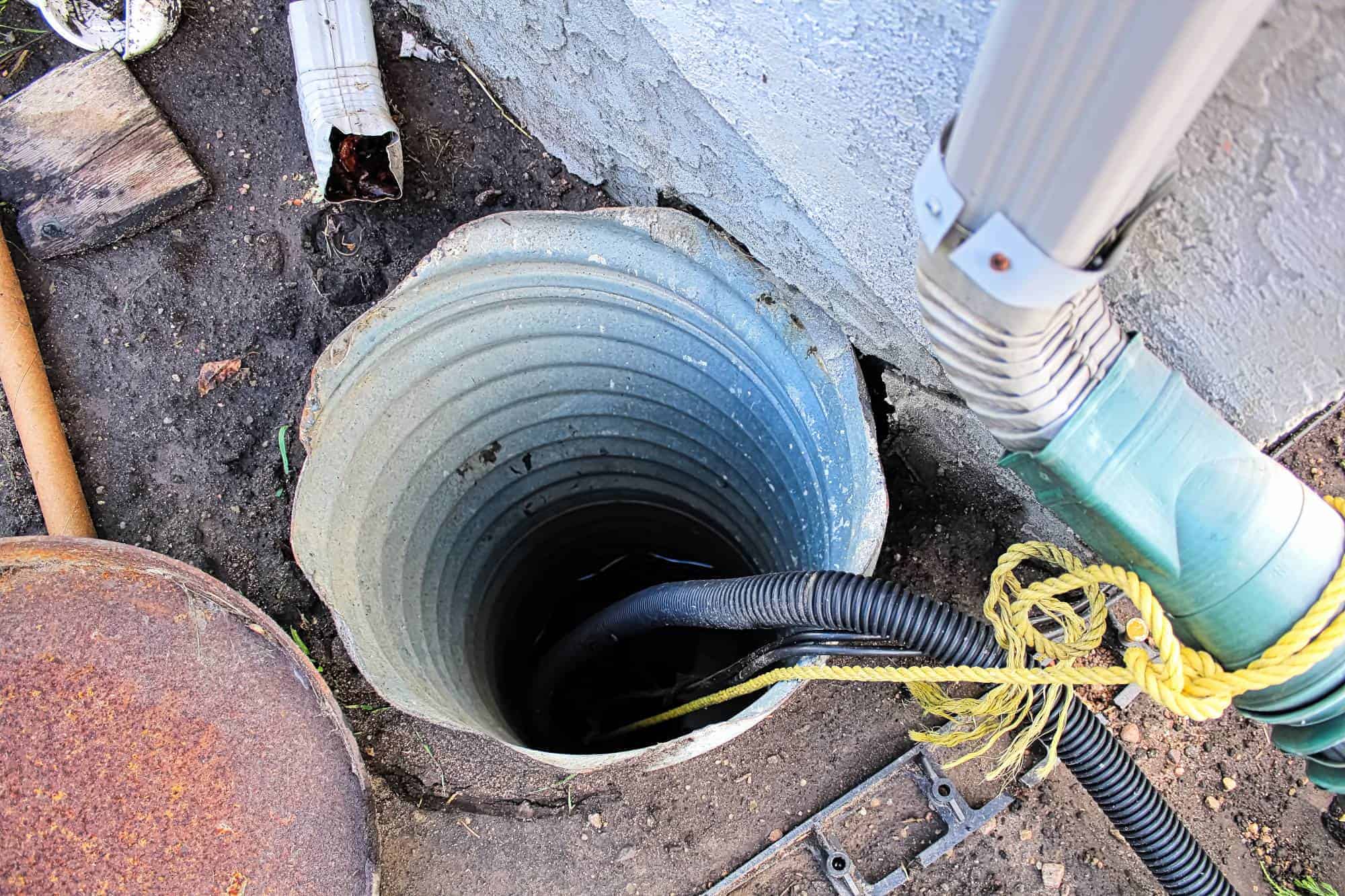
For drain unclogging — one of the most common calls we get — you’re typically looking at $150 to $250. That covers the labor to clear the blockage and confirm the line is flowing properly. If the clog is deeper in the system or the drain stack has buildup from years of use, it may take more time and equipment, which can push the cost higher.
Burst pipe repair is a different category entirely. Depending on where the pipe is located and how extensive the damage is, repairs typically run $300 to $800. A pipe that bursts inside a finished wall in a Hyde Park greystone costs more to access and repair than one in an unfinished basement in Skokie — not because the repair itself is different, but because the labor to get to it is. That’s the reality of working in Cook County’s building stock.
For hydro jetting — a high-pressure water method for clearing stubborn drain blockages and buildup — we start at $55. It’s one of the most effective tools for older drain systems that have accumulated grease, scale, or root intrusion over decades, and it’s significantly more thorough than standard rodding for the right situations.
Main line rodding, sewer repair, and flood control installation sit at the higher end of the cost spectrum. These are the jobs where the difference between a company that cameras first and one that just starts digging really shows up in the final bill. We offer $50 off main line rodding, $100 off sewer repair, and $300 off flood control installation — specific discounts that apply to some of the most expensive jobs homeowners in Cook County face.
If you’re calling at 11pm because a pipe just burst in your basement, you’re in emergency territory — and the cost reflects that. After-hours and same-day emergency calls typically carry a premium of 35 to 50% above standard rates. During a Cook County winter, when temperatures drop below zero and frozen pipe calls flood in, that premium is real and unavoidable. Any company that tells you emergency plumbing costs the same as a Tuesday afternoon appointment isn’t being straight with you.
What matters in that moment isn’t finding the cheapest option — it’s finding a licensed plumber who will actually answer the phone, give you a real number before they start, and show up. Seventy to eighty percent of plumbing calls qualify as urgent. That means most people aren’t shopping casually. They’re making a fast decision under pressure, and that’s exactly when vague pricing causes the most damage.
Cook County winters make this particularly acute. When the temperature drops to single digits — which happens regularly between December and February — pipes in exterior walls, uninsulated crawl spaces, and older homes without proper insulation are at serious risk. A frozen pipe that’s caught early might be a $300 repair. One that bursts and goes undetected for hours can cause water damage that costs tens of thousands of dollars to remediate. The average insurance payout for a water damage claim is $13,954. That context matters when you’re deciding whether to wait until morning.
We’re available 24 hours a day, seven days a week — not as a call center that takes messages, but as actual plumbers who answer. When you call us at 3am, you’re talking to someone who can dispatch a technician, give you a real estimate, and tell you exactly what the after-hours rate is before anyone leaves the shop. That’s what upfront pricing means in practice, not just on a website.
New customers get $40 off their first service. Senior homeowners on residential plumbing jobs under $2,500 receive a 10% discount. These aren’t buried in fine print — they’re part of how we operate, because we know that a burst pipe or a failed sump pump doesn’t ask whether it’s a convenient time financially.
A fair plumbing quote in Cook County looks like this: a licensed contractor who shows you their credentials, gives you a written estimate before any work begins, explains what’s included, and doesn’t change the number once the job is underway. That’s the standard. It’s not complicated, but it’s also not universal — which is why it’s worth knowing before you’re standing in a flooded basement trying to make a fast decision.
The prices in this guide reflect real Cook County data from 2025 and 2026. They’re ranges, not guarantees, because every home is different — especially in a county where a substantial portion of the housing stock is 60 or more years old and carries the plumbing to match. What we can guarantee is that you’ll know the number before we start.
If you’re dealing with a plumbing issue right now — or you want to get ahead of one before Cook County winter sets in — Go-Rooter Emergency Plumbers is ready to help. Free quote, upfront pricing, and a team that’s been working in this community since 2001.
Article details:
Share:
Continue learning:
Request a Callback
Want to skip the wait?
Simply enter your contact details, and we’ll call you when a NY Spine Advisor becomes available.