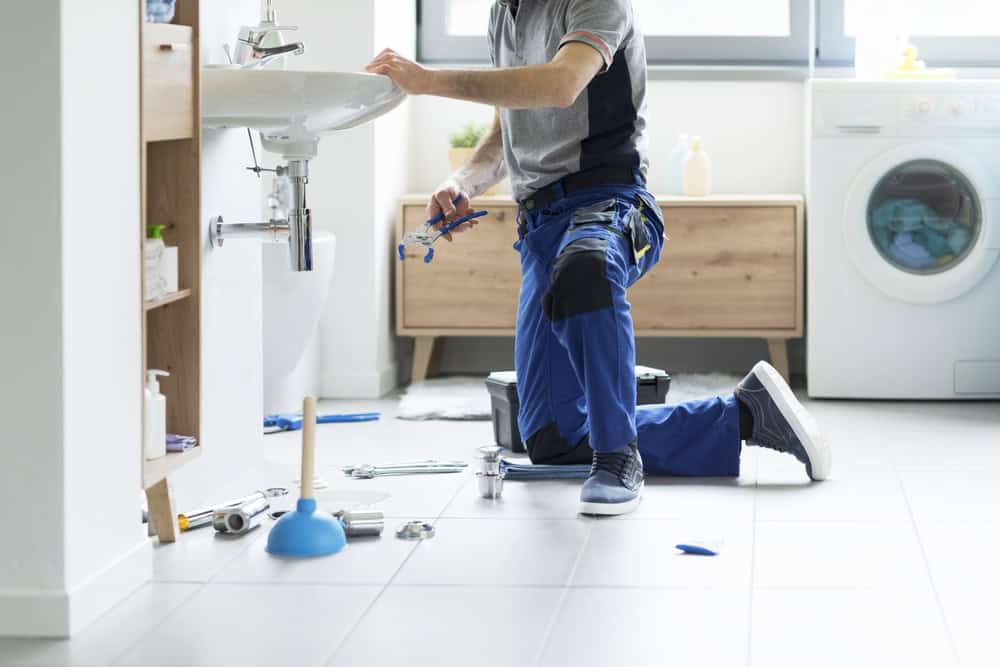
Weak showers and slow faucets aren't just annoying—they're often signs of deeper plumbing issues in Chicago's aging infrastructure. Here's what actually works to fix low water pressure.
Share:
Request a Callback
Want to skip the wait?
Simply enter your contact details, and we’ll call you when a Go Rooter Advisor becomes available.

Summary:
Your shower barely trickles. The kitchen faucet takes forever to fill a pot. You’ve tried cleaning the aerator, checked the shutoff valve, maybe even Googled “how to fix low water pressure” at 11 PM on a Tuesday.
Here’s the thing: low water pressure in Chicago isn’t always a simple fix. The city’s aging pipes, hard water, and century-old infrastructure create problems that homeowners in newer cities never see. Some pressure issues you can handle yourself in ten minutes. Others need a licensed plumber who actually understands what’s happening behind your walls.
This guide walks you through both. No fluff, no scare tactics—just straight answers about what causes water pressure problems in Cook County homes and what actually fixes them.
Chicago’s water pressure issues aren’t like other cities. You’re dealing with infrastructure that’s been in the ground since the early 1900s, galvanized pipes that were installed when Eisenhower was president, and municipal water systems that fluctuate based on neighborhood demand and maintenance schedules.
The homes most affected were built before 1970. If yours is one of them, there’s a strong chance you’ve got galvanized steel pipes somewhere in the system. These pipes were the standard back then—cheap, easy to install, and expected to last 40 to 50 years. Problem is, most of them are now 60 to 100 years old.
Chicago’s hard water accelerates the corrosion. Calcium and magnesium stick to the inside of galvanized pipes like plaque in an artery. Over time, that buildup narrows the pipe’s diameter. What used to be a three-quarter-inch pipe might now have an opening the size of a pencil. The water can’t flow the way it used to, and you end up with pressure that feels weak at every fixture.
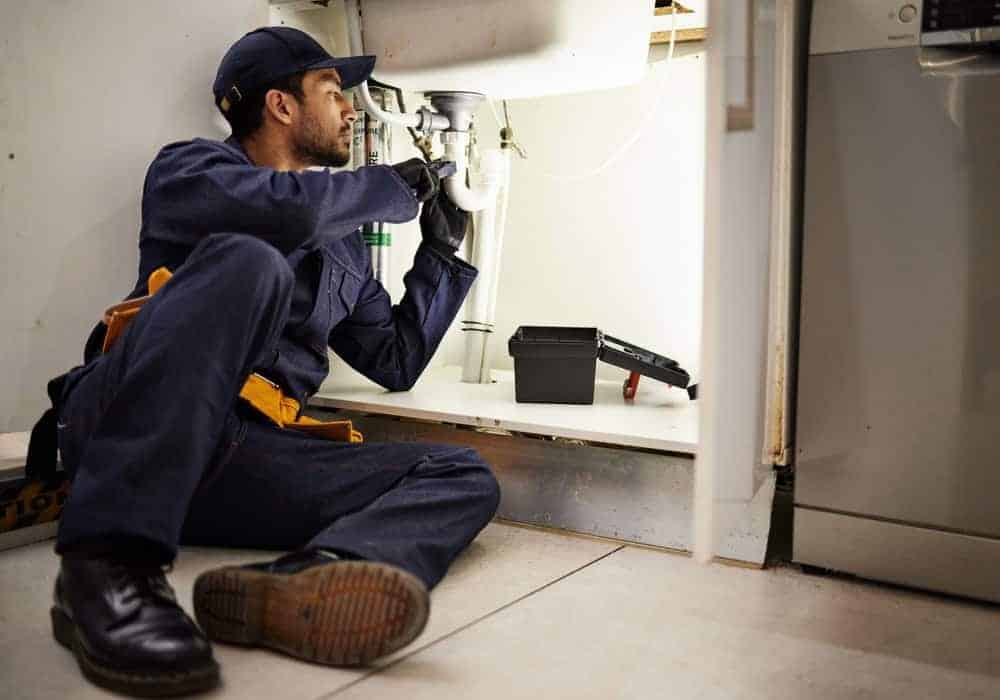
The pressure drop doesn’t happen overnight. It’s gradual, which is why a lot of homeowners don’t notice until it’s bad enough to affect daily routines.
Start with the pipes themselves. Galvanized steel was coated with zinc to prevent rust, but that coating wears away. Once it’s gone, you’re down to bare steel, and steel rusts when it touches water. The rust builds up on the inside of the pipe, creating rough surfaces that catch more minerals from the water. Those minerals harden into scale, and the cycle continues until the pipe is half-clogged or worse.
Hot water pipes fail faster than cold water lines because heat speeds up corrosion. That’s why you might notice weak pressure in the shower but decent flow at the outdoor hose. It’s not your imagination—it’s chemistry.
Then there’s Chicago’s weather. Freezing winters and sweltering summers cause pipes to expand and contract. That repeated stress weakens joints, creates micro-cracks, and eventually leads to leaks. Even small leaks divert water away from your fixtures, dropping the pressure you feel at the tap.
Municipal factors play a role too. The city performs routine hydrant flushing to clear sediment from the water mains. When they do, that sediment gets stirred up and can travel into your home’s plumbing, clogging aerators and showerheads. A 2025 audit also found that improper installation of water mains in some Chicago neighborhoods has caused ongoing pressure fluctuations that affect entire blocks.
If your neighbors are experiencing the same weak pressure, it’s likely a municipal supply issue. If it’s just your house, the problem is in your plumbing system.
Some low water pressure issues are easy fixes. Others are warnings that something bigger is failing. Knowing the difference saves you time and money.
If only one faucet has weak pressure, start simple. Unscrew the aerator—the little screen at the tip of the faucet—and rinse it under water. Mineral buildup clogs these all the time, especially in Chicago. If that restores pressure, you’re done. If it doesn’t, the problem is upstream.
When pressure is low throughout the entire house, you’re looking at a system-wide issue. Check your main shutoff valve first. It’s usually near the water meter, and it should be turned fully counterclockwise. If someone did plumbing work recently, there’s a chance it wasn’t reopened all the way. That’s a two-second fix.
Next, look for leaks. Check under sinks, around the water heater, and in the basement. If you see wet spots, stains, or pooling water, you’ve got a leak that’s stealing pressure. Even small leaks add up. A steady drip can waste thousands of gallons a year and drop your pressure noticeably.
Rusty or discolored water is a red flag. If your water comes out brown or rust-colored after sitting in the pipes for a while, that’s corrosion. The rust is coming from inside your pipes, and it means they’re deteriorating. At that point, cleaning an aerator won’t solve anything. You’re looking at pipe repair or replacement.
If you turn on multiple fixtures at once and the pressure drops dramatically, that’s another sign of restricted flow somewhere in the system. It could be a clogged pipe, a failing pressure regulator, or corroded lines that can’t handle normal demand anymore.
Want live answers?
Connect with a Go-Rooter Emergency Plumbers expert for fast, friendly support.
Once you’ve ruled out the simple stuff—clogged aerators, closed valves, obvious leaks—you’re into territory that requires a plumber. Not because you’re incapable, but because diagnosing pressure issues accurately requires testing equipment and experience with Chicago’s specific plumbing challenges.
We start by testing pressure at multiple points in your home. We’re looking for patterns. Low pressure only on the second floor might indicate a different problem than low pressure only in the bathroom. Testing helps isolate where the restriction is happening.
From there, the solutions depend on what’s causing the issue. If your municipal supply is delivering low pressure—common in some Chicago neighborhoods—a booster pump can increase the force of water entering your home. If the problem is corroded pipes, you might need sections replaced. If it’s a failing pressure regulator, that’s a straightforward part replacement that takes a few hours.
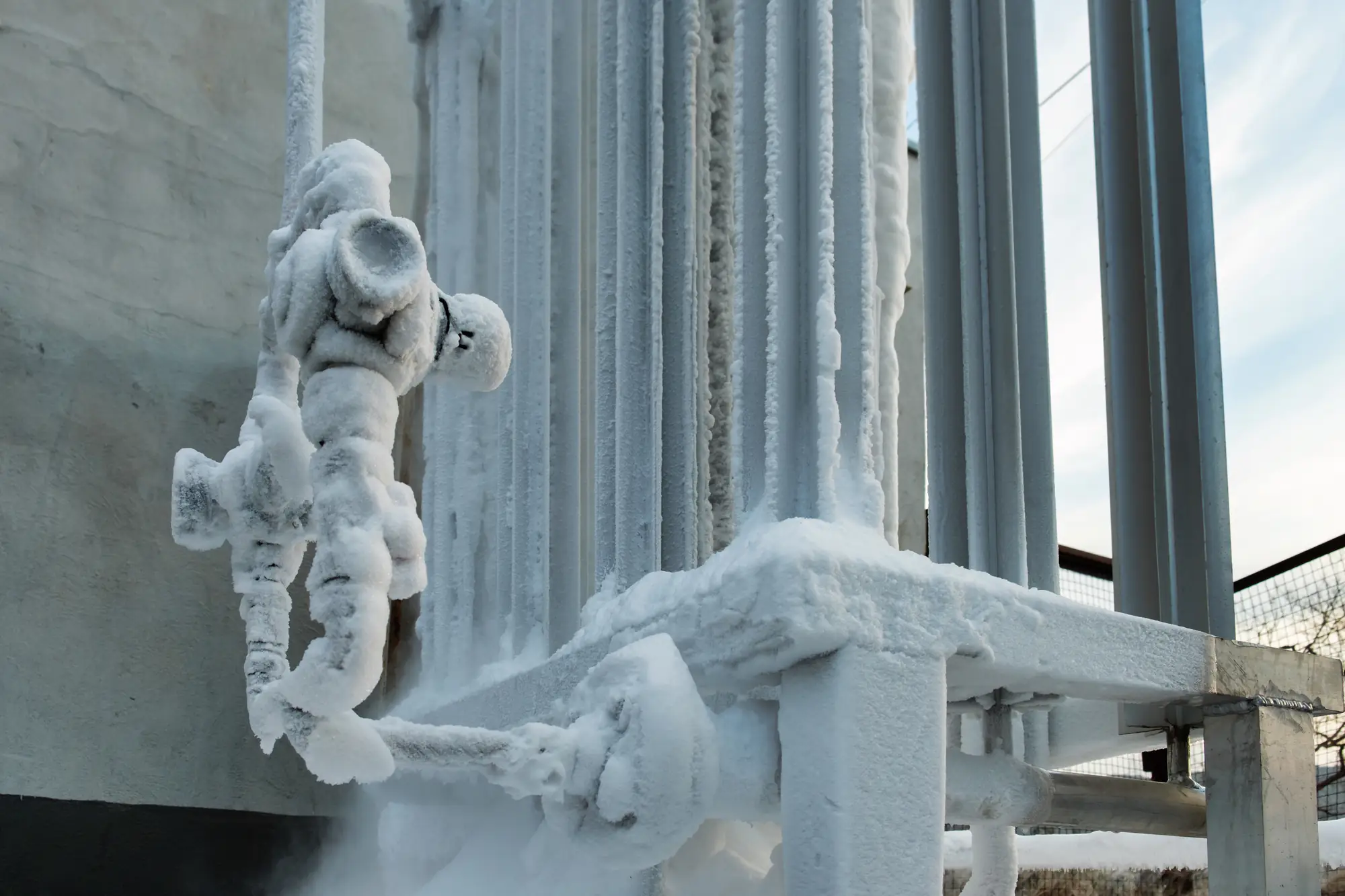
Most homes in Chicago have a pressure reducing valve, or PRV, installed near the main water line. Its job is to control how much pressure enters your plumbing system from the municipal supply. The city’s water mains can deliver pressure as high as 150 to 200 PSI. Your home’s pipes, fixtures, and appliances are designed for 40 to 60 PSI. Without a regulator, that high pressure would damage everything downstream.
The problem is, pressure regulators don’t last forever. After 10 to 20 years, they can fail or lose calibration. When that happens, you might get too little pressure—or in some cases, too much, which can burst pipes and ruin appliances.
You’ll find the PRV near your main shutoff valve. It’s a bell-shaped device, usually brass, with a screw on top for adjustments. If your pressure is consistently low and you’ve ruled out other causes, the regulator might be set too low or malfunctioning.
Adjusting a pressure regulator is possible if you’re comfortable working with plumbing fittings, but it’s easy to make things worse. Turn the adjustment screw clockwise to increase pressure, counterclockwise to decrease it. Make small changes and test the pressure after each adjustment. If tweaking the setting doesn’t help, or if the valve looks corroded or damaged, it needs to be replaced.
Replacing a water pressure regulator costs between $200 and $700 in Cook County, depending on the valve type, pipe size, and whether the existing setup is easy to access. That includes parts and labor. If the regulator is buried behind drywall or in a tight crawl space, expect the higher end of that range. If it’s in an open basement with good access, you’ll pay less.
A new regulator restores consistent pressure, protects your fixtures from damage, and can reduce water waste. Many homeowners see their water usage drop by 25% to 30% after installing or properly calibrating a PRV, because it prevents the excessive flow that comes with unregulated high pressure.
If your municipal water supply delivers weak pressure—say, 30 PSI or less—and there’s nothing wrong with your home’s plumbing, a booster pump might be the answer. This is especially common in certain Chicago neighborhoods where the city’s infrastructure just doesn’t deliver strong flow, or in taller buildings where gravity works against water trying to reach upper floors.
A booster pump connects to your main water line and uses a motor to increase the force of water entering your home. It’s essentially a small pump with a pressure tank. When you turn on a faucet, the pump kicks in and pushes water through your pipes at a higher pressure than what the city delivers.
Booster pumps are effective, but they’re not cheap. Installation costs range from a few hundred dollars for a basic residential unit to several thousand for whole-building systems in multi-unit properties. The pump also uses electricity, so your utility bills will increase slightly.
Before you invest in a booster pump, make sure the problem is actually low municipal supply. We can test the pressure coming into your home at the meter. If it’s adequate there but weak at your fixtures, the issue is inside your plumbing—corroded pipes, a bad regulator, or hidden leaks. A booster pump won’t fix those problems.
If the municipal pressure is genuinely low and consistent, a booster pump delivers strong, reliable flow. You’ll notice the difference immediately. Showers feel normal again. The dishwasher fills faster. Outdoor hoses have enough pressure to actually water the garden.
In older Chicago homes with mixed plumbing materials—some copper, some galvanized, some PEX from partial renovations—a booster pump can sometimes mask underlying issues. It forces water through restricted pipes, which works for a while, but doesn’t address the corrosion or buildup causing the restriction. That’s why diagnosis matters. You want to solve the root problem, not just treat the symptom.
Low water pressure in Chicago isn’t a one-size-fits-all problem. Sometimes it’s a clogged aerator you can clean in five minutes. Sometimes it’s a pressure regulator that needs adjustment or replacement. And sometimes it’s corroded galvanized pipes that have been slowly failing for decades.
The key is accurate diagnosis. Test pressure at multiple fixtures. Check for leaks. Look at the age of your home and the condition of visible pipes. If you’ve got a pre-1970s house with original plumbing, there’s a good chance galvanized corrosion is part of the equation.
When DIY troubleshooting doesn’t solve it, or when you’re seeing rust-colored water and pressure drops throughout the house, it’s time to call someone who knows Chicago’s plumbing inside and out. We’ve been solving water pressure problems across Cook County for years. We understand galvanized pipes, hard water buildup, and the quirks of Chicago’s municipal system. Contact us for upfront pricing and same-day service.
Article details:
Share:
Continue learning:
Request a Callback
Want to skip the wait?
Simply enter your contact details, and we’ll call you when a NY Spine Advisor becomes available.