Galvanized steel, cast iron, clay tile — Chicago's older homes are full of aging pipe materials. Here's what you need to know before a small problem becomes a big one.
Share:
Request a Callback
Want to skip the wait?
Simply enter your contact details, and we’ll call you when a Go Rooter Advisor becomes available.
Summary:
Most Chicago homeowners don’t think about their pipes until something goes wrong. Then they call a plumber, get a patch job, and three months later they’re calling again. If that sounds familiar, the problem probably isn’t the leak — it’s the system behind it.
Chicago’s older neighborhoods are full of homes built in the 1920s, 1930s, and 1940s. Some of that original plumbing is still in place. Galvanized steel supply lines, cast iron drain stacks, clay tile sewer laterals — materials that were standard for their era but were never designed to last a century. Here’s what those materials look like when they’re failing, and what it actually takes to fix the problem for good.
Galvanized steel pipes were the standard for residential water supply lines from roughly the 1900s through the 1960s. They’re strong, they were cheap to install, and for the first few decades they hold up fine. The problem is what happens inside them over time.
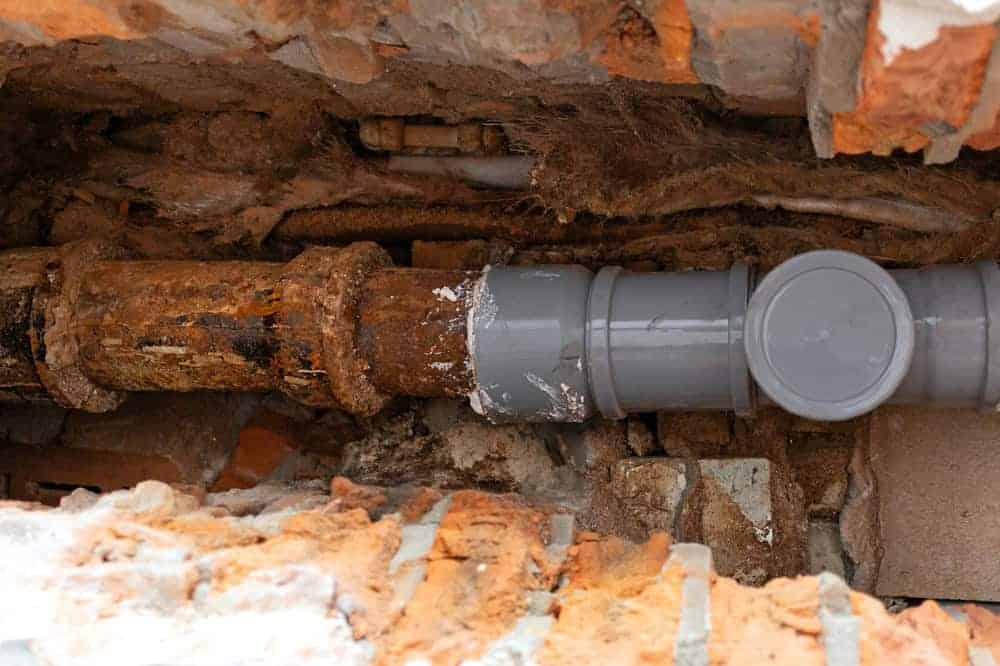
As galvanized pipes age, they corrode from the inside out. Rust and mineral deposits build up along the pipe walls, gradually narrowing the interior diameter. Water pressure drops. The water itself can run orange or brown for a few seconds when you first turn on the tap. And the weakened pipe walls start developing small leaks — first one, then another, then another, each one a few feet away from the last.
That’s the pattern we see in a lot of older Cook County homes. One repair leads to another because corrosion doesn’t stop at the spot you just fixed. It’s a system-wide problem, not a localized one.
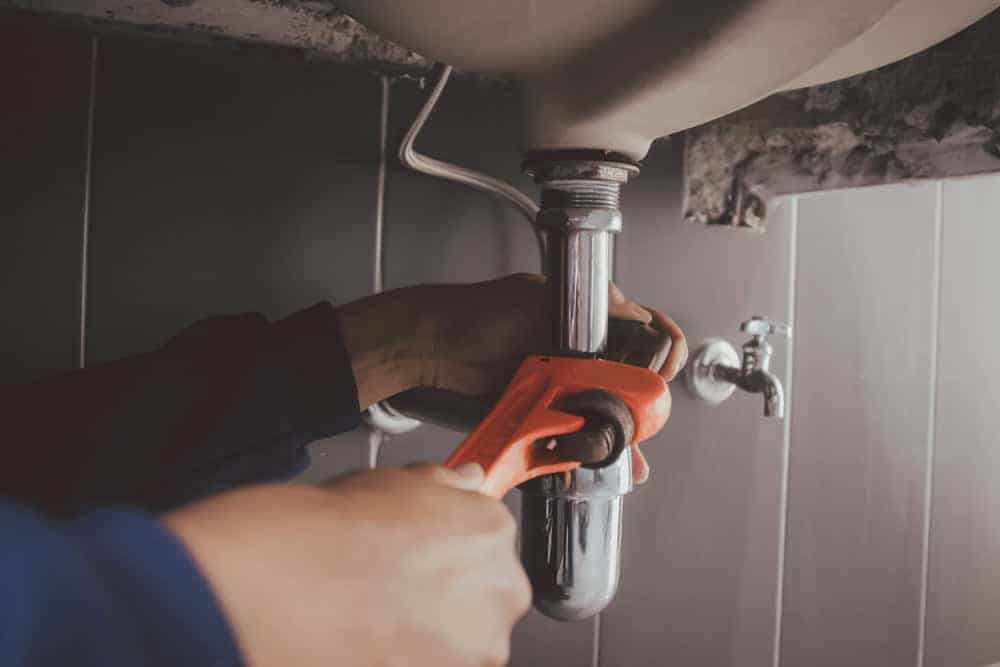
If your home was built before 1960 and the plumbing has never been updated, there’s a reasonable chance you still have galvanized supply lines. The simplest way to check is to find an exposed pipe — usually in the basement, utility room, or under a sink — and hold a magnet to it. Galvanized steel is magnetic. Copper and PEX are not. If the magnet sticks, you’re looking at galvanized.
You can also scratch the surface lightly with a coin or a key. Galvanized pipe has a dull grey exterior, sometimes with visible rust streaking or a rough, pitted texture on older sections. Copper will show a reddish or orange tone underneath. PVC is obviously plastic.
The more telling signs, though, are behavioral. Low water pressure throughout the house — not just at one fixture — is one of the most common complaints we hear from homeowners with galvanized systems. The buildup inside the pipes is often severe enough to reduce a half-inch supply line to a fraction of its original flow capacity. Discolored water, especially that first burst of rust-colored water in the morning, is another strong indicator.
What makes galvanized pipe replacement in Cook County particularly tricky is the age of the homes themselves. A Wicker Park greystone or a Logan Square two-flat built in 1925 may have pipes that are now approaching 100 years old — well past the 40-to-70-year rated lifespan for galvanized steel. These homes have also often been partially updated over the decades, meaning you might have a mix of old galvanized supply lines, newer copper sections, and modern fixtures all connected together. That kind of patchwork system requires someone who knows how to navigate the transitions — including carrying the specialty adapters to connect old materials to new ones, which not every plumber stocks.
If you’re in a neighborhood like Logan Square or Pilsen, where two-flats and three-flats are common, there’s an added layer of complexity. One supply system serves multiple units. When galvanized pipes in a multi-unit building start failing, the disruption and cost affect everyone in the building, not just one household.
The two most common replacement materials for galvanized supply lines are copper and PEX. Both are significant upgrades over galvanized steel, but they behave differently and suit different situations.
Copper has been the gold standard for residential supply lines for decades. It’s durable, develops a natural protective patina over time, and has a lifespan of 50 years or more. It handles Cook County’s water chemistry well and holds up to the pressure fluctuations that come with an aging municipal system. The downside is cost — copper is more expensive than PEX, both in materials and labor, and it requires soldering at every joint.
PEX — cross-linked polyethylene — has become increasingly popular over the last two decades, and for good reason. It’s flexible, which makes it easier to route through walls and around obstacles in older homes without as many joints. It’s resistant to corrosion and, critically for Chicago winters, it has more give than rigid pipe if water inside it starts to freeze. PEX costs less than copper and installs faster, which can meaningfully reduce labor costs on a full repipe.
The right choice depends on your home, your budget, and what you’re replacing. In older Chicago homes with complex layouts and limited wall access, PEX often makes the job more manageable without sacrificing performance. In homes where some copper is already in place, continuing with copper keeps the system consistent.
What both options have in common is that they solve the underlying problem. Replacing galvanized pipes with either copper or PEX eliminates the corrosion, restores water pressure, and removes the source of discoloration. You stop paying for the same repair over and over again. For a full house repipe, national cost estimates run from $1,500 to $15,000, with an average around $7,500. In Chicago’s older Victorian-era homes — particularly those in historic districts where walls and original building fabric need to be preserved — that range can be higher.
Want live answers?
Connect with a Go-Rooter Emergency Plumbers expert for fast, friendly support.
Cast iron was the dominant material for drain, waste, and vent lines from the 1940s through the early 1970s, but many Chicago homes have cast iron that dates back even further — to the late 1800s and early 1900s. The material is genuinely durable, with a rated lifespan of 75 to 100 years. The problem is that a lot of Cook County’s cast iron is now right at that threshold, or past it.
Unlike galvanized supply lines, which corrode from the inside and affect water quality and pressure, cast iron drain pipes fail differently. They crack, scale, and collapse. Sections separate at the joints. Tree roots infiltrate them. And in Chicago’s combined sewer system — where stormwater and sanitary sewage share the same pipes — the hydraulic pressure during heavy rain events puts additional stress on already-aged laterals.

Cast iron pipe problems don’t always announce themselves with a dramatic leak. More often, the signs are gradual and easy to dismiss until they’re not.
Slow drains throughout the house — not just one clogged fixture, but multiple drains running sluggishly — can indicate a deteriorating main drain line. Gurgling sounds from toilets or floor drains after heavy use point to a system that’s struggling to move water efficiently. Recurring sewage odors in the basement, even without a visible backup, suggest cracks or gaps in the drain stack that are allowing sewer gas to escape.
The most serious sign is actual sewage backup, which in Chicago often happens during or after heavy rainstorms. If your basement floor drain has backed up more than once, and your home was built before 1960, the sewer lateral connecting your home to the city main is worth inspecting. Clay tile laterals — common in pre-1940s construction throughout neighborhoods like Bridgeport and Pilsen — are particularly prone to cracking, root intrusion, and collapse.
This is where a camera inspection makes a real difference. Rather than guessing at what’s happening underground or inside walls, a camera inspection gives you actual visual evidence of what’s there — cracks, root intrusion, scale buildup, collapsed sections. That information is what determines whether a targeted repair makes sense or whether a larger section of pipe needs to be replaced. It also protects you as a homeowner: you’re making a decision based on what the pipe actually looks like, not on an estimate without documentation.
In Bridgeport, where many homes sit close to the Chicago River and have historically been near industrial activity, soil conditions can accelerate exterior corrosion on underground cast iron and clay tile pipes. In Wicker Park, where homes are often within historic districts and renovation work has to be done carefully to preserve original building fabric, accessing underground pipes requires more planning than a standard job. These aren’t hypothetical concerns — they’re the kinds of things that come up on real jobs in these neighborhoods.
There’s a direct relationship between pipe corrosion and freeze-burst risk that doesn’t get talked about enough. Most people think of frozen pipes as a problem that happens to any pipe in a cold enough space. That’s true — but corroded pipes are significantly more vulnerable.
When galvanized steel corrodes, the pipe wall gets thinner. The interior surface becomes rough and pitted. The structural integrity of the pipe is reduced. When water inside that pipe freezes and expands, it’s pushing against a wall that’s already been weakened by decades of corrosion. A pipe that might have survived a cold snap at 80% of its original wall thickness may not survive at 40%.
Chicago winters are not mild. Temperatures regularly drop well below zero for extended periods, and older homes — particularly the workers cottages and two-flats common in Bridgeport, or the frame construction in Wicker Park — often have less insulation in their pipe runs than newer construction. Pipes in exterior walls, unheated crawl spaces, and basement perimeters are at risk every winter.
The connection to cast iron is slightly different but equally real. Cast iron is brittle by nature, and extreme cold can accelerate cracking in pipes that are already scaled or partially compromised. A cast iron drain stack that’s been slowly deteriorating for 80 years has less tolerance for thermal stress than one that’s in good condition.
The practical takeaway is this: if you’re heading into a Chicago winter with old, corroded pipes, you’re not just dealing with a slow leak or low water pressure. You’re carrying elevated risk of a burst pipe event — which means water damage, emergency repair costs, and potentially days without running water. Addressing pipe corrosion proactively isn’t just about fixing what’s already broken. It’s about reducing the odds of a much worse problem when temperatures drop.
Cook County’s combination of extreme winter weather, aging housing stock, and an already-stressed combined sewer system makes this more than a theoretical concern. It’s why we see a significant spike in emergency calls every time Chicago gets a sustained cold stretch, and why a disproportionate number of those calls come from homes built before 1960.
If you’ve been dealing with low water pressure, discolored water, recurring leaks, or slow drains in an older Cook County home, the pattern is almost always the same: the individual symptoms aren’t the real problem. The pipe system behind them is.
The most useful first step is an honest assessment of what you actually have. A camera inspection of your drain lines, combined with a look at your visible supply lines, gives you real information to work with — not guesswork. From there, the decision between targeted repair and broader replacement becomes much clearer, and you can weigh the costs against the realistic alternative of continued patchwork.
We offer free quotes and have been working inside Chicago’s oldest homes since 2001. We’re available 24/7, we’ll give you a straight answer about what we find, and we won’t recommend more than the situation actually calls for. Call Go-Rooter Emergency Plumbers today.
Article details:
Share:
Continue learning:
Request a Callback
Want to skip the wait?
Simply enter your contact details, and we’ll call you when a NY Spine Advisor becomes available.