Your sump pump won't warn you politely before it fails. Here's what Chicago homeowners need to know before the next big storm hits.
Share:
Request a Callback
Want to skip the wait?
Simply enter your contact details, and we’ll call you when a Go Rooter Advisor becomes available.
Summary:
Chicago doesn’t do mild weather. When a summer storm rolls through and drops two inches of rain in an hour, or when spring snowmelt hits faster than the ground can absorb it, your sump pump is the only thing standing between your basement and a very expensive cleanup. Most homeowners don’t think about their sump pump until water is already on the floor — and by then, the window to act cheaply has closed. This FAQ is for the homeowner who’s noticed something off, or just wants to know what they’re dealing with before a crisis forces the decision.
Most sump pumps give you a warning window — usually two to four weeks of subtle signals before they quit entirely. The problem is that most homeowners either don’t notice those signals or decide to wait and see. Industry data suggests around 68% of homeowners ignore early warning signs until water actually reaches the floor. At that point, you’re no longer dealing with a repair. You’re dealing with a repair plus water damage.
The signals worth paying attention to: the pump running constantly without heavy rain outside, a grinding or rattling noise coming from the basin, the pump cycling on and off more than it should, or the unit simply not activating when you test it. Any one of these is worth a call. Together, they’re urgent.

This is one of the most common questions we hear, and it almost always points to one of a few specific problems. The float switch — the mechanism that tells the pump when water has reached a certain level and needs to be removed — can get stuck in the “on” position. When that happens, the pump runs nonstop even when the basin is dry. It’s not removing water. It’s just burning through its motor life.
A failed check valve is another common culprit. The check valve prevents water from flowing back into the pit after the pump pushes it out through the discharge pipe. If that valve fails, the same water keeps cycling back in, and the pump keeps running to remove it — over and over, without ever actually solving the problem. You might not notice anything wrong until the motor gives out.
There’s also the possibility that your pump is simply undersized for the volume of water your basement sees. This is especially relevant in Chicago, IL, where the combination of a high water table, clay-heavy soil that doesn’t drain quickly, and century-old combined sewer infrastructure means some homes see significant groundwater pressure even on dry days. A pump that’s working harder than it was designed to will run constantly and wear out years ahead of schedule.
A pump that won’t stop running isn’t just annoying — it’s a pump that’s heading toward failure. Getting it looked at now is significantly less expensive than replacing a burned-out motor during a storm.
This is the question most homeowners dread, mostly because they’re afraid of being pushed toward the more expensive option. Here’s the straightforward version of how to think about it.
If your pump is under seven years old and the issue is isolated — a stuck float switch, a clogged impeller, a debris buildup in the basin — repair is almost always the right call. These are fixable problems, and a well-maintained pump in good working order has no reason to be replaced just because one component failed. Sump pumps are generally built to last seven to ten years with proper maintenance, and some pedestal-style pumps run considerably longer than that.
If your pump is older than ten years, has broken down more than once in recent memory, or the motor itself has failed, replacement starts to make more financial sense. You’re not just paying to fix today’s problem — you’re paying to extend the life of a unit that may fail again before next spring. In that case, the math usually favors putting that money toward a new pump rather than into an aging one.
There’s a third scenario worth mentioning: the pump works, but your basement still floods. This is more common in Chicago than people realize, because the issue often isn’t the pump at all — it’s the discharge pipe freezing in winter, a clogged drain line compounding the problem, or a sewer backup event overwhelming a system that was only designed for normal groundwater. A camera inspection can identify what’s actually happening before you spend money fixing the wrong thing.
If you’re genuinely unsure, a free estimate gives you the diagnosis without the commitment. That’s always the right first step.
Want live answers?
Connect with a Go-Rooter Emergency Plumbers expert for fast, friendly support.
Chicago puts sump pumps through more than most cities. The storms are intense, the winters are brutal, and the sewer infrastructure in older neighborhoods — Bridgeport, Logan Square, Pilsen, Avondale, Beverly — was built for a different era. Knowing how to maintain your pump isn’t just good practice here. It’s genuinely necessary.
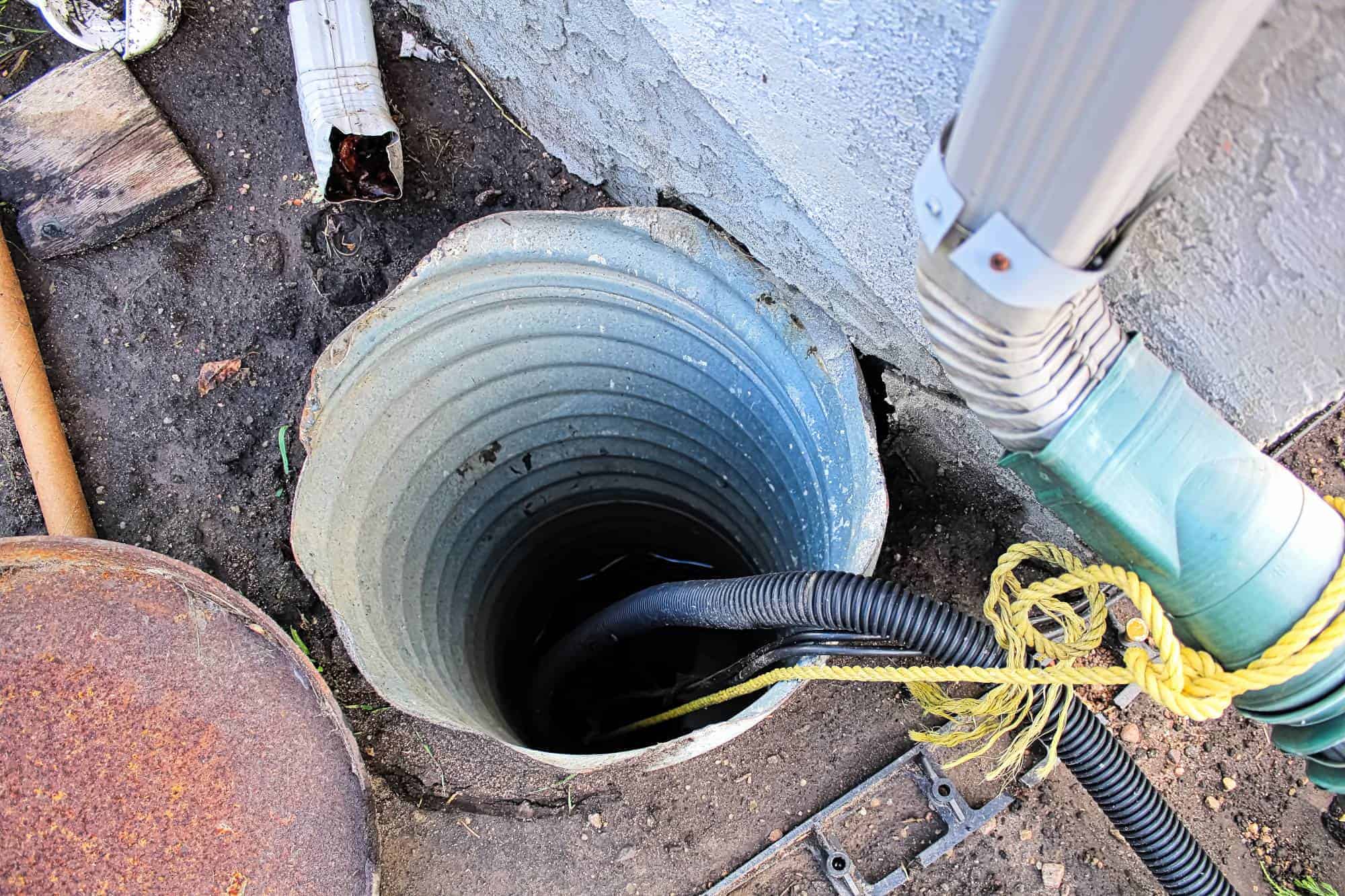
At a minimum, your sump pump should be professionally serviced once a year, with a basic function test done quarterly. Testing is simple: pour a bucket of water into the pit and confirm the float activates and the pump clears the water. If it doesn’t respond, you’ve found a problem while you still have time to fix it.
This question comes up constantly, and the answer for Chicago homeowners is almost always yes — and here’s why that matters specifically in this market.
Your sump pump runs on electricity. The storms that put the most pressure on your basement are the same storms most likely to knock out your power. A major summer thunderstorm rolls through, your power goes out, and your sump pump — the one thing you need most right now — goes completely offline. Without a battery backup system, that’s exactly what happens.
Chicago has seen this play out on a large scale. The flooding events of 2013 and 2017 hit thousands of Cook County, IL homes, and a significant portion of the damage happened not because pumps were broken, but because they lost power at the worst possible moment. A battery backup system keeps the pump running through an outage, buying you the time you need until power is restored or help arrives.
There’s also a winter-specific issue worth knowing about. Chicago’s sub-zero temperatures can freeze the discharge pipe — the line that carries water from your pump out of the home. When that pipe freezes, the pump has nowhere to send the water. It keeps running against a sealed line, and the motor burns out. Disconnecting or insulating the outdoor section of the discharge hose before winter is one of the most overlooked maintenance steps for Chicago homeowners, and one of the most consequential when it’s skipped.
A battery backup doesn’t replace a properly functioning primary pump. But in a city where storms can dump over two inches of rain per hour and power outages are a routine part of severe weather, it’s a meaningful layer of protection that a lot of homeowners don’t have until after their first major flood.
If you’ve had repeated basement flooding and your neighbors have too, you may have heard about the City of Chicago Private Drain Program. It’s worth understanding what it actually is, because it can directly affect how your home’s flood control system is set up — and who’s qualified to work on it.
Chicago operates what’s called a combined sewer system in many older neighborhoods. That means storm water and sanitary sewage share the same underground pipes. During heavy rain events, those combined pipes can overflow, and the overflow has nowhere to go except back up into basements. It’s a structural problem with the city’s infrastructure, and it’s the reason so many Chicago homes flood even when the sump pump is working perfectly.
The City of Chicago Private Drain Program, administered through the Metropolitan Water Reclamation District (MWRD), helps property owners install overhead sewers and flood control devices that disconnect their home’s drainage from the combined system. This is a meaningful upgrade for homes in affected neighborhoods — but it requires a contractor who is certified to perform the work under the program’s requirements.
We’re certified in the City of Chicago Private Drain Program, which means we can assess whether your home qualifies, explain what the installation would involve, and handle the work correctly. This is a credential many plumbers in the Chicago market don’t hold, and it matters if your flooding problem is rooted in the city’s sewer infrastructure rather than your pump itself.
If you’ve had a plumber look at your sump pump repeatedly and the flooding keeps coming back, this may be the conversation you haven’t had yet. A camera inspection combined with an honest assessment of your drainage situation can tell you whether a sump pump repair is the right fix or whether the real solution runs deeper than that.
The honest answer: sooner than you think. The warning signs are usually there weeks before a pump fails completely — strange noises, constant cycling, slow response times. The homeowners who catch those signals early spend a fraction of what the ones who wait until a storm forces the issue end up paying.
If your pump is over ten years old, hasn’t been serviced recently, or is showing any of the signs covered here, it’s worth getting eyes on it before the next major storm. Chicago’s spring and summer storm seasons don’t give much lead time, and emergency calls during active flooding are a harder situation for everyone.
Go-Rooter Emergency Plumbers has been serving Chicago and Cook County, IL since 2001. We offer free estimates, upfront pricing, and 24/7 availability — including same-day emergency response when you need it most. If something feels off with your sump pump, give us a call before the weather makes the decision for you.
Article details:
Share:
Continue learning:
Request a Callback
Want to skip the wait?
Simply enter your contact details, and we’ll call you when a NY Spine Advisor becomes available.