A burst pipe in a Chicago winter isn't bad luck — it's a predictable crisis. Here's what to do, what it costs, and who to call.
Share:
Request a Callback
Want to skip the wait?
Simply enter your contact details, and we’ll call you when a Go Rooter Advisor becomes available.

Summary:
It’s 2 AM on a January night. You hear water running somewhere it shouldn’t be. By the time you find the source, there’s already water spreading across your basement floor. Every minute you wait, that number on your eventual repair bill climbs a little higher.
Cook County winters don’t give you a warning. Pipes freeze, pressure builds, and when something finally gives, the damage happens fast — up to 10 gallons per minute fast. Knowing what to do before that moment, and who to call when it happens, is the difference between a manageable repair and a five-figure insurance claim. Here’s what you need to know.
Chicago averages around 105 days below freezing every year. That’s not a statistic most homeowners think about until a pipe lets go. But it’s the backdrop for everything that follows.
The risk isn’t distributed evenly. Pipes in uninsulated exterior walls, basement crawl spaces, attics, and garage ceilings are the most vulnerable — especially during polar vortex events, when temperatures drop hard and stay there for days. Homes that have lost power during a cold snap face even higher risk, because the heating system that’s been quietly protecting your pipes suddenly can’t do its job.
Here’s the part most guides skip over: the age of the pipe matters as much as the temperature outside. A large portion of Cook County’s residential housing was built between the 1950s and 1970s. The plumbing installed in those homes — galvanized steel supply lines and cast iron drain lines — was already approaching the end of its expected service life before most current homeowners ever moved in.
Galvanized steel has a typical lifespan of around 40 years. It corrodes from the inside out, slowly narrowing the pipe’s interior until water pressure drops and the pipe becomes increasingly brittle. Cast iron drain lines in Chicago’s older bungalow belt are now 90 to 100 years old in many cases. They weren’t designed to last this long, and Cook County’s clay soil — which swells and shifts with every freeze-thaw cycle — puts additional stress on buried joints year after year.
If your home was built before 1970, the pipes inside it aren’t just old. They’ve been under stress from Cook County’s specific conditions for decades: clay soil movement, a documented water chemistry shift in 1985 that accelerated internal corrosion, and winters that test even newer infrastructure. That combination is why we see so many burst pipe emergencies in neighborhoods like Berwyn, Cicero, Oak Park, and across Chicago’s bungalow belt — not just during extreme cold events, but throughout the winter season.
This is also why a pipe that’s been quietly corroding for 50 years doesn’t need a polar vortex to fail. A sustained cold snap, a brief power outage, or even an unusually drafty basement can push an already-weakened pipe past its limit. By the time you see water, the problem has usually been building for years.
Most burst pipes don’t come out of nowhere — they come after a stretch of warning signs that are easy to dismiss. Discolored water with a metallic taste is one of the earliest indicators that galvanized steel is corroding from the inside. Unexplained drops in water pressure, particularly in older homes, often mean the interior diameter of a pipe has narrowed significantly from rust and mineral buildup.
Visible corrosion on exposed pipes in the basement or utility room is another sign worth taking seriously. So are unexplained wet spots on walls or ceilings — especially in exterior-facing rooms — and water bills that have quietly crept up without any obvious explanation. These aren’t cosmetic issues. They’re the pipe telling you something is wrong before it tells you in a much more expensive way.
If you’ve noticed any of these signs and your home was built before 1970, a camera inspection can tell you exactly what’s happening inside the pipe — without tearing open a wall to find out. We use CCTV inspection equipment to assess pipe condition before recommending any repair, which means you get an accurate diagnosis and an honest quote before any work begins. Customers consistently mention this in their reviews — it’s the kind of approach that prevents the “we found something else” conversation that makes emergency plumbing feel like a gamble.
The goal is to find the problem before it finds you. But if it already has, the next section covers what to do in the first few minutes after a pipe bursts — because those minutes matter more than most people realize.
Want live answers?
Connect with a Go-Rooter Emergency Plumbers expert for fast, friendly support.
The first thing to do is shut off the main water supply. Don’t look for the source of the leak first — shut off the water first. Your main shut-off valve is typically near the water meter, often in the basement or utility room. Turning it off immediately stops the flow and limits the damage.
Once the water is off, turn on the cold taps throughout the house to drain the remaining water from the pipes and relieve any remaining pressure. Then call a plumber. Not in the morning — now. A burst pipe releasing water into your walls, floors, or ceiling can cause mold growth within 24 to 48 hours, and water damage that starts as a manageable repair can become a $15,000 insurance claim if it’s left to sit overnight.
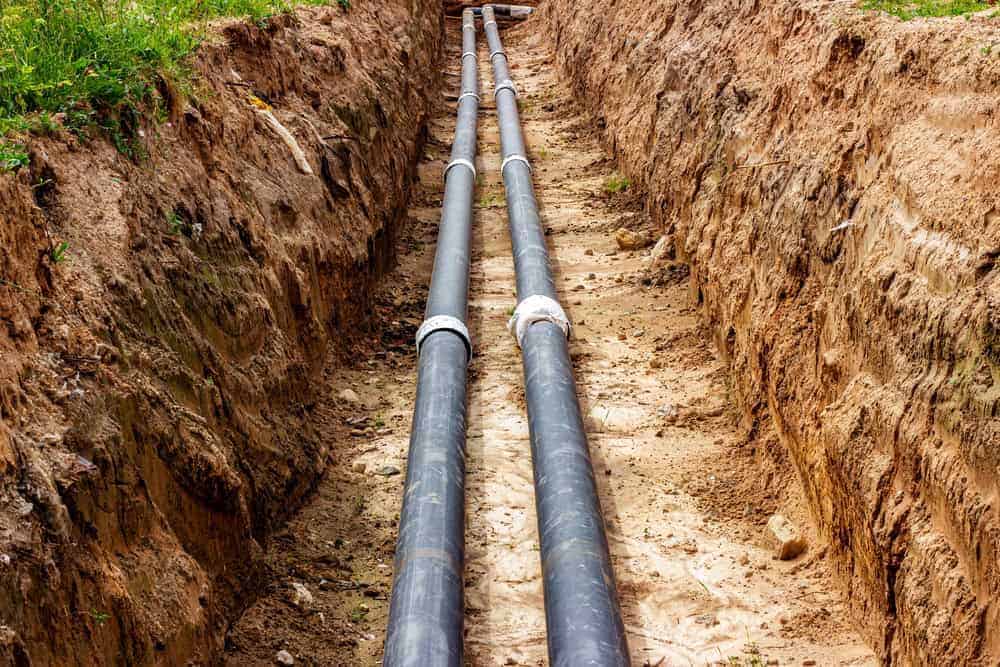
When we arrive at a burst pipe emergency, the first step is always assessment — not demolition. We use a sewer camera to identify exactly where the failure occurred and evaluate the condition of the surrounding pipe before recommending a repair approach. This matters because a burst in a galvanized steel supply line in a 1960s bungalow often signals a broader deterioration issue, not just one isolated weak point.
Once we understand what we’re dealing with, we walk you through the repair scope and the cost before anything starts. That’s not a sales pitch — it’s just how this should work. You shouldn’t be handed a bill for work you didn’t fully understand before it happened.
The actual repair process depends on where the pipe is located and what it’s made of. Accessible pipes in basements or utility rooms are typically the most straightforward. Pipes inside walls, under concrete slabs, or buried underground take more time and may require some controlled demolition to access. We carry the parts and equipment to handle most common burst pipe scenarios in a single visit, which matters a great deal at 3 AM in January when you need the problem resolved — not scheduled for later in the week.
After the pipe is repaired, we check the surrounding area for signs of water intrusion that could lead to mold or structural damage, and we document everything clearly so you have what you need if you’re filing a homeowners insurance claim. Burst pipe damage from internal plumbing failures is typically covered under standard Illinois homeowners policies — but the documentation of the repair matters, and we make sure you have it.
Cost is the question most people are afraid to ask at 2 AM, and it’s also the one most plumbers are vague about. So here’s a straight answer.
Emergency frozen pipe repair in Cook County, IL typically runs between $200 and $600, depending on where the pipe is located and how severe the damage is. For a burst pipe that requires section replacement, the range expands — most homeowners pay somewhere between $259 and $881 for a pipe leak repair in Cook County, with more complex jobs involving buried lines or extensive water damage restoration running higher.
Emergency and after-hours plumbing does cost more than a standard daytime appointment. That’s the reality of the industry, and any plumber who tells you otherwise isn’t being straight with you. But the math still works in your favor: the average insurance claim for burst pipe water damage runs around $15,000. A $500 emergency call that stops the damage in the first hour is not an expensive option — it’s the cheapest one available to you at that moment.
We offer free quotes before any work begins, and we provide upfront pricing even on nights and weekends. New customers receive $40 off their first service. Seniors receive a 10% discount on residential plumbing under $2,500. These aren’t fine-print offers — they apply to emergency calls too.
What we won’t do is show up, assess the situation, and then hand you a number that’s three times what we quoted. That approach might be common in this industry, but it’s not how we operate. The quote you get before we start is the price you pay.
The best time to deal with a burst pipe is before it happens. If your home was built before 1970, if you’ve noticed any of the warning signs covered here, or if you’ve already been through one winter emergency and don’t want to go through another, a camera inspection is a straightforward way to understand what you’re actually working with — before the pipes make that decision for you.
If you’re already mid-crisis, the steps above will help you limit the damage while you wait for a plumber to arrive. And if you need someone tonight, Go-Rooter Emergency Plumbers answers the phone at 3 AM — not an answering service, not a callback form. A real plumber, ready to be on-site fast, with the equipment to handle most emergencies in a single visit. We’ve been serving Cook County since 2001, and we’re available every hour of every day because that’s exactly when Chicago winters tend to cause the most damage.
Article details:
Share:
Continue learning:
Request a Callback
Want to skip the wait?
Simply enter your contact details, and we’ll call you when a NY Spine Advisor becomes available.