A hidden leak in a Cook County home can quietly rack up thousands in damage. Here's what early detection actually costs — and what waiting will run you.
Share:
Request a Callback
Want to skip the wait?
Simply enter your contact details, and we’ll call you when a Go Rooter Advisor becomes available.
Summary:
You probably didn’t search for this because everything is fine. Maybe your water bill crept up without explanation. Maybe you heard something — water running, a faint drip — and nothing was on. Or you spotted a soft spot in the floor or a stain on the ceiling and decided to finally look into it.
Whatever brought you here, you’re asking the right question at the right time. Water leak detection in Cook County, IL is one of those services that feels optional until it suddenly isn’t. This page gives you the honest cost comparison — what early detection runs versus what you’re looking at if a hidden leak keeps going unnoticed. No fluff, just numbers and context.
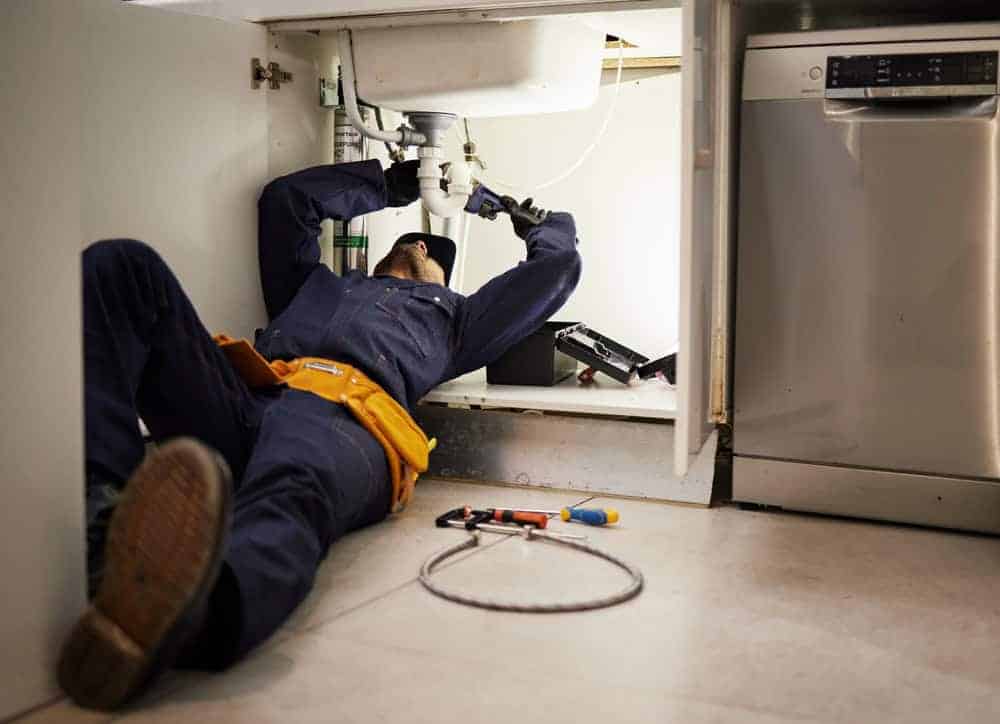
Professional water leak detection typically costs between $175 and $350 for a standard service call. Slab leak detection — one of the more involved scenarios — runs $99 to $700 depending on the complexity. Those numbers feel manageable because they are.
Water damage repair is a different story. The national average sits at $3,833, with most homeowners spending somewhere between $1,364 and $6,301. Severe cases — the ones involving structural repairs, mold remediation, or HVAC replacement — can climb past $25,000 to $75,000. That’s documented industry data.
The gap between those two numbers is the entire argument for early detection.

Faster than most people expect. A leak caught and repaired within the first month typically costs $200 to $500 to fix. Let that same leak go three months without being addressed, and you’re looking at $10,000 or more — not because the pipe got worse, but because water had time to work its way into walls, subfloor, insulation, and framing. Mold can establish itself in as little as 24 to 48 hours in a damp environment. Once it does, remediation becomes its own line item.
One inch of standing water in a basement can cause upward of $25,000 in damage. A small undetected leak — the kind that drips quietly behind drywall or under a concrete slab — can rack up $6,000 to $10,000 in structural damage in just a few days if conditions are right.
The typical Cook County home loses somewhere between 2,000 and 20,000 gallons of water every year from leaks that go unnoticed. A dripping faucet wastes more than 1,000 gallons annually on its own. An irrigation system with even a small leak can waste 6,300 gallons per month. These aren’t catastrophic events. They’re quiet, ongoing losses that accumulate until something visible finally forces the issue.
This is exactly why water leak detection isn’t a luxury service. It’s the cheaper option — often by a factor of ten or more.
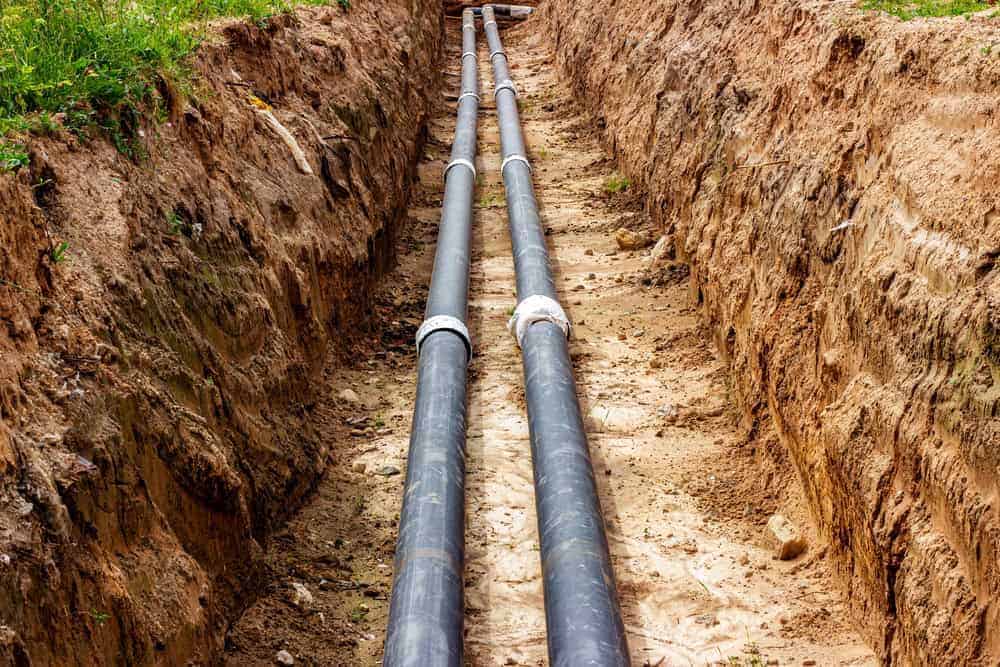
Cook County’s plumbing infrastructure is old. Much of Northeastern Illinois’ water system is 50 to 100 years old, and a significant portion of it is buried out of sight and out of mind. Chicago alone has approximately 400,000 lead service lines still in use — more than any other city in the country. Homes built before 1986 across Chicago and the surrounding suburbs may have lead pipes or lead solder at fixture connections, and those aging materials are more prone to corrosion, pinhole leaks, and joint failures than modern systems.
Then there’s the climate. Chicago averages 105 days below freezing every year. That’s not just a cold winter — that’s repeated freeze-thaw cycles that stress pipe joints, crack connections, and cause underground pipes to shift. Clay pipes in older Cook County neighborhoods fail differently than modern PVC, and cast-iron systems that have been in the ground since the Eisenhower administration behave differently than anything a plumber trained on newer construction would expect. We’ve been working with this infrastructure in Cook County since 2001, and we’ve seen how these specific materials fail in these specific conditions.
The flooding situation has gotten worse, not better. In 2025, water damage claims in the Chicagoland area increased 17% in the first five months of the year compared to the same period in 2024. Cook County received $244 million in federal housing aid following severe 2023 storms — communities like Cicero and Calumet City were hit particularly hard. Record rainfall, aging combined sewers, and more frequent freeze-thaw cycles are making even well-maintained properties vulnerable. If your home is in an older neighborhood on the West Side, in one of the inner-ring suburbs, or anywhere with pre-1986 housing stock, the baseline risk is genuinely elevated.
Want live answers?
Connect with a Go-Rooter Emergency Plumbers expert for fast, friendly support.
Water leaks are expensive. Gas leaks are dangerous. Both require professional detection equipment and a licensed technician — and both are services we handle throughout Cook County.
Gas pipe pressure testing is part of our service menu for a reason. A gas leak isn’t something you diagnose with a water meter test or a visual inspection. It requires pressure testing equipment and a trained eye for the signs that most homeowners miss until something goes wrong. If you smell sulfur or rotten eggs, hear a hissing sound near a gas line, notice dead vegetation over an underground pipe, or find a pilot light that keeps going out, those are signals worth acting on immediately.

The reason professional leak detection costs what it does — and why it’s worth it — comes down to the equipment. Guessing where a leak is and starting to cut walls or dig up floors is the old way of doing this. It’s also the expensive way, because if you guess wrong, you’ve created property damage without solving the problem.
Modern leak detection uses a combination of tools depending on the situation. Video camera inspection is one of the most effective — a flexible camera is run through the pipe to show exactly what’s happening inside and where. Acoustic detection uses sensitive microphones to pick up the sound of water escaping under pressure, even through concrete or packed soil. Thermal imaging identifies temperature differences that indicate moisture behind walls or under floors. Pressure testing confirms whether a pipe system is holding or losing pressure over time.
For slab leaks specifically — leaks that occur in pipes running beneath a concrete foundation — this technology is the difference between a targeted repair and tearing up an entire floor to find the source. Slab leak detection runs $99 to $700 depending on complexity. The repair itself averages $1,500 to $4,000. Compare that to what you’d spend on flooring, structural repairs, and mold remediation if a slab leak went undetected for six months.
We use camera inspections as a core part of our preventative maintenance approach, not just as a diagnostic tool when something has already gone wrong. When we come out for a service call, we do a thorough inspection of your plumbing system — not just the thing you called about. That’s how we catch the problem you didn’t know you had before it becomes the emergency you didn’t budget for.
**Does homeowners insurance cover water leak detection or water damage repair?**
It depends on the circumstances. Most homeowners insurance policies cover sudden, accidental water damage — a pipe that bursts, for example. What they typically don’t cover is damage from a gradual leak that could have been caught earlier. If an adjuster determines the leak was ongoing and preventable, your claim may be reduced or denied. Having documentation from a licensed plumber — the kind we provide on every service call — can make a meaningful difference in how your claim is handled. It’s one of those practical benefits most homeowners don’t think about until they’re already filing.
**How do I know if I have a hidden water leak in my home?**
The most common signs are an unexplained spike in your water bill, the sound of running water when nothing is on, damp spots or discoloration on walls or ceilings, soft spots in flooring, and a persistent musty smell. In Cook County homes with older plumbing — especially those built before 1986 — these signs can appear gradually and get dismissed as minor quirks of an aging house. They’re worth taking seriously. A water meter test can confirm that water is leaving your system somewhere, but it can’t tell you where. That’s where our professional detection equipment comes in.
**Is water leak detection in Cook County worth it if I’m not sure I have a leak?**
Yes — and the math is straightforward. A professional leak detection service call runs $175 to $350 on average. If there’s no leak, you’ve bought peace of mind and a full inspection of your plumbing system. If there is a leak, you’ve caught it before it had time to turn into a $5,000 to $15,000 repair. Given that Chicago averages 105 freeze days per year and Cook County’s infrastructure is among the oldest in the country, the odds that something is quietly working against your pipes are higher here than in most markets. Early detection also reduces water bills — professional repair can cut water waste by up to 10%.
**What’s the difference between water leak detection and water damage repair?**
Detection is finding the problem. Repair is fixing what the problem caused. They’re related but separate. Detection locates the source of the leak using professional equipment — cameras, acoustic sensors, pressure tests. Repair addresses both the pipe itself and whatever the water damaged along the way: drywall, insulation, flooring, framing, mold. The earlier detection happens, the smaller the repair scope. That’s the entire case for not waiting.
If something feels off — the bill, the smell, a sound you can’t place — that’s enough reason to call. You don’t need a visible flood to justify a leak detection service call. In fact, waiting for something visible is exactly how a $300 problem becomes a $30,000 one.
We show up within 60 minutes, any time of day, with no overtime charges. Every call starts with a full assessment and upfront pricing before any work begins — no surprises, no pressure. We also offer free estimates and a 10% senior discount, because a lot of Cook County homeowners on fixed incomes are living in exactly the kind of older home that needs this kind of attention most.
If you’re in Cook County and something doesn’t add up with your water usage, your water bill, or what you’re hearing in your walls, we’re the call to make. We’ve been part of this community since 2001, and we’d rather help you catch it early than show up after the damage is done.
Article details:
Share:
Continue learning:
Request a Callback
Want to skip the wait?
Simply enter your contact details, and we’ll call you when a NY Spine Advisor becomes available.